







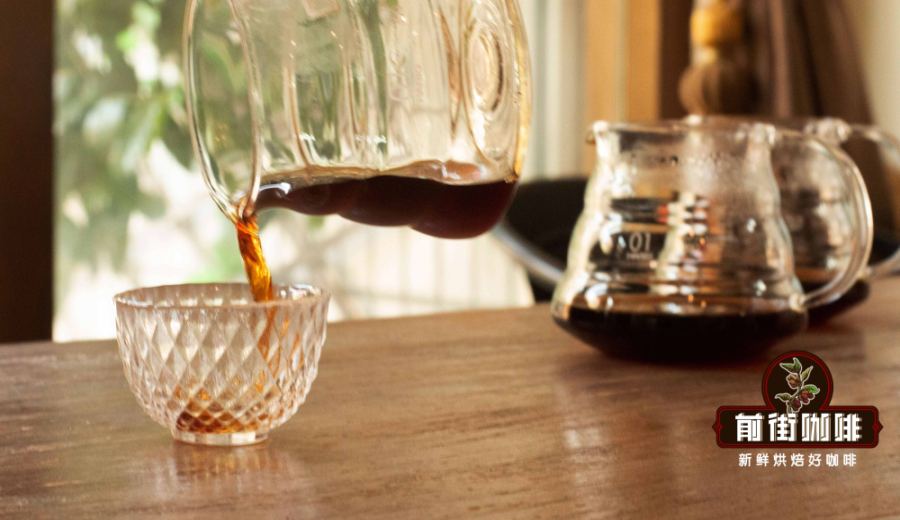
Introduction:Want to understand why Golden Mandheling stands out among the many types of Mandheling coffee? This article takes you from the history and culture of Sumatra's origin to explore the unique wet-hulled processing method, and introduces in depth the certification standards of PWN Golden Mandheling. More importantly, we will provide practical pour-over parameters using the KONO filter, including a water temperature of 88°C, medium-coarse grind, and a three-stage pouring method, helping you easily extract its rich flavors of nuts and caramel.
Mandheling coffee has always sparked polarized opinions among global coffee enthusiasts due to its low acidity, rich and full-bodied taste, and unique herbal and spicy notes. Some love its velvety and bold mouthfeel, while others find it overly heavy. This distinctive character is precisely what makes Mandheling so appealing. Golden Mandheling, hailed as the premium version of Mandheling, is even more sought-after by pour-over enthusiasts. This article not only explores the origin of the name "Mandheling" and the history of coffee development in Sumatra, but also dissects the regional characteristics and wet-hulled process of Golden Mandheling. Finally, with a practical focus, it teaches you how to perfectly highlight its nutty and caramel aromas through pour-over brewing.
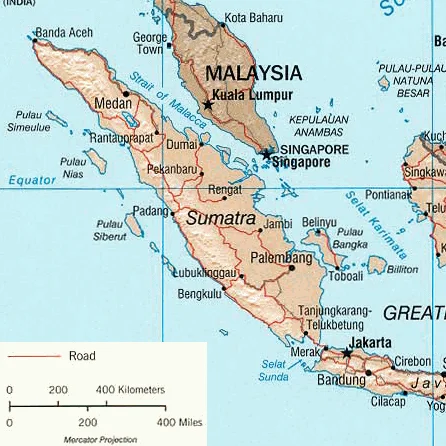
The unique flavor profile of Mandheling is inseparable from the geographical environment of its origin, Sumatra, Indonesia. As the world’s sixth-largest island, Sumatra’s humid and rainy climate, along with its mountainous terrain, creates unique conditions for coffee cultivation. Coffee from this region generally features low acidity, a full body, and a long aftertaste, which is distinctly different from the high-acidity and bright profiles typical of Latin American coffees. Traditionally, Sumatran coffee is processed using the so-called “wet-hulled” method, which is vastly different from common washed or natural processes, and is also a key factor shaping Mandheling’s unique character.
Speaking of the name “Mandheling,” it is not actually a place name but originated from a misunderstanding. During World War II, a Japanese officer tasted a rich-flavored coffee in Sumatra and curiously asked the shop owner about the coffee’s name. The owner mistakenly thought the question was about his surname “Mandening,” which, due to language differences, was heard as “Mandheling.” The name stuck from there. Later, the officer introduced this coffee to Japan, gradually making Mandheling a popular item in the Japanese market and establishing its presence in the international market. Interestingly, many coffees on the market today labeled as “Mandheling” actually come from Sumatra, but not every one of them can be called “Golden Mandheling.”
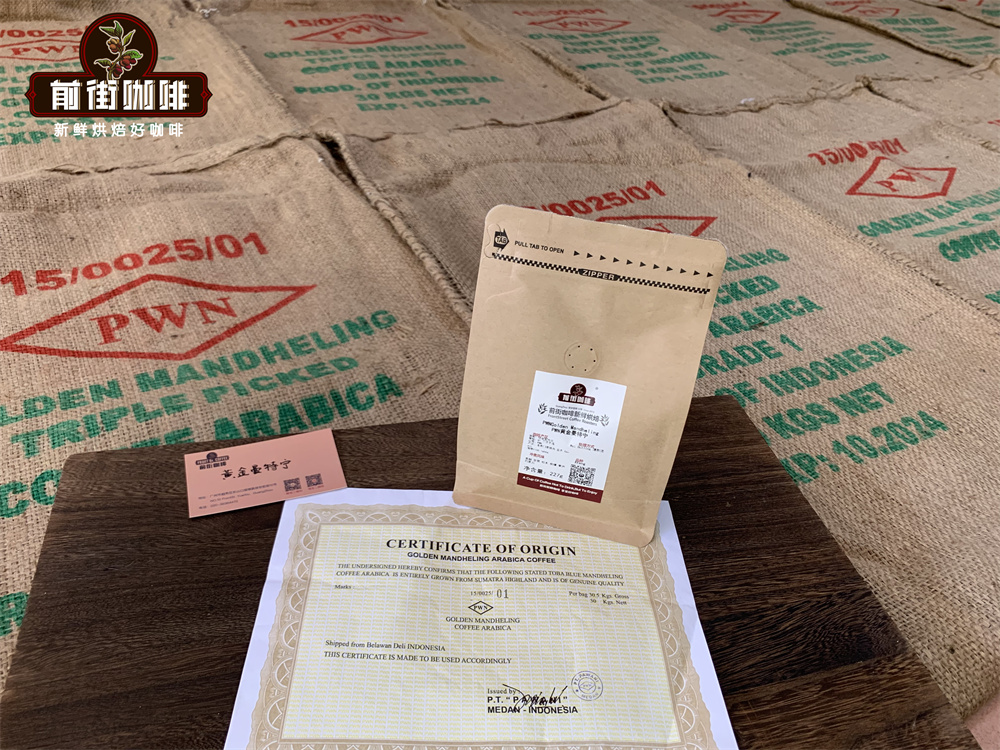
The name “Golden Mandheling” is a trademark registered by Indonesia’s PWN company, representing the highest-grade Mandheling coffee beans. It is important to note that not all products labeled as “Golden Mandheling” actually come from PWN. Therefore, when purchasing, if you want to confirm whether it is genuine, it is recommended to ask for proof of green bean origin or sack labeling. A well-known coffee shop sources its PWN Golden Mandheling from high-altitude regions of Sumatra between 1100 and 1600 meters, with the variety being Ateng, processed using traditional wet-hulling, graded as top-tier G1, with no more than 3 defective beans per 300 grams of green beans. It also undergoes multiple rounds of manual sorting to ensure a pure and consistent flavor.
Wet-hulling is the most representative processing method for Sumatran coffee. The general steps are: first, remove the fruit skin and pulp of the coffee cherry, then allow the parchment-covered beans to undergo short-term fermentation before washing off the mucilage. Next, the semi-dried parchment beans have part of their husk scraped off, and the drying process is accelerated. This technique allows the coffee to retain more body and a deeper tone while reducing excessively bright acidity, resulting in a unique flavor profile that is rich, full-bodied, and infused with herbal and spicy notes. This is also why Sumatran coffee often gives off an impression of depth and warmth.
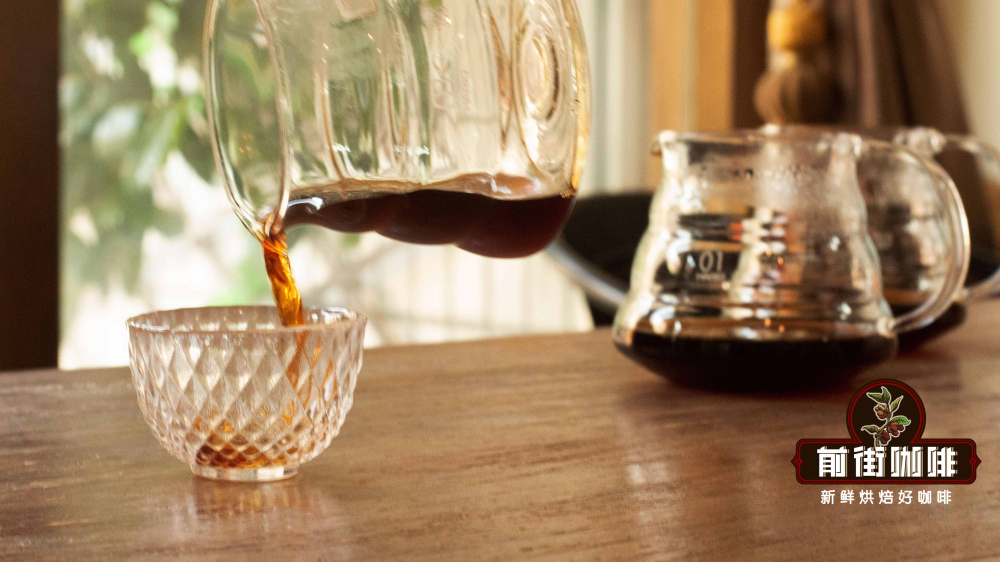
In terms of roasting, the roasters at a well-known coffee shop typically roast PWN Golden Mandheling to a medium-dark level to enhance its full-bodied texture and sweetness. For pour-over brewing, it is recommended to use a KONO filter, which has a slower flow rate and can effectively control water flow speed to avoid over-extraction. The specific suggested parameters are as follows: keep the water temperature at88°C, usea medium-coarse grind (similar to a 70% passing rate on a Chinese No. 20 sieve), set the coffee-to-water ratio at1:15, with a total coffee powder amount of about15 grams, and use a three-stage pouring method for extraction, with a total time of about2 minutes, aiming for a total water volume of225 grams.
For the three-stage pouring, the specific operation is recommended as follows: first, pour 30 grams of hot water for the bloom, lasting about 30 seconds, to allow the coffee grounds to fully expand and release aroma; next, pour slowly in small circles from the center outward until you reach 125 grams, then pause briefly; in the final stage, continue pouring until you reach 225 grams. Once the water has completely dripped through the filter, remove it, and you’ll enjoy a Golden Mandheling with balanced flavor and distinct layers. This coffee, when freshly brewed, is dominated by a rich nutty tone. As it cools, it gradually reveals spice aromas such as cinnamon and herbs, and may even carry a faint hint of sweet melon, with a very noticeable caramel sweetness. The overall mouthfeel is clean and layered.
In summary, Golden Mandheling is not only one of the representatives of Sumatran coffee but also a classic bean variety that global pour-over enthusiasts shouldn’t miss. From the historical misunderstanding of its origin, the unique wet-hulled processing method, to the stringent quality control of PWN, each step contributes to its irreplaceable flavor characteristics. As long as you master the correct pour-over parameters and techniques, you too can easily brew this rich and layered coffee experience at home.
The above content is compiled by CoffeeHunters, a coffee news website.


