







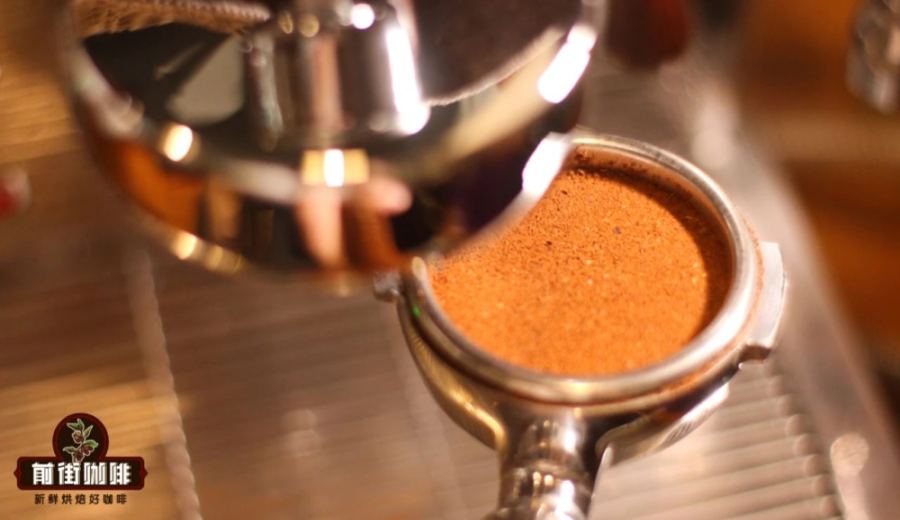
Introduction:Espresso is the soul foundation of many coffee beverages and an important benchmark for evaluating a barista’s skills. This article explores the definition of espresso and the principles behind crema formation, delves into the characteristics and roast levels of coffee beans suitable for espresso extraction, and provides a detailed six-step brewing process to help you master key techniques. Whether at home or in a café, you’ll be able to consistently brew a well-balanced, qualified Espresso.
In the beverage structure of modern cafés, espresso plays an irreplaceable role—not only as the base for classic drinks like lattes and cappuccinos, but also as a key item for assessing a barista’s fundamental skills. What exactly is espresso? Where does its charm come from? How can you extract a balanced, crema-rich authentic Espresso? This article will take you through the definition, composition, bean selection, and practical operation steps to provide an in-depth understanding.
What is Espresso?
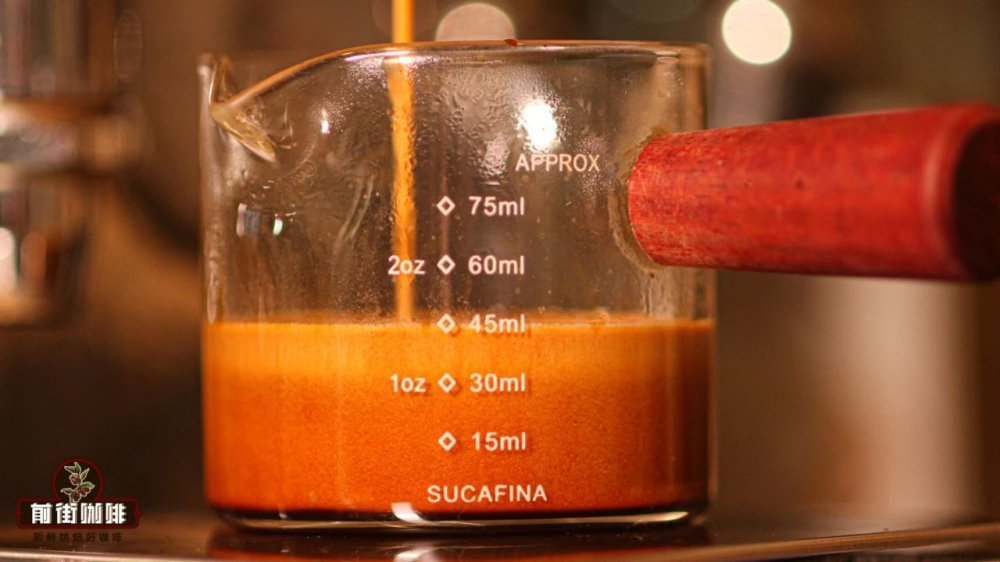
Espresso originated in Italy, and its most distinctive feature is the use of high pressure (typically 9 bar) to complete extraction in an extremely short time, with a single shot usually around 30 milliliters. This extraction method gives it a rich flavor and a layered flavor profile, typically divided into three distinct parts: the surface crema, the middle body, and the bottom core.
< >
How is Crema formed?
Crema is the most iconic visual characteristic of espresso, and its formation depends on specific extraction conditions. When extremely finely ground coffee powder comes into contact with hot water under high pressure, the carbon dioxide inside the coffee beans cannot escape due to the unusually high pressure and instead dissolves into the coffee liquid. At the same time, the oils in the coffee are squeezed out by the high pressure and carried out with the liquid.
When extraction ends and the pressure returns to normal, the previously dissolved carbon dioxide seeks to escape but is trapped by the surrounding oils, forming a fine, dense foam—what we see as crema. This layer of oil not only affects appearance but also plays a key role in flavor release and mouthfeel.
Coffee Beans Suitable for Espresso: Why Medium-Dark Roasts Are Preferred?
Choosing the right coffee beans is crucial when brewing espresso. Unlike pour over coffee, where you can adjust water temperature and brew ratio to highlight regional characteristics based on personal preference, espresso relies more on roast level to balance flavors.
Light-roasted coffee beans, due to their shorter roasting time, have more pronounced acidity, relatively less oil content, and a lighter aroma. When used to make milk-based drinks like cappuccinos, they can easily make the entire beverage overly acidic, affecting overall balance. Therefore, most cafés opt formedium-dark roasted coffee beans, which can bring out more caramel, nutty, and chocolatey notes while retaining slight fruit acidity, resulting in a more rounded and layered overall flavor.
In addition,the freshness of the coffee beansalso directly affects extraction performance and crema quality. It is recommended to choose beans roasted within 10 days, as this is when the flavors are most vibrant and the crema is richer. Coffee beans stored for more than two months not only lose aroma but also show a significant decline in crema performance during extraction.
< >
Six Key Steps for Brewing Espresso
To consistently brew a qualified Espresso, every step must be carefully controlled. Below is the standard six-step operation process:
Step 1: Clean the Portafilter Basket
Before starting, remove the portafilter and carefully wipe the basket with a clean cloth to ensure there is no leftover coffee grounds or water stains that could affect the quality of the subsequent extraction.
Step 2: Grind and Dose
Set your grinder to produce an extremely fine grind suitable for espresso. Before dosing, it’s recommended to place the portafilter on a scale and tare it to accurately control the coffee dose. Pay attention to evenly distributing the coffee grounds in the basket to avoid uneven distribution.
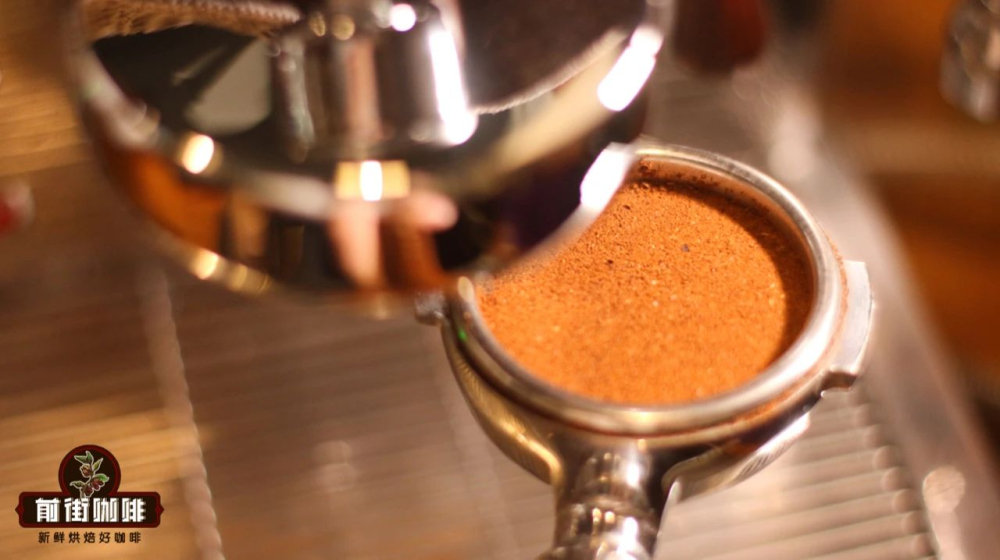
Step 3: Distribute
After dosing, use your fingers or a professional distribution tool to evenly spread the coffee grounds. This step helps prevent uneven density during tamping and ensures a stable flow of water.
< >
Step 4: Tamp
After distribution, apply even downward pressure to compact the coffee puck. The pressure should neither be too light nor too heavy—too light may result in a loose puck and fast water flow, while too heavy may hinder flow and cause over-extraction. Aim for a steady, moderate pressure to ensure a firm yet not overly dense puck structure.
Step 5: Lock in the Portafilter and Start Extraction
Securely lock the tamped portafilter into the machine, being careful to avoid collisions that could crack the puck and cause channeling, which would affect extraction uniformity. Immediately start extraction and observe changes in extraction time and liquid color. It’s recommended to use a scale to monitor the weight of the extracted coffee liquid.
Step 6: Complete Extraction and Clean Up
Once the desired extraction volume and time are reached, stop the extraction. Knock out the puck and clean the grounds tray, then wipe the basket with a cloth, and finally return the portafilter to its position, ready for the next extraction.
< >
The above content is compiled by CoffeeHunters, a coffee news website.


