








Introduction:Explore the top ten classic coffee-growing regions from around the world — from the delicate floral and fruity notes of Panama Geisha to the rich and bold character of Indonesia Mandheling. Each coffee bean embodies unique terroir and processing craftsmanship. This article details the characteristics of each region, the traits of the coffee varieties, and common processing methods, while also offering expert-level pour over recommendations and flavor profiles to help you choose the most suitable beans based on your taste preferences and delve into the diverse allure of global specialty coffee.
The charm of coffee comes from the ingenious combination of origin, variety, and processing method, with each element profoundly influencing the final flavor profile. From Panama Geisha, brimming with floral and fruity aromas, to Indonesia Mandheling, offering both richness and layered complexity, to Jamaica Blue Mountain, balancing sweetness and acidity, specialty coffee beans from around the globe showcase truly unique regional flavor characteristics. Understanding the background and traits of these regions can help you better grasp brewing essentials when pour over or preparing coffee, allowing you to enjoy a richer tasting experience.
1. Panama – Geisha (floral-fruity aroma and bright acidity)
The Geisha variety originated in the Gesha Forest of Ethiopia, later traveling through Kenya, Uganda, and Costa Rica before reaching Panama. It gained fame in 2004 after winning a competition at Hacienda Esmeralda. This variety is renowned for its high sweetness, clean profile, and delicate floral and fruity notes, often showcasing layered aromas of jasmine, citrus, berries, and peaches, with a lingering finish reminiscent of bergamot and honey.

Recommended bean:Panama Hacienda Esmeralda Green Label Geisha
Region:Boquete, Panama
Elevation:1600–1800 meters
Processing Method:Washed
Variety:Geisha
Flavor:The cup opens with pronounced jasmine floral notes and citrus tones, supported by layers of berries, cantaloupe, and green tea, balanced between sweet and acidic, with a long-lasting finish.
2. Jamaica – Blue Mountain (balanced acidity and bitterness, delicate aroma)
Jamaica Blue Mountain coffee gets its name from the region surrounding the Blue Mountains. With high elevation, cool and misty climate, and fertile volcanic soil, it produces an exceptional coffee that balances acidity and bitterness, features delicate aroma, and is almost free of off-flavors. Blue Mountain coffee typically showcases rich chocolate and nutty aromas, soft acidity, and a smooth mouthfeel.
Recommended bean:Jamaica Blue Mountain No.1
Region:Newcastle Area
Elevation:1310 meters
Processing Method:Washed
Variety:Typica
Flavor:Dominant notes of chocolate and nuts, with balanced sweetness, acidity, and bitterness, and a clean, refreshing taste.
3. Indonesia – Mandheling (full-bodied, low acidity, rich and sweet)
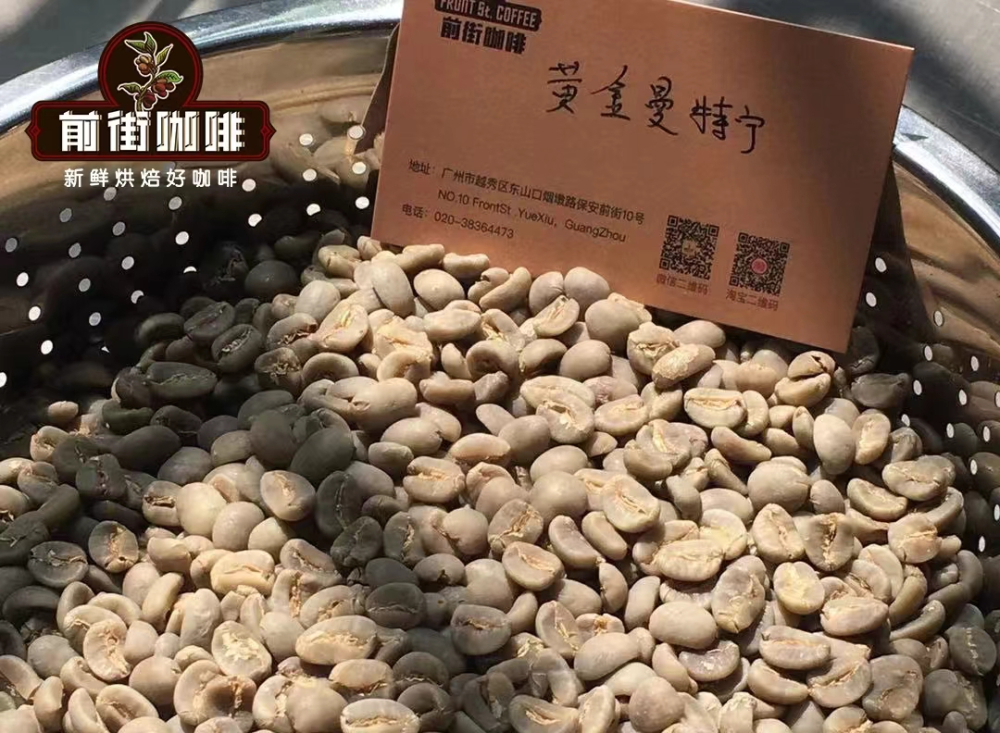
Indonesia Mandheling is known for its low acidity, full body, and rich caramel and nutty aromas, making it especially suitable for those who prefer coffee without pronounced acidity. Golden Mandheling is further selected through multiple manual screenings, ensuring uniform appearance, low defect rate, more concentrated and cleaner flavors.

Recommended bean:Indonesia Golden Mandheling
Region:Gayo Highlands, Aceh, Sumatra
Processing Method:Wet-hulled (Giling Basah)
Variety:Ateng
Elevation:1100–1600 meters
Flavor:Full and stable body, with nutty, caramel, and chocolate notes, and a long-lasting aftertaste.
4. Ethiopia – Yirgacheffe (fresh floral-fruity, bright acidity)
As the birthplace of coffee, Ethiopia’s Yirgacheffe is highly praised for its unique floral and fruity aromas and bright citrus acidity. Light roasts highlight lemon, honey, and floral notes, while natural processing brings out the sweetness and intensity of tropical fruits — ideal for coffee lovers who prefer a fresh and vibrant taste.
Recommended bean:Yirgacheffe Red Cherry Natural
Region:Yirgacheffe
Elevation:1900–2300 meters
Processing Method:Natural (Sun-dried)
Variety:Heirloom
Flavor:Tropical fruit and strawberry notes, rounded acidity, juicy mouthfeel, and a long-lasting finish.
5. Kenya – K72 Washed (prominent acidity, berry-forward)
Kenyan coffee is known for its rigorous grading and processing techniques, with AA grade being the highest quality. Using the K72 double fermentation washed process, the beans retain intense berry and cherry tomato acidity, with vibrant and layered acidity and a creamy sweet finish.
Recommended bean:Kenya Little Tomato Coffee Beans
Region:Thika
Elevation:1550–1750 meters
Processing Method:K72 Washed
Variety:SL28, SL34
Flavor:Cherry tomato and dark plum dominant, bright acidity, prominent sweetness in the mid-palate, and a berry and green tea finish.
6. Costa Rica – Honey Process (intense sweetness, dark sugar notes)
Costa Rica’s honey process involves removing the pulp but retaining some mucilage before sun-drying, resulting in a coffee with intense sweetness and notes of stone fruit and dark sugar. This technique demands high weather and technical precision, but the results are often highly rewarding.
Recommended bean:Costa Rica Miramar Geisha Blend
Region:Tarrazú + Panama
Elevation:1700 meters
Processing Method:Honey Process + Washed
Flavor:Strawberry taffy, rose floral notes, pronounced sweetness, and almond finish.
7. Brazil – Yellow Bourbon (nutty-cocoa, smooth and balanced)
Brazil is the world’s largest coffee producer. The Yellow Bourbon variety is known for its low acidity, full body, and nutty and cocoa flavors. The semi-washed (pulped natural) method retains moderate sweetness and fruitiness, making it ideal for those who prefer a smooth mouthfeel and balanced flavor.
Recommended bean:Brazil Queen Estate Yellow Bourbon
Region:Mogiana
Elevation:1400–1950 meters
Processing Method:Semi-washed (Pulped Natural)
Flavor:Nutty and cocoa base with black tea notes, soft sweetness, and prominent chocolate aroma.
8. Guatemala – Antigua (mildly full-bodied, elegant fruit acidity)
Located in a volcanic zone, Guatemala has seven major regions, each with its own unique flavor. Among them, Antigua is known for its mildly full body, subtle fruit acidity, and chocolate notes, appealing to those who enjoy layered taste profiles.
Recommended bean:Guatemala Antigua Fleur de Sel
Region:Antigua
Elevation:1200–1600 meters
Processing Method:Washed
Variety:Bourbon, Caturra
Flavor:Berries, citrus, and chocolate, with rich layers and a smooth mouthfeel.
9. Papua New Guinea – Bird of Paradise (nutty-cocoa, berry sweetness)
Papua New Guinea coffee is often compared to Blue Mountain in flavor. Its profile is dominated by nuts and cocoa, complemented by subtle berry sweetness. The cup is full-bodied with soft acidity, suitable for those who enjoy island-style flavors.
Recommended bean:Papua New Guinea Bird of Paradise
Region:Sigri Bird of Paradise Estate
Elevation:1600–1800 meters
Processing Method:Washed
Variety:Typica
Grade:AA
10. Tanzania – Kilimanjaro (bright acidity, balanced fruitiness)
The Kilimanjaro highlands feature high elevation and fertile soil, making it an important region for Tanzania’s specialty coffee. The Typica variety here exhibits bright fruit acidity and fruity aromas, with light to medium roasts highlighting its refreshing qualities.
Recommended bean:Tanzania Kilimanjaro
Region:Kilimanjaro Volcano
Elevation:1300–2000 meters
Processing Method:Washed
Variety:Typica
Grade:AA
Flavor:Bright fruit acidity and fruity aromas, clean and delicate mouthfeel, and a clean finish.
The above content is compiled by CoffeeHunters, a coffee news website.


