







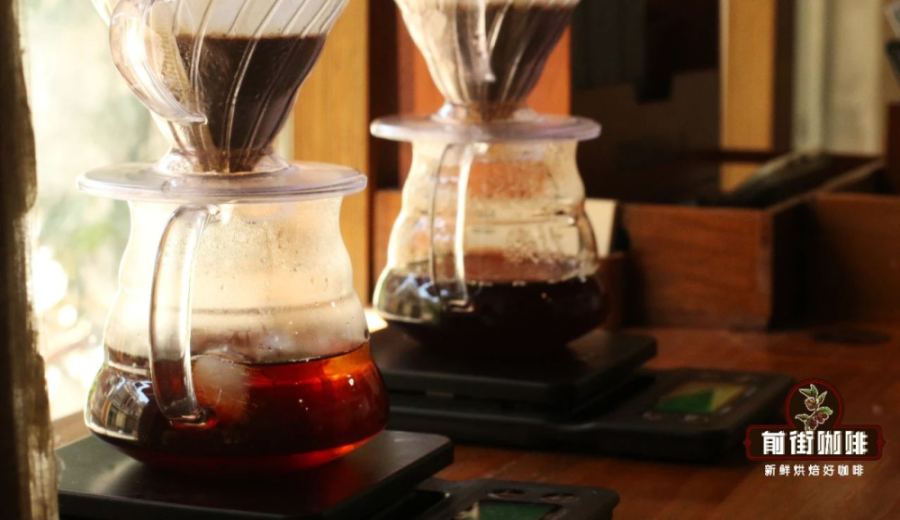
Introduction:The allure of pour over coffee lies in the precise control over each variable — from coffee-to-water ratio to water temperature, and even pouring technique. Every small detail can alter the final flavor profile. This article will delve into the core parameters that affect extraction, including coffee-to-water ratio, grind size, water temperature, and pouring method. Through practical examples with both light and dark roasted beans, we’ll guide you through adjustment techniques so that whether you’re a beginner or an advanced brewer, you’ll find a reliable way to consistently brew your ideal cup.
The reason pour over coffee is so captivating is precisely because it allows the brewer to actively adjust multiple variables based on personal preference, thereby shaping different flavor directions. From coffee-to-water ratio and grind fineness to water temperature control and pouring technique, each step can significantly impact the final aroma, sweet-sour balance, and aftertaste. This article will take a practical approach, systematically breaking down several core parameters of pour over brewing, and analyzing the differences in brewing strategies between light and dark roasted coffee beans, helping you brew a cup with clear flavor profiles at home with consistency.
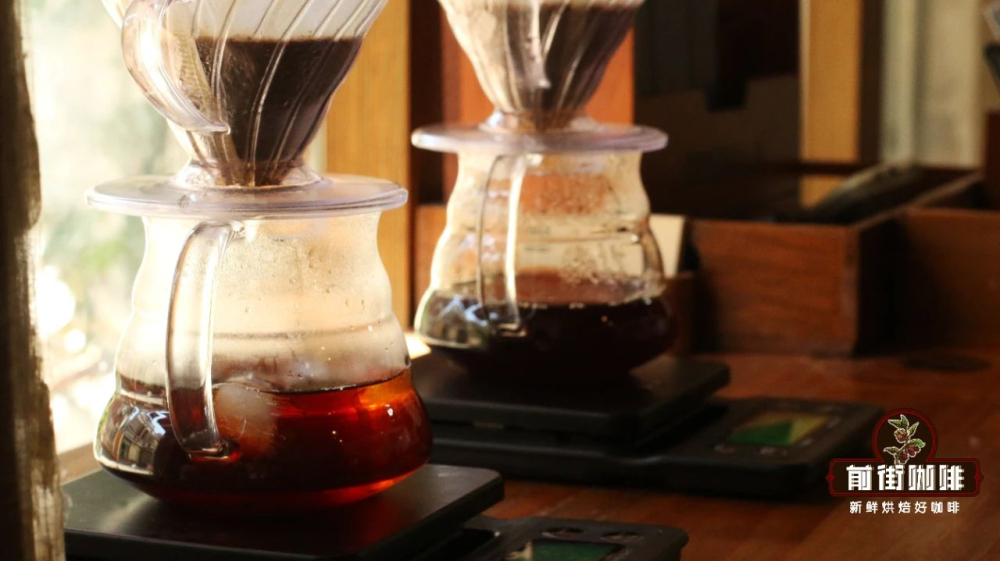
What makes pour over coffee most appealing is that nearly every step can be decided by the brewer. This high level of controllability is also one of the reasons why many coffee enthusiasts are drawn to it. Even just fine-tuning one variable — such as grind size or water temperature — can lead to a completely different final flavor. Many first-time pour over brewers often report difficulty getting it right at home, whether it’s due to unstable water flow, or flavors that are too thin or over-extracted. But this actually highlights the nuance and depth of pour over brewing. With mastery of a few key elements, you can steadily improve your brewing skills.
This brewing method, pour over, can be traced back to the early 20th century when it was invented by the German Melitta Bentz with her filter cone. As coffee roasting techniques have evolved, different roast levels have corresponded to different brewing strategies. Generally, pour over often uses single-origin, single-variety coffee beans, each with its own unique character. Therefore, brewing parameters must be adjusted according to the bean's inherent traits — for example, light roast beans usually suit higher water temperatures, faster-flowing filter cones, and finer grind sizes. Next, we’ll start with five key parameters and explain their impact and practical applications one by one.
1. Coffee-to-Water Ratio: The Key to Determining Strength and Extraction Rate
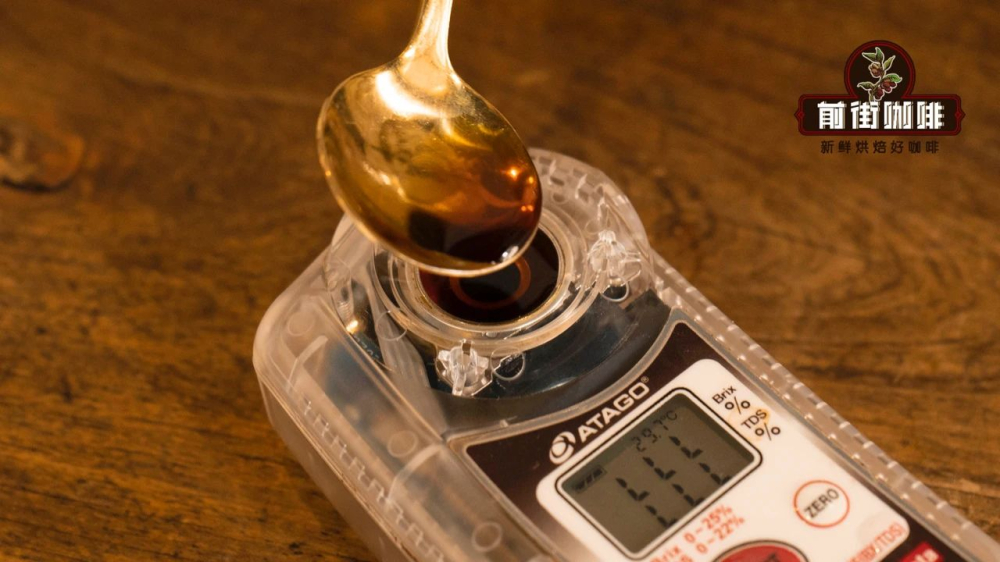
In coffee beans, only about 30% of the substances can be dissolved in water, but extracting more doesn’t necessarily mean better flavor. According to the Golden Cup Standard set by the Specialty Coffee Association of America (SCAA), the ideal extraction rate should fall between 18% and 22% — meaning, out of every 10 grams of coffee grounds, about 1.8 to 2.2 grams of soluble substances are extracted. Meanwhile, the concentration of drip coffee is recommended to be between 1.2% and 1.45%, which means these soluble substances make up only a small portion of the total beverage. In short, most of pour over coffee is still water, and the key lies in achieving balanced extraction.
To achieve this concentration range, it’s recommended to set the coffee-to-water ratio between 1:12 and 1:15. Taking 15 grams of coffee powder as an example, the water volume would be around 180 to 225 milliliters. Based on multiple tests and customer feedback,a 1:15 coffee-to-water ratiois a fairly universal and easy-to-master baseline, suitable for most coffee beans and brewing environments. Of course, if you prefer a stronger or milder taste, you can adjust accordingly, as long as it aligns with your personal preference. However, be aware that when the ratio is too low (e.g., 1:10), it can easily lead to over-extraction, resulting in bitter, harsh flavors with prominent off-notes.
2. Coffee Dose: Basic Setting and Water Flow Stability
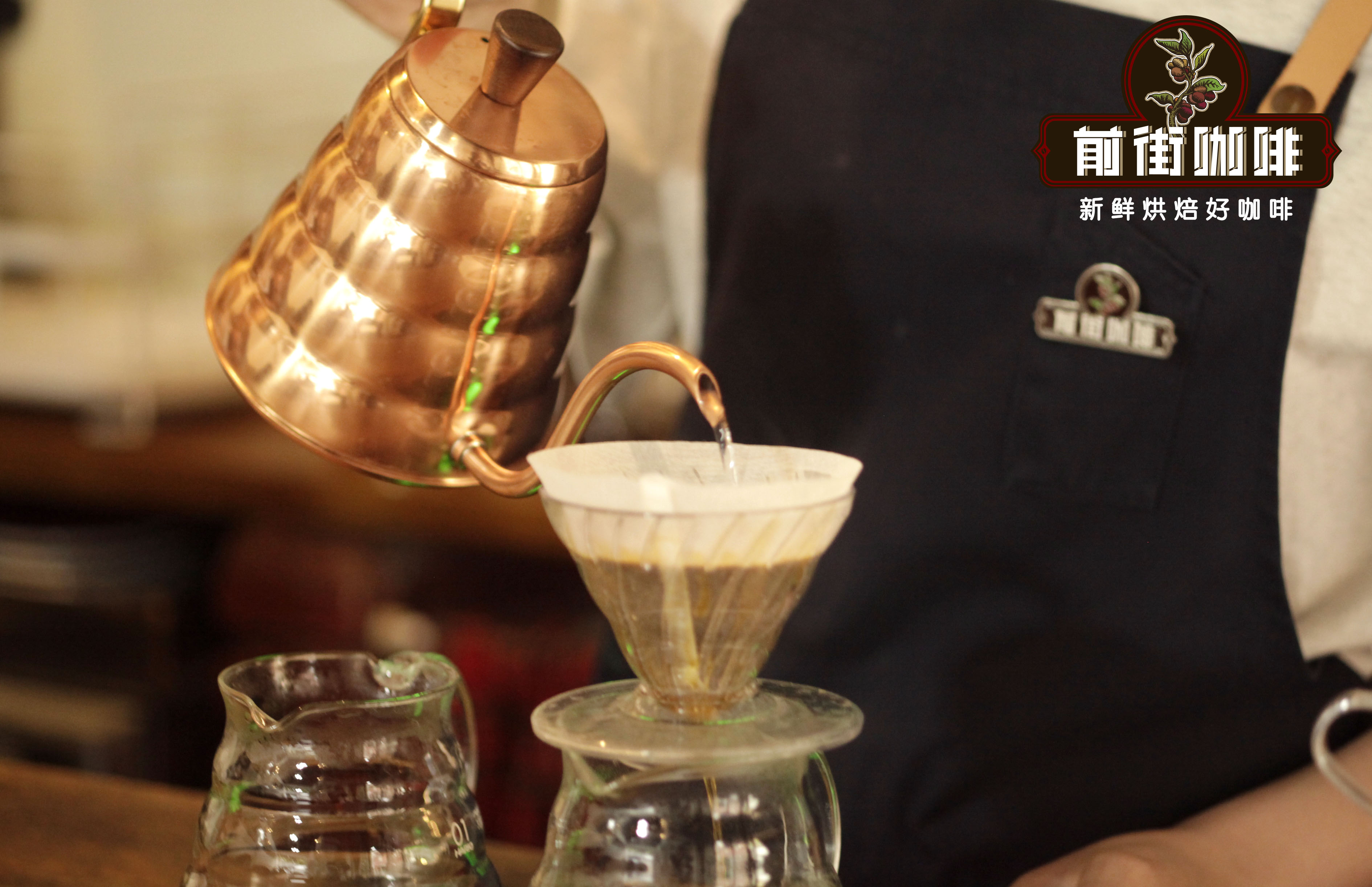
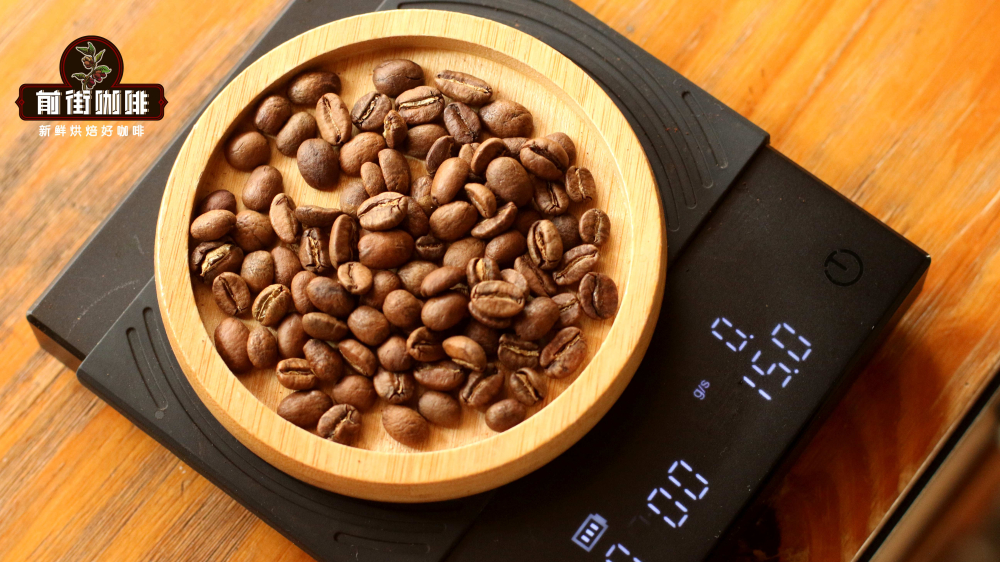
After determining the coffee-to-water ratio, the next step is deciding how much coffee to use. For a single serving of pour over,15 grams of coffeeis a common and easy-to-control baseline. If the dose is too small, say just 10 grams, the thin coffee bed may lead to overly strong water flow, affecting extraction uniformity. Conversely, increasing to 20 grams makes the coffee bed too thick, prolonging water passage time and potentially leading to over-extraction. Therefore, it’s advised to set the coffee dose reasonably based on the size of your filter cone and personal needs, ensuring smooth extraction and balanced flavors.
3. Grind Size: How Fineness Affects Extraction Efficiency
Grind size is another key factor influencing the flavor of pour over coffee. If the grind is too coarse, water flows through too quickly, leading to under-extraction, weak aroma, and lack of complexity. If it’s too fine, water flow is restricted, not only prolonging extraction time but also releasing too many bitter compounds. According to SCAA standards, it’s generally recommended to test with a No. 20 sieve, aiming for an ideal extraction rate between 70% and 80%. For coffee beans of different roast levels,light roast suits about 80% extraction (finer grind), while dark roast is recommended at 70% (coarser grind). This is because dark roast beans naturally release soluble substances more easily, and a slightly coarser grind helps avoid over-extraction, whereas light roast beans need a finer grind to bring out complex aromas.
4. Water Temperature: An Important Tool for Controlling Extraction Pace
Water temperature directly affects extraction speed — the higher the temperature, the faster substances dissolve. For dark roast beans, which have a looser structure and more pores, using a lower temperature (around 88°C) slows down extraction, preventing excessive release of bitter compounds. Light roast beans, with a tighter structure, can withstand higher temperatures (around 90–91°C), helping to highlight bright acidity and multi-layered aromas. It’s generally recommended thatlight roast be brewed at 90–91°C, while medium-dark roast suits 85–87°C. If unsure, start with a medium temperature and fine-tune based on actual flavor results.
5. Extraction Time: Mastering the Pace to Avoid Under- or Over-Extraction
The extraction time for pour over coffee typically ranges between 2 to 2½ minutes, depending on the coffee-to-water ratio and pouring technique. The early stage of extraction captures most of the aroma and flavor, which gradually diminishes over time. If the water volume is large and flows quickly, the extraction time shortens, possibly leading to insufficient flavor extraction. Conversely, if pouring is too slow and the time is prolonged, over-extraction is likely. Therefore,for 15 grams of coffee at a 1:15 ratio, it’s recommended to keep the total extraction time within 2 to 2 minutes 30 secondsto achieve balanced flavor.
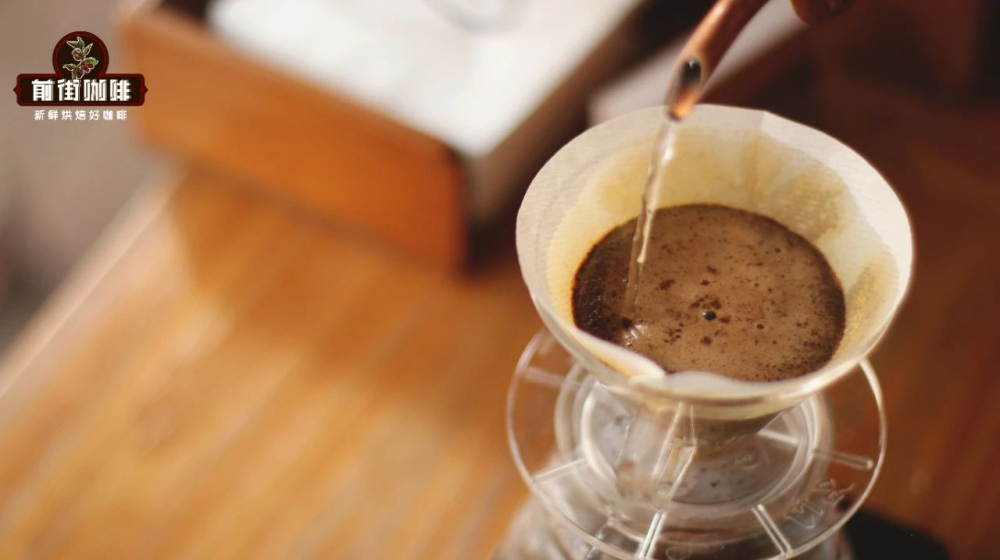
6. Pouring Technique: Differences in Flavor Between Single-Pour, Three-Pour, and Stirring Methods
There are various pouring techniques in pour over, but they all share the same goal: stable extraction and showcasing the coffee’s unique flavors. Below are three common methods and their flavor profiles:
1. Single-Pour (One-Flow)
Single-pour means continuously pouring water after the bloom phase without interruption until the target volume is reached. The pouring speed can gradually increase, then slightly slow down toward the end. This method is simple to execute, but the flavor profile tends to be more one-dimensional, making it suitable for those who prefer a clean and refreshing taste.
Reference Parameters: V60 filter cone, 15g coffee, 1:15 ratio, 90°C water, grind size (20号筛网通过率80%).
Technique: 30g water bloom for 30 seconds, then continuous pour to 225g, total time about 1 minute 50 seconds.
Flavor Profile: Prominent aroma, bright acidity, but overall taste is thinner with a shorter aftertaste.
2. Three-Pour
The three-pour method divides the pouring process into three stages, typically after the bloom, pouring in three increments to reach the target volume. This allows better control over the extraction pace and results in a more distinct flavor layering.
Reference Parameters: Same as above.
Technique: 30g water bloom for 30 seconds, second pour to 125g, final pour to 225g, total time about 2 minutes.
Flavor Profile: Distinct layers of citrus, black tea, nuts, and caramel flavors, soft acidity, and a long-lasting aftertaste.
3. Stirring Method
The stirring method involves using a stirring stick during the bloom phase to perform cross or spiral stirring, promoting even absorption of water by the coffee grounds and accelerating the release of aromatic compounds. It’s suitable for light roast beans and can significantly enhance flavor richness.
Reference Parameters: Same as above, but recommend increasing bloom water to 45g.
Technique: Stir during bloom, then spiral pour to 125g, followed by pour to 225g, total time about 2 minutes.
Flavor Profile: Rich aroma and full-bodied taste, but be mindful of stirring intensity to avoid over-releasing undesirable off-flavors.
7. Light Roast vs. Dark Roast: Differences in Brewing Strategies
Brewing strategies should also be adjusted for coffee beans of different roast levels. For light roast beans (such as Yirgacheffe), it’s recommended to use higher water temperature and finer grind, paired with a faster-flowing filter cone (like V60), to fully bring out the acidity and fruity-floral notes while avoiding over-extraction. For dark roast beans (like Golden Mandheling), since soluble substances are released more readily, it’s advisable to use lower water temperature, coarser grind, and a slower-flowing filter cone (like Kono), to stabilize extraction and highlight nutty, chocolatey, and spicy flavors.
Dark Roast Brewing Parameter Reference: Kono filter cone, 15g coffee, 1:15 ratio, 88°C water, grind size (20号筛网通过率70-75%), three-pour method, total extraction time about 2 minutes. Flavor Profile: Rich layers of nut, chocolate, spice, and caramel aromas, full-bodied mouthfeel with a long, lingering aftertaste.
The above content is compiled by CoffeeHunters, a coffee news website.


