







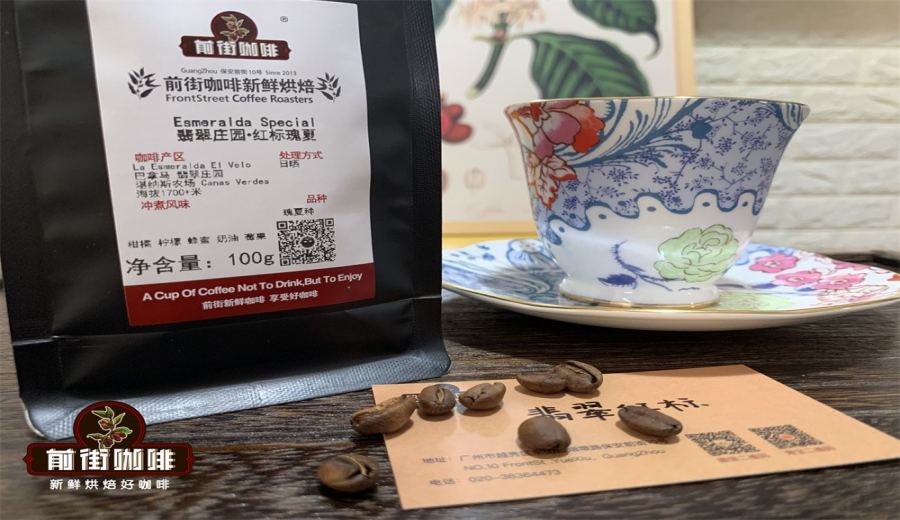
Introduction:Geisha coffee, with its distinctive floral and fruity acidity profile, has become a top-tier bean variety highly sought after by specialty coffee enthusiasts worldwide. This article delves into the flavor differences between Geisha from Panama and Ethiopia—the two most prominent producing regions—and offers professional pour over recommendations and tasting tips to help readers fully grasp the allure of this rare coffee through temperature variation, aroma layers, and taste details.
Since its breakthrough at Panama’s Hacienda Esmeralda, Geisha coffee has quickly risen to become one of the most celebrated specialty coffees globally, even surpassing the traditional Blue Mountain in market value. Although it has been introduced to various regions including Yunnan, China, no other area has yet matched the complex flavor profile that makes Panamanian Geisha so unique—largely due to its exceptional microclimate. So how can we properly appreciate this premium-priced coffee to fully experience its charm?
Professional advice recommends drinking progressively from high to low temperatures,finishing within20 minutes, to capture the evolving flavor notes as the coffee cools. When tasting, evaluate from four aspects: first, whether the aroma is rich and layered; second, whether the taste is balanced with natural slight sweetness and delicate fruit acidity, free of astringency, with a clean and lingering aftertaste; third, confirming there are no common defect flavors such as cardboard, burnt, or diesel; and lastly, paying attention to portion size and temperature control to ensure consistent flavor between hot and cold servings.
Speaking of Geisha’s origin, it was first discovered onGeisha Mountain in southernEthiopia. At that time, the variety was overlooked due to its low yield, tall plant structure making harvesting difficult, and was often used as windbreaks. It wasn’t until 1931 that it was introduced to coffee research institutions in Kenya and Tanzania, later spreading to Uganda, Costa Rica, and other regions. By the 1960s–70s, Panama’s Don Pachi Estate began cultivating Geisha, but it wasn’t until 2004 when Hacienda Esmeralda entered Geisha into the Best of Panama (BOP) competition and won the championship that it gained fame, going on to win multiple gold awards in subsequent years.
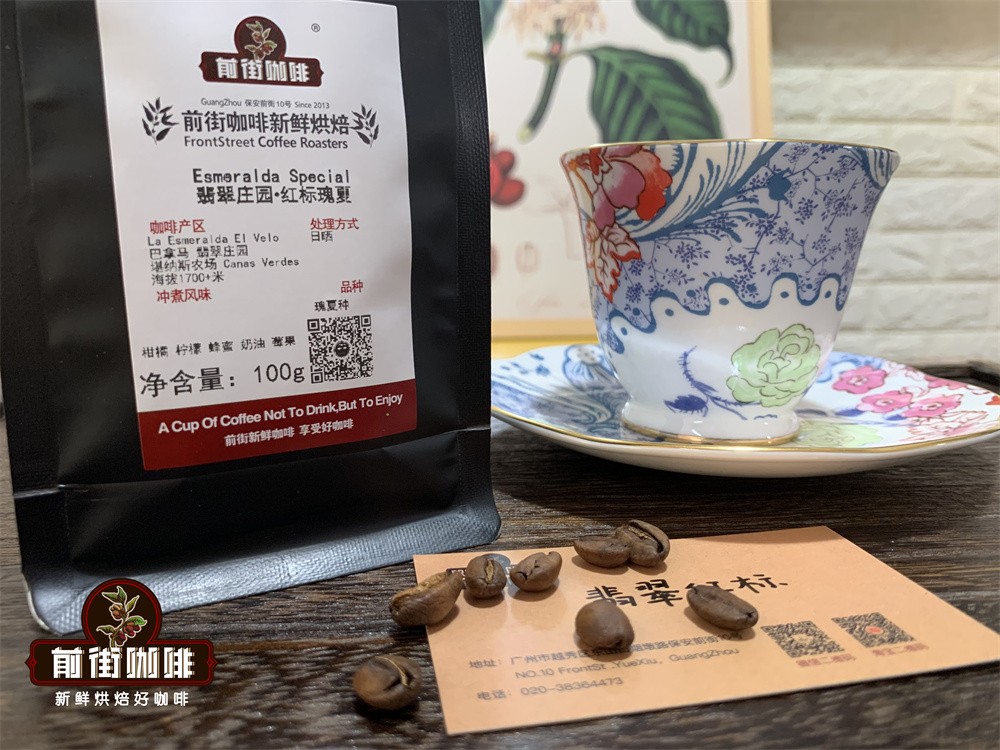
Although originating in Ethiopia, it was the high-altitude, cloudy or shaded, and fertile soil environment that truly brought out Geisha’s refined and elegant flavors—manifested as distinct floral notes, delicate fruit acidity, and tea-like aftertaste. Currently, Ethiopian Geisha is mainly divided into three categories: Gori Gesha (GG), preserving the gene diversity of the native forest; Illubabor Forest 1974 (IF), a disease-resistant cultivated variety; and Gesha 1931 (G31), which resembles Panamanian Geisha in appearance and cup profile, though genetically they are not closely related. Therefore, Ethiopian Geisha and Panamanian Geisha show significant differences in flavor expression, each showcasing unique regional characteristics.
In contrast, Panama’s most representative offering comes from the Boquete region’s Hacienda Esmeralda. This area enjoys a unique geographical location, nestled between Costa Rica and Colombia, with the Central Mountain Range blocking cold air. The Boquete and nearby Candela regions thus form a unique microclimate, with elevations typically exceeding1900 meters, moderate temperatures, abundant rainfall, and fertile soil—all contributing to the delicate floral aromas and bright fruit acidity of Geisha beans, making it a prized coffee sought after by enthusiasts around the globe.
To allow more people to experience the charm of Geisha, many coffee roasters include washed Geisha from the Boquete region as a daily drinker option, enabling consumers to enjoy its flavors at reasonable prices. Beyond Panama, several farms in Costa Rica also grow Geisha, such as the small Cielito farm in the Miramar region, whose Geisha blends have gradually gained market attention.
In terms of roasting and pour over parameters, to preserve Geisha’s delicate aromas and fruit acidity, it is recommended to uselight roastprocessing—as overly dark roasts can diminish its refined complexity. For pour over, it is suggested to use a Hario V60 filter, with water temperature controlled at91°C, a powder-to-water ratio of1:15, and grind size recommended as Chinese standard 20-mesh sieve80% pass rate, with slightly lower coffee concentration to help highlight its multi-layered flavor characteristics.
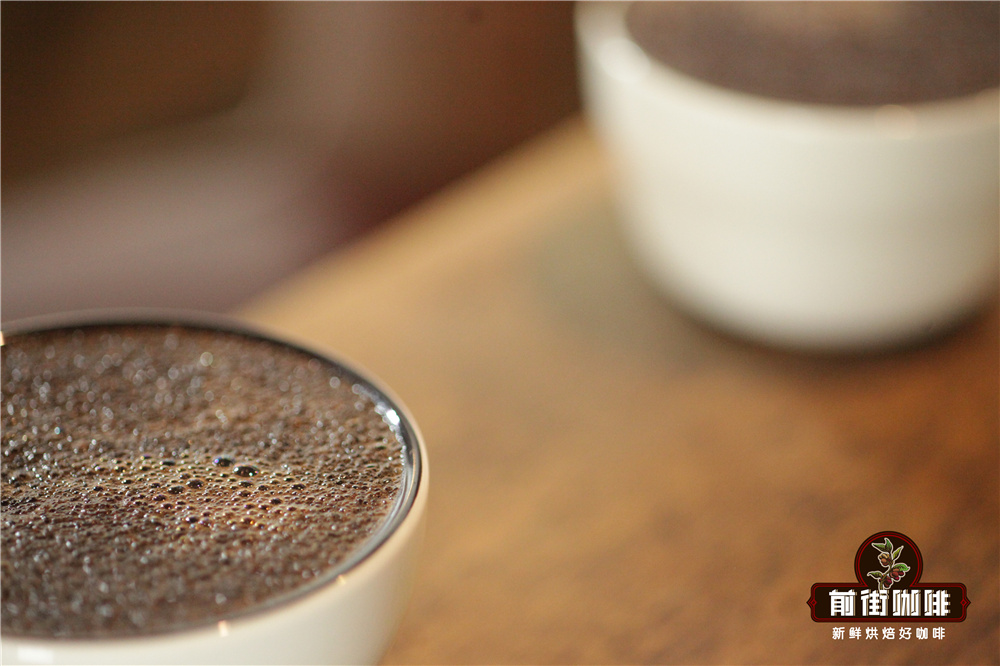
When tasting Geisha coffee, it is advised to experience its changes across three temperature stages: hot stage (around 85°C) to appreciate the aroma and smooth mouthfeel; medium stage (around 60–70°C) to perceive richer aroma layers; and when cooled, sweetness usually becomes more pronounced. Additionally, observing the coffee’s color, smelling the dry and wet aromas, and savoring the balance of acidity, sweetness, bitterness, and saltiness are all key steps in deeply understanding a great cup. Remember, slow sipping and attentive sensing are essential to truly appreciate the unique charm of Geisha coffee.
In summary, whether Panamanian or Ethiopian, each Geisha possesses irreplaceable flavor characteristics. Understanding their regional backgrounds, growing conditions, processing methods, along with proper brewing and tasting techniques, will turn every Geisha experience into an unforgettable coffee journey.
The above content is compiled by CoffeeHunters, a coffee news website.


