







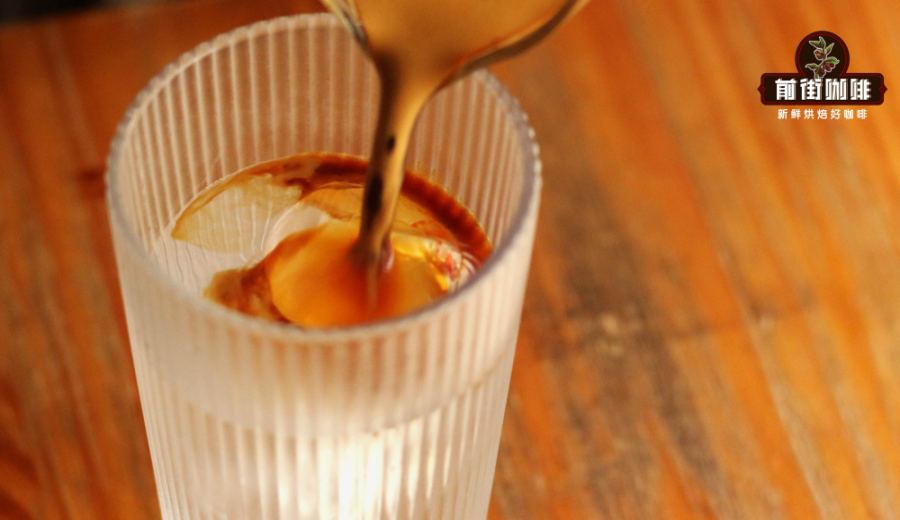
Introduction:Hot Americano is one of the most popular winter beverages, but do you know at what temperature it best showcases its flavors? This article delves into how different temperatures (from 60°C to 90°C) affect the aroma, taste, and bitterness of hot Americano, and compares the performance of dark roast and light roast beans. Mastering the optimal temperature range and understanding the flavor changes as it cools allows you to enjoy the essence of coffee with every sip.
Many coffee enthusiasts have their own preferences when it comes to drinking temperature—some prefer the warmth of a hot cup, while others seek the refreshing chill. However, the actual impact of temperature on coffee flavor is often overlooked. This article focuses on hot Americano, exploring how its aroma, sweetness, and bitterness change at various temperatures to help you find the sweet spot for your taste buds.
To conduct an in-depth study, we selected two distinctly different types of coffee beans: one is a dark-roasted espresso blend, and the other is a light-roasted single-origin bean that highlights fruity acidity. Keeping other variables constant, we brewed hot Americano at four different temperatures—60°C, 70°C, 80°C, and 90°C—and observed their performance differences in both hot and cooling states.
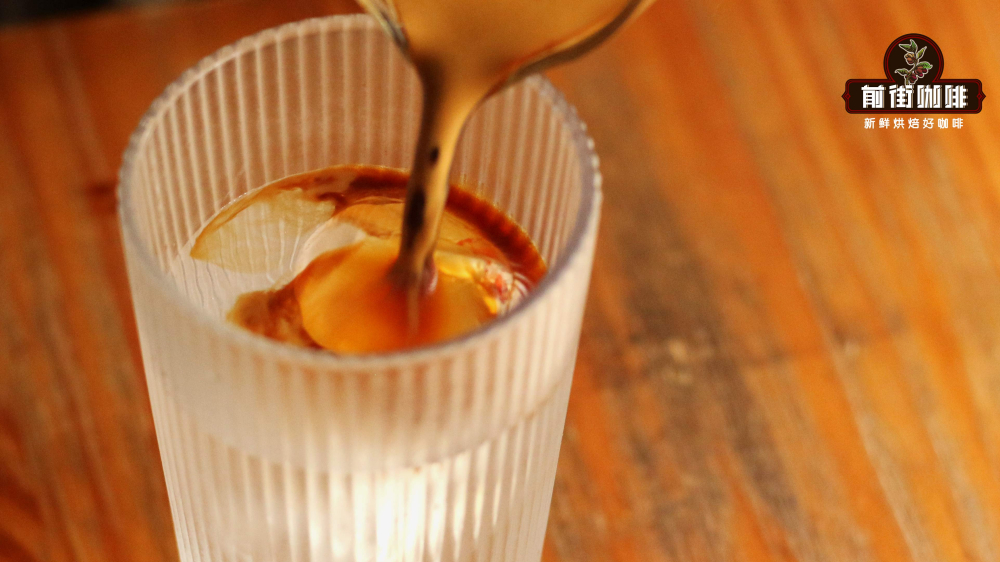
We began with the dark-roasted espresso blend. At 60°C and 70°C, the coffee retained sufficient heat for immediate enjoyment. Among them, the cup at 70°C performed exceptionally well—not only was the crema (coffee oils) more intact, but the aroma was also more pronounced. It delivered rich notes of cream, chocolate, and nuts, along with a clear caramel-cookie aftertaste and noticeable sweetness.
In contrast, the coffee at 80°C, being freshly brewed at a relatively high temperature, could easily scald the mouth, so it’s better to let it cool slightly before drinking. Interestingly, as the temperature naturally dropped, its aroma and sweetness gradually emerged, revealing a more complex and layered profile—a cup that rewards your patience.
The hot Americano at 90°C, being close to boiling point, not only required a longer wait before it could be consumed but also lost much of its aroma due to the high temperature. It tasted overly burnt and bitter, with a noticeably flatter profile, making it the weakest performer overall.
After letting these four cups sit indoors for about twenty minutes, the 60°C cup had quickly dropped below 45°C, with its aroma greatly diminished and bitterness taking over—thus, its “golden drinking window” was the shortest. The 90°C version, on the other hand, suffered from excessive initial heat, causing a significant loss of volatile aromatic compounds, resulting in a dull and monotonous taste.
Overall, based on the four temperature tests for the dark roast beans, the ranking of aroma and taste performance is: 70°C > 80°C > 60°C > 90°C.
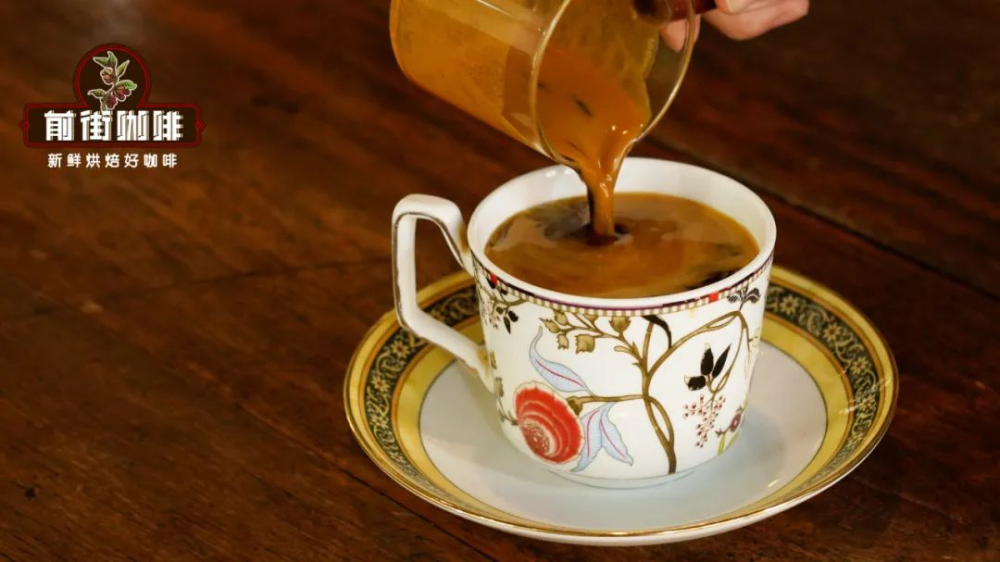
Next, we switched to the light-roasted single-origin bean and conducted the same temperature experiment. Surprisingly, the 80°C cup performed the best. As its temperature dropped to around 70°C, delicate floral notes and sweet flavors reminiscent of raisins were gradually released, delivering a smooth and layered mouthfeel.
However, the 90°C light-roast hot Americano also suffered from high heat suppressing its aroma, primarily expressing a sharp acidity, resulting in an overall thinner flavor. Meanwhile, the 60°C and 70°C cups, although free of off-flavors, had a faster cooling rate due to their lower starting temperatures, which shortened the ideal drinking window and made it harder to enjoy at its peak.
For the four temperatures tested with the light roast beans, the overall ranking of aroma and taste performance is: 80°C > 70°C > 60°C > 90°C.
Based on the above experiments, regardless of whether using dark roast or light roast beans,it is recommended that the serving temperature of hot Americano does not exceed 80°C. Excessively high temperatures not only risk burning the mouth but also temporarily dull the taste buds’ sensitivity to subtle flavors, preventing the true characteristics of the coffee from shining through. Moreover, coffee served at high temperatures requires a long wait to cool down, during which volatile aromatic molecules continue to dissipate, further affecting the overall flavor.
A special reminder: when coffee temperature drops close to body temperature (around 37°C), bitterness often becomes more pronounced. Therefore, controlling both the serving and drinking temperatures is crucial.
Additionally, many friends who frequently drink pour-over black coffee may have had similar experiences: coffee flavors vary greatly at different temperatures. To extend the optimal drinking period, it is recommended to use preheated cups when serving and to keep the hot Americano serving temperature withinthe mid-to-high range of 75–80°C. This way, even after a few minutes of resting, it will remain at a drinkable temperature, allowing you to enjoy the full flavor profile of the coffee from the first sip to the last.
The above content is compiled by CoffeeHunters, a coffee news website.


