







Introduction:Americano is not just a type of "black coffee." It carries cross-cultural stories from World War II and reflects the refined craftsmanship of espresso extraction. This article delves into the origins of Americano, the technological evolution of espresso machines, and from a professional perspective breaks down extraction parameters, the science behind crema formation, and flavor differences — helping you master the essence of making this classic drink and the key points of appreciation.
In Hong Kong dramas, the term "zha fei" (齋啡) refers to black coffee without sugar or milk. However, black coffee comes in various forms, with pour over and espresso-based Americano being the most common. The name "Americano" actually originates from the drinking habits of American soldiers stationed in Europe during World War II. The strong local espresso was too intense for them, so they began diluting it with hot water. This "watered-down" coffee, mockingly called "Americano" by Europeans, gradually evolved into the globally popular form of black coffee we know today.
The Historical Evolution of Espresso Machines
Dating back to the mid-1880s, the world’s first espresso machine was born and made its debut at the Turin International Exposition in Italy. However, although the machine was patented, it was not mass-produced. It wasn’t until 1901 that a designer in Milan successfully developed a technology suitable for commercial use. In 1905, La Pavoni officially launched the first mass-produced espresso machine, marking the birth of the modern espresso culture prototype.
By the 1930s, baristas in Milan made important improvements to the machine by adding a piston lever, which created the famous crema (cream) during extraction, significantly enhancing the aroma and layering of the coffee. In 1961, the E61 model introduced by Faema was hailed as the "father of the modern espresso machine." This semi-automatic machine not only simplified operation but also allowed more precise control over extraction pressure, water temperature, and time. It remains a classic in the industry to this day. The birth of the E61 also promoted the vigorous development of Italian-style coffee culture in Italy and around the world.
The Origin of the Name Americano and Its Basic Composition
The name Americano hides an interesting anecdote from wartime. According to records, during World War II, American soldiers stationed in Europe often found the locally preferred strong espresso hard to drink, so they chose to add hot water to dilute the concentrate. Though loved by the soldiers, this "diluted" coffee was mocked by Europeans, hence the name "Americano," which is what we now know as the familiar Americano.
From a production standpoint, the base of Americano is simply diluted espresso. While the process may seem simple, every step — from pressure and grind size to coffee-to-water ratio — affects the final flavor profile.
Key Extraction Parameters for Americano
To make an ideal Americano, one must start with the extraction of espresso. The following core parameters are crucial:
Pressure: The ideal extraction pressure is about 9 bar, which brings out the characteristic emulsification effect and delicate crema of espresso. If the pressure is too low (below 9 bar), there will be less crema and the aroma won't be as cohesive; if it exceeds 9 bar (e.g., 11–14 bar), it may lead to over-extraction, releasing too many undesirable compounds, making the coffee taste bitter and harsh.
Grind Size: Espresso requires an extremely fine grind, but if too fine it can cause over-extraction and bitterness, while too coarse leads to under-extraction and weak flavors.
Coffee Dose and Basket Capacity: The dose is usually adjusted according to the basket size used. For example, a common 20g basket typically uses 20g of coffee.
Coffee-to-Water Ratio: In practice, using 20g of coffee to extract 40g of espresso, then diluting it with a 1:6 ratio of water, results in a well-balanced Americano. This ratio retains the aroma of the espresso while reducing its intensity, making it suitable for most drinkers.
Crema: Crema is a brownish foam layer formed during extraction from carbon dioxide and tiny oil droplets, rich in volatile aromatic substances. Freshly roasted beans usually produce abundant crema, which dissipates over time. Therefore, observing the thickness and persistence of the crema is also one way to judge the freshness of the coffee.
Practical Extraction Steps and Equipment Parameters
Taking the Lelit V3 espresso machine as an example, its recommended extraction parameters are as follows:
- Pressure: 9 bar ± 2
- Water Temperature: 90.5–96°C
- Extraction Time: 20–30 seconds
- Coffee-to-Water Ratio: 1:1.7 to 1:2 (single shot with ~12g coffee yields 20ml, double shot with 20g yields 40ml)
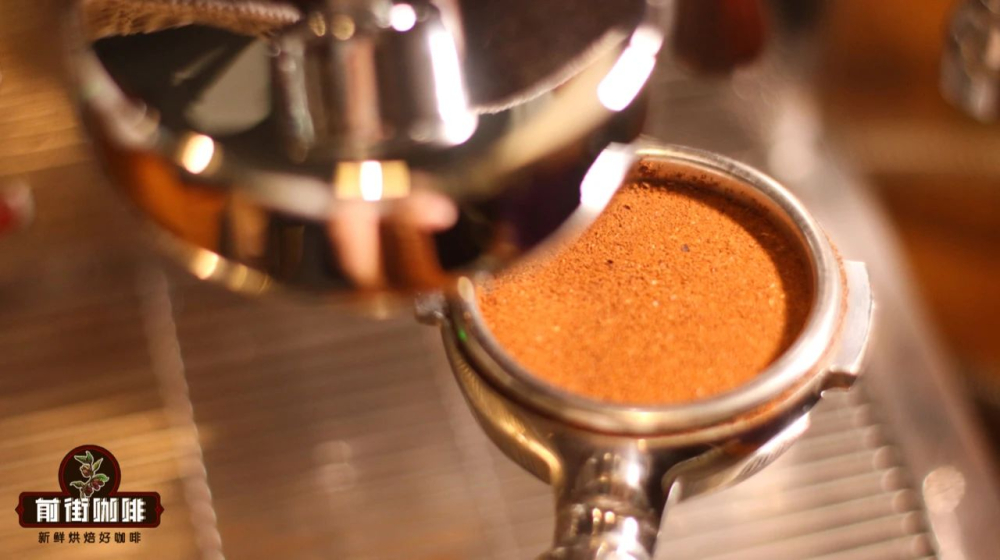
The actual operation process generally involves: filling the coffee grounds into the basket and leveling them, then tamping with moderate force (about 30 pounds) to ensure uniform puck density and vertical alignment in the basket to avoid channeling. Then lock the portafilter into the machine, start extraction, and time around 25–30 seconds to extract 40g of espresso. Finally, add hot water at a 1:6 ratioto complete a standard Americano.
Common mistakes include too light or too heavy tamping, unstable water temperature, stale coffee or incorrect grind size, all of which can lead to flavor imbalance.
Flavor Differences Between Espresso and Americano
Espresso typically has an intense and concentrated flavor, with acidic, sweet, bitter, and salty notes bursting forth instantly, which can be overwhelming for first-timers. Pairing it with a glass of water or stirring with a spoon can help distribute the flavors more evenly.
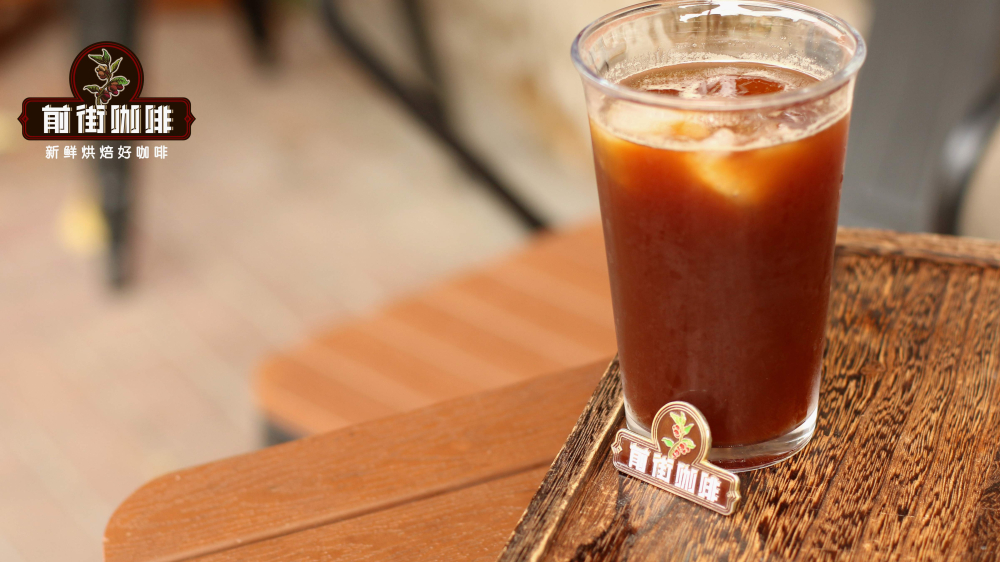
In comparison, Americano, due to the addition of water, not only has lower concentration but also a more relaxed flavor profile, where acidity and sweetness are easier to discern, making it more approachable for coffee beginners. For example, an Americano made with Sunflower Warm Sun Blend (70% Honduran Sherry + 30% Ethiopian Natural Red Cherry) often features bright berry-like acidity, subtle wine notes, and a soft chocolate aftertaste, ideal for savoring slowly.
In summary, Americano is not just "espresso with water added." It encompasses a comprehensive knowledge system covering espresso machine technology, extraction science, and flavor adjustment. Mastering these elements allows for a deeper appreciation of the charm of this classic black coffee, whether brewing at home or enjoying it in a café.
The above content is compiled by CoffeeHunters, a coffee news website.


