







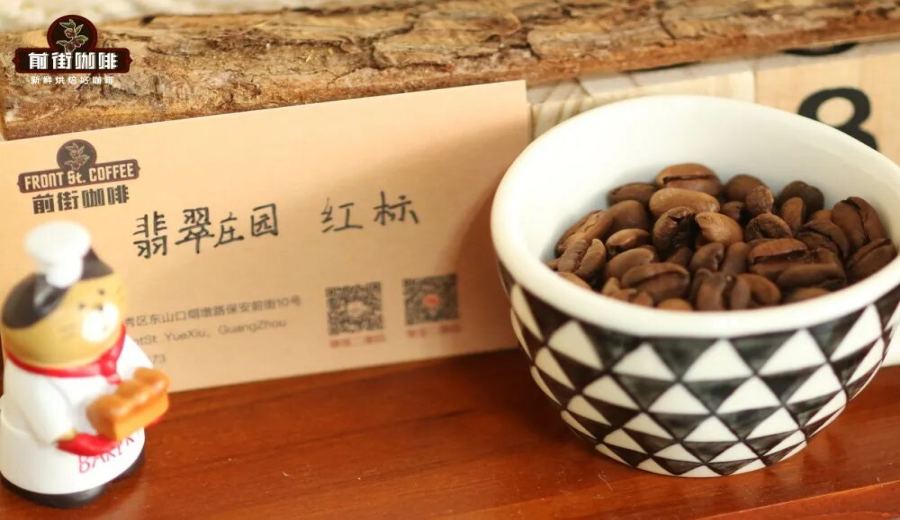
Introduction:Geisha coffee is renowned for its distinctive floral and fruity aromas and high price, yet many people still have only a vague understanding of its background, regional characteristics, and actual flavor profile. This article delves into the origins of the Geisha variety, the differences between major producing regions such as Panama’s Hacienda La Esmeralda and Ethiopia’s Gesha Village, and provides insights on flavor characteristics across different grades, price ranges, and practical brewing parameters to help coffee enthusiasts fully understand this premium coffee bean.
The reason why Geisha (Geisha or Gesha) coffee commands such high prices is inseparable from its unique floral and fruity character. Many drinkers say that drinking Geisha doesn’t feel like having regular coffee but more like savoring an exquisite floral and fruit tea. This flavor profile is closely related to the altitude, climate, and microclimate of where it is grown. Even within the same variety, Geisha from different regions can exhibit completely distinct flavor profiles.
Geisha (Geisha / Gesha) is a coffee variety that originally comes from the Gesha forest in Ethiopia, but for a long time, it was overlooked and even used as windbreak trees. It wasn’t until it was introduced to Panama and cultivated under specific high-altitude and foggy microclimatic conditions that it began to display remarkable floral and fruity aromas along with bright acidity, gradually making its mark in international coffee competitions and becoming a star variety in the specialty coffee world.
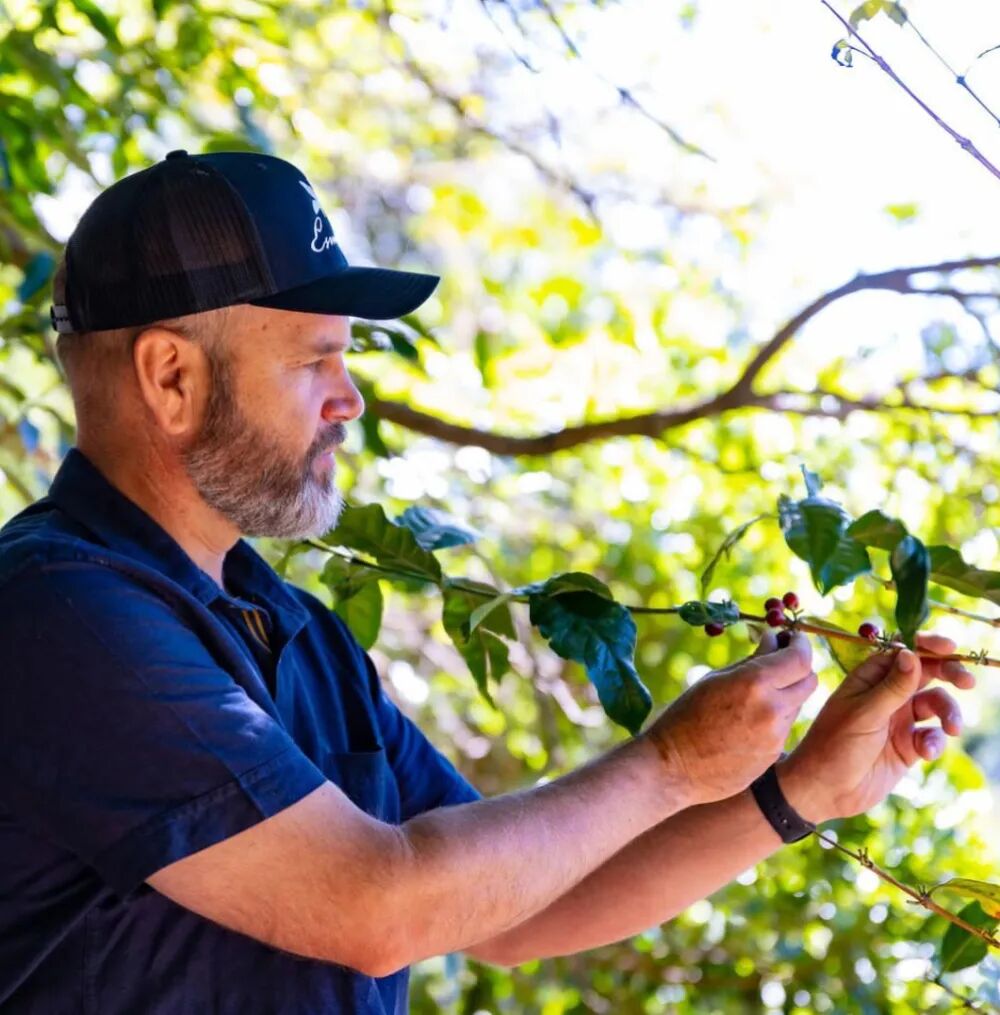
The Geisha variety is extremely particular about its growing environment, favoring high altitudes, cloudy conditions, adequate shade, and fertile soil. For this reason, Panamanian Geisha can showcase highly recognizable complex flavors such as citrus, jasmine, tea leaves, and tropical fruits, which differ greatly from the rich and bold flavors typical of traditional coffees like Blue Mountain.
Interestingly, although Panamanian Geisha originates from Ethiopia, after years of adaptation and selective breeding, it has developed noticeable differences from the original Geisha coffee. In particular, the Gesha Village in Ethiopia and Hacienda La Esmeralda in Panama both produce coffee labeled as “Geisha,” but in reality, they vary significantly in varietal genetics and flavor expression.
Gesha Village Coffee Estate was established in 2009 by documentary filmmaker Adam Overton and photographer Rachel Samuel. Originally, they were filming a coffee documentary for the Ethiopian government when they discovered the coffee potential in the Bench-Maji zone, which led to the creation of this large-scale coffee estate spanning nearly 500 hectares, complete with its own wet mill and laboratory. In 2017, the estate held its first international auction, launching several micro-lot Geishas that garnered significant market attention.
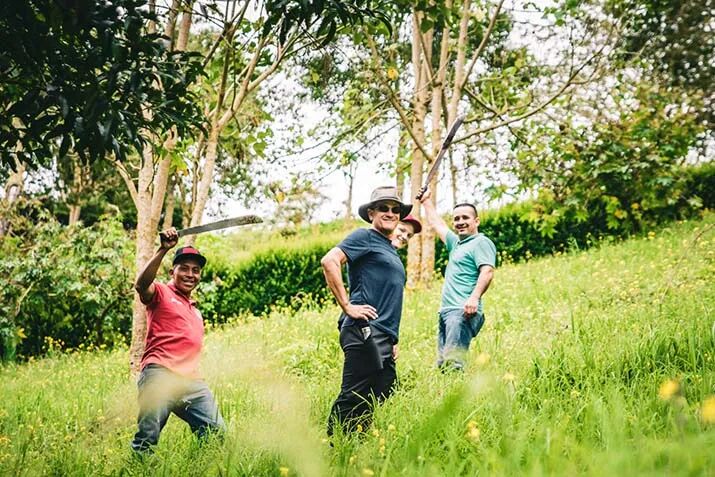
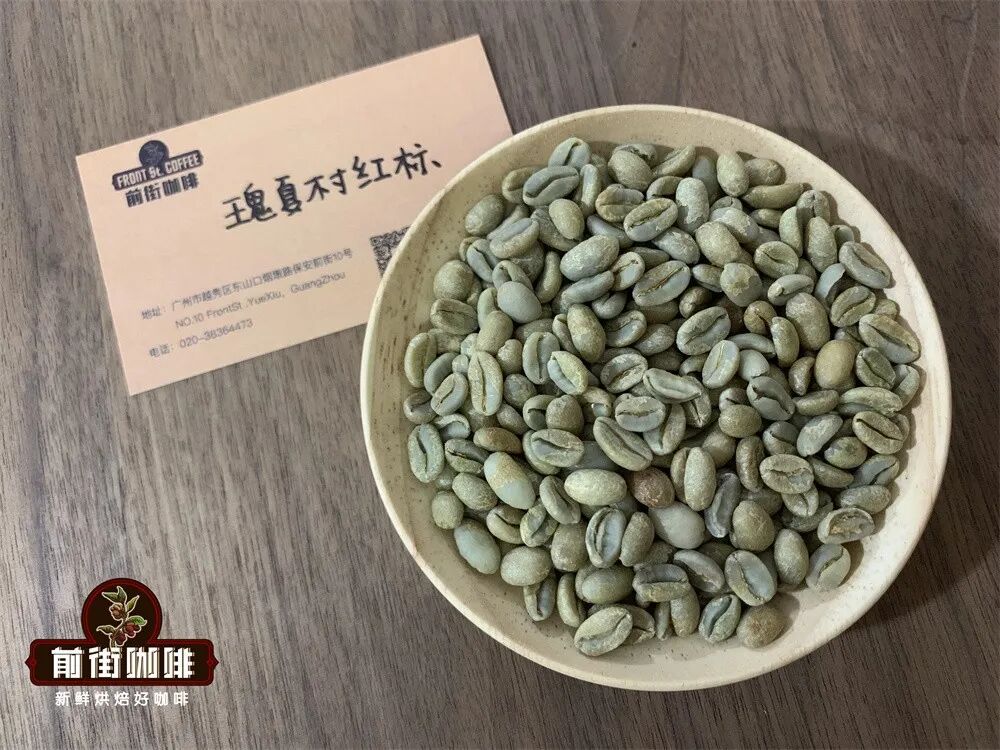
Geisha Village’s Geisha coffee has achieved numerous accolades in international competitions. For instance, in 2017, Hong Kong-based competitor Zhao Jiabao won third place in the World Barista Championship using beans from Gesha Village, and Japanese competitor Ishiya Takayuki also claimed the Japan Barista Championship (JBC) title with it. These achievements have earned the estate’s offerings high praise among professional baristas.
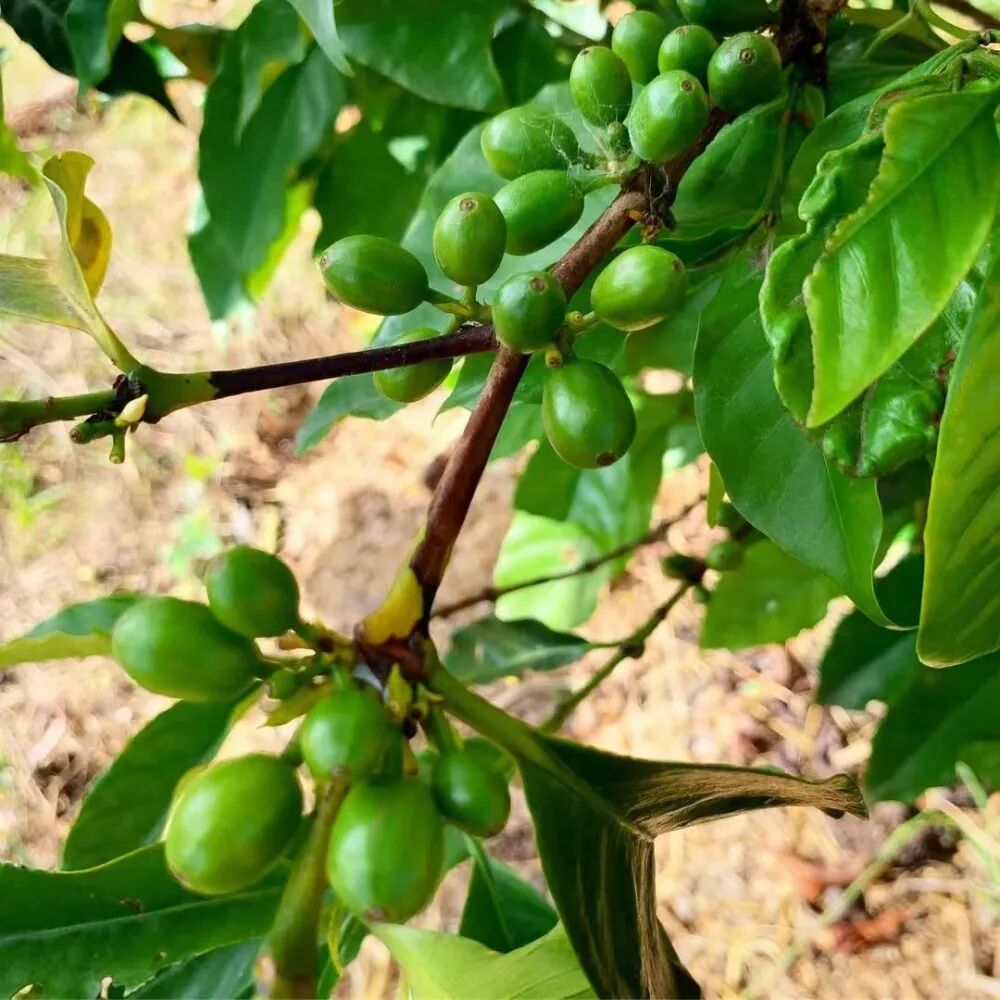
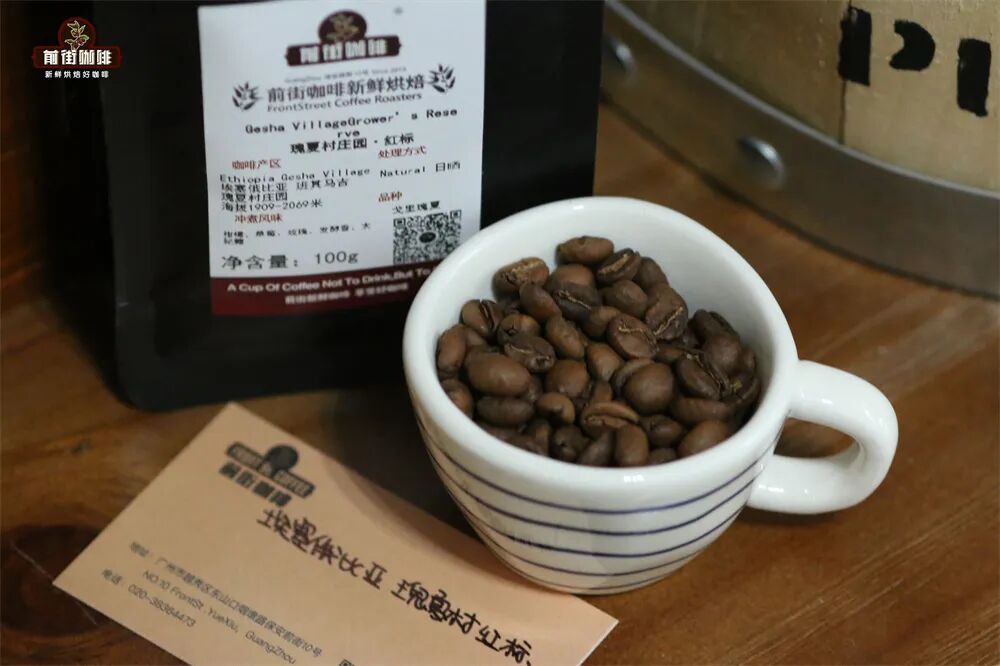
Currently, Gesha Village in Ethiopia primarily cultivates three Geisha lineages: Gori Gesha (GG), Illubabor Forest 1974 (IF), and Gesha 1931 (G31). Among them, Gori Gesha originates from the local primeval forest and is the variety used in Gesha Village’s Red Label coffee. It is processed using the natural method and features a flavor profile rich in native characteristics. Although Gesha 1931 may resemble Panamanian Geisha in appearance and flavor, its genetic similarity is not high, meaning the Geisha coffee produced in the two regions actually belongs to different flavor lineages.
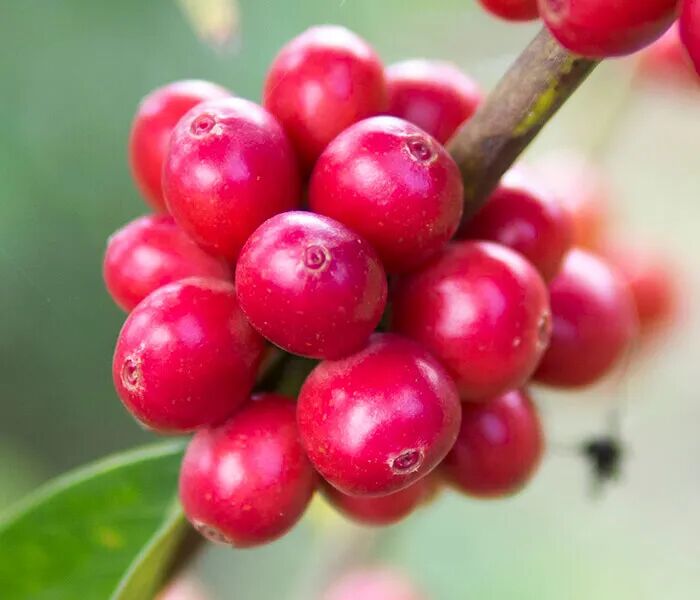
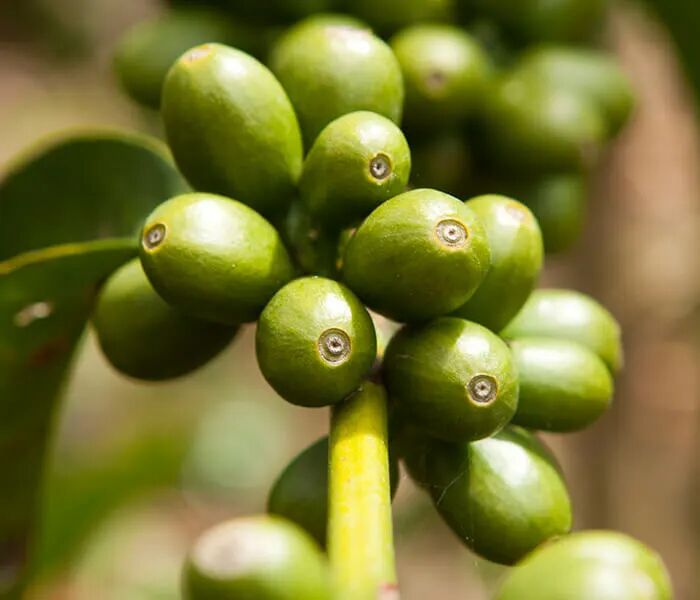
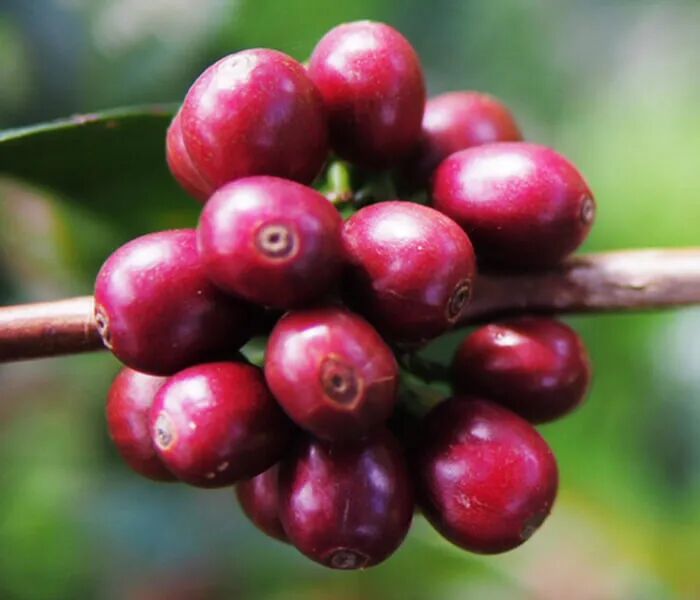
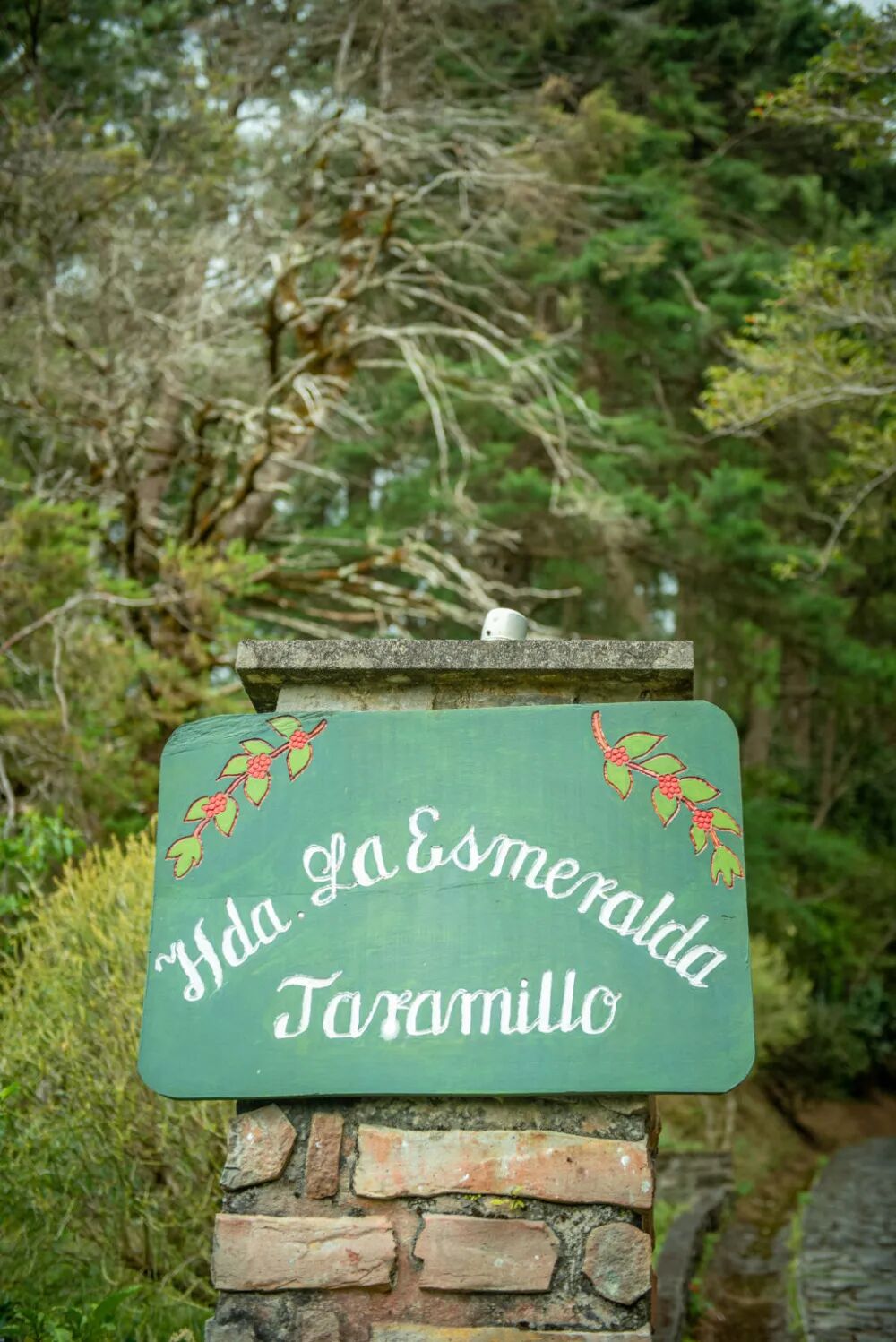
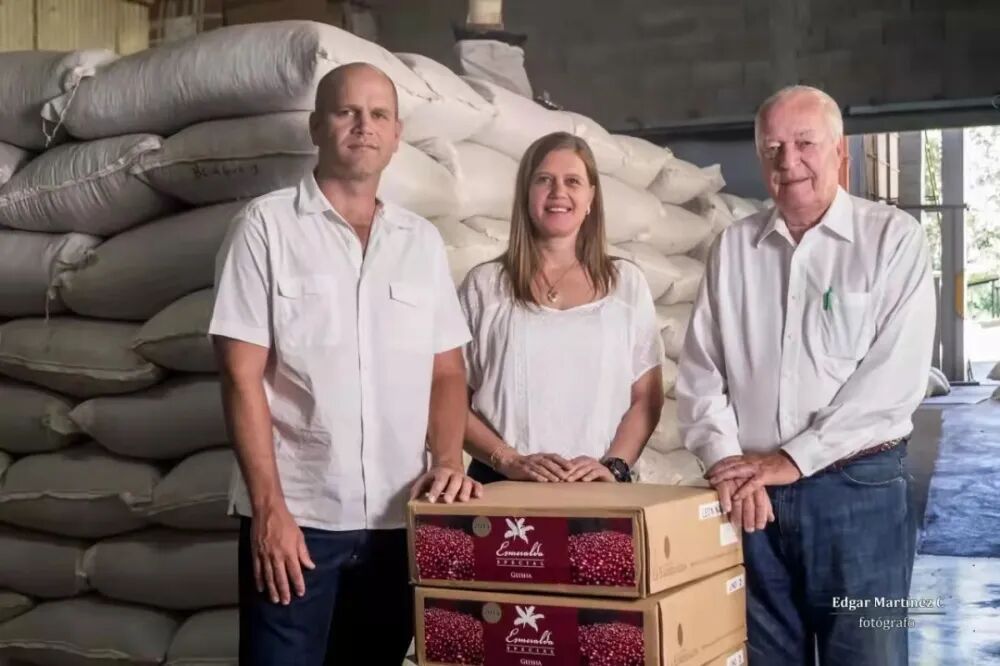
As for Hacienda La Esmeralda Estate, the rise to fame of its Geisha coffee began in 2003. At that time, the estate isolated a group of coffee trees that were distinctly different from others, and the following year, it won the championship at the Best of Panama (BOP) competition, instantly gaining widespread fame. This variety can be traced back to its discovery in Ethiopia in 1931 and was subsequently introduced to various countries before finding its most suitable stage in Panama’s high-altitude, foggy environment.
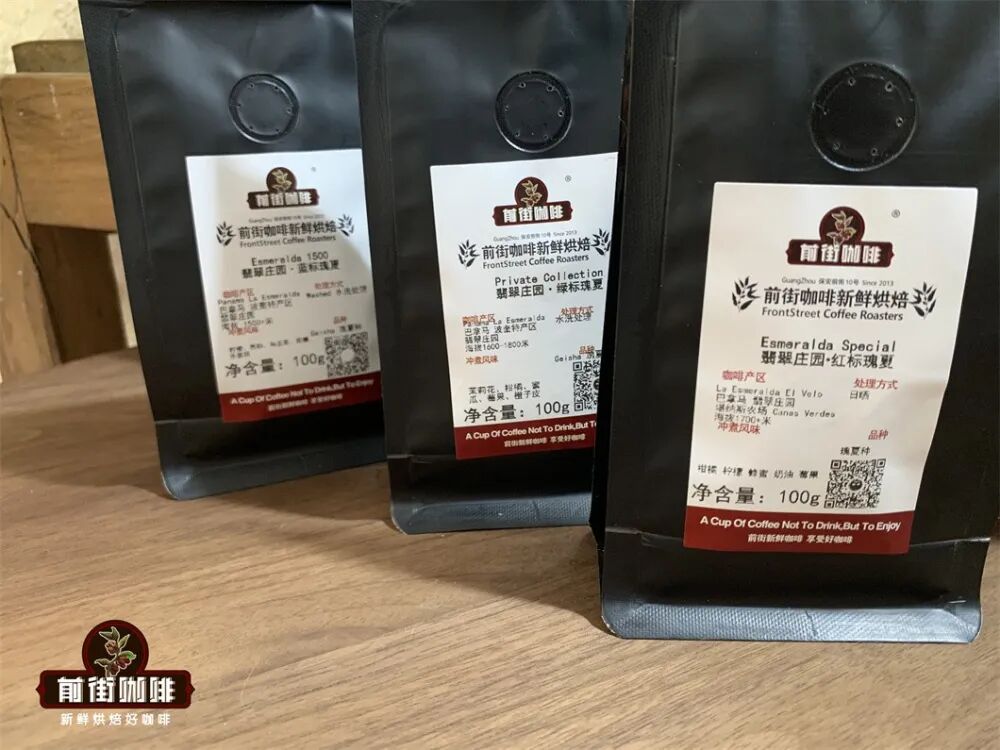
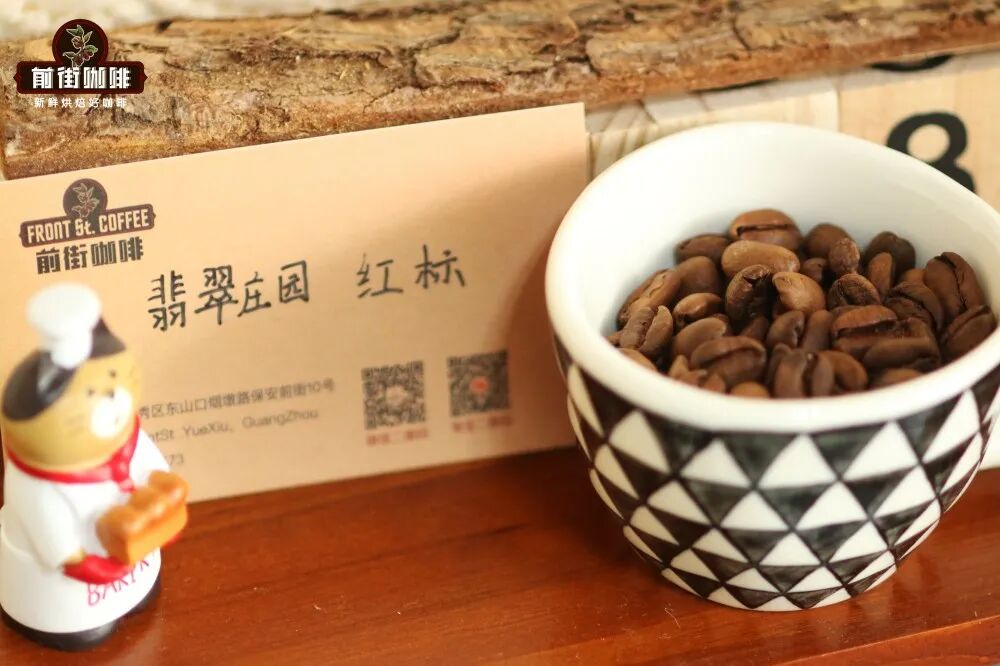
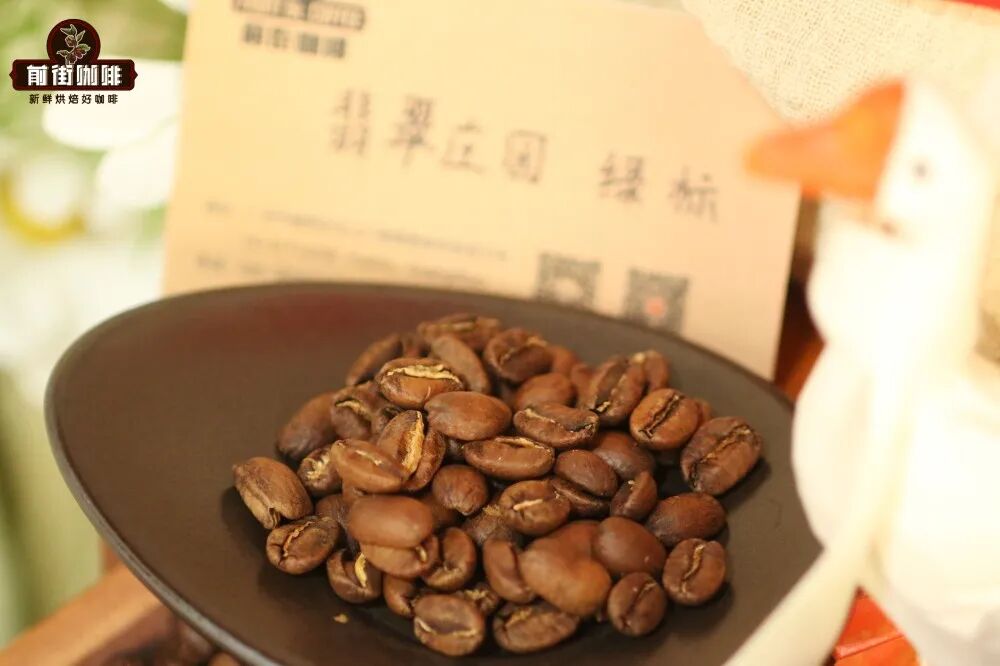
Hacienda La Esmeralda’s Geisha is divided into three grades based on altitude, processing method, and production area: Red Label, Green Label, and Blue Label (changed to Black Label starting in 2021). The Red Label uses the natural processing method and comes from high-altitude core areas such as Jaramillo and Canas Verdes. Its cupping scores often exceed 90 points, and it is known for its pronounced aromas of rose, berries, and citrus. The Green Label is a blend of Geisha from multiple areas, available in both washed and natural processes—the former offers a refreshing citrus note, while the latter is richer and juicier. The Blue Label (or Black Label) was previously washed, and in 2020, a natural version was added. It comes from slightly lower altitudes but still delivers solid performance.
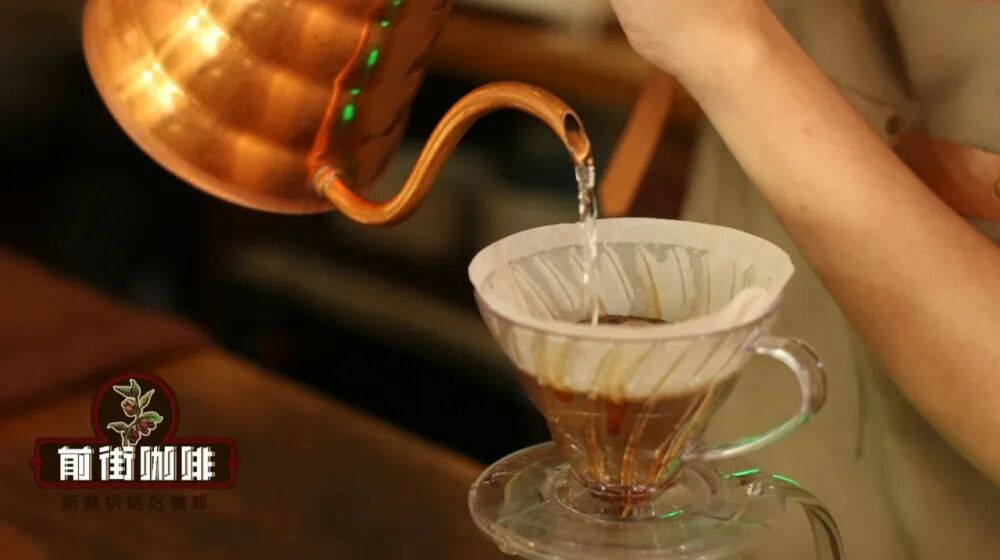
In terms of brewing recommendations, you can use a V60 dripper, with water temperature controlled around 90°C, and a coffee-to-water ratio of 1:15. The grind size is approximately equivalent to 80% passing through a Chinese No. 20 standard sieve. Start with a bloom using twice the amount of coffee’s weight in water (about 30 grams) for 30 seconds to release CO₂, then pour in a circular motion with a small stream of water up to 125 grams, followed by another pour to reach 225 grams, then stop. The total extraction time is around 2 minutes. These parameters help fully highlight the delicate floral, fruity, and sweet-sour layers of Geisha.
Overall, the Red Label Geisha from Gesha Village exhibits citrus acidity and the richness of stone fruits at high temperatures, transitioning to aftertastes of yellow peach, cream, and subtle dark cocoa as it cools. The Red Label from Hacienda La Esmeralda stands out with aromas of rose, citrus, berries, and honey, offering a rich, layered profile with prominent sweetness. The Green Label combines floral notes with a juicy citrus sensation, delivering a fresh taste and a long-lasting aftertaste, making it ideal for those who prefer a brighter flavor profile.
The above content is compiled by CoffeeHunters, a coffee news website.

