







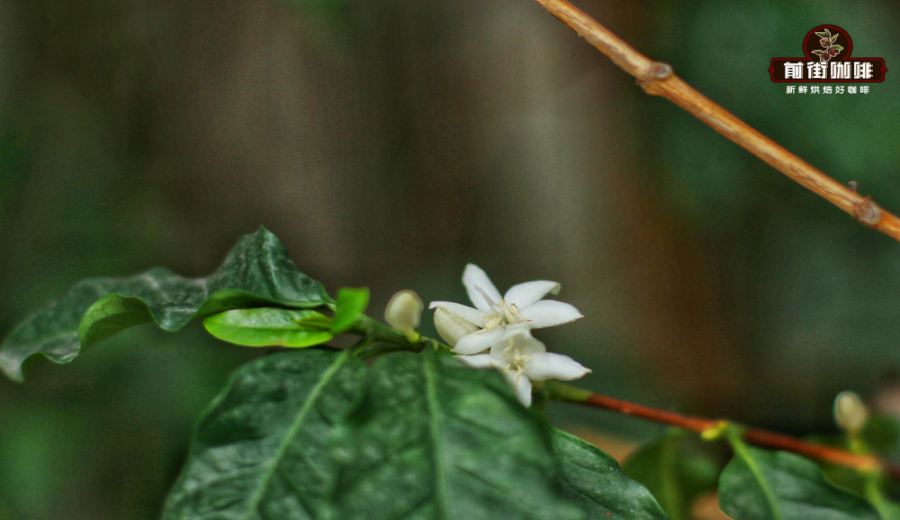
Introduction:As one of the oldest Arabica varieties in the world, Bourbon is not only the genetic foundation of many modern cultivars but has also given rise to diverse mutations across Central and South America. This article delves into the origins of the Bourbon family, its development in Brazil, as well as the unique flavor profiles of its red, yellow, and pink variants. Practical pour over parameters and tasting notes are also provided to help coffee enthusiasts gain a more comprehensive understanding of this classic coffee lineage.
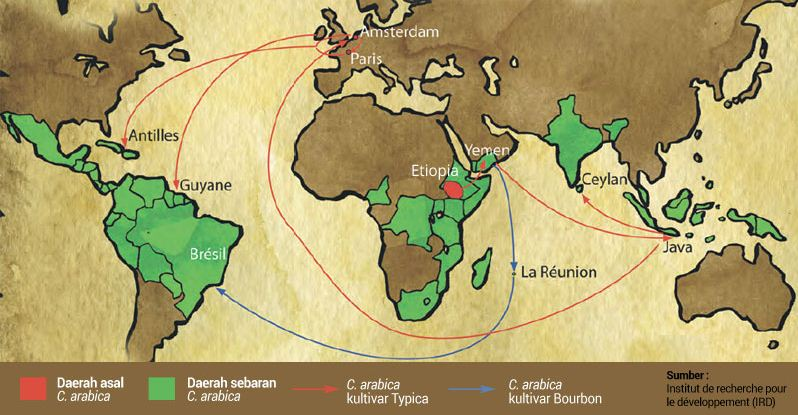
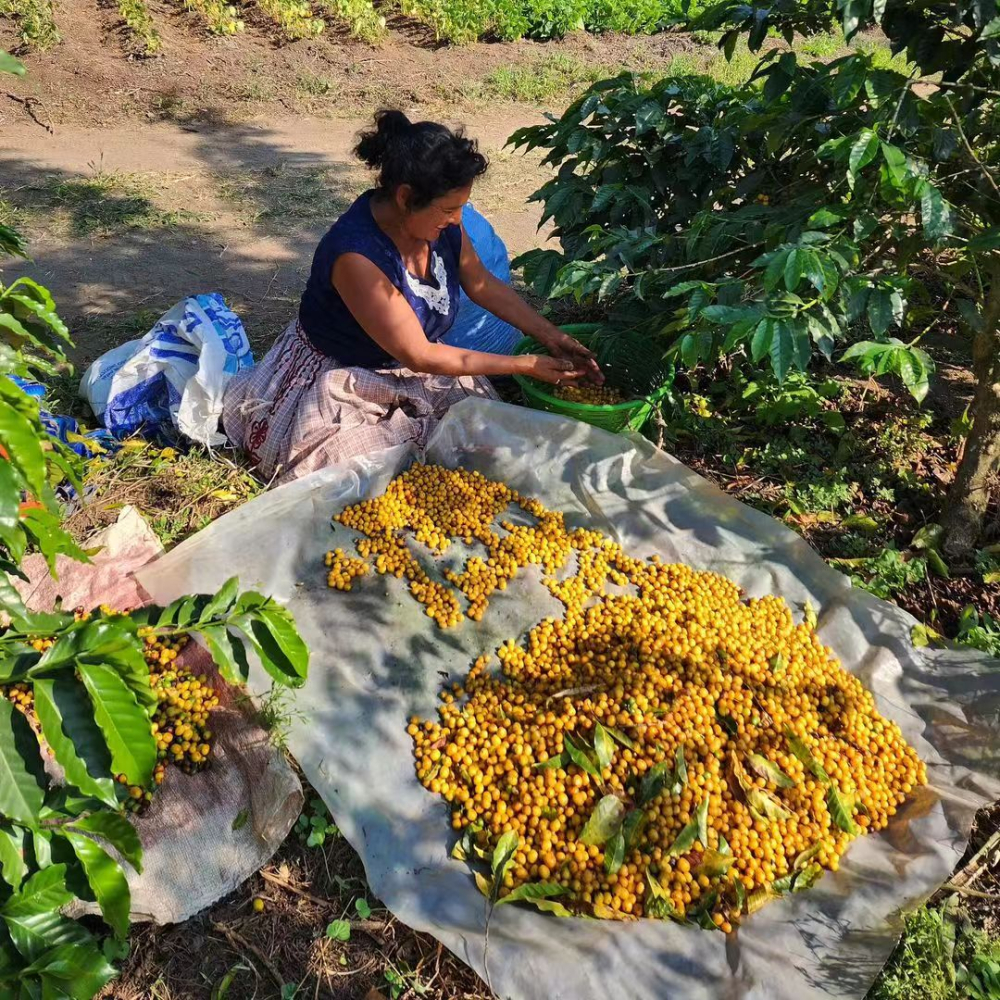
Bourbon coffee is one of the oldest and most widely appreciated Arabica varieties today. In addition to its inherently excellent flavor potential, it serves as the genetic origin of numerous modern cultivated varieties. The variety originally comes from the eastern coast of Africa in Yemen and was later introduced to the Bourbon Island in the Indian Ocean (now Réunion Island), from which it derives its name. However, Bourbon Island is not its place of origin but rather the area where it was transplanted and began to thrive stably. Through prolonged cultivation and natural mutation, Bourbon gradually diverged into various types with different fruit colors and agronomic traits, such as Red Bourbon, Yellow Bourbon, and Pink Bourbon—these mutations are typically distinguished by the color of the fruit at maturity.
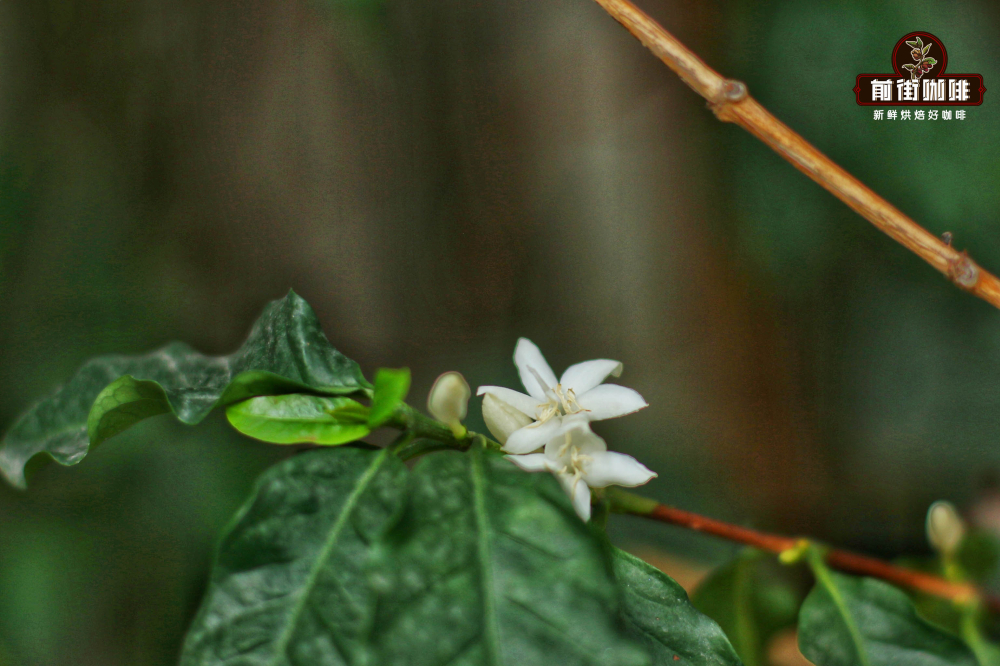
In the history of coffee cultivation, Bourbon and Typica are regarded as two foundational varieties, both for their long histories and their richly layered flavors that have garnered widespread acclaim. Particularly in Brazil, the introduction of the Bourbon variety marked a milestone for the local coffee industry. In the late 1860s, due to the poor yield and high susceptibility to disease of the previously dominant Typica, Brazil began importing Round Bourbon (Bourbon Round) from Bourbon Island. This importation not only increased yield per unit but also laid the groundwork for Brazil’s eventual rise as the world’s largest coffee exporter. Subsequently, the Bourbon variety gradually spread to neighboring Central and South American countries, becoming one of the major cultivated lineages in many regions.
In adapting to new climatic and soil conditions, Bourbon evolved into numerous mutations across Central and South America. Examples include Yellow Bourbon, Pink Bourbon, Caturra, and Pacas, all of which are descendants of Bourbon. These varieties often exhibit distinctly different cupping profiles due to differences in altitude, microclimate, and cultivation management practices. Among them, Red Bourbon is the most common type, noted for its sweet fruity aromas and bright acidity—especially when grown at high altitudes, it often displays wine-like complexity. In contrast, Yellow Bourbon is relatively rarer due to its lower yield and the distinctive orange-yellow hue of its ripe fruit, and its flavor profile often features prominent sweet notes and a rich chocolatey undertone.
Of particular interest is the Bourbon produced in Brazil’s Cerrado Mineiro region. Known for its stable climate and mineral-rich soils, the region is highly suitable for growing varieties like Bourbon that require ample sunlight and good drainage. In Cerrado, many growers choose to plant Red and Yellow Bourbons at high altitudes to achieve superior flavor expression. Generally speaking,for every 100-meter increase in altitude, acidity becomes sharper and sugar accumulation more abundant, which significantly impacts the final brewed coffee’s flavor profile.
Beyond Brazil, the southern region of Tanzania also has a tradition of cultivating Bourbon, often alongside Typica, Kent, and other varieties. Local producers commonly employ the washed processing method, which highlights the clean acidity and distinct floral-fruit notes inherent in Bourbon. Cupping records show that Tanzanian Bourbon roasted to medium-light levels often exhibits delicate floral notes, berry-like acidity, and a finish of nuts and caramel sweetness. Its acidity is soft yet layered, once earning it the nickname “the gentleman of coffees,” underscoring its elegant and balanced flavor.
Yellow Bourbon is relatively rare in Brazil, but when grown in suitable high-altitude environments, it can exhibit highly distinctive flavor characteristics. Among them, the Yellow Bourbon produced by Fazenda Rainha (Queen Estate) in Brazil is one of the few market offerings that showcases the potential of this variety. After careful processing and moderate roasting, these beans present intense nutty aromas, dark chocolate notes, and a clear, bright acidity, with a refreshing yet layered mouthfeel—one of the items frequently recommended by professional cuppers.
Pink Bourbon is a rather special member of the Bourbon family, resulting from the natural crossbreeding of Yellow and Red Bourbons. Its fruit turns a faint pink hue upon ripening, hence the name. This variety was first discovered in Palestine, Huila Province, Colombia, and has since become one of the region’s signature varieties. The Huila region is known for its high altitudes, varied microclimates, and refined processing techniques. The Pink Bourbon produced there often boasts rich floral notes, blueberry and citrus acidity, along with a balanced sweetness structure. It is recommended to usemedium-light roastingand a grind size of70%-75% passing through a #20 sieve,11.1 grams of coffee, and 94°C water temperaturefor brewing, in order to fully express its unique fruity aroma and sweet undertones.
In actual cupping sessions, Pink Bourbon often emits a fresh floral dry fragrance and a fruity aroma reminiscent of blueberries in the wet aroma. The brewed cup presents a clear flavor profile: the front features gentle fruit acids and floral notes, the middle gradually reveals a composite of cherry and berry flavors, and the finish ends on a warm, brown-sugar-like sweetness. The overall performance is quite balanced and layered. This variety is well-suited for coffee lovers who enjoy fruity profiles and bright acidity, and it is also a seasonal specialty selection at many specialty cafés.
The above content is compiled by CoffeeHunters, a coffee news website.


