







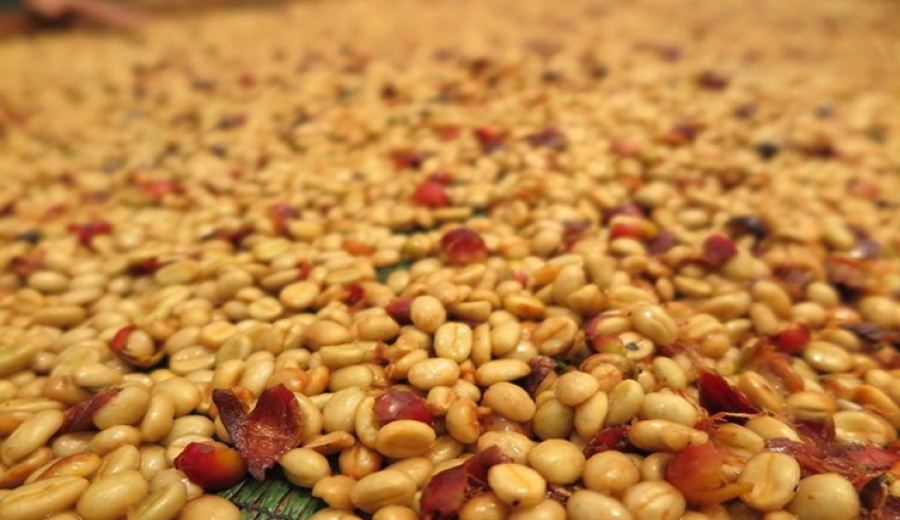
Introduction:Explore the top-tier Geisha washed beans from Costa Rica’s Tarrazú high-altitude region, delving into its unique honey processing method, varietal blend, and complex flavor profile. This article provides a detailed walkthrough from green bean characteristics and processing methods to the optimal pour over brewing technique, helping coffee enthusiasts master the brewing essentials of this specialty bean for a richer taste experience.
Costa Rica, a country located in the Central American isthmus, is world-renowned for producing high-quality coffee, particularly its honey processing method which is highly acclaimed. Among its many producing regions, Tarrazú stands out with its exceptional geographical conditions, nurturing many impressive coffee beans. Among them, the Mirasol Geisha blend washed beans from this region, with their refined processing techniques and diverse varietal combination, showcase an exceptionally layered flavor profile.
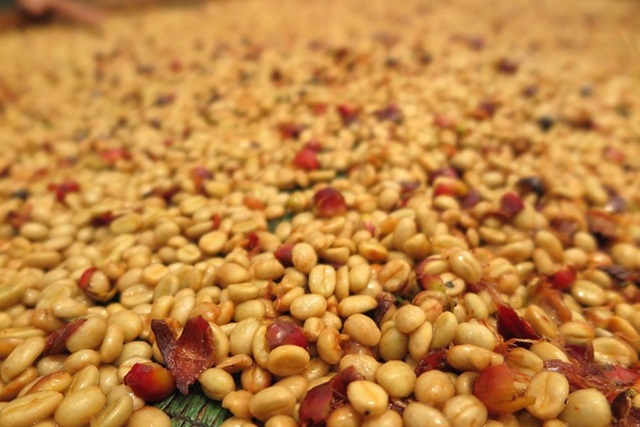
The Tarrazú region is situated in the high-altitude mountains of Costa Rica, not only enjoying a cool climate but also benefiting from mineral-rich, slightly acidic soil. Coffee trees in this area are mostly grown under natural shade, which helps slow down fruit ripening and accumulate more complex flavor compounds. Over ninety-five percent of the coffee produced in the region is classified as Strictly Hard Bean (SHB), indicating that its dense bean structure maintains excellent quality at high altitudes, yielding pronounced citrus acidity, rich sweetness, and a chocolatey finish.
This specially selected washed Geisha blend takes the Geisha variety as its core, accounting for fifty percent, with the remainder blended from well-known varieties such as ET47, SL28, and MAICO. The Geisha variety is renowned for its distinctive jasmine and tea-like aromatic qualities, while the supporting varieties add more berry and fruity notes to the overall flavor. Coupled with a specially crafted raisin honey process, it further enhances sweetness and complexity.
The so-called raisin honey process involves first drying freshly harvested ripe coffee cherries until they are slightly shriveled, then removing the outer skin and pulp while deliberately retaining the intact mucilage layer, followed by slow drying. This method not only preserves more of the original fruit sugars but also imparts a richer, viscous mouthfeel and long-lasting aroma. Practical experience shows that coffee processed this way outperforms regular honey-processed coffee in both sweetness expression and flavor longevity.
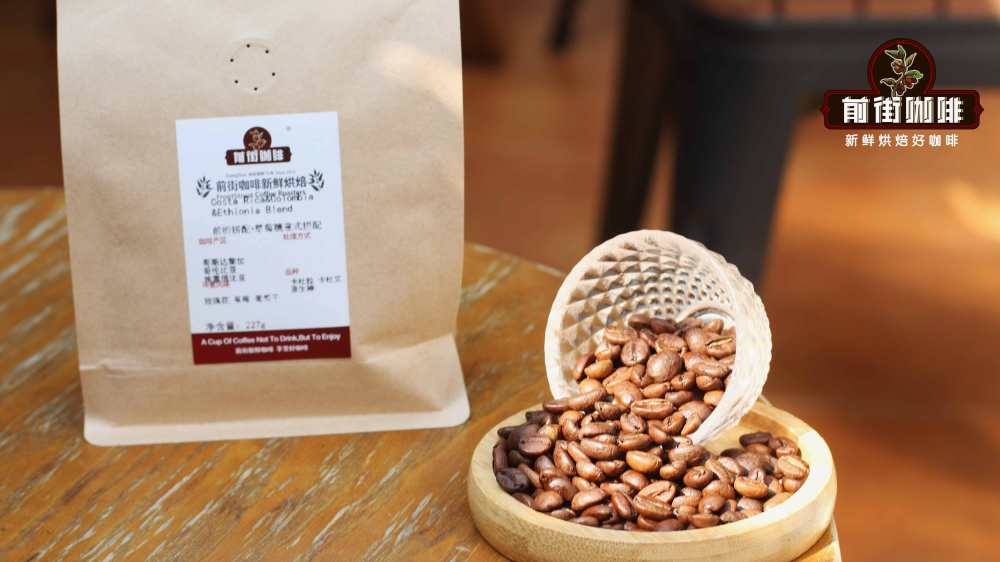
During the roasting phase, the roaster opted for a medium roast profile for this blend, aiming to balance the characteristics of each variety while highlighting the fruity and floral notes brought by the honey process. However, actual testing revealed that the roasted beans still leaned slightly toward a lighter roast, so it is recommended to use a slightly higher water temperature and finer grind size to fully unlock their potential flavors.
For pour over brewing, it is recommended to use the Hario V60 filter cone due to its faster flow rate, which can effectively prevent over-extraction under high water temperatures. Employing a three-stage pouring technique not only aids in even extraction but also further enhances the layered complexity of the flavors. Specific parameters are suggested as follows:
Filter cone:Hario V60
Water temperature:93°C
Coffee dose:15 grams
Coffee-to-water ratio:1:15
Grind size:80% passing through a Chinese Standard No. 20 sieve
Regarding the brewing steps: first, pour 30 grams of hot water for a 30-second bloom to activate the release of aromatic compounds from the coffee grounds; then slowly pour with a steady, small stream in circular motions until the total water volume reaches 125 grams; once the water level in the filter cone drops close to the bottom, pour again in the same manner until the total reaches 225 grams. Finally, allow all the water to completely drip through the cone, with the total extraction time controlled to around two minutes for optimal flavor balance.
The above content is compiled by CoffeeHunters, a coffee news website.


