








Introduction:Want to experience a unique coffee flavor? Cold brew coffee is extracted through prolonged steeping in cold water, resulting in a sweeter, smoother taste with significantly reduced bitterness—making it especially ideal for summer. This article will delve into the history of cold brew coffee, its four core characteristics, and provide a complete guide to making cold brew at home, including recommended parameters to help you easily brew clear and captivating cold drip coffee.
On hot summer days, we often crave something refreshing to beat the heat. For coffee lovers, aside from iced hot coffee, there's a more special option—cold brew coffee. This brewing method involves steeping coffee grounds in cold water for an extended period before filtering, yielding a gentler taste while showcasing unique sweetness and delicate aromas. At times, you might even detect subtle fermentation notes reminiscent of wine.
The history of cold brew coffee dates back to the 18th century, reportedly invented by Dutch merchants to address the challenge of preserving coffee during long sea voyages. They discovered that steeping coffee grounds in cold water not only extended shelf life but also unexpectedly produced a smoother and sweeter coffee liquid—what later became known as "Dutch coffee." Over time, this technique spread to Japan, where refined cold drip systems were developed, and later, with the third wave of coffee, it reached Europe and America, gradually gaining global popularity among coffee enthusiasts.

So, what exactly is cold brew coffee? Simply put, it’s a brewing method where coffee grounds are mixed with cold water at a certain ratio and left to steep in a low-temperature environment (like a refrigerator) for several hours. Compared to traditional hot-water extraction, the cold brew process is slower, which effectively reduces the release of tannins and acidic compounds—resulting in a rounder, sweeter drinking experience. Additionally, since it’s not extracted with high heat, the bitterness is greatly minimized, making it smoother and often accompanied by subtle fruity or floral notes.
Cold brew coffee can be considered part of the Dutch coffee technique, which also includes cold drip coffee. These methods primarily use cold water to slowly permeate coffee grounds for extended extraction. Legend has it that this approach originated in the early 18th century when Dutch merchants traded in Batavia (now Jakarta), Indonesia. To keep coffee fresh and flavorful during long voyages, they tried steeping coffee in cold water—and unexpectedly found that the resulting coffee was not only well-preserved but also surprisingly sweet and smooth.
Along the trade routes of Dutch merchants, this brewing technique made its way to Japan, where it flourished within Japanese coffee culture. Japanese baristas designed intricate three-vessel cold drip systems, further enhancing the stability and flavor expression of cold drip coffee. Later, driven by the third wave of coffee, these techniques spread from Japan to the world, sparking a cold brew craze especially in Europe and America. Interestingly, centuries later, this originally Dutch method has been rediscovered and re-explored by modern Dutch coffee enthusiasts.
The popularity of cold brew coffee stems mainly from its four key characteristics. First, due to low-temperature, long-duration extraction, the sweetness in coffee is more easily brought out—sometimes even producing a rich, wine-like aroma. Second, without high heat involved, many compounds that cause bitterness are less likely to be released, resulting in significantly lower overall bitterness and astringency, and a smoother mouthfeel. Third, because it’s not processed with high heat, the molecular structure of cold brew coffee is relatively stable—it can be refrigerated for weeks, and over time, its flavor profile may even evolve. Lastly, it’s worth noting that due to longer contact time between coffee grounds and water, cold brew typically has a higher caffeine content—so those sensitive to caffeine should consume it mindfully.
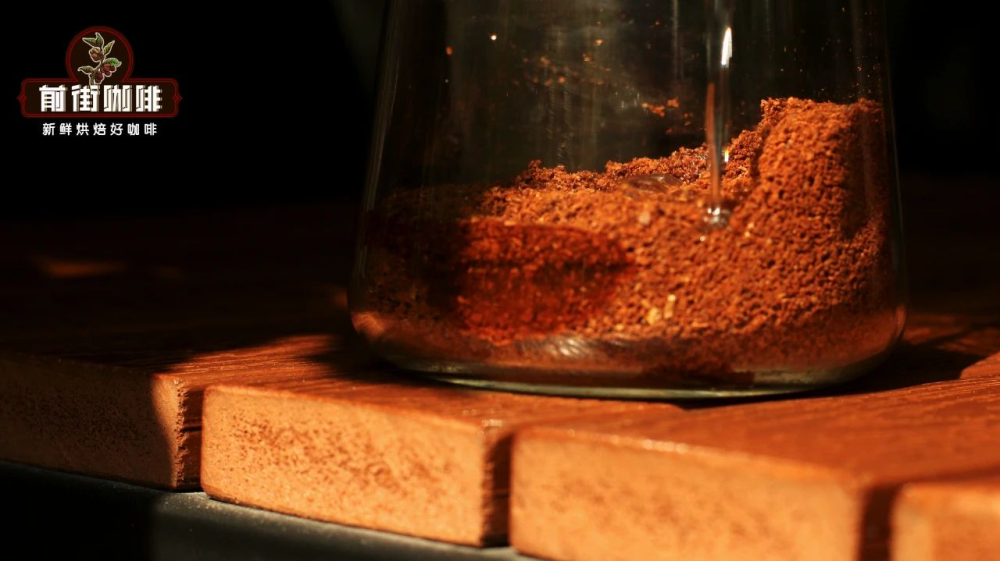
Making cold brew coffee at home is actually quite simple. Here’s a set of practical tips and parameters: First, choose medium-fine ground coffee. It’s recommended to grind about 80 grams of coffee beans, with a grind size similar to the 9th setting on an Ek43 grinder, or roughly equivalent to 85% of a No. 20 sieve—about the coarseness of granulated sugar. Next, use a 1:10 coffee-to-water ratio—that is, 80 grams of coffee grounds to 800 milliliters of room-temperature water. Place the coffee grounds in a sealable container, add room-temperature water, and stir gently to ensure even saturation. Then seal and refrigerate, with a recommended steeping time of 12 hours. After steeping, filter out the coffee grounds using paper or cloth filters to enjoy clear, sweet cold brew. If it’s too strong, adjust the strength by adding ice cubes.
The cold brew coffee extracted by the above method typically boasts clear fruit aromas, such as orange, grape, and berry, and in some cases, even delicate floral notes like lavender. The flavor is refreshing upon tasting, with balanced acidity and sweetness—served over ice, it feels even more invigorating, like sipping a low-temperature-brewed fruit wine, with a long-lasting and memorable aftertaste.

The above content is compiled by CoffeeHunters, a coffee news website.


