







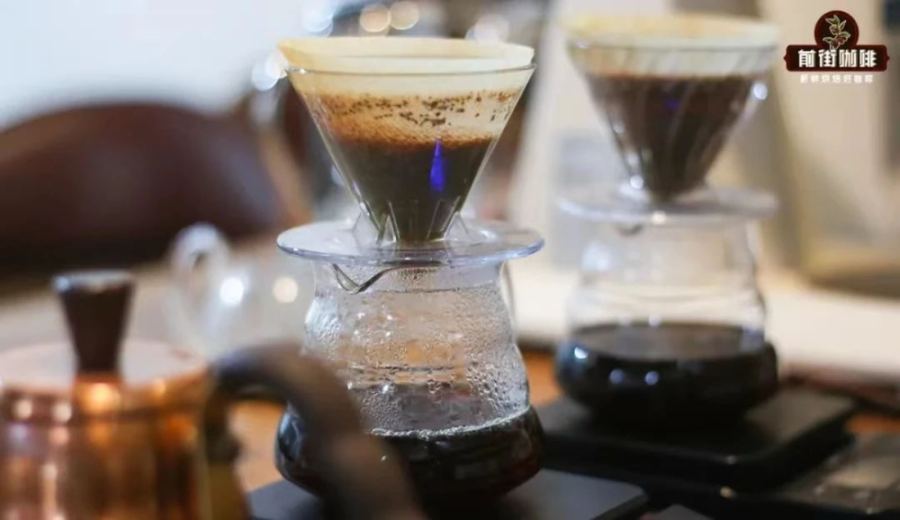
Introduction:The KONO dripper is a classic tool for pour over enthusiasts exploring medium to dark roast flavors. Its unique design effectively enhances extraction stability and sweetness expression. This article delves into the history and structural principles of the KONO dripper, breaking down its impact on flow rate and flavor release. Using Indonesian Golden Mandheling as an example, it details practical grind size, water temperature, and pulsed pouring techniques to help readers master the key essentials for achieving a rich and mellow cup.
In the world of pour over coffee, the choice of dripper is often one of the most critical factors influencing the final flavor profile. Different shapes and structures of drippers not only alter the rhythm of coffee extraction but also directly shape the direction of flavors and the layers of mouthfeel. Among them, the KONO dripper, with its distinctive conical design and functional structure, has become the go-to tool for many coffee lovers when brewing medium to dark roast beans. This article will explore in depth the origin of the KONO dripper’s design, how its internal construction affects extraction efficiency, and provide a complete and practical set of pour over parameters through real-world operation examples. This will enable both beginners and advanced users to grasp its essence.
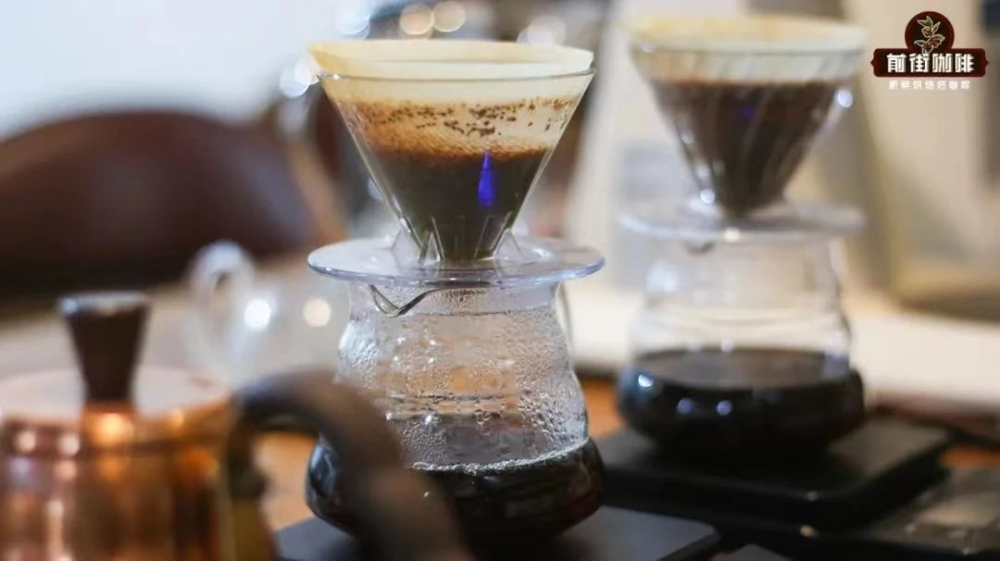
With the advancement of pour over techniques, the form of drippers continues to be optimized. Designers adjust the size of the bottom outlet holes, the distribution and length of the inner ribbing to further control water flow speed and the contact time with coffee grounds, thereby presenting distinctly different flavor profiles. Among the many dripper choices, the KONO and V60 are two conical drippers commonly found in many coffee shops. The KONO, with its special design, is particularly well-suited for highlighting the characteristics of medium to dark roast beans—such as the popular Indonesian Golden Mandheling, Brazilian Queen Estate, and even Japan’s highly sought-after Jamaican Blue Mountain No. 1. These are all beans that the KONO excels at handling. So, what exactly is the design principle that sets the KONO apart from other drippers?
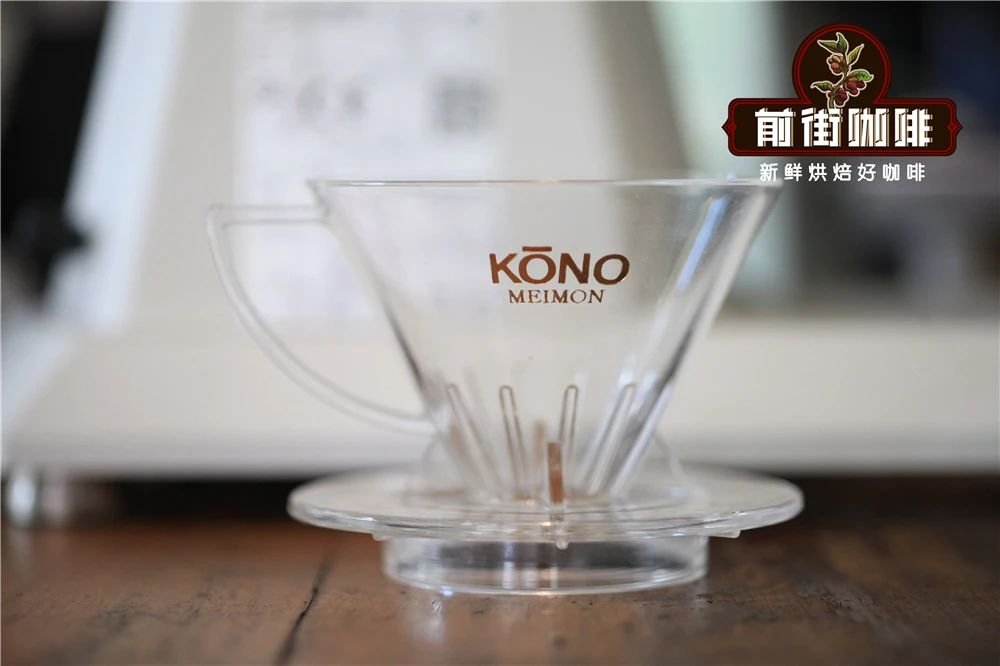
The KONO dripper was born in 1973, developed by Japanese designer Mr. Toshio Kawano. At the time, aiming to solve the issue of cleaning difficulty associated with cloth filters, he drew inspiration from the conical structure of flannel filters and designed this dripper that concentrates the coffee bed and guides water flow. This design not only helps coffee grounds form a stable and thick layer at the bottom more easily but also enhances the concentration and convergence of water flow, thereby improving overall extraction stability.
However, concentrated flow also comes with risks—if not properly adjusted in design, it can lead to uneven water absorption at the bottom layer of coffee grounds, thus affecting the overall extraction yield. To address this, the KONO dripper features 12 short, radially arranged ribs inside, but these ribs are only located in the upper half of the dripper and do not extend to the bottom. Meanwhile, the upper half of the inner wall is designed with a smooth curved surface. When the filter paper gets wet, it adheres tightly to the cup walls, making the sole channel for exhaust and flow concentrated at the wide bottom outlet. While this structure reduces exhaust space, it unexpectedly promotes even water absorption across the coffee bed, effectively preventing over-extraction or localized under-extraction, ultimately resulting in a more balanced and richly extracted cup.
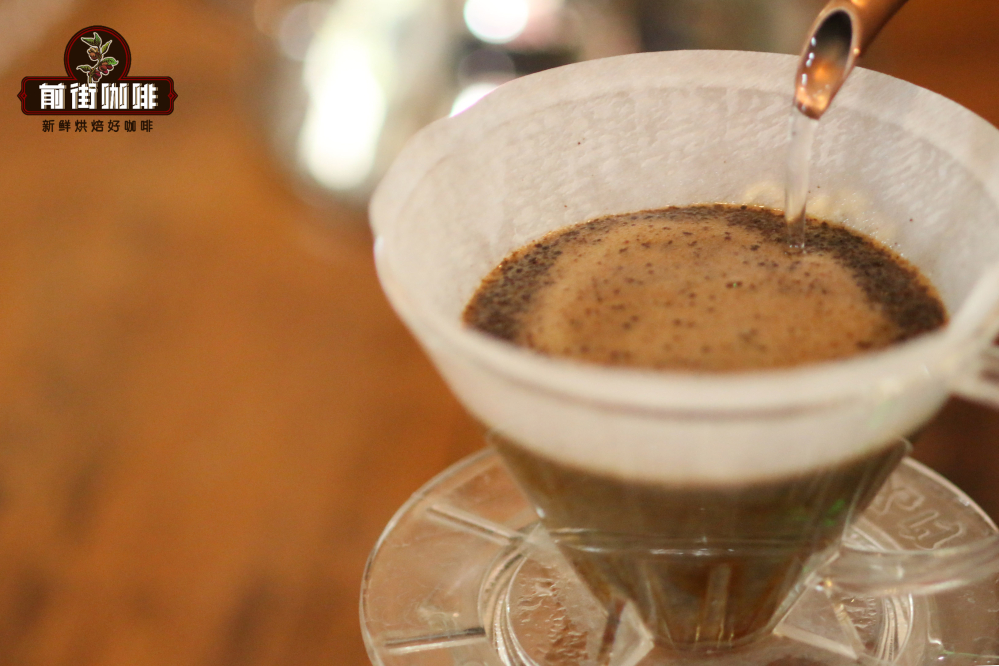
To gain a deeper understanding of the KONO dripper’s practical application, we’ll use a classic medium to dark roast bean—Indonesian Golden Mandheling—as an example, illustrating the full operational process from bean selection, grinding, to pouring. Due to its deep roast level, the Golden Mandheling has a relatively loose bean structure and can be easily crumbled with slight pressure. This indicates that it absorbs water quickly during extraction and is prone to releasing excessive large-molecule bitter substances. Therefore, special attention must be paid to avoiding over-extraction when setting the grind size.
In practical operations, many professional shops use a standard #20 sieve (0.85mm) to test the grind’s particle size distribution. Typically, the recommended extraction rate for medium to light roasts is 75% to 80%, while for medium to dark roasts, it is adjusted to 70% to 75%. For this Mandheling, in order to control the release of bitterness, we set the grind size to a medium-coarse level with an extraction rate of about 70%, to extend the extraction time and maintain flavor balance.
In addition to grind size, water temperature is another key parameter affecting extraction efficiency. The higher the water temperature, the faster various substances in the coffee are released, including off-flavors and excessive tannins that may bring unpleasant taste. For medium to dark roast beans, it is recommended to keep the water temperature between 86°C and 88°C. Compared to the 91°C to 93°C suggested for light roasts, this significantly reduces thermal input, helping preserve sweetness and body while avoiding the bitterness brought by over-extraction.
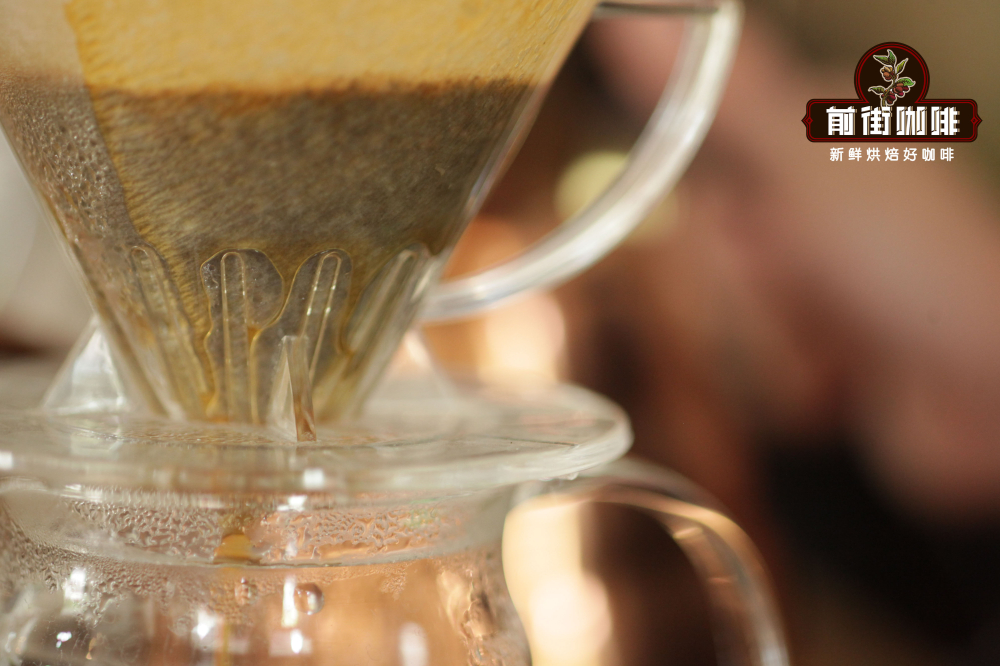
The full parameters tested this time are as follows: using the KONO dripper, 15 grams of coffee grounds, a brew ratio of 1:15, for a total water volume of 225 milliliters. The grind size is medium-coarse, with an extraction rate of about 70% through a Chinese #20 sieve, water temperature set at 87°C to 88°C, and extraction is performed using a three-pour method. The first step is the bloom phase, pouring 30 milliliters of hot water to allow the coffee grounds to fully expand and release trapped gases; the second pour adds 100 milliliters, primarily to bring out flavor layers and lift the coffee bed; the final pour uses a gentle center-focused pour to add 95 milliliters, enhancing sweetness and aftertaste fullness.
Through such parameter settings and operational steps, the Indonesian Golden Mandheling brewed using the KONO dripper can present rich aromas of dark chocolate, complemented by layers of roasted hazelnut, caramel, and melon. The mouthfeel is rich and full-bodied, with a finish that carries distinct spice notes and lingering sweetness. The overall flavor is balanced and deep, making it an excellent choice for coffee lovers who enjoy medium to dark roast styles.
The above content is compiled by CoffeeHunters, a coffee news website.


