







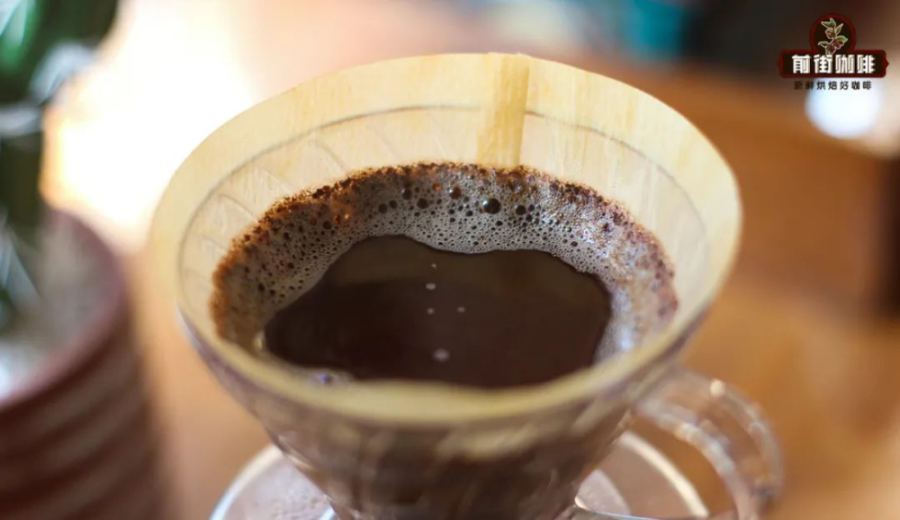
Introduction:Many beginner coffee enthusiasts often encounter issues such as water pooling in the filter cone and slow drainage during pour over brewing, which leads to prolonged extraction time and unbalanced flavors. This article delves into the three main causes of water accumulation in pour over brewing—choosing inappropriate reference videos, using an excessively fine grind or having too many fines, and improper pouring techniques—and provides practical adjustment suggestions to help you achieve more stable pour over skills.
An increasing number of coffee lovers are learning pour over brewing through online tutorial videos. However, when they actually try it themselves, they often find that the water flow speed in the filter cone is noticeably less smooth than shown in the videos, with water easily pooling on top of the coffee bed, thereby extending the overall extraction time. This situation is similar to what is known as "channeling," where water fails to uniformly penetrate the coffee grounds, resulting in over-extraction in some areas and under-extraction in others. What exactly causes this phenomenon? We will analyze the main reasons for slow drainage from multiple perspectives and offer specific adjustment directions.
First, a common mistake made by many beginners is directly applying the pour over procedures shown in online videos without considering that the coffee beans used in those videos may differ significantly in properties from their own. Different roast levels and bean freshness can all affect the structure and water permeability of the coffee bed. For example, light roasted coffee beans are usually denser and tend to stack more tightly in the filter, leading to slower drainage; in contrast, dark roasted beans, due to their larger expansion gaps, generally allow for smoother water flow. In addition, if the beans have lost their freshness, the residual carbon dioxide inside is significantly reduced, which can also lead to water pooling. Therefore, it is recommended to look for instructional videos that correspond to the type of coffee beans you are using, observe multiple different versions as much as possible, and identify common operational principles, rather than simply imitating the timing and movement rhythms shown in the videos.
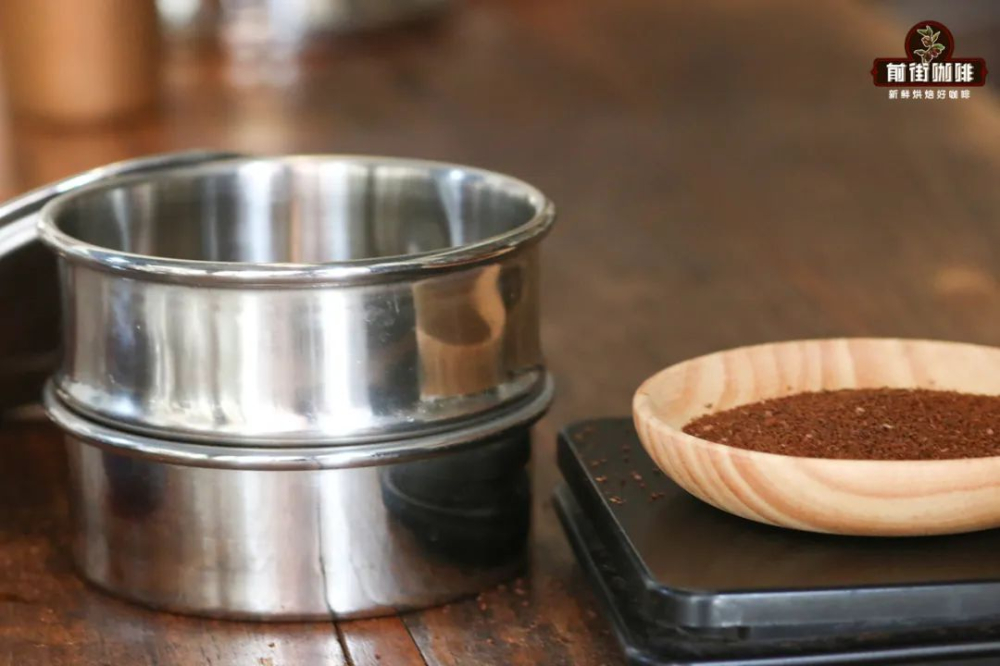
Another common issue is the grind size and the proportion of fines. Pour over coffee generally recommends a grind size similar to coarse sugar; when filtered through a #20 sieve, the ideal passing rate is about 70% to 80%. However, even coffee grounds that appear uniform can still contain particles of varying sizes. When the grinder produces poor grind quality and generates too many fines, these tiny particles can easily clog the filter paper pores or accumulate at the bottom of the coffee bed, severely affecting water flow speed and causing water to pool on top of the coffee bed without draining. Therefore, choosing a grinder with higher grind uniformity and cleaning the burrs regularly can effectively reduce the production of fines and improve the drainage issue.
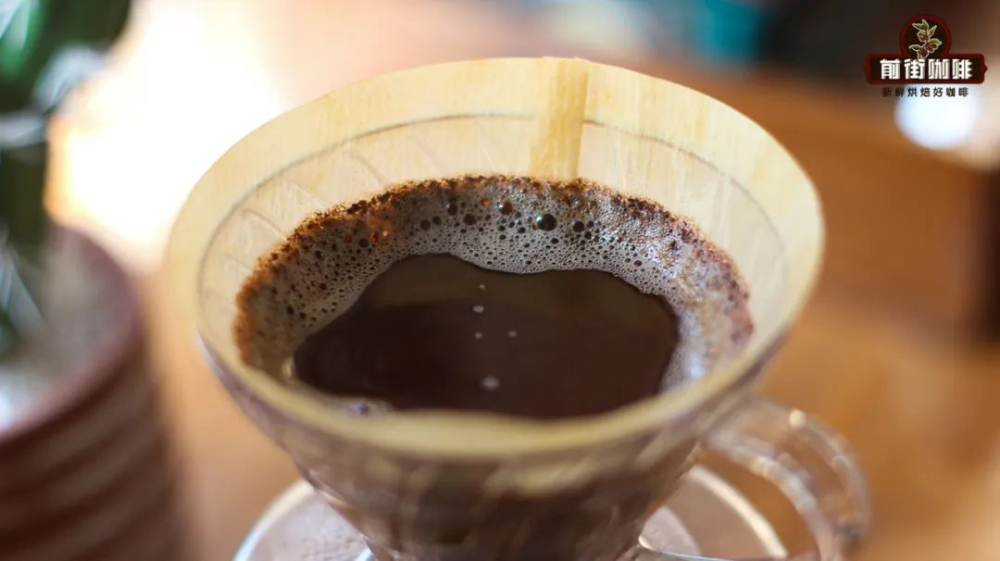
Finally, the pouring technique is also one of the key factors affecting drainage speed. Observing different pouring methods, it can be seen that some promote even water distribution, while others tend to concentrate the flow, causing localized over-extraction or blockage. Common mistakes include using a water stream that is too thick, pouring directly onto the center of the coffee bed, or pouring from too low a height, leading to uneven water dispersion. All of these can cause certain areas to become saturated too quickly, preventing water from evenly seeping downward and forming a pooled layer. It is recommended to maintain a moderate water stream and appropriate pouring height, and to use a spiral or outward-from-the-center pouring method, which helps the water penetrate the entire coffee bed evenly and reduces water pooling.
Overall, the occurrence of water pooling and slow drainage in pour over brewing is often the result of multiple factors acting together. From selecting appropriate reference videos, adjusting grind size and avoiding excessive fines, to improving pouring techniques, each step can influence the final extraction performance. Beginners are advised not only to observe the time during practice but also to pay attention to the state of the coffee bed and changes in water flow, gradually adjusting various parameters to find their own optimal pour over balance point.
The above content is compiled by CoffeeHunters, a coffee news website.


