







Introduction:Although both instant coffee and drip bags emphasize convenience, they differ significantly in production processes, flavor profiles, and health impacts. This article delves into their raw material sources, processing principles, and extraction effects to explain why drip bags are priced higher, and provides practical brewing tips and precautions to help you make a smarter choice based on your needs.
Although both instant coffee and drip bags fall under the category of ready-to-drink coffee products, there are fundamental differences in their production techniques, raw material selection, and final flavor performance. Instant coffee undergoes high-temperature dehydration and spray drying, which causes the loss of most volatile aromatic compounds, often leaving only a thin sweetness and bitterness. In contrast, drip bags contain pre-ground coffee sealed in filter bags, and the brewing process is similar to pour over, preserving more of the coffee’s original aroma and layered complexity.
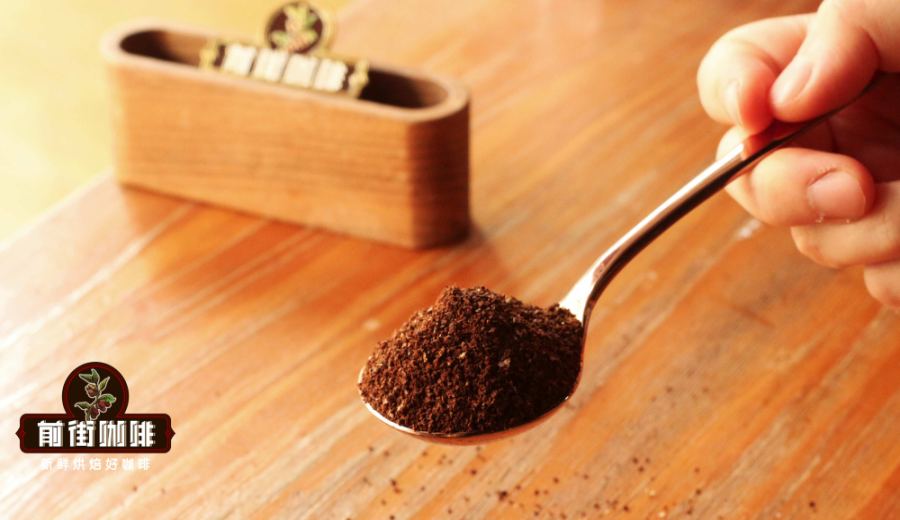
To better understand the differences between the two, we must first start with the concept of "freshly ground coffee."Freshly ground coffee refers to coffee beans that are ground just before extraction.Whether using an espresso machine to brew a shot or employing a pour over method, as long as the coffee grounds are ground at the time of brewing, it can be classified as freshly ground coffee. The biggest advantage of this type of coffee lies in its "freshness," because after roasting, coffee beans release thousands of aromatic compounds, which gradually dissipate upon exposure to air and time, affecting the richness and complexity of the final flavor.
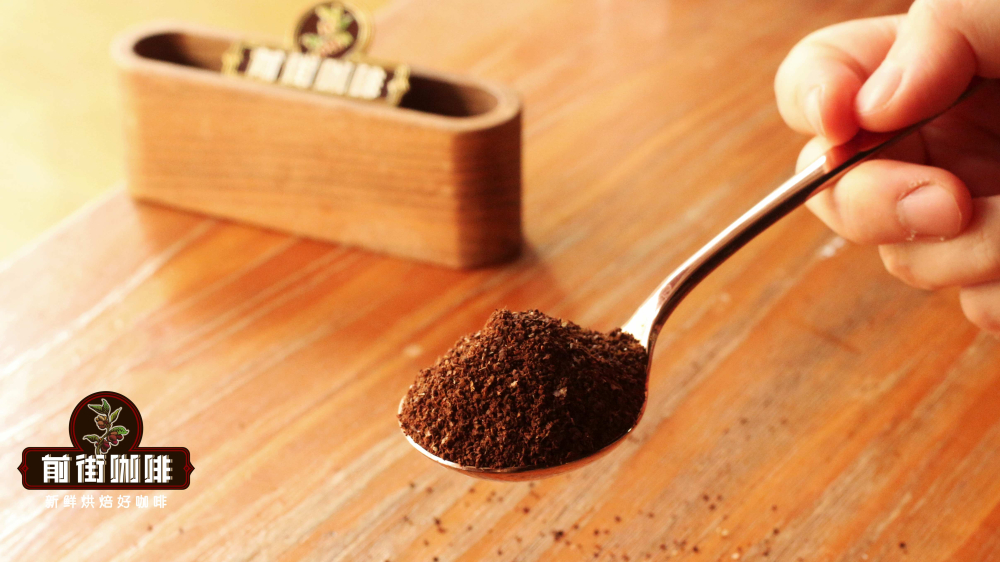
From a professional perspective,the optimal flavor window for roasted coffee beans is around 5 to 14 daysafter roasting. Beyond this period, both aroma and acidity will noticeably decline. Therefore, many quality-focused shops emphasize that coffee beans should be shipped within 5 days of roasting to ensure consumers receive them in the best possible condition for extraction. This is also why freshly ground coffee is often seen as a more premium choice, as it fully showcases the regional characteristics and processing method flavors inherent to the beans.
In contrast, the history of instant coffee dates back to the post-World War II era, when global demand for coffee surged, but most consumers viewed it merely as a stimulant rather than something to be savored for its flavor. To reduce costs, many manufacturers opted for low-grade coffee beans, used extremely dark roasts to mask defects, and heavily added non-dairy creamers and sugar to create a sweet and cloying taste. More importantly, the instant coffee process involves high-temperature dehydration and pulverization,which destroys the volatile compounds in coffee, resulting in a final product that has almost no genuine coffee aroma, leaving only a monotonous memory of bitterness and sweetness.
As for drip bags, they serve as a compromise between instant and freshly ground coffee. They are made by grinding coffee beans just before packaging them in filter bags. Brewing simply involves hanging the bag on a cup and pouring hot water through it. By skipping the high-temperature dehydration and artificial additive steps, drip bags retain the original aroma and balanced acidity-sweetness of the coffee beans, offering a flavor close to pour over coffee, though slightly inferior to freshly ground and brewed versions. For frequent travelers or coffee lovers with limited time, drip bags provide a good balance between convenience and quality.
In terms of price, drip bags are generally more expensive than instant coffee, mainly due to higher raw material and packaging costs. Drip bags often use high-quality single-origin beans suitable for pour over, which are inherently more expensive than commercial beans, and require processes such as selection, roasting, and immediate grinding and packaging, making the overall production more complex. Additionally, drip bag packaging uses food-grade filter paper and aluminum foil for freshness, ensuring the coffee powder does not oxidize or deteriorate during storage, further increasing production costs. In comparison, instant coffee mostly uses low-grade beans and relies heavily on non-dairy creamers, sugar, and flavorings for taste, significantly reducing raw material and processing costs.
If you prefer bright, fruity flavors, you might choose drip bags with notes like strawberry candy or Hua Kui; if you enjoy rich, low-acidity profiles, drip bags featuring Mandheling or Brazilian seasonal beans are great options. These products not only showcase the unique terroirs of different regions but also allow you to enjoy coffee quality close to freshly ground coffee even without a grinder or pour over equipment.
Brewing drip coffee is not complicated, but there are several key details worth noting. It is recommended to use water at about 90°C to 94°C—too high can lead to over-extraction, resulting in burnt and bitter flavors, while too low may cause under-extraction, leading to a weak flavor. When brewing, hang the drip bag on the rim of the cup, first pour a small amount of hot water (about 20-30ml) to bloom the coffee, allowing the grounds to expand and release aroma. The blooming time should be around 10 to 15 seconds. Then, pour water in a circular motion from the center outward in 2 to 3 stages, with the total water volume controlled between 150ml and 180ml, adjusting strength according to personal taste.
During the brewing process, avoid submerging the entire drip bag in water to prevent the filter paper from releasing off-flavors or affecting water flow stability. Additionally,it is recommended to discard the coffee grounds after brewing and not reuse or steep them for extended periods, as the first pour extracts the majority of soluble flavor compounds, and subsequent brews will only bring out more impurities and bitterness.
Taking a common floral Yirgacheffe drip bag as an example, it is recommended to use 10 grams of coffee grounds with 150 to 180ml of hot water, at a coffee-to-water ratio of about 1:15 to 1:18. Start with a small amount of hot water for blooming, then pour in 2 to 3 stages, controlling the total time to about one and a half minutes, to achieve a bright acidity with citrus and green tea aftertastes. This brewing method is not only suitable for Yirgacheffe but can also be widely applied to single-origin drip bags from other regions, making it a great starting point for beginners to master pour over techniques.
The above content is compiled by CoffeeHunters, a coffee news website.


