







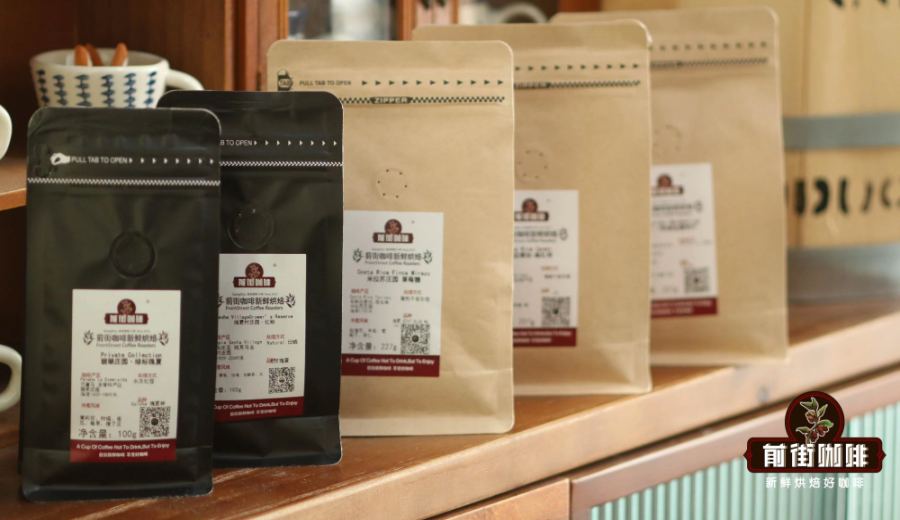
Introduction:Delving into the diverse flavor profiles of Colombian coffee and the unique geographical conditions of the Huila region—from the characteristics of Typica to Geisha varieties, washed processing methods, to the brewing parameters and sensory performance of the Hanami blend—we provide a comprehensive guide from bean selection to brewing to help you grasp the essence of this globally top-tier Arabica-producing country.
Colombia consistently ranks as the world’s third-largest coffee producer, thanks to the Andes Mountains’ advantageous elevations and microclimates, which nurture specialty coffees with rich flavor layers. It is not only a global hub for Arabica exports but also renowned for its stable quality and regional distinctiveness. This article will analyze the flavor origins of well-known regions like Huila, starting with regional geography, variety traits, and processing methods, while incorporating actual brewing data to help you understand the key details of Colombian coffee from farm to cup.
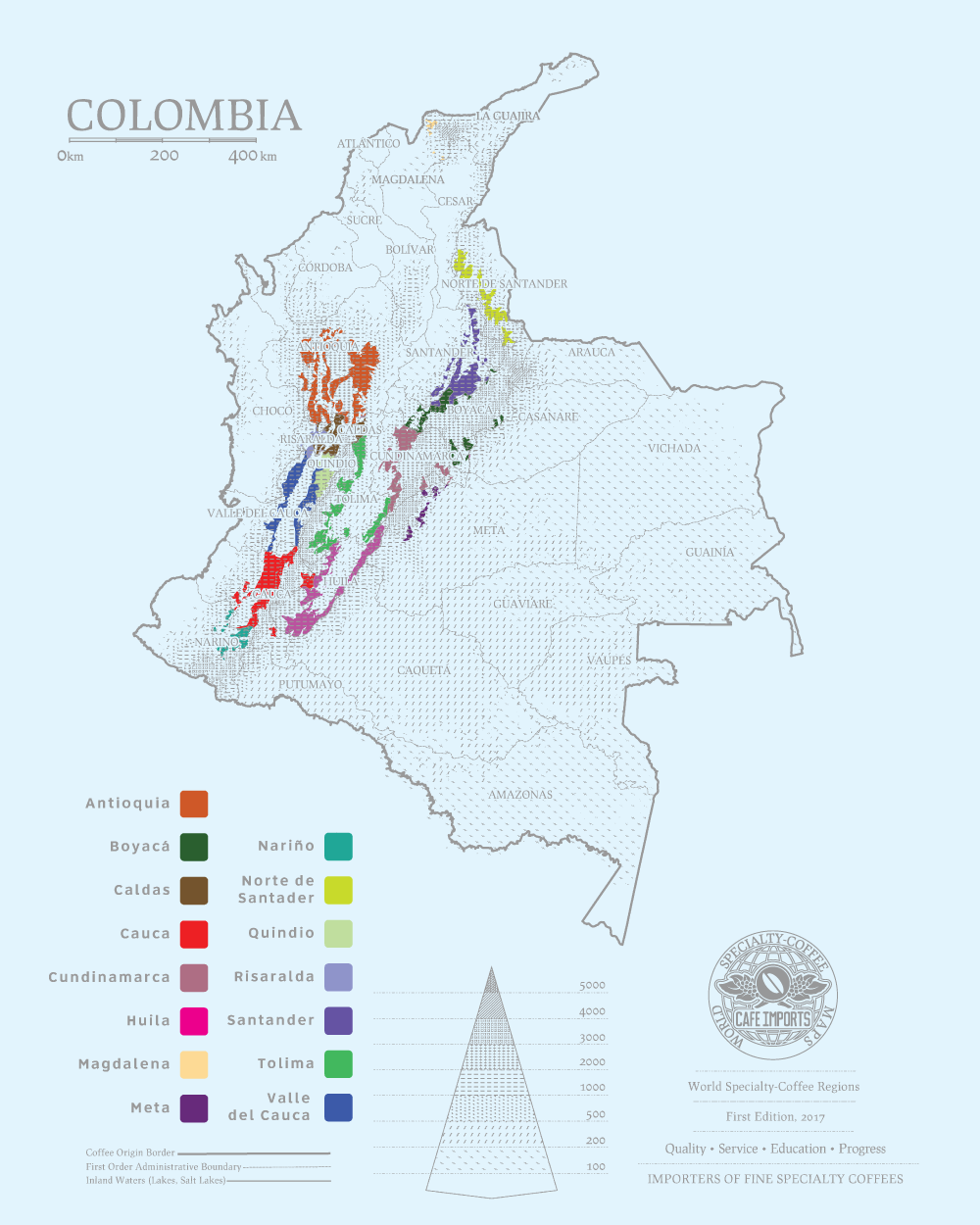
The charm of Colombian coffee stems from its uniquely favorable geographical environment. The Andes Mountains run north to south across the country, with mountain slopes generally ranging from 1,000 to 3,000 meters in altitude, creating diverse microclimates. This terraced terrain allows coffee from different altitude zones to mature at staggered times, ensuring fresh beans are available for harvest year-round. For example, coffee grown at 1,400–1,600 meters in the Rose Valley of the Santander region often exhibits bright strawberry notes and fermentation aromas, making it a popular entry choice for many coffee enthusiasts.
Tracing the history of Colombian coffee, it dates back as early as 1808—when a priest introduced the first coffee seedlings from the French Antilles via Venezuela. After two centuries of development, Colombia is now not only among the world’s top three producers but also a leading exporter of Arabica beans. Its coffee is mostly produced by small farms, with two harvests per year, especially in the southern high-altitude regions (above 1,500 meters), which are considered the core source of specialty beans.
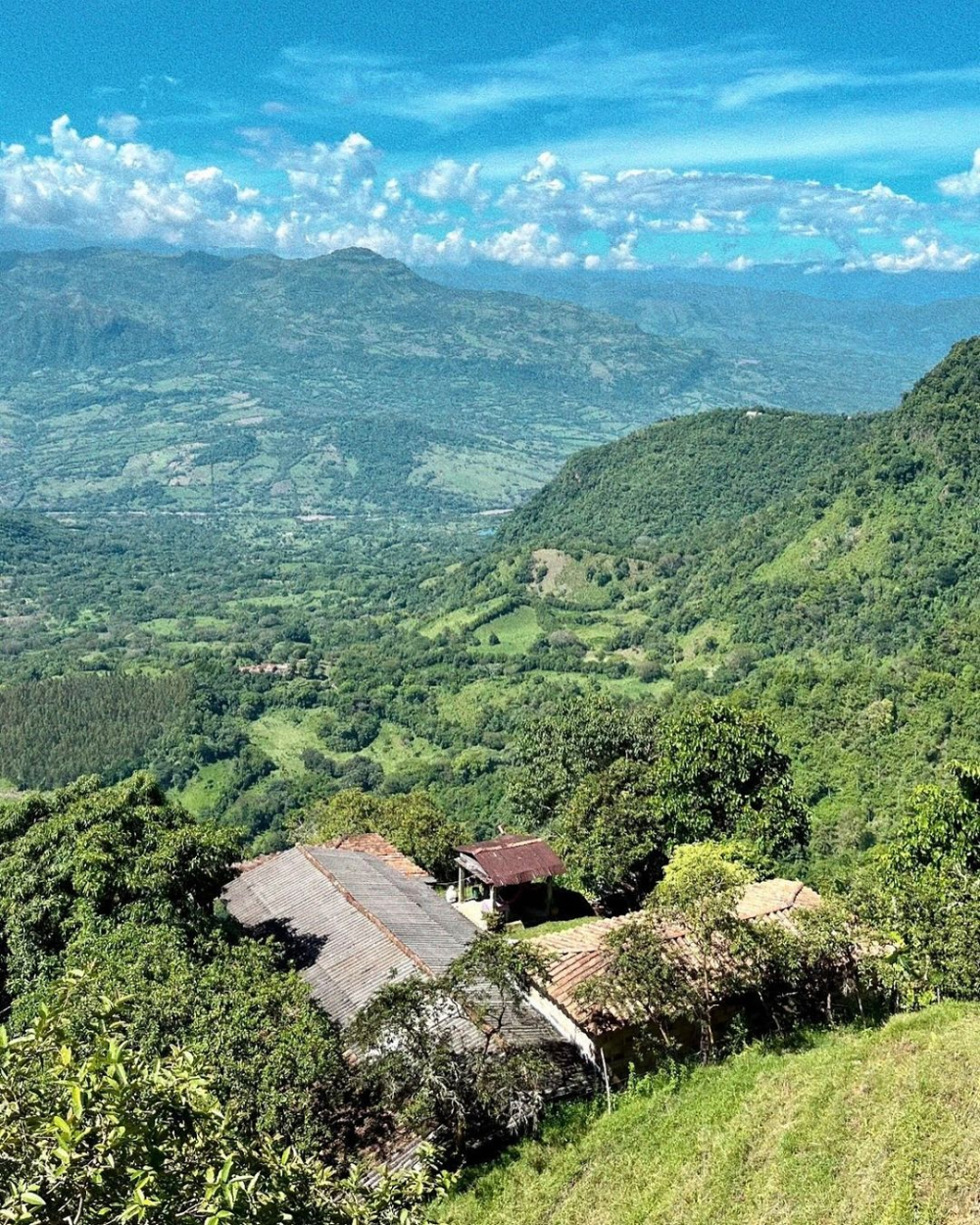
Focusing on specialty-producing regions, the southern areas stand out the most. Huila Province (above 1,500 meters) is surrounded by mountains and gathers abundant moisture from multiple rivers; Cauca Province has an average elevation of 1,758 meters, reaching up to 2,100 meters, with volcanic soils and cool climates providing ideal growing conditions; Nariño Province borders the Pacific Ocean and Ecuador, with its high-altitude environment nurturing many smallholder specialty farms and is also Colombia’s first origin-certified region. Additionally, coffee from northern Santander (1,400–1,600 meters) is known for its strong herbal notes and long aftertaste, while Antioquia Province (with 126,000 hectares of planted area) is influenced by Caribbean sea breezes, offering flavors that balance richness and freshness.
The overall flavor profile of Colombian coffee is known for its balanced smoothness, with bright yet stable acidity, like an experienced coffee “gentleman.” Its aroma layers are rich, often featuring a solid caramel base and premium fruit acidity, ranging from mild citrus to deep berries.
In terms of quality grading, Colombia has over 200 grades, with “Supremo (Special Selection)” being the highest standard—requiring a bean diameter of 18/64 inches or above to meet the entry threshold for specialty coffee. “Excelso (Premium)” is the next tier, suitable for consumers seeking value.
Regarding processing methods, Colombia predominantly uses washed processing, which, through the removal of pulp and strict fermentation control, clearly highlights the region’s native flavor characteristics. Compared to the intense sweetness of natural processing, washed processing is better suited for beginners to understand a region’s “base flavor blueprint,” though it demands higher water resources and relies on a stable supply.
Variety diversity is another highlight of Colombia. Beyond common varieties like Caturra, Bourbon, and Typica, the region has cultivated three disease-resistant mainstays: Castillo, Tabi, and the locally developed “Colombia” variety (by Cenicafé, diluting Robusta genes to enhance leaf rust resistance). Additionally, rare varieties like Gesha, Mocha, and Rume Sudan are also grown on a small scale, adding unique options to the specialty market.
As one of Colombia’s oldest varieties, Typica offers a classic and highly charming flavor profile—combining delicate floral notes, full body, and excellent acidity—but it has lower yields and higher cultivation difficulty, with only a few farms retaining its cultivation. We once cupped an anaerobic natural Typica from Pearl Estate, which exhibited a perfect balance of passion fruit and fermentation aromas.
Bourbon is a natural mutation of Typica, with rounder beans and acidity that is more rounded like red wine, accompanied by a unique sweet aromatic tone. Though its cultivation in Colombia is limited, some regions (such as the Paraiso Estate in Cauca Province) produce pink bourbon, which can deliver clarity in acidity akin to Kenyan coffee, with notes of lemon and cherry tomatoes.
Caturra is Colombia’s flagship variety—a natural mutation from Brazil, known for its sun tolerance (no shading needed), short plant height for easy harvesting, high yields, and flavor that rivals Bourbon, making it widely favored by smallholders. Bestsellers like Flower Moon Night and Rose Valley both use this variety, showcasing bright citrus and honey tones.
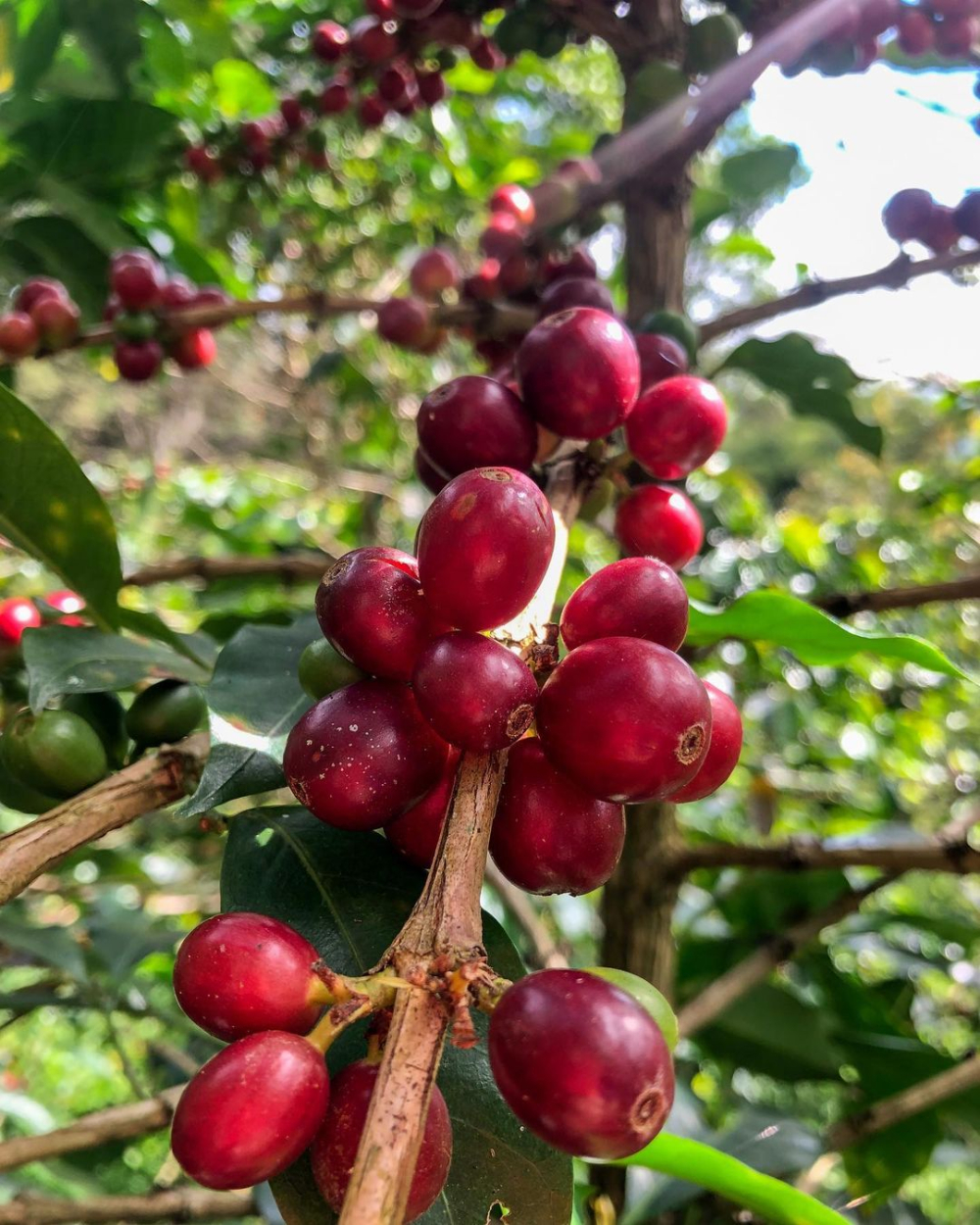
The “Colombia” variety, developed by Colombia’s national coffee research center Cenicafé in the 1980s, is a standout for disease resistance and yield. After multiple generations of backcrossing, its Robusta gene proportion is extremely low, and though its flavor is slightly inferior to Caturra, its stable productivity makes it a mainstay for commercial beans.
Castillo is another key variety—the fifth-generation leaf rust-resistant variety developed over 23 years by FNC and Cenicafé, officially promoted in 2005. Official blind tests show its flavor can rival Caturra, with smooth mouthfeel, lemon acidity, and vanilla tones. The “Cherry Blossom” Castillo from Paradise Estate, available on our shelves, uses double anaerobic washed processing, presenting herbal aromas like mugwort and mint alongside berry sweetness, showcasing the variety’s processing potential.
The development of Gesha in Colombia is relatively recent. The Mont Blanc Estate in Huila Province introduced seedlings from Panama in 2016, achieved its first harvest in 2020, and entered mass production in 2021. Its latest blend, “Hanami” (grown at 1,900 meters, washed processed), combines Gesha, Caturra, and Catuai, with cupping notes of pink peppercorn, chamomile, mandarin orange, honey, and almond layered together.
In actual brewing tests, we used a water temperature of 90–91°C, a 1:15 coffee-to-water ratio (medium-fine grind, 78% sieve retention on a #20 mesh), paired with a V60#01 filter. A three-stage method: the first stage involved pouring 30 grams of water for a 30-second bloom; the second stage used a slow circular pour to reach 130 grams for the first split; when the water level neared exposing the coffee bed, we continued pouring to 240 grams, then removed the filter once the water level dropped again, with a total extraction time of about 2 minutes and 15 seconds. The result showcased clear floral notes, gentle acidity of orange and mandarin, honey sweetness, and a tea-like lingering aftertaste—an excellent choice for experiencing the flavors of Colombia’s Huila region.
The above content is compiled by CoffeeHunters, a coffee news website.


