







Introduction:Although both Huakui and Yirgacheffe come from Ethiopian heirloom varieties, their distinct growing environments and processing methods result in unique flavor profiles. This article explores the differences between these two classic beans by examining their regional geography, cultivation background, and processing techniques, while also providing practical pour-over parameters and flavor descriptions to help coffee enthusiasts make more informed choices when selecting and brewing.
Ethiopia is hailed as the genetic cradle of coffee, boasting the world’s richest diversity of native coffee varieties. Among its many renowned producing regions, Gedeb in Sidamo and the town of Yirgacheffe each produce classic beans with markedly different flavors—Huakui and Yirgacheffe. Both use heirloom varieties, but due to differences in geographical conditions and processing methods, they exhibit distinctly unique aromatic and taste profiles. Understanding their backstories and characteristics can provide better direction when selecting beans and brewing.
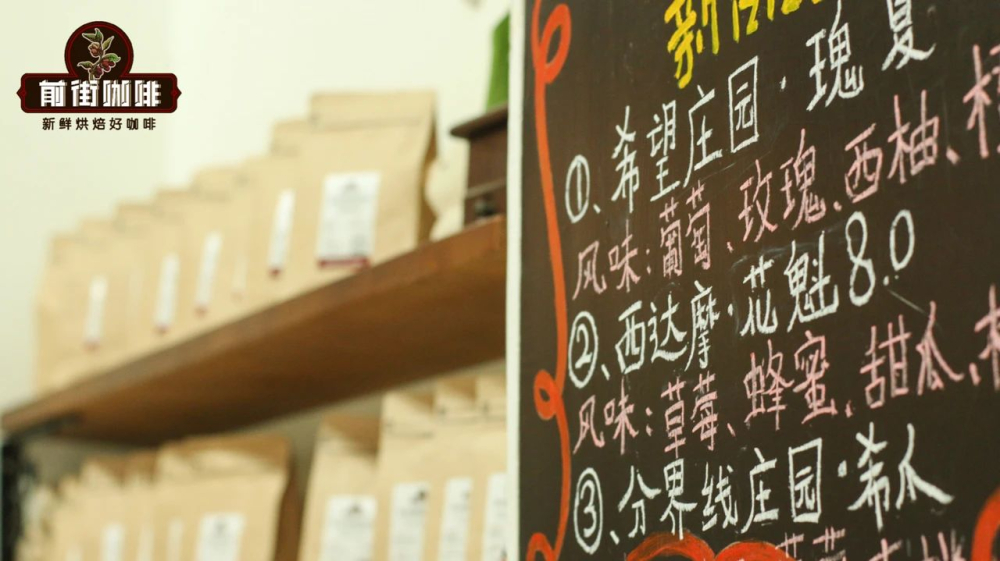
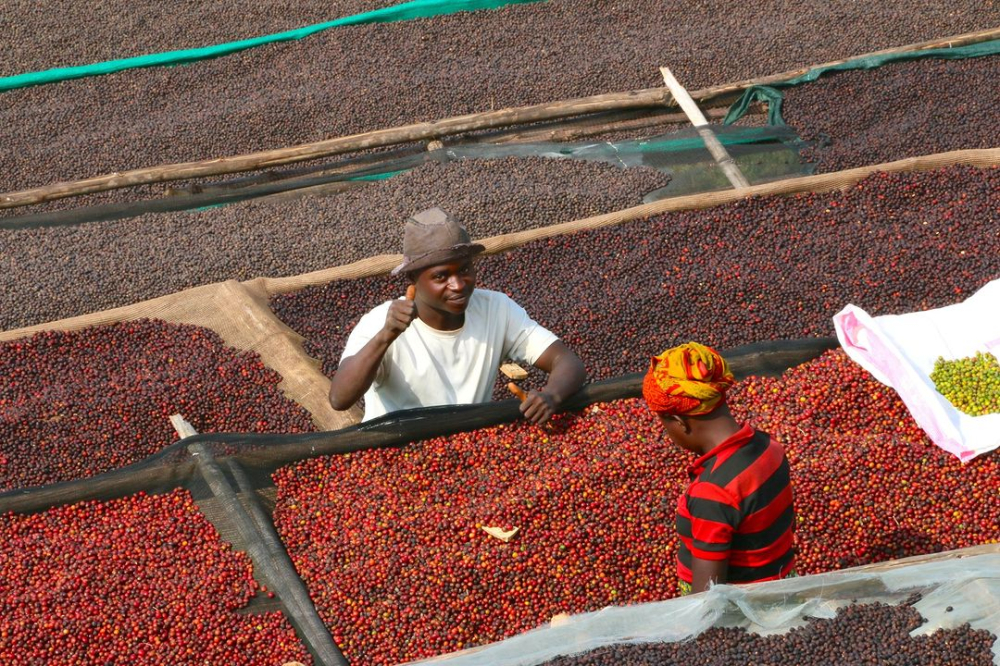
Ethiopia is not only the birthplace of coffee but also home to a complex and varied terrain and microclimate. The country is predominantly highland, with the East African Rift Valley running north to south and an average altitude of nearly 3,000 meters, earning it the title "Roof of Africa." Spanning multiple latitudes and altitude zones, Ethiopia experiences climates ranging from tropical to temperate, with distinct wet and dry seasons, creating a diverse environment ideal for coffee cultivation. Over half of the country’s coffee is grown by smallholder farmers using garden-style farming, where coffee trees often coexist with crops like bananas, forming unique ecosystems. Due to limited yields, smallholders typically sell their cherries to cooperatives or processing mills for unified harvesting and processing, which are then sold under the mill’s name to ensure quality consistency and traceability.
Ethiopia is divided into nine major coffee-growing regions, among which Sidamo and Yirgacheffe are two of the most famous—and the focus of this article. Sidamo is located in the southern part of the country, encompassing administrative areas such as Arsi and Bale, with coffee cultivation altitudes ranging from 1,400 to 2,000 meters. The region’s diverse soils and microclimates produce coffees with richly layered flavors, with Gedeb and West Arsi being particular highlights on the international market. In contrast, Yirgacheffe was once a sub-region of Sidamo but gained distinction for its exceptional flavor profile and eventually became an independent region, becoming synonymous with specialty coffee.
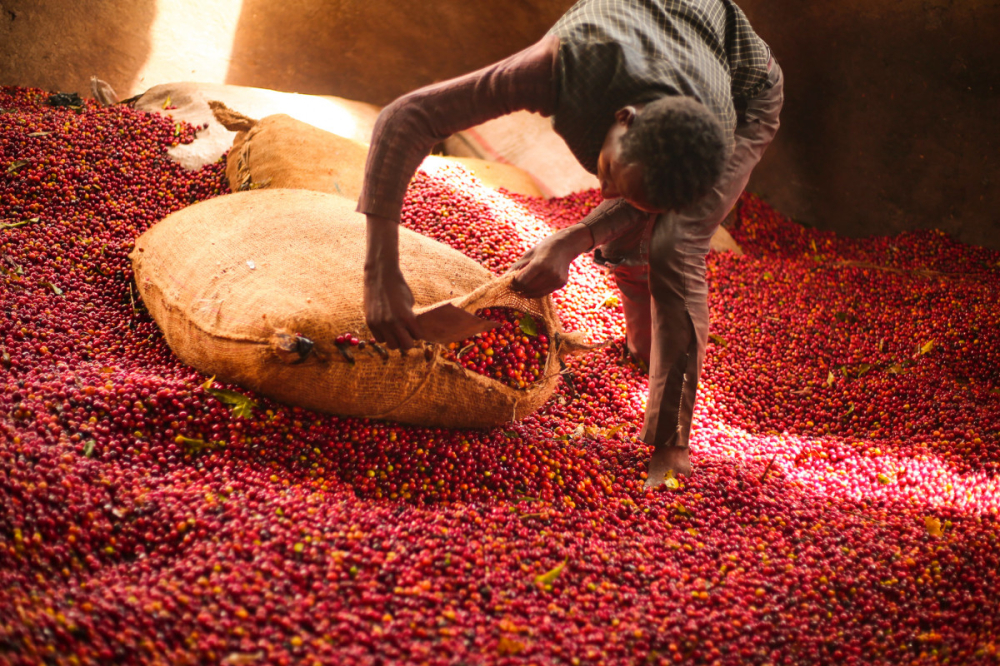
Huakui is a natural-processed coffee from the Gedeb area of Sidamo, produced by the Buku Abel washing station at altitudes of 2,050 to 2,300 meters. Coffees from this region are known for their intense fruitiness and full body, and Huakui gained fame after winning the championship at the 2017 Ethiopia National Taste of Harvest Competition. The champion lot that year exhibited pronounced strawberry and cream aromas, and was later named Huakui by Chinese importers. Surrounded by sugarcane and banana plantations, the high-altitude environment imparts a smooth mouthfeel and bright acidity akin to passionfruit to the coffee. Coupled with the natural processing method, it develops a rich fermentation wine-like character along with berry and citrus notes. The finish is sweet and juicy, reminiscent of mango juice and honey, while the aftertaste carries the gentle, sweet aroma of black tea.
Yirgacheffe is a town situated at an altitude of 1,700 to 2,100 meters, originally named YirgaCheffe, meaning "let us settle here on this wet land." Once part of Sidamo, the region became an independent producing area due to its exceptionally outstanding coffee flavors, and its name has since become synonymous with a specific flavor profile. Yirgacheffe is celebrated for its rich jasmine floral notes, lemon or lime acidity, sweet tones of peach and almond, and a distinctive tea-like quality. The cup is often described as bursting with floral complexity, making it a popular choice for many coffee beginners. The area primarily uses washed processing, which highlights clarity and bright acidity, further accentuating Yirgacheffe’s defining characteristics. Renowned cooperatives such as Kokose cooperative are famed for their refined washed processing, producing beans with citrus and black tea aromas, and a finish layered with cream, caramel, and almond notes, offering a clean and sweet taste.
For brewing recommendations, to fully highlight the fruity acidity and aromatic qualities of these two beans, it is advised to use higher water temperature and finer grind size, paired with a fast-flowing filter like the V60 #01. It is recommended to use freshly roasted beans within 5 days of roasting for optimal flavor expression. Coffee beans typically reach their peak flavor window 4 to 7 days after roasting, making this the ideal time for brewing to fully experience their flavor potential.
Recommended brewing parameters:
Filter: V60 #01
Water temperature: 90-91°C
Coffee dose: 15g
Coffee-to-water ratio: 1:15
Grind size: EK43s#10 (approximately 80% passing through a standard 20-mesh sieve)
Pour-over steps:
1. First pour: add 30g of water, bloom for 30 seconds.
2. Second pour: add 95g of water (total ~125g), completed in about 1 minute.
3. When the water level drops to 2/3 of the coffee bed, add the remaining 100g of water (total ~225g), completed in about 1 minute 35 seconds.
4. Total drip time is about 2 minutes 10 seconds; remove the filter to end extraction.
Flavor profile:
Yirgacheffe · Kokose:Bright citrus and black tea aromas upon entry, with sweet notes of cream, caramel, and almond emerging as the cup cools. The taste is clean and refreshing, with a sweet aftertaste.
Huakui 5.0:A blend of floral, berry, and citrus acidity, interwoven with the fruity essence of plums and mango juice. Honey-like sweetness is prominent, and the finish is as smooth as black tea.
In summary, although both Huakui and Yirgacheffe belong to Ethiopia’s heirloom varieties, they exhibit vastly different flavor directions due to differences in regional environments and processing techniques. Huakui, processed naturally, highlights intense fruitiness and fermented wine-like notes, making it ideal for those who enjoy sweet and full-bodied cups. Yirgacheffe, processed washed, emphasizes bright acidity and tea-like qualities, serving as the top choice for those seeking vibrant fruitiness and clean cups. Understanding these distinctions can help you select and brew the perfect cup tailored to your taste.
The above content is compiled by CoffeeHunters, a coffee news website.


