







Introduction:As a renowned natural-processed coffee from Ethiopia’s Sidamo Guji region, Huakui 3.0 has gained popularity among coffee enthusiasts for its unique processing method and consistent flavor profile, making it a sought-after choice for both sampling and collection. This article delves into the details of Huakui 3.0—from its regional background, processing facility information, green bean characteristics to its actual flavor performance—and supplements it with practical brewing suggestions and parameter settings to help readers fully grasp the charm of this classic natural-processed bean.
Since its debut, the Huakui series has been a standout representative of Ethiopian natural-processed beans in the specialty coffee market. From the early Huakui 2.0 to the subsequent 3.0 version, each batch update has sparked considerable discussion. What improvements and adjustments have been made in the processing and flavor of Huakui 3.0? This article will take you through an in-depth exploration of this beloved natural coffee, covering its growing environment, processing facility background, green bean conditions, and actual cupping flavors.
Speaking of Huakui 2.0, many are impressed by its intense tropical fruit aromas and mild acidity, featuring layered tropical notes such as jackfruit, passion fruit, and berries, paired with moderate body and a clean, smooth mouthfeel, and a sweet aftertaste reminiscent of brown sugar—truly unforgettable. Whether Huakui 3.0 can maintain or even surpass its predecessor’s performance is a major focus for many coffee lovers.
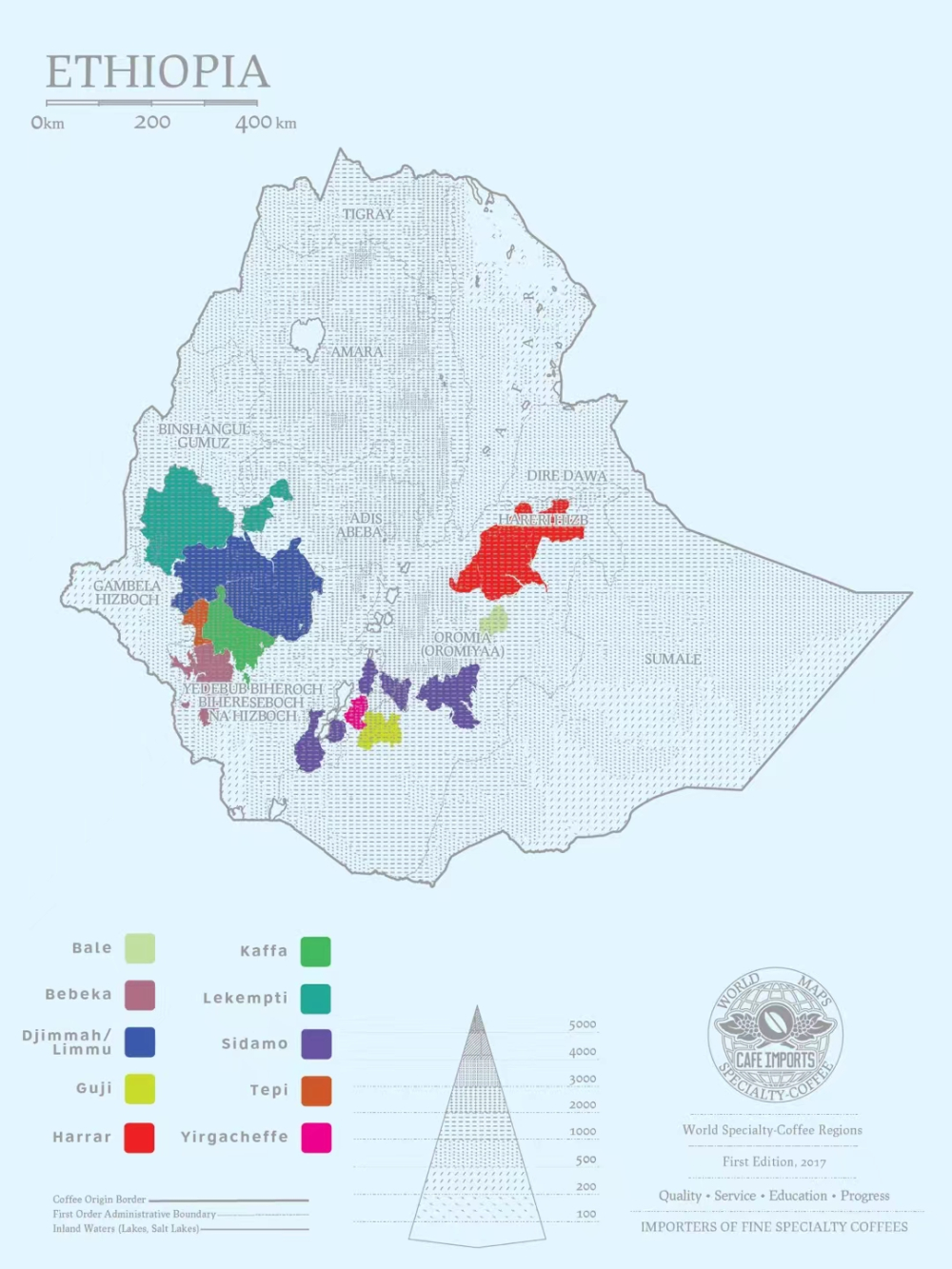
The production region of Huakui 3.0 is located in the Guji area in southern Ethiopia, specifically from the Buku Able farm in the town of Hambella. It is worth noting that only natural-processed coffee produced at the Buku Able processing facility qualifies to be called “Huakui.” The altitude in this region ranges between2200 and 2350 metersabove sea level. The high-altitude growing environment contributes to the accumulation of rich sugars and complex flavor potential in the coffee beans. The farm strictly controls the harvesting period, selecting only fully ripe, red coffee cherries, and also maintains certain requirements for the sugar content of the fruits—this is one of the foundations that shape the unique flavor of Huakui 3.0.
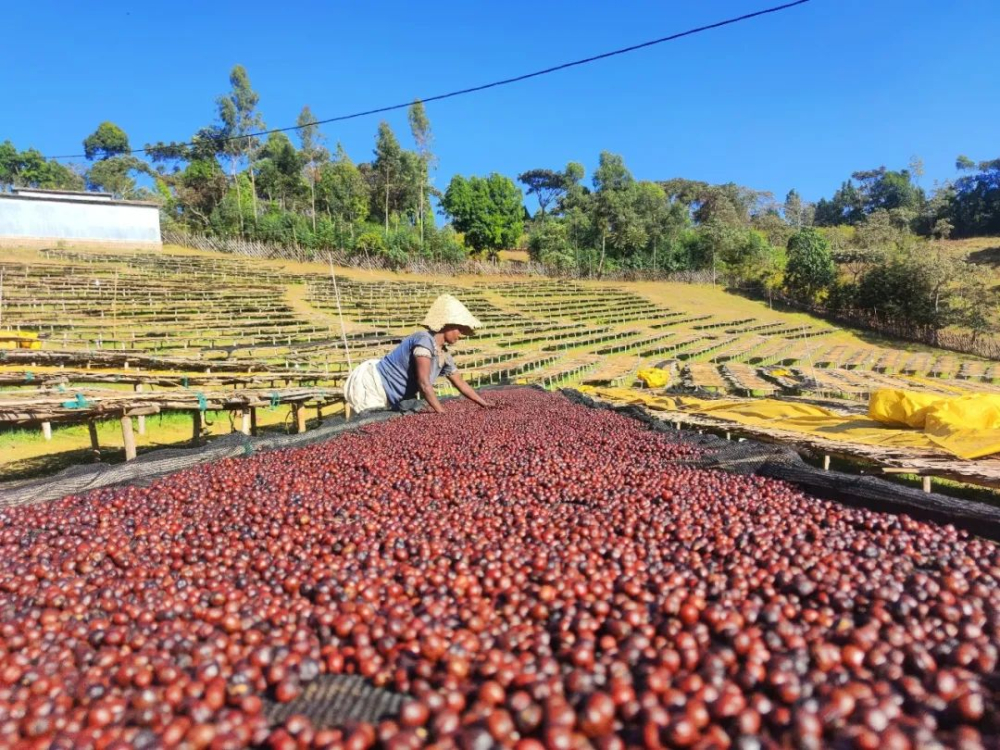
The Buku Able processing facility has long been dedicated to natural processing techniques and possesses extensive hands-on experience. Every step of the natural drying process—including sugar content screening, spreading thickness, turning frequency, and weather response measures—is governed by rigorous data and procedural standards. Compared to the washed processing method, natural processing preserves more of the natural sugars from the fruit pulp, resulting in a more pronounced sweetness in the coffee, along with intense floral and fruity characteristics. However, natural processing also demands higher environmental and technical standards; improper handling can easily lead to off-flavors, such as earthiness, over-fermentation, or wild notes.
Regarding the differences between Huakui 2.0 and 3.0, the former was processed at the Shanquan processing facility, where the berries were required to have a sugar content of21 or abovebefore natural drying began, and alow-temperature fermentation process lasting 21 dayswas employed to ensure uniform fermentation and fine flavor intricacy, resulting in particularly outstanding sweetness. In contrast, Huakui 3.0 further optimized the overall bean uniformity and cleanliness of the processing environment. Although the processing technique still retains the essence of traditional natural processing, scientific instruments assist in achieving more precise control over fermentation and drying processes. For example, the natural drying time is approximately18 days, during which thick plastic sheeting is used at night to prevent sudden rainfall and control fermentation temperature. Processing is only completed once the moisture content of the green beans drops to around13%(value missing), after which they are stored in an environment with a temperature of12-22°C(value missing) and humidity of40-50%(value missing) for resting.
In terms of green beans, Huakui 3.0 belongs to the Ethiopian Heirloom variety, with inconsistent bean sizes and commonly seen sharply pointed shapes at both ends—a typical characteristic of native varieties in the region. Upon receiving this batch of green beans, one coffee brand noted distinct coffee blossom and fermented wine aromas, markedly different from the usual grassy notes. The green bean moisture content is about11%(value missing). Though not extremely high, due to the beans’ high density and compact structure, special attention must be paid during roasting to maintaining stable temperature increases during the initial dehydration phase and appropriately extending the drying time before first crack to preserve more aromatic compounds, especially small-molecule floral components.
For brewing recommendations, the HARIO V60 dripper is a suitable choice, with a suggested coffee dose of15 grams, a brew ratio of1:15(value missing), water temperature controlled at90°C(value missing), and a grind size of medium-coarse (approximately passing through a #20 sieve57%). Specifically, begin with30 grams of water for a 30-second bloom, followed by center-pouring up to125 grams, then continue pouring until reaching225 grams, with the total extraction time controlled at2 minutes exactly. These parameter settings help fully highlight the floral, fruity, and sweet layers of Huakui 3.0.
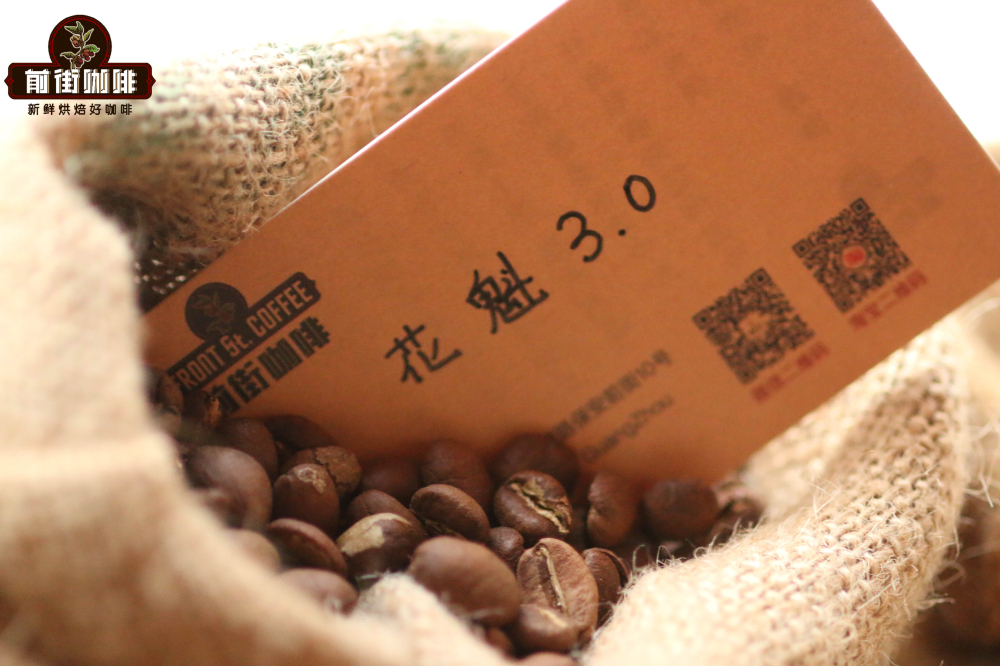
During actual cupping, Huakui 3.0 displays a rich array of flavor changes from high to low temperatures: at high temperatures, distinct notes of strawberry jam, tropical fruits (such as jackfruit and passion fruit), and intense floral aromas can be perceived, with bright and lively acidity; as the temperature drops, the flavors transition to softer dried fruit notes, such as dried mango, accompanied by a lingering aftertaste. The overall performance is balanced and layered, making it a natural-processed specialty coffee suitable for both in-depth appreciation and everyday enjoyment.
The above content is compiled by CoffeeHunters, a coffee news website.


