







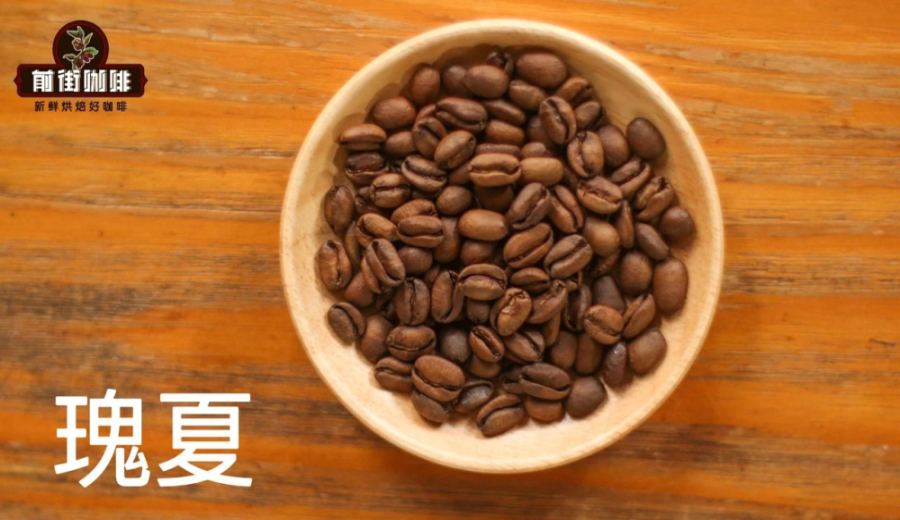
Introduction:Geisha coffee is renowned for its distinctive floral and fruity aromas and bright acidity, making it a dream bean variety for many coffee enthusiasts. But did you know that roast level can greatly influence its flavor profile? This article takes an in-depth look at the green bean characteristics of Geisha, the ideal roast range, compares the flavor differences between light, medium, and dark roasts, and provides practical pour over parameters to help you fully master the key steps from green beans to a great cup of coffee.
Geisha coffee (Geisha Coffee), with its elegant floral notes, bright fruit acidity, and stunning aftertaste, has become a star variety in the specialty coffee world. This coffee variety, originating from Ethiopia, has developed an irreplaceable flavor profile in Panama’s unique microclimate, especially when presented with a light roast to highlight its delicate tea-like body and fruity tones.
However, Geisha can also showcase a different personality through medium to dark roasting, such as richer caramel sweetness and a fuller body. Therefore, choosing the right roast level is key to unlocking its potential.
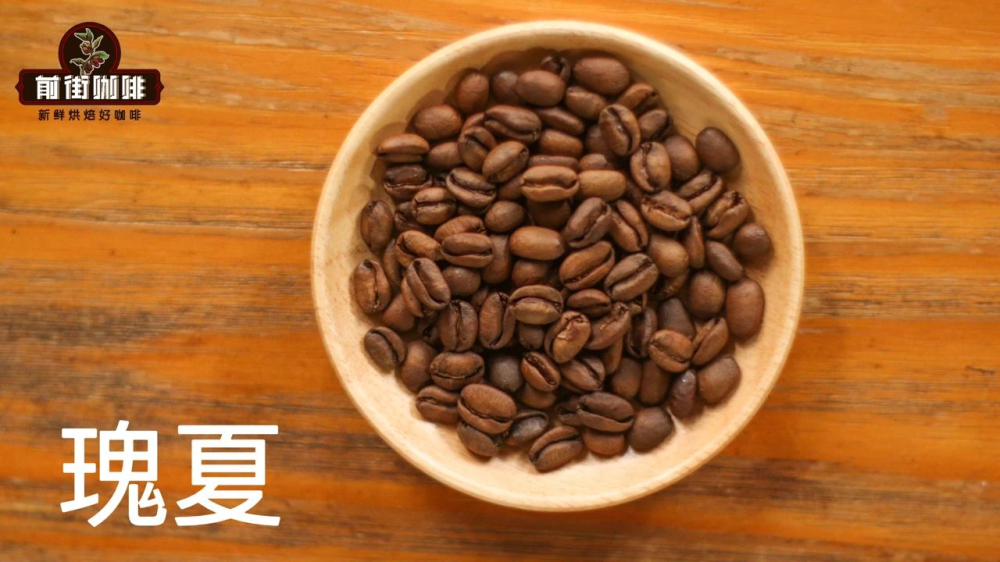
Geisha was first collected in 1931 by a British man from the Gesha region of Ethiopia, later making its way to Kenya, Uganda, Tanzania, and finally entering Costa Rica in the 1950s, where it was registered as T2722. By the 1970s, Francisco Serracin, the founder of what would become Panama’s Hacienda La Esmeralda (previously known as Hacienda La Esmeralda), introduced the variety from Costa Rica. Initially, due to its low yield, tall tree structure, and sparse fruiting, Geisha was mostly used for research rather than commercial cultivation.
It wasn’t until 2004 that Hacienda La Esmeralda conducted a standalone cupping session and unexpectedly discovered that this coffee possessed perfume-like delicate aromas and crisp acidity. It went on to win the Best of Panama (BOP) competition that year, sparking a global specialty coffee market craze for Geisha.
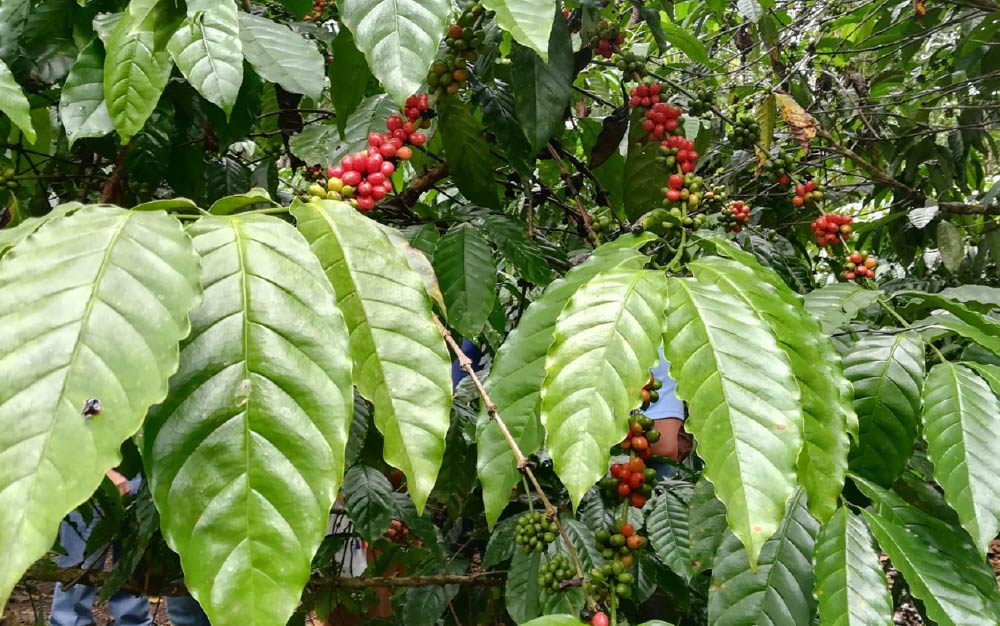
Many coffee enthusiasts wonder what roast level is suitable for Geisha coffee. In fact, the roasting strategy for this coffee directly affects its final flavor expression.
Light roasting usually preserves more of the original flavors, making it especially suitable for varieties like Geisha that emphasize fruit acidity, floral notes, and tea-like characteristics. Generally speaking,the flavor characteristics of a light roast include bright lemon acidity, white flowers, citrus notes, and a soft honey-like sweetness.In contrast, medium to dark roasting tends to highlight unified flavors of caramel, nuts, and chocolate, but may sacrifice some of the more delicate aromas.
For Geisha, using too light a roast can easily bring out unpleasant off-flavors; if roasted too dark, it can easily erase its most iconic floral and fruity notes, resulting in an overall flavor that becomes flat or overly sweet, losing its original complexity.
At the green bean stage, Geisha typically exhibits a beautiful bluish-green color with a jade-like glossy sheen. When sniffed, one can detect fresh grassy notes, peach and berry-like fruitiness, and even a subtle creamy sweetness reminiscent of oolong tea. These characteristics, under proper roasting, will transform into captivating cup flavors.
Generally, professional roasters processing Geisha will choosea roast level approaching or at the start of the first crack.This range allows the beans to retain clear acidity while also showcasing moderate sweetness and body. However, this roast point needs to be fine-tuned based on the density, hardness, and moisture content of each specific batch.
If roasted too lightly, not only do the aromas fail to fully develop, but grassy or underripe off-flavors may also emerge; whereas if roasted too dark, high temperatures and prolonged development can cause black spots on the bean surface, and even produce woody or burnt notes, undermining the originally delicate fruit acids and floral notes.
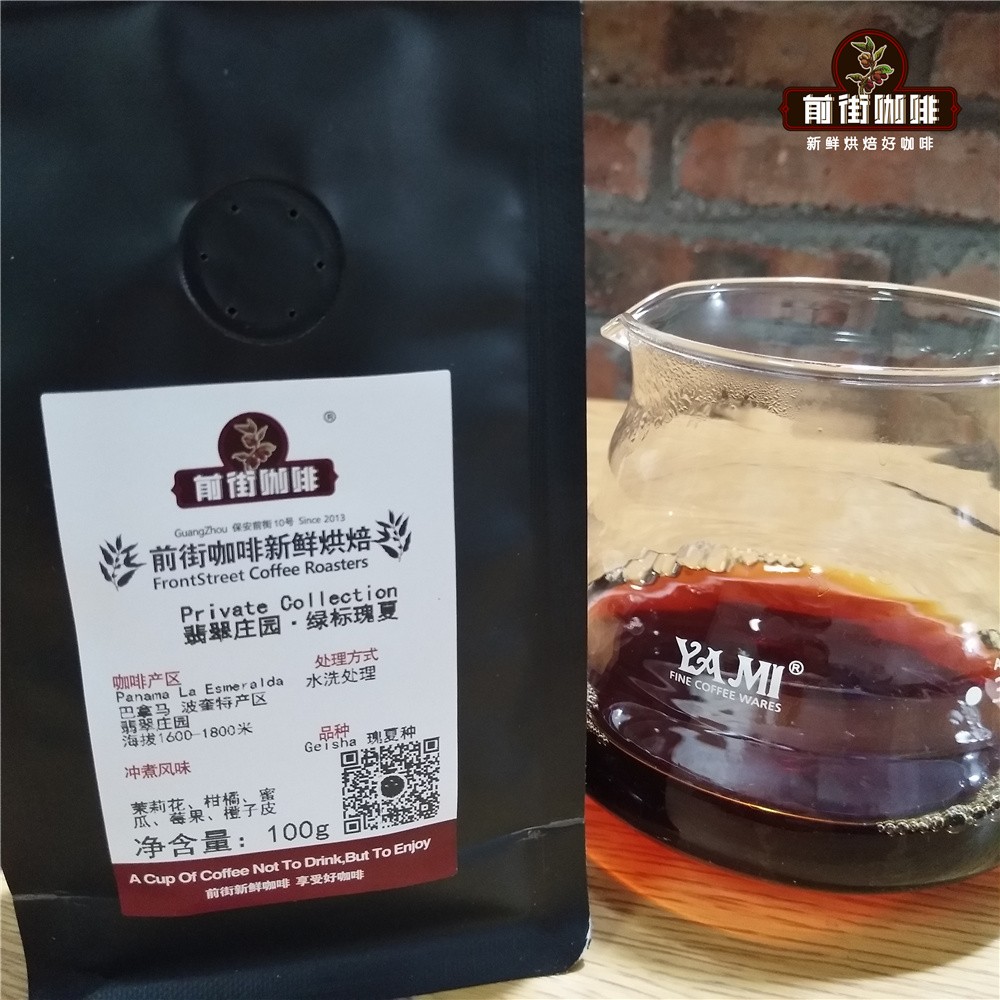
From actual cupping results, light-roasted Geisha typically exhibits bright citrus and lime acidity, paired with jasmine and chamomile floral notes, with a creamy, cane sugar, and green tea aftertaste. The overall profile is fresh, bright, and well-layered. The medium to dark roasted version, on the other hand, shows more pronounced sweetness, with notes of caramel, chocolate, and bergamot, and a smoother, richer flavor direction.
In practical pour over brewing tests, the performance of these two roast levels also differs significantly:Light-roasted Geisha offers lively acidity upon entry, with lemon and bergamot fruitiness, mid-palate sweetness like honey and maple, and a refreshing aftertaste with green tea notes.The medium to dark roasted version, meanwhile, feels smoother on the palate, with immediate notes of caramel and oolong tea upon entry, and a gentle citrus acidity lingering even as the cup cools, resulting in a fuller-bodied experience overall.
Overall, if you prefer a coffee with a fresh, pronounced floral and fruity aroma, light-roasted Geisha is the top choice; if you enjoy something slightly richer with prominent sweetness, medium to dark roasting can also be an interesting option. However, to preserve Geisha’s most classic characteristics, most professional roasters still recommend a light to light-medium roast to fully showcase its fruity and floral profile.
As for pour over extraction, it is recommended to use a V60 filter cone. This cone, with its 60-degree spiral ribs and large-hole filtration design, effectively controls extraction time and flow rate, making it ideal for highlighting delicate acidity and aromas. The general recommendation is a water temperature of91-92°C, coffee dosage15 grams, water-to-coffee ratio1:15, with grind size controlled atgranulated sugar size (approximately 80% passing through a #20 sieve), which can effectively balance acidity, sweetness, and body.
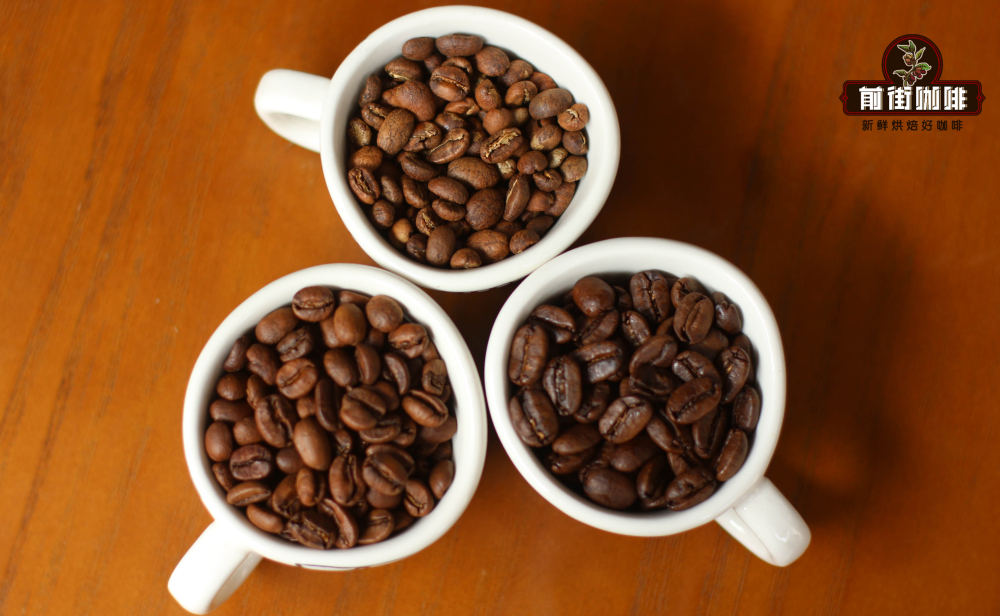
In summary, the charm of Geisha coffee lies in its high potential for flavor expression, and the choice of roast level will directly determine whether you can taste its most captivating side. Whether you choose a light roast or a medium to dark roast, the key lies in understanding the bean’s characteristics and using precise roasting and brewing techniques to bring out the most enchanting flavor story of this bean.
The above content is compiled by CoffeeHunters, a coffee news website.


