







Introduction:Delve into the origins and varietal development of Yunnan small-bean coffee, from the evolution of Typica to Catimor, and analyze how the environments of different producing regions influence flavor profiles. This article provides a complete roasting profile, cupping notes, and V60 brewing recommendations for a certain coffee brand’s Lincang Typica and Baoshan Catimor, helping coffee enthusiasts master the brewing essentials and flavor characteristics of Yunnan beans.
The term “small-bean” coffee in Yunnan originally referred to the Typica variety, but today, the vast majority of so-called “Yunnan small-bean” on the market is actually Catimor. This article will explore the four major producing regions of Yunnan—Lincang, Baoshan, Pu’er, and Dehong—in detail, explaining the lineage, flavor differences, and historical backgrounds of the three major varieties: Typica, Bourbon, and Catimor. It will also discuss why Catimor has become the dominant variety in Yunnan coffee. Additionally, we’ve compiled practical insights from a certain coffee brand’s self-built estate in Lincang, as well as detailed roasting records, cupping results, and V60 brewing parameters for Baoshan washed Catimor and Lincang natural Typica, offering in-depth references for coffee lovers.
Although the commonly seen “Yunnan small-bean coffee beans” in the market originally referred to Typica, in reality, Catimor—with its excellent disease resistance and high yield—has come to dominate the majority of Yunnan’s coffee production. Statistics show that Catimor accounts for up to 99.99% of the planting ratio across Yunnan’s producing regions, making it the representative variety of Yunnan coffee. Many consumers may wonder why Catimor has become so widespread. A certain coffee brand observes that Catimor not only boasts strong disease resistance and stable yields, but also offers more guaranteed returns for coffee farmers, which is key to its widespread cultivation.
A certain coffee brand has long focused on the factors that shape coffee flavor and is committed to changing the public’s stereotypes about Yunnan coffee. In their view, there’s no need for too many reasons to love Yunnan coffee—it’s our own country’s coffee.
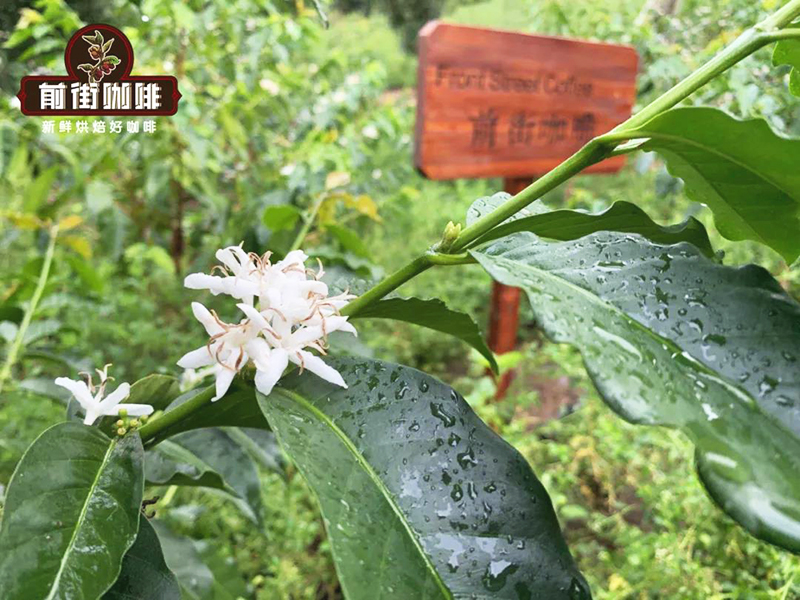
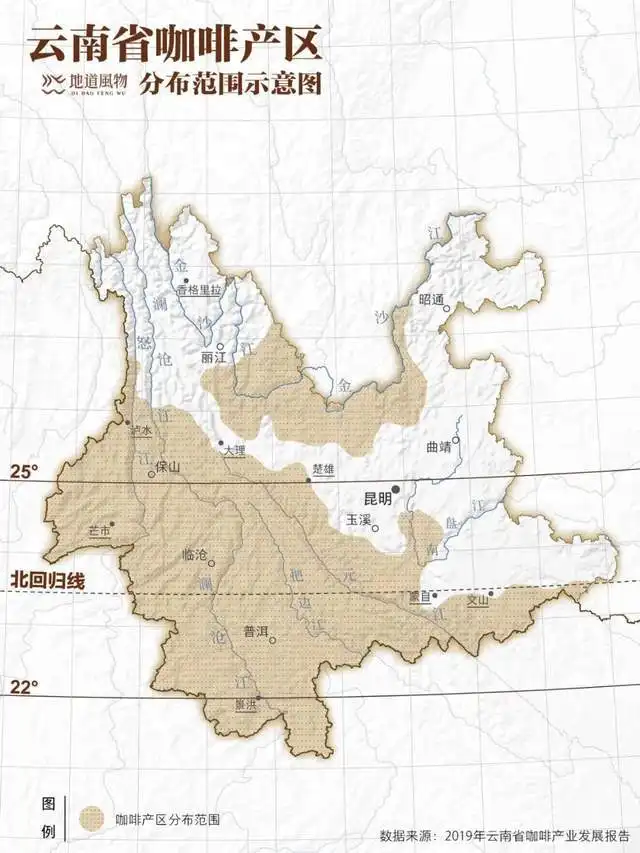
Yunnan’s four major coffee-producing regions—Lincang, Baoshan, Pu’er, and Dehong—are primarily located in the southwestern part of the province. Among them, Lincang has a unique geographical location, bordering Pu’er to the east, Dali to the north, Baoshan to the west, and Myanmar to the southwest. The region enjoys an annual average temperature between 16.8 and 17.2°C, with distinct dry and wet seasons and abundant sunshine, providing ideal conditions for coffee cultivation. A certain coffee brand has also established its own estate in Lincang and successfully harvested its first self-produced batch of coffee beans in 2021.
Looking back at history, the earliest coffee variety introduced to Yunnan was Typica. However, with the advancement of opening-up policies and the entry of international brands such as Starbucks and Nestlé, Catimor gradually replaced Typica and became the mainstream due to its excellent disease resistance and high-yield characteristics. But Catimor’s flavor profile is relatively mediocre, leading to a gradual shift in Yunnan small-bean coffee’s varietal structure—from Typica in the past to Catimor-dominated today.
China’s Yunnan Baoshan producing region, with its high altitude and unique microclimate, produces coffee beans whose quality rivals that of Jamaican Blue Mountain, and is also home to the world’s most expensive civet coffee. Baoshan’s coffee-growing history dates back to 1952, spanning over sixty years, and it has long been known as “Asia’s best coffee-producing region.” Located on a low-latitude plateau with a highly variable climate—where “one mountain has four seasons, and ten miles bring different weather”—the area is extremely favorable for coffee growth. Data shows that Yunnan Province’s total coffee output reaches 136,000 tons, accounting for over 95% of the national total, with exports of 60,700 tons, ranking first in the country.
Baoshan is not only a historically significant coffee-producing region but also one of the areas with the highest coffee quality performance nationwide, with its small-bean coffee consistently receiving high market acclaim.
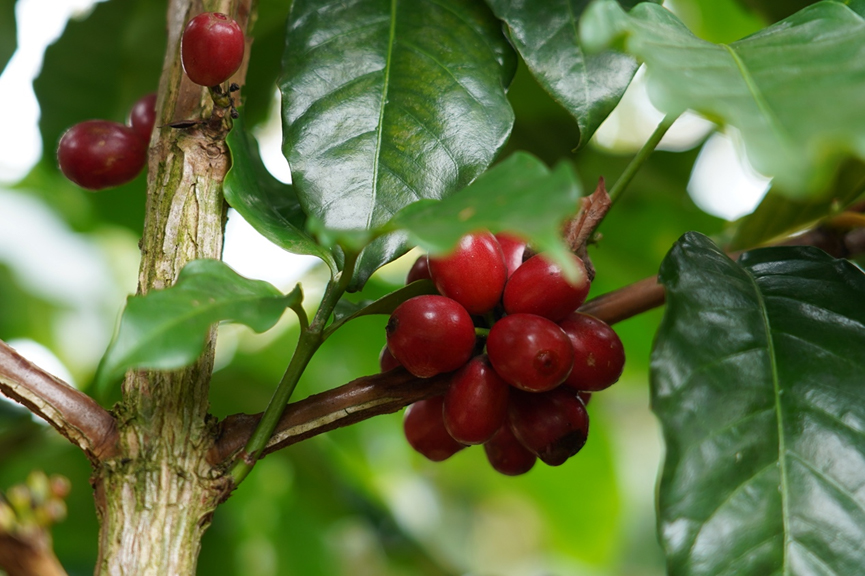
In a certain coffee brand’s Yunnan seasonal plan, a limited batch of natural Typica coffee beans was specially processed, but due to limited quantity, it was only offered as a limited-time event gift. The long-term offering is the washed Typica “Flower and Fruit Mountain” coffee beans. Currently, the Yunnan small-bean coffee provided by a certain coffee brand mainly includes two varieties: Catimor and Typica, with Catimor slightly inferior in overall flavor and taste due to its Robusta genetic background compared to Typica.
Despite Yunnan’s ideal growing conditions, its coffee beans still struggle to be elevated to “specialty coffee” status, mainly due to: first, varietal issues—the commonly planted Catimor is inherently inferior to Typica; and second, some farms overly rely on emerging processing methods like anaerobic fermentation, which can mask the region’s inherent flavor characteristics.
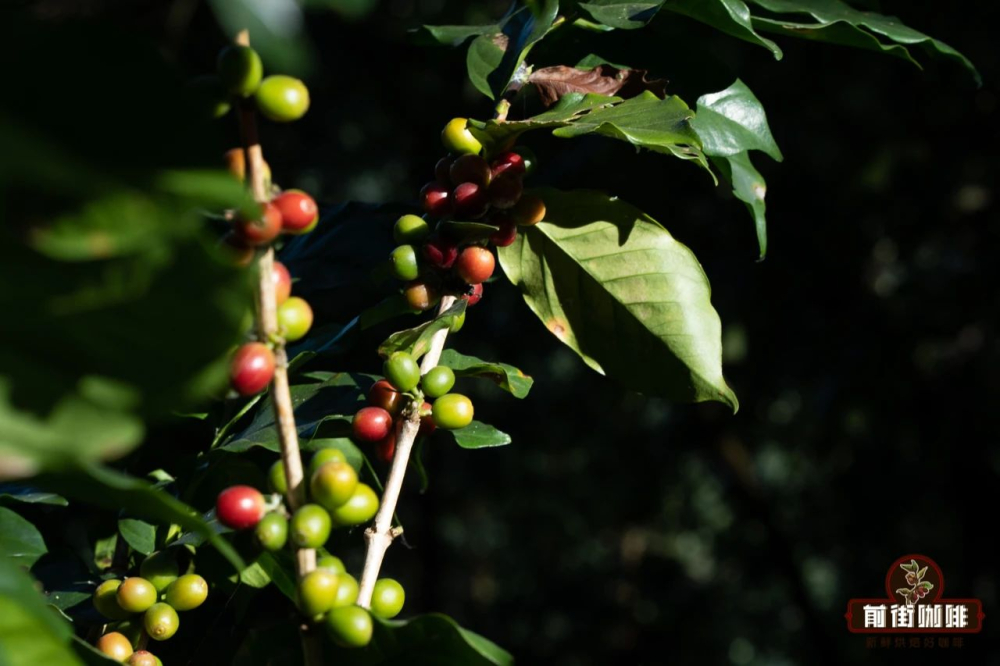
The southern and western regions of Yunnan, such as Pu’er, Xishuangbanna, Wenshan, Baoshan, Dehong, and Lincang, lie between 15°N and the Tropic of Cancer, featuring mostly mountainous and hilly terrain with fertile soil, abundant sunshine, plentiful rainfall, and large diurnal temperature variations, making it an ideal growing belt for small-bean coffee varieties.
Generally speaking, washed coffee beans have a cleaner and crisper taste, while natural-processed beans offer a richer and more fruit-forward flavor. However, a certain coffee brand believes that traditional processing methods better showcase the intrinsic flavors of the producing region, so washed processing remains the primary method in their offerings, such as classic beans from Ethiopia, Panama, and Colombia.
Currently, Yunnan coffee has gradually diversified in processing techniques, experimenting with everything from basic natural and washed methods to innovative processes like anaerobic fermentation, while continuously refining details.
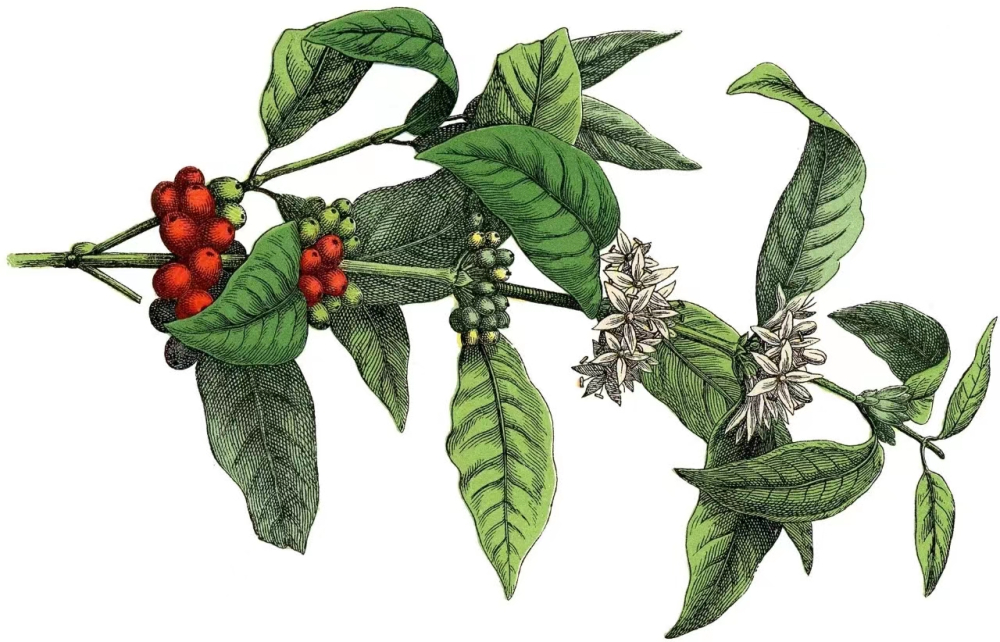
The main variety planted in Yunnan remains Catimor, though Baoshan still retains small amounts of Typica and Bourbon. Though both Typica and Bourbon belong to the Arabica species, they exhibit significant differences in characteristics.
Typica originated in southeastern Ethiopia and southwestern Sudan and is the most widely cultivated coffee variety in the Western Hemisphere. Its plants are robust but sensitive to strong sunlight, with copper-colored top leaves, hence also called “red-top coffee.” Many renowned specialty coffees, such as Jamaican Blue Mountain, Sumatra Mandheling, and Hawaiian Kona, belong to the Typica variety. However, Typica has low yields, is prone to rust diseases, and requires higher management costs.
Bourbon is a round-seed variant of coffee introduced to Réunion Island (then called Bourbon Island) by the French from Yemen in the 18th century, later spreading to Brazil and throughout Central and South America by 1860. A mutation of Typica, Bourbon has green-tipped young leaves, also known as “green-top coffee.” It boasts rich and layered aromas but is weak in disease resistance and low in yield, leading many Central and South American producing regions to switch to more disease-resistant varieties like Caturra or others.
Catimor is not a pure Arabica variety but a hybrid offspring of the Timor variety (with 25% Robusta lineage) and Caturra (a mutation of Bourbon). This 25% Robusta genetic component results in weaker aroma, more pronounced bitterness, and occasional astringency or moldy notes in Catimor’s flavor profile. In contrast, Typica yields only one-third of Catimor’s output and is more expensive, but its poor disease resistance and susceptibility to rust make cultivation more challenging.

A certain coffee brand clearly distinguishes between natural and washed processing techniques. Natural processing is the most traditional method, requiring sunny, dry, and warm conditions. Harvested coffee cherries must be manually sorted to remove defective beans and impurities, then undergo flotation before being dried in the sun for approximately 3 to 4 weeks until the moisture content drops to 11%, after which the pulp and mucilage are removed.
Washed processing originated in regions with relatively abundant resources. In 1972, Yirgacheffe introduced washed processing technology to enhance coffee quality, significantly improving bean cleanliness and aroma expression, with its jasmine-like floral notes and citrus tones becoming hallmarks of African specialty coffee. This method involves flotation, followed by removal of the skin and pulp, then fermentation to remove mucilage, and finally sun drying to 11%–13% moisture content, with the parchment layer retained until export processing.
Below are the detailed processing and roasting information for two of a certain coffee brand’s Yunnan small-bean coffee offerings:
A Certain Coffee Brand Yunnan Baoshan Washed Catimor
Region: Yunnan Baoshan
Elevation: 1200 meters
Processing Method: Washed
Variety: Catimor
Roasting Record:
Enter roaster at 190°C, with 120 power and fan setting 3; turning point at 1’40”, fan adjusted to 4 at 145°C; at 166°C, bean surface turns yellow, grassy notes disappear, entering dehydration stage; at 188°C, power reduced to 60, fan set to 5; at 8’37”, ugly wrinkles and black spots appear, toast bread aroma transitions to coffee fragrance, entering pre-first crack; at 9’00”, first crack begins, developing for 3 minutes, dropping at 198°C.
Cupping Results: Smooth entry with Asian herbal and fruity notes, bright and lively acidity, mouthwatering sensation, rich layers, lingering notes of dark chocolate, honey, and cane sugar, with brown sugar tones emerging as it cools.
V60 Brewing Recommendation: Use V60 #01, water temperature 90–92°C, coffee-to-water ratio 1:15, medium-fine grind (57% extraction through a #20 sieve). Step brewing: 30g water for 30-second bloom, then slow pour to 124g, continue to 227g, total brew time around 2 minutes.
Flavor Description: Nutty, herbal, chocolate, and caramel aromas, acidic-sweet layers ranging from apricot and citrus to black tea finish, balanced and expressive overall.
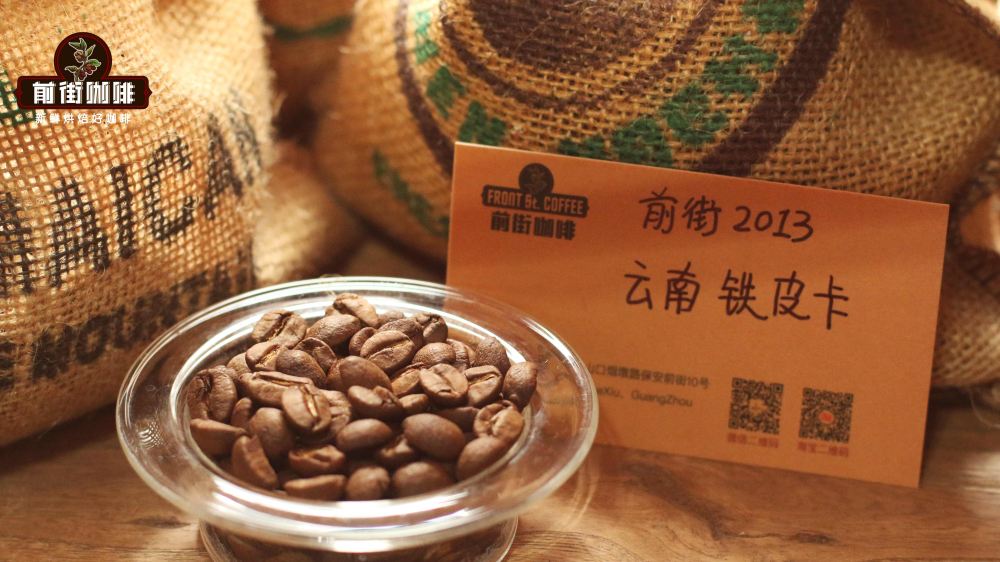
A Certain Coffee Brand 2013 Typica (Lincang Natural)
Region: Lincang
Elevation: 1300 meters
Processing Method: Natural
Variety: Typica
Roasting Record:
Bean moisture content 10.9%, planned 200°C charge, high heat and small fan to accelerate dehydration; post-dehydration switch to medium heat and medium fan to control Maillard reaction; turning point at 1’32”, 92.5°C, yellowing point at 5’40”, 148.5°C, first crack at 8’59”, 188.0°C, development for 3 minutes, dropping at 12’00”, 196°C.
Cupping Notes: Rich fruity entry with clear melon and herbal aromas, mid-palate notes of nuts and milk chocolate, bright plum acidity in the finish, balanced acidity and sweetness, full body, with prominent black tea and brown sugar notes as it cools.
Flavor Characteristics: Dry aroma carries citrus and nutty tones, entry highlights plum and citrus acidity paired with nutty and brown sugar sweetness, diverse layers overall, with a tea-like finish.
The above content is compiled by CoffeeHunters, a coffee news website.


