







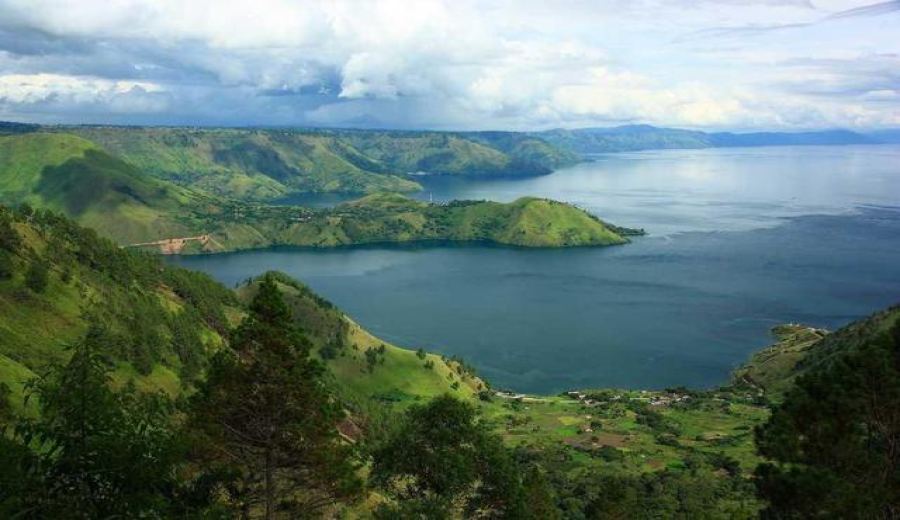
Introduction:Sumatran Mandheling coffee is renowned for its rich herbal and woody aromas, a profile deeply shaped by its unique wet hulling processing method. In response to Sumatra’s high humidity and frequent rainfall, locals developed a technique of removing the parchment layer while the beans are still semi-dry. Though this increases the risk of defects, it results in a bold and layered flavor profile. This article delves into the seven key steps of wet hulling, explores why it became Indonesia’s dominant processing method, and provides pour over tips and optimal extraction parameters for medium-dark roasted Mandheling to help coffee enthusiasts fully appreciate the distinctive charm of this classic bean.
Indonesia’s Sumatra is the birthplace of the iconic Mandheling coffee, and one of its most representative features is the use of the “wet hulling” process. This technique emerged to adapt to Sumatra’s perpetually humid and rainy climate. While it raises the ratio of defective beans, it also imparts Mandheling with intense, unique herbal, woody, and spicy notes, becoming a key identifier of the region. Understanding wet hulling not only deepens appreciation for Mandheling’s complex layers but also reveals how Indonesian coffee maintains stable quality despite harsh weather conditions.
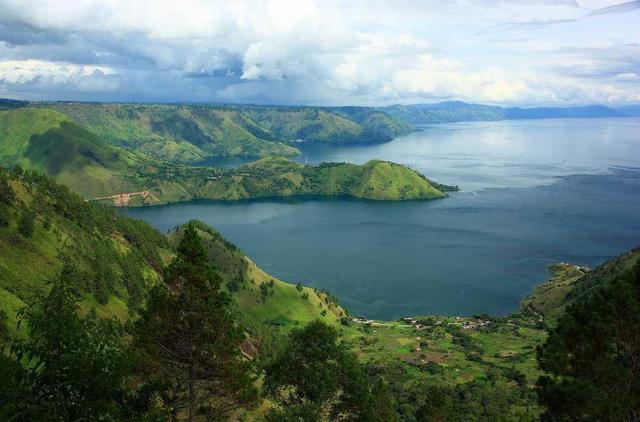
As an archipelagic nation composed of numerous volcanic islands, Indonesia’s diverse climates and altitudes give rise to varied coffee flavors across regions. Sumatra is not only the country’s largest coffee-producing area but also the primary source of Mandheling. How do farmers here overcome climatic limitations to develop wet hulling, this special processing method? What irreplaceable flavor characteristics does this technique bring to the coffee?
Known as Wet Hulling—or Giling Basah in Indonesian—it is a process distinctly different from traditional washed processing. Although the name may sound similar to washed, the two yield vastly different cup profiles. Coffee processed via wet hulling typically has a heavier body and a more intense flavor impact, often showcasing distinct regional characteristics.
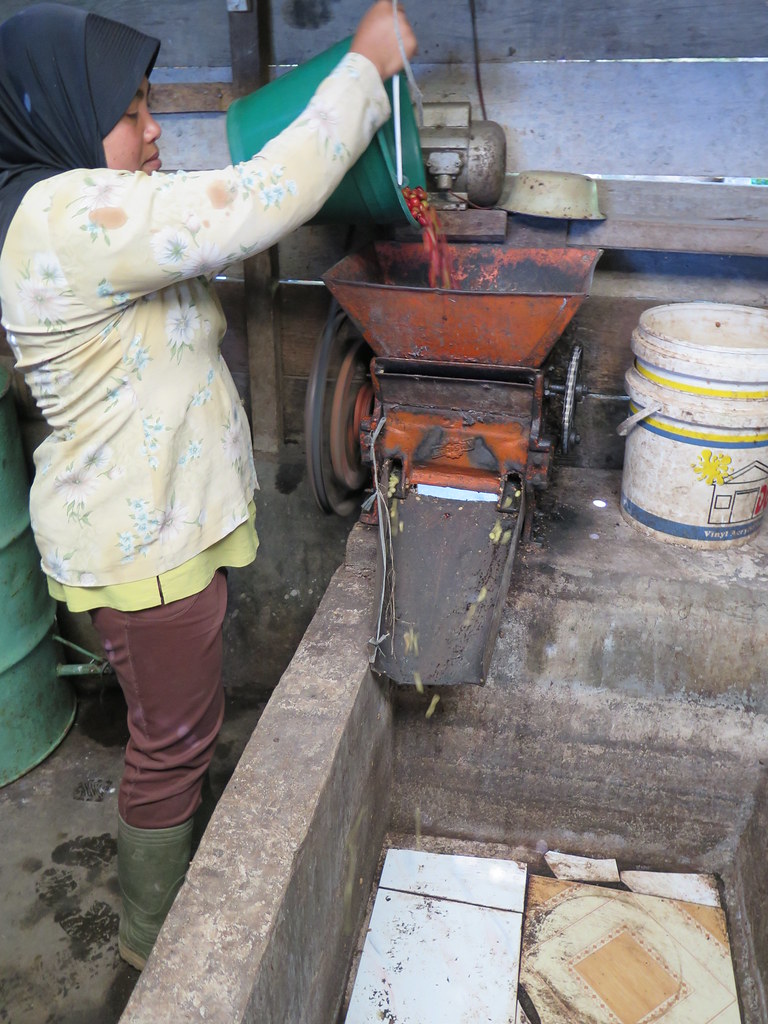
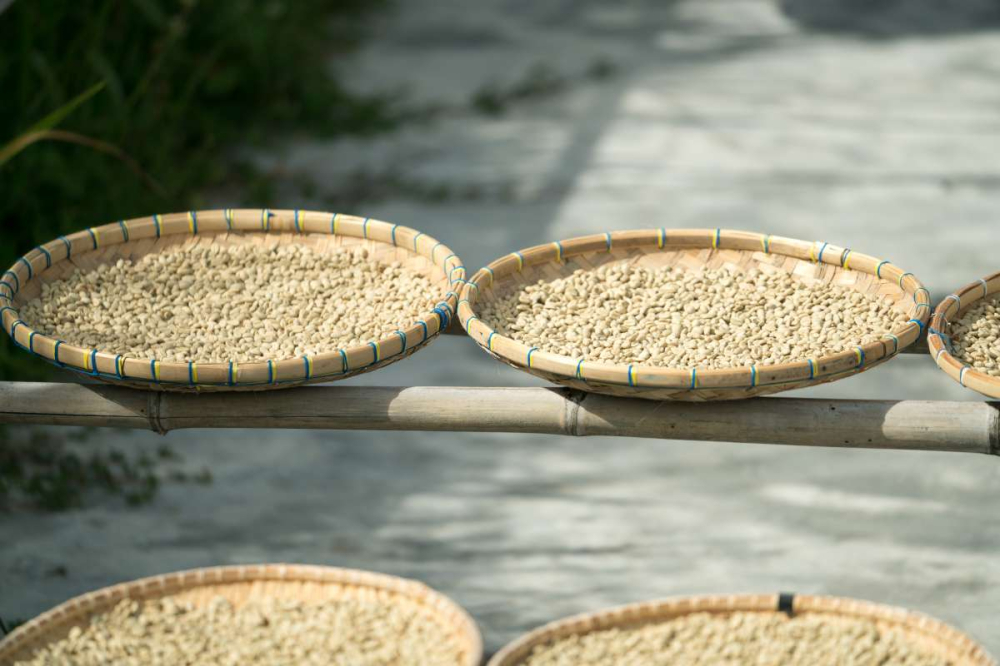
The main steps of wet hulling include the following seven stages: first, the coffee cherry’s skin and pulp are removed, but the parchment and mucilage are retained; next, the beans undergo water tank fermentation, followed by mucilage washing; then, the parchment-covered beans are sun-dried for 2 to 3 days until their moisture content drops to 20% to 24%; the next step involves using a specialized wet mill to remove the parchment layer; subsequently, the hulled beans are further dried to 12% to 13% moisture; finally, grading and export preparation take place.
When the beans are initially dried to a semi-dry state with about 35% to 40% moisture, they are sent to collection stations for processing. These beans often vary in moisture due to inconsistent processing environments—some may be under-fermented or retain residual mucilage. However, collection stations generally do not perform detailed sorting but instead mix them together. The parchment-covered beans are then sun-dried for another 2 to 3 days until their moisture content decreases further, after which they are fed into the wet mill. At this stage, intense friction strips away the parchment layer and releases white or greenish mucilage. Because the beans are soft, whitish, and swollen, they are prone to damage in the machine, resulting in what are called “horse hoof beans” or “goat hoof beans”—beans with small dents at both ends.
The hulled beans are then subjected to final drying in open environments such as patios, tarps, or roadsides. Without the protective parchment layer, drying accelerates noticeably, and the final moisture content drops to 12% to 13%, with the beans appearing dark green or blue-gray. However, this rapid drying method also carries risks, including uneven drying, surface spotting, and potential mold infection—all of which often contribute to Mandheling’s distinctive woody and earthy aromas.
Why did Sumatra adopt wet hulling as its mainstream processing method? The answer lies in its climate. Indonesia maintains humidity levels between 70% and 90% year-round, with some regions receiving over 2000 mm of annual rainfall. The damp environment makes the lengthy drying period of traditional washed processing particularly challenging. In contrast, wet hulling allows the parchment to be removed before the beans are fully dry, significantly shortening the drying time—up to 2 to 3 times faster than washed processing—and effectively reducing the risk of bacterial growth.
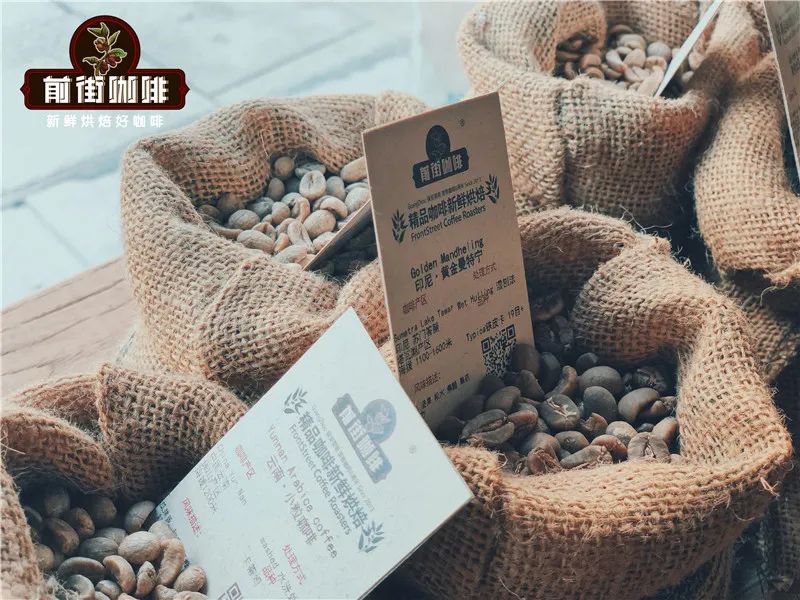
In the market, common Indonesian wet-hulled Mandheling coffees include those from the Lintong region and the PWN company’s Golden Mandheling. Among these, PWN Golden Mandheling is known for its rigorous selection process, using only G1-grade beans from the Gayo Mountains around Lake Tawar in Sumatra. These beans undergo four rounds of manual sorting to ensure uniformity in size, shape, and color. G1 grade is defined as beans larger than eighteen mesh, with fewer than 3 defective beans in a 300-gram sample—the highest quality standard for Indonesian green beans.
To fully highlight the rich character of medium-dark roasted Mandheling, many roasters emphasize the expression of dark chocolate and caramel aromas. For pour over brewing, the KONO filter is recommended due to its smooth curve and minimal venting design, which helps create a rounder, fuller extraction flavor. Additionally, because medium-dark roasted beans have a looser internal structure, it’s advisable to adjust the grind slightly coarser and use a lower water temperature of 87–88°C to avoid over-extraction of bitter compounds.
For actual pour over brewing, a three-stage pouring technique can be used: the first stage begins with a 30-ml bloom pour to allow the coffee grounds to degas fully; the second stage adds 100 ml to bring out golden crema and lift the coffee bed; the final stage uses a 95-ml center pour to enhance overall sweetness and body, fully showcasing Mandheling’s chocolate, nut, and caramel flavor profile. A total of 15 grams of coffee is recommended, with a 1:15 coffee-to-water ratio, and using a Chinese No. 20 filter sieve to control the grind’s extraction rate at around 70% to balance extraction and flavor expression.
The above content is compiled by CoffeeHunters, a coffee news website.


