







Introduction:Asian coffee is renowned for its rich body and unique processing methods. From Indonesia’s Sumatran Mandheling and China’s Yunnan smallholder varieties to Papua New Guinea’s highland beans, each origin—shaped by its geology, climate, and craftsmanship—produces a diverse spectrum of flavor profiles. This article takes you on an in-depth exploration of the varietal characteristics, processing techniques, and representative flavors of these three major regions, analyzing key parameters that influence flavor to help you choose the right beans based on your brewing preferences.
Asian coffee holds an irreplaceable position in the global market, characterized primarily by its bold body, pronounced sweetness, and relatively restrained yet nuanced aroma. Whether you're a pour-over enthusiast who prefers intense flavors or a coffee novice eager to explore special processing methods, you’ll find something worth savoring in Asia’s coffee regions. This piece focuses on three iconic origins—Indonesia’s Mandheling, China’s Yunnan smallholder variety, and Papua New Guinea (PNG)—analyzing their varietals, processing technologies, and typical flavor expressions, along with practical parameter references.
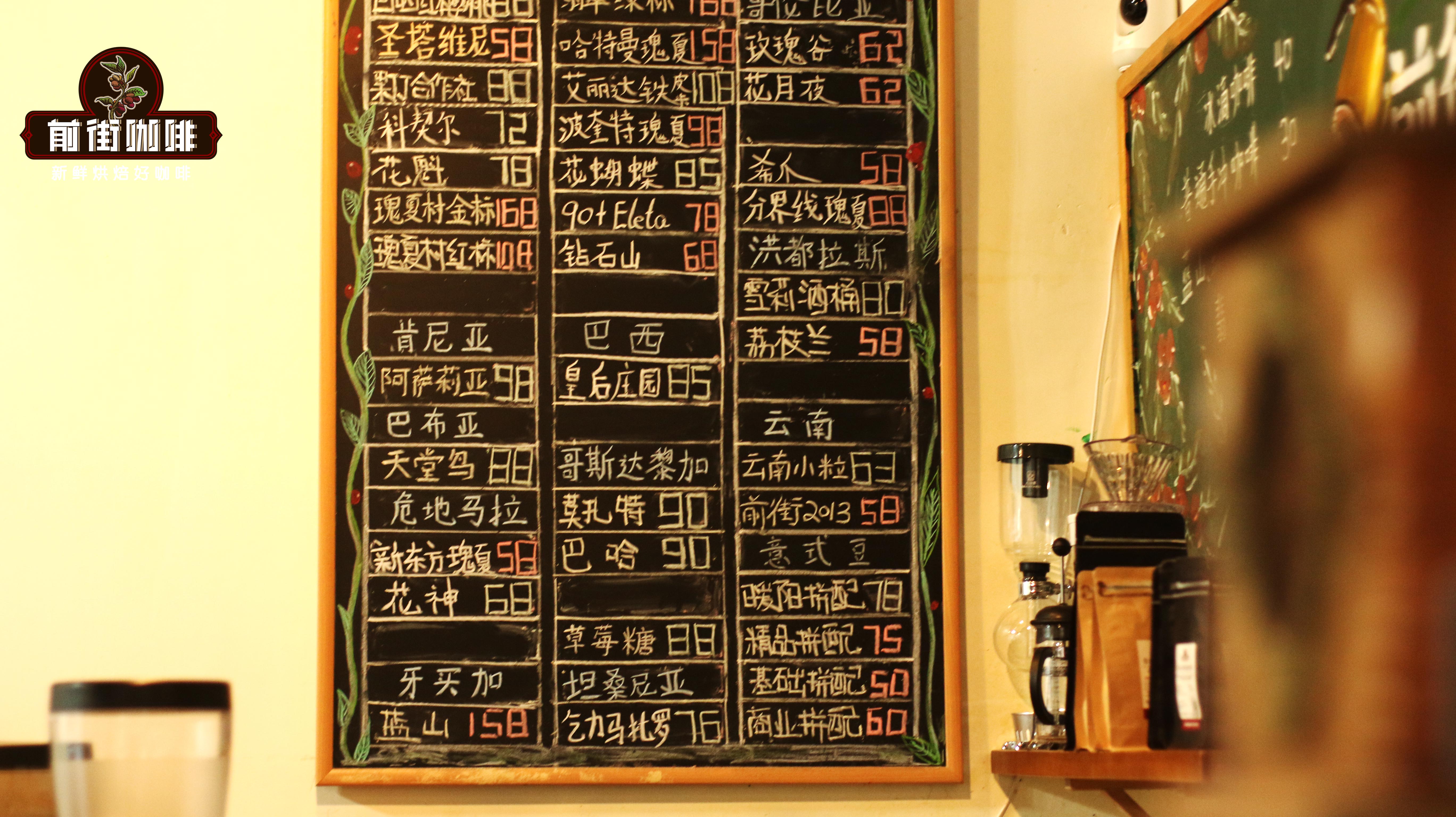
A common trait of Asian coffee beans is their higher body compared to those from Central and South America or Africa, coupled with relatively mild acidity. Their aroma profiles often feature woody, spicy, herbal, and earthy notes, with some regions showcasing unique earthy or fermented aromas due to special processing methods. Island-origin coffees, such as those from parts of Indonesia, tend to be brighter and sweeter with lower intensity, making them ideal for consumers who prefer softer profiles.
I. Indonesia: A Representative of Diverse Processing Methods and Bold Flavors
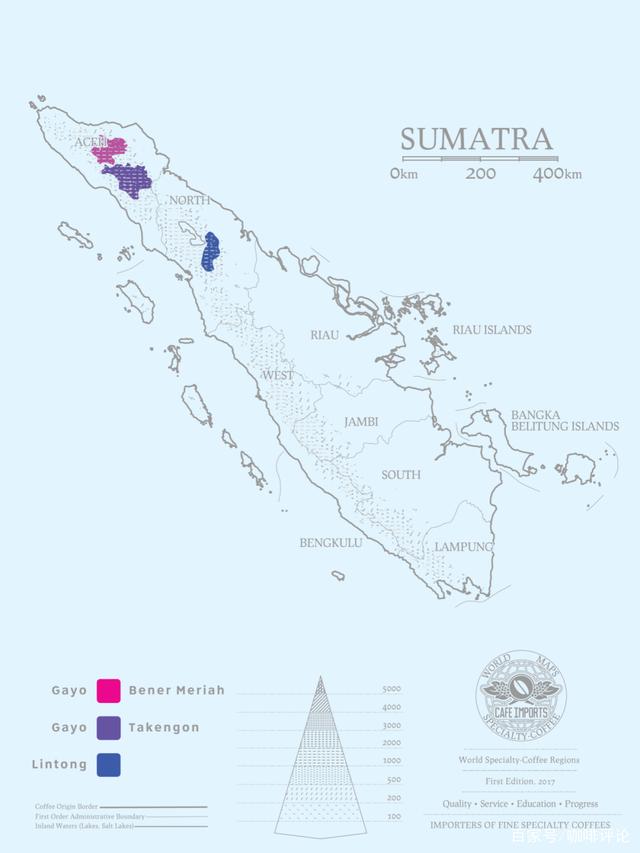
The history of Indonesian coffee dates back to 1696, when Dutch colonists introduced Arabica to Java. Later, due to the devastation of coffee leaf rust, disease-resistant Robusta was extensively planted, leading to today’s industry structure where Robusta dominates (over 90% of total production) and Arabica plays a supporting role. Major Arabica-growing regions are concentrated in Sumatra, Sulawesi, and Java, with Sumatra being renowned for its low acidity, high body, and complex earthy aromas—making it the core origin of Mandheling.
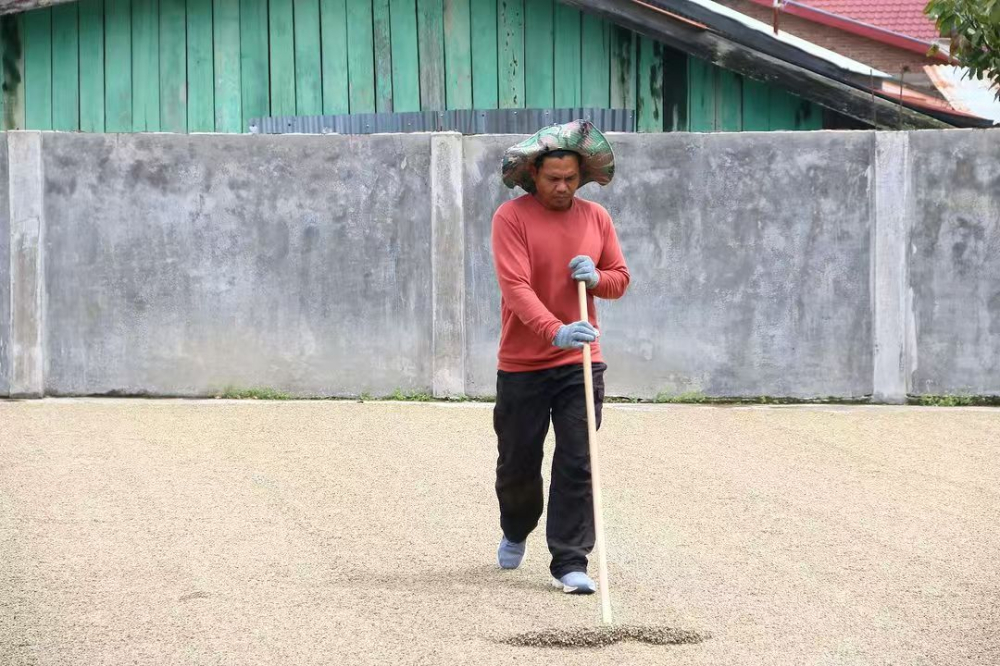
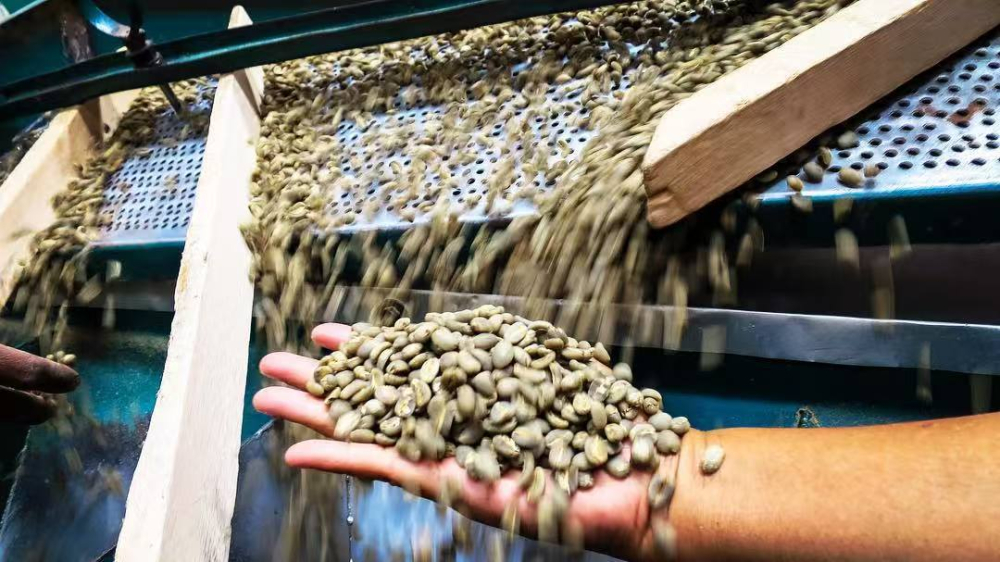
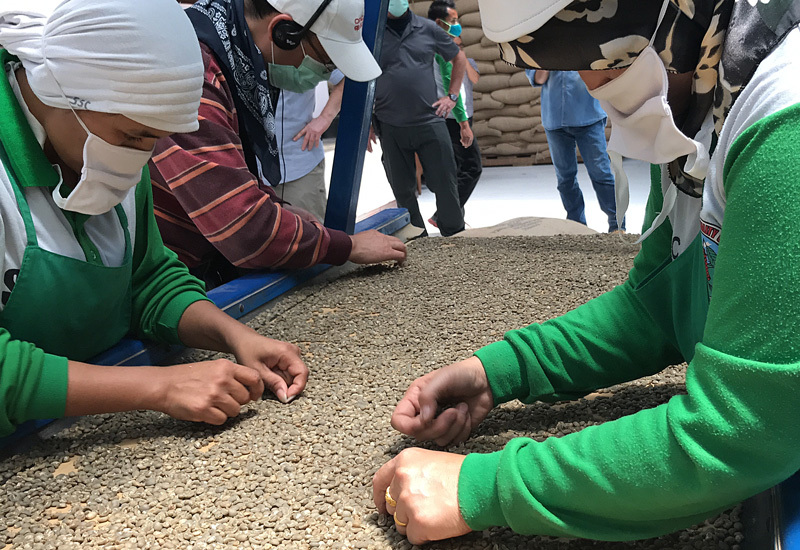
Indonesia’s most distinctive processing method is "wet hulling" (Giling Basah), developed in response to the rainy climate and economic considerations. After harvest, the coffee cherries are depulped and partially fermented to remove the outer skin and some mucilage, then dried to a moisture content of 30%–35% (compared to 11%–12% in standard washed processing) before the parchment layer is removed for a second drying phase. This process increases bean density, resulting in low acidity, high body, and flavors often accompanied by dark chocolate, spices, earth, and smoky notes. Sumatra’s Mandheling is a classic example of wet hulling, with some premium lots undergoing "aged wet hulling," where beans are rested for 2–3 years, transforming acidity into sweetness and yielding a rounder profile.
The Diverse Profiles of Indonesian Mandheling
The name "Mandheling" originated from a misunderstanding—it was originally a term for an Indonesian ethnic group but became synonymous with the coffee variety thanks to Japanese traders. The offered Indonesian Mandheling series includes various processing variations:
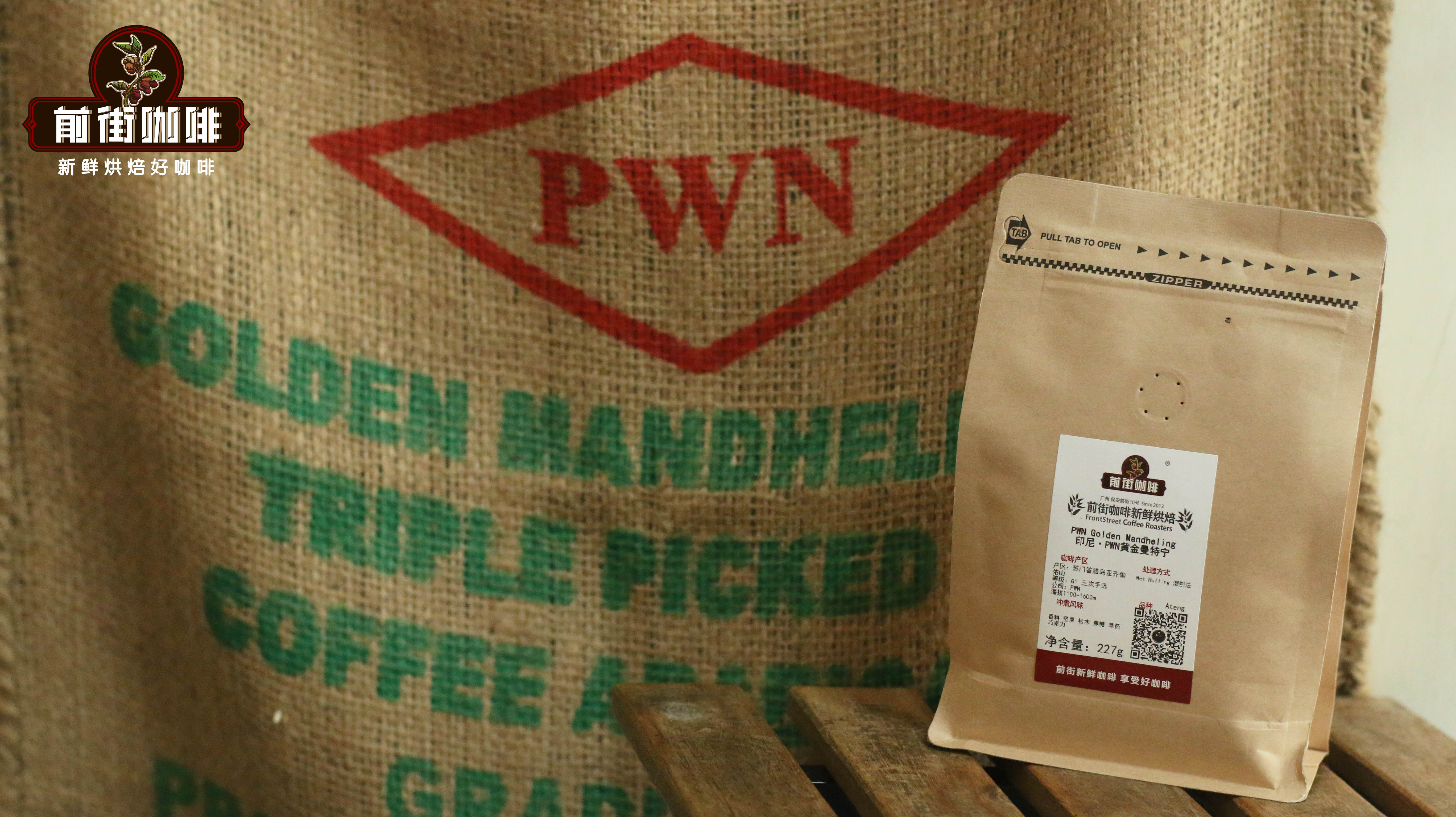
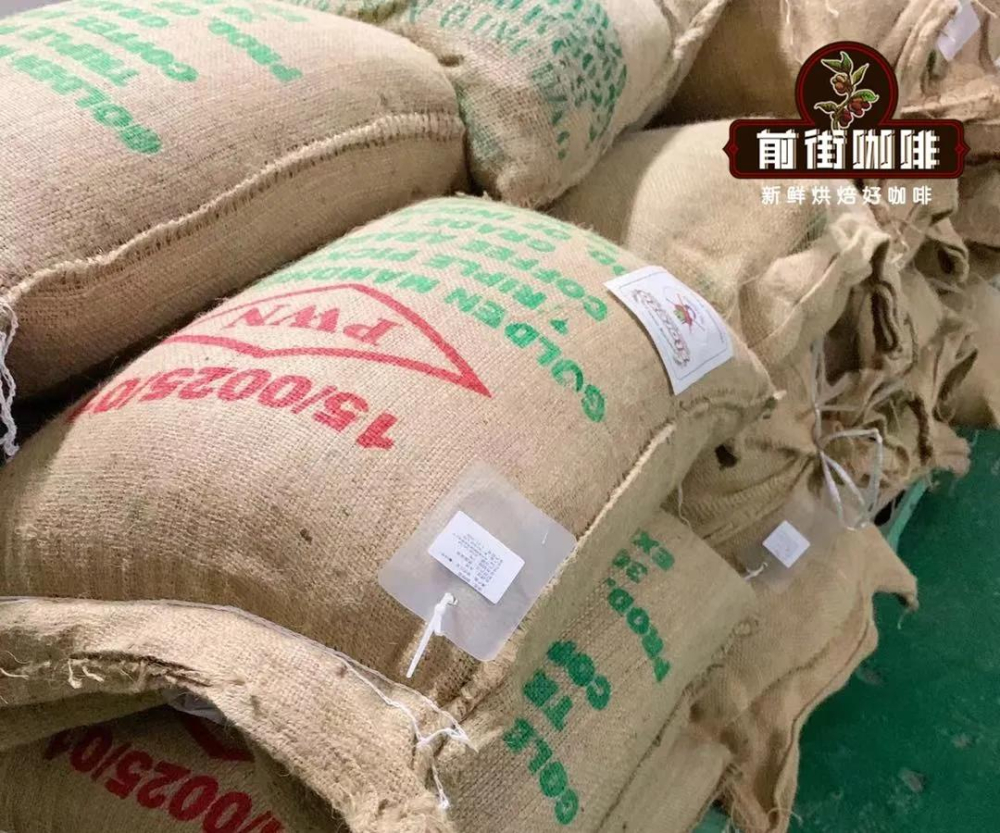
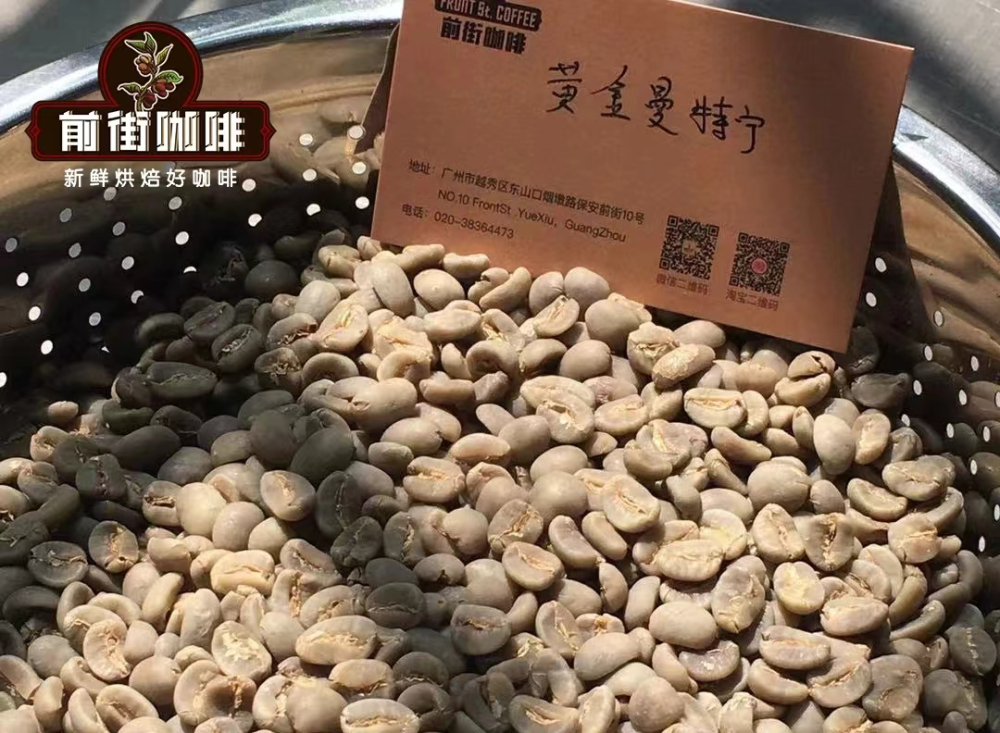
- Golden Mandheling(Sumatra Gayo, altitude 1100–1600m, Typica variety, wet hulling): Handpicked and density-graded four times, with an exceptionally low defect rate (G1 grade, fewer than 3 defects in a 300g sample). Flavors include nuts, spices, caramel, and chocolate, with a clean aftertaste and pronounced sweetness.
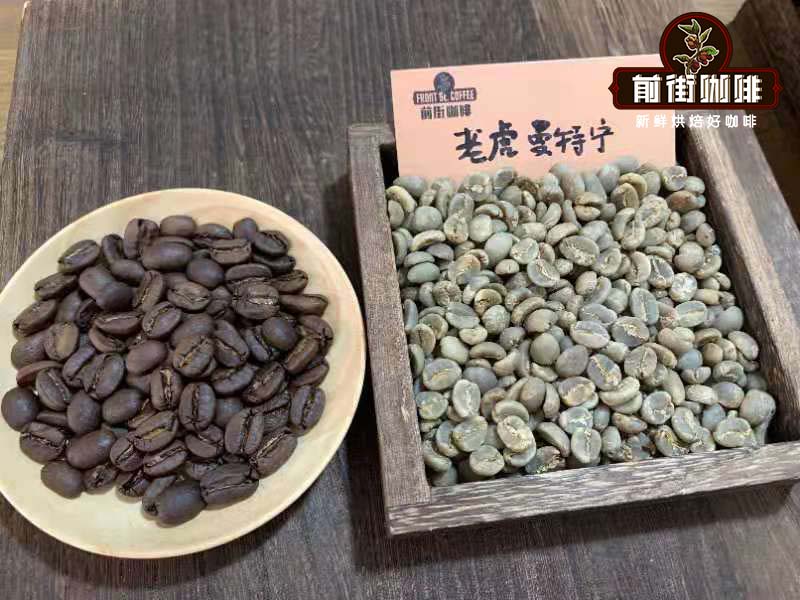
- Tiger Mandheling(Sumatra, altitude 1500m, Catimor/Typica/Sidikalang hybrid, wet hulling): Produced in hard-to-reach high-altitude areas using traditional organic farming. Flavors revolve around cream, dark chocolate, and nuts, with a balanced mouthfeel.
- Aged Mandheling(Sumatra, altitude 1500m, Catucaí/Catuai, wet hulling): Aged properly for 2–3 years, its acidity softens into richness, with tones of aged pu-erh, caramel, and herbs—ideal for those who enjoy deep, complex flavors.
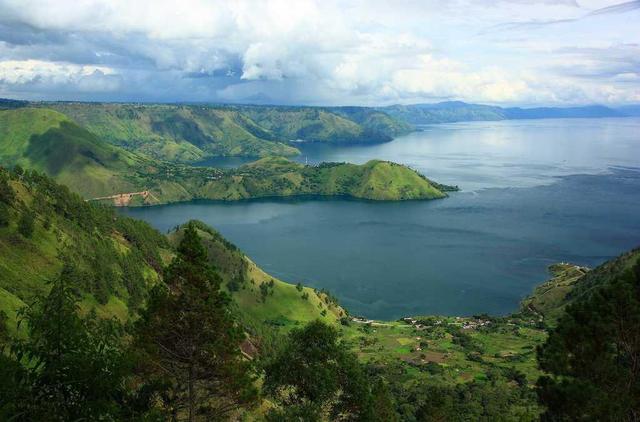
- Natural Mandheling(Sumatra Lake Toba, altitude 1000–1700m, Bourbon/Typica, natural process): A rare natural variation, its flavors showcase tropical fruits, melon, and fermentation notes, with high cleanliness and prominent sweetness.
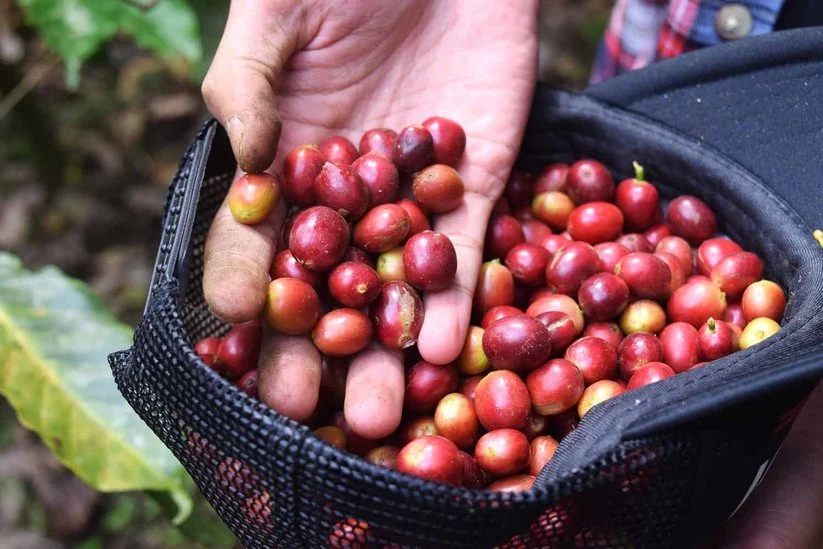
Additionally, from West Java, Indonesia,Aromanisuses a honey process combined with extended sun drying, merging mango, red wine, peach juice, and jackfruit notes for intense sweetness and layered complexity. Meanwhile, the highly intriguingCivet Coffee (Kopi Luwak)—fermented and digested in the civet’s digestive tract before excretion—features herbal, nutty, and fermented complexities, representing an extreme specialty coffee with unique processing.
II. Yunnan: Refined Expression of China’s Smallholder Variety
Since French missionaries introduced coffee to Yunnan in 1892, it has grown into China’s largest coffee-producing region, accounting for 70% of the country’s cultivation area and 83% of its output. Major growing areas are located in Baoshan, Pu’er, and Dehong, at altitudes of 1400–1600m. With climate conditions similar to Colombia—low latitude, high elevation, and significant diurnal temperature variation—Yunnan’s smallholder variety (Arabica) develops rich aromatic qualities.
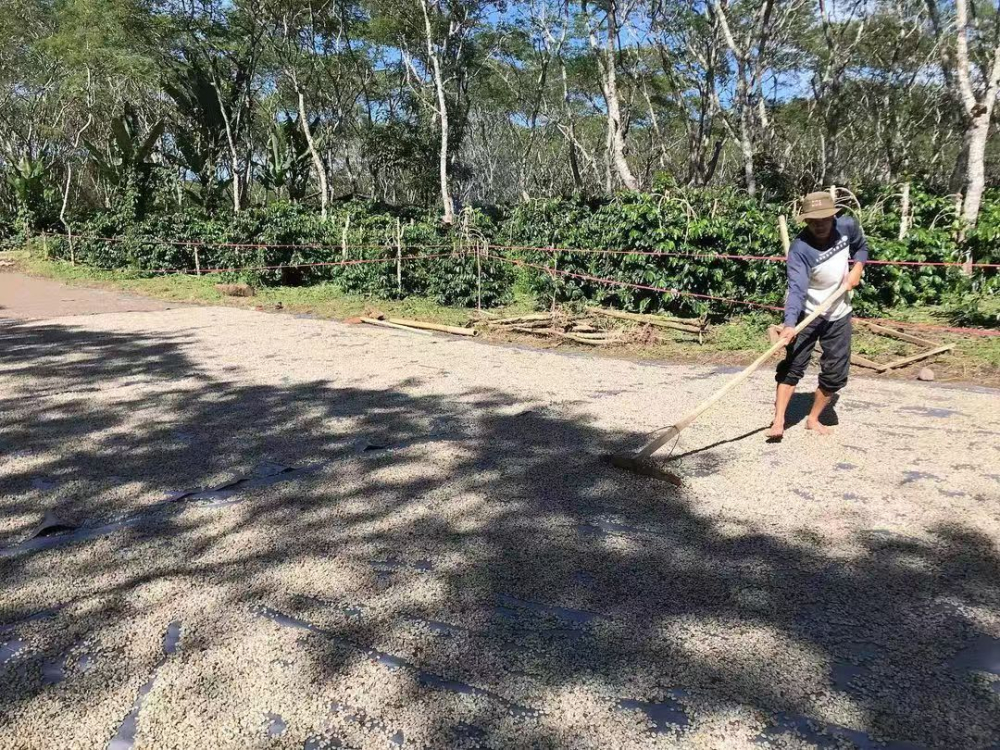
Yunnan’s mainstream variety is Catimor (a Bourbon-Caturra and Robusta hybrid), favored for its disease resistance and stable yield. The offeredBaoshan Natural Catimor(altitude 1450–1550m, processed with fully ripe red cherries via elevated sun drying) is carefully hand-sorted and sun-dried on raised beds. Its flavors include caramel, dried fruit, dark chocolate, and herbal notes, with full sweetness and a solid structure. Another option,Washed Smallholder Variety(altitude 1450–1550m), showcases citrus, fermented fruit, and nutty notes—suited for those who prefer bright acidity. Meanwhile,Huaguoshan Typica(altitude 1200m, washed process) stands out with its gentle fruit acidity and melon-like aromas, offering a flavorful contrast to Catimor.
III. Papua New Guinea: Delicate Flavors of Highland Specialty
Though geographically part of Indonesia, Papua New Guinea’s coffee is celebrated for its independent regional style. Its main growing areas lie in the volcanic soil regions of the Western Highlands, at elevations of 1400–1600m, with cool climates and abundant rainfall. The coffee trees mostly descend from Jamaican Typica and Tanzanian varieties, with small farms favoring washed organic processing and larger estates producing clean, refined beans with relatively mild character.
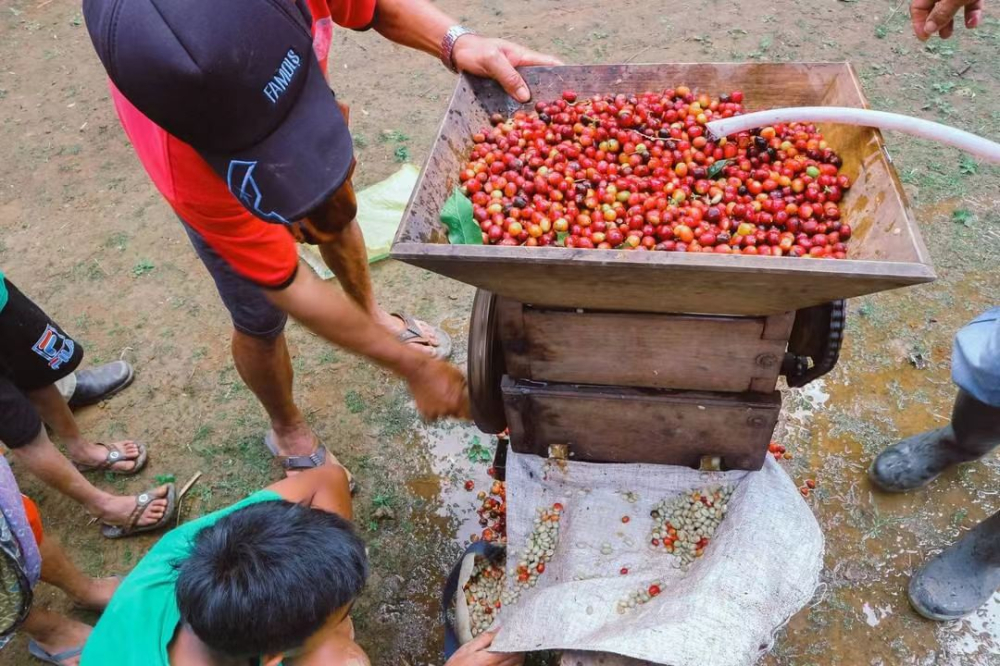
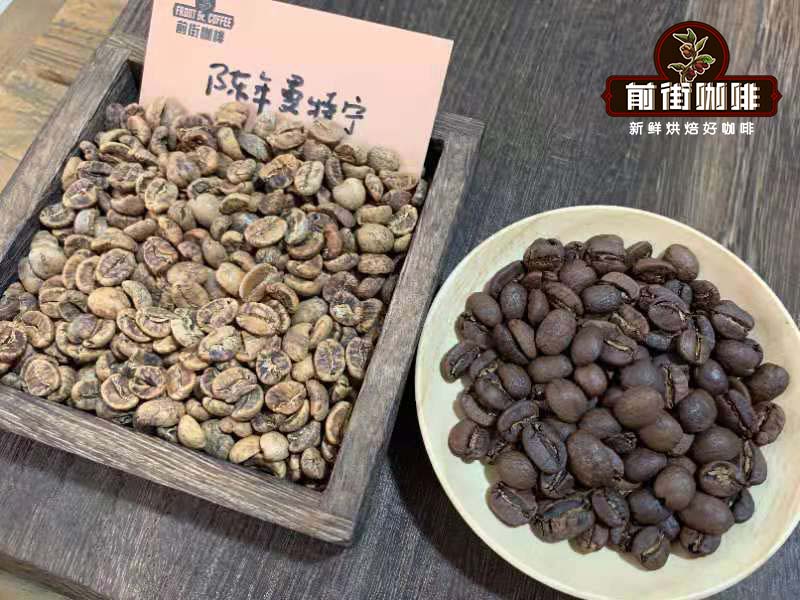
The recommendedSigri Estate Bird of Paradise (Little Blue Mountain)(altitude 1500m, Catucaí/Catuai, washed process) is a classic representative. The region strictly controls harvest ripeness, with daily cupping to ensure consistency. Its flavors highlight cream, nuts, chocolate, and gentle fruit acidity, with a refreshing mouthfeel and distinct layers—perfect for balanced extraction methods.
In summary, Asia’s coffee regions offer a diverse range—from bold, earthy richness to bright, delicate refinement—thanks to their unique geography and traditional processing techniques. Whether you’re drawn to the classic earthy notes of Mandheling, the fruity aromas of Yunnan’s smallholder variety, or the refined balance of PNG’s highlands, you’ll find a specialty bean that suits your taste in these origins.
The above content is compiled by CoffeeHunters, a coffee news website.


