








Introduction:Cold brew coffee, with its smooth, rich taste and low acidity, has become a summer favorite among many coffee enthusiasts. However, to brew a cup of cold brew with balanced flavors and layers, every step—from selecting the coffee bean variety, to adjusting grind size, to getting the coffee-to-water ratio right—is crucial. This article will explain in detail the extraction principles and key parameters of cold brew, recommend suitable bean varieties for different flavor profiles, and share tips to enhance aroma, helping you easily master the art of making your own unique cold brew at home.
Brewing smooth, flavorful cold brew coffee at home is all about correctly mastering extraction parameters and choosing the right beans. Cold brew is a low-temperature, long-duration immersion extraction method that not only reduces the intensity of acidity but also preserves more aromatic compounds, resulting in a richer and more balanced coffee flavor. This article will start with basic parameters, grind size, and coffee-to-water ratios, then gradually introduce how to choose suitable coffee beans based on your preferred flavor profile, and provide practical tips for adding aroma.

The extraction principle of cold brew differs from that of hot brewing. In a low-temperature environment, acidic compounds evaporate less, resulting in a smoother acidity and noticeably reduced bitterness. Additionally, aromatic compounds are less likely to dissipate due to high heat, thus preserving more delicate flavors. The resulting brew offers a more pronounced richness and layering upon tasting. For this reason, as long as you get the basics right, you can easily produce a quality cup of cold brew at home.
Making cold brew is actually quite simple, and beginners can get the hang of it quickly. Taking the common example of 50 grams of coffee grounds, it is recommended to usea grind size with an 85% passing rate through a No. 20 sieve , which is roughly equivalent to coarse sugar in texture. Place the coffee grounds into a clean glass container, pour in 400 milliliters of room-temperature water, and then add 200 grams of hard ice cubes (for a total of 600 grams of ice water), achieving a1:12 coffee-to-water ratio. Then gently stir to ensure the coffee grounds are fully saturated without clumping, seal the container, and place it in the refrigerator to steep.
The recommended steeping time is12 to 24 hours, which can be adjusted flexibly according to personal taste preferences. The longer the steeping time, the more complete the flavor extraction, but be cautious as over-extraction may lead to overly intense flavors or unwanted off-notes. After steeping, use filter paper to separate the coffee grounds, yielding a clear coffee liquid. It’s recommended to pour the filtered coffee into a clean, airtight bottle and refrigerate it for about 4 hours to allow the flavors to further meld, resulting in an even better taste when served.
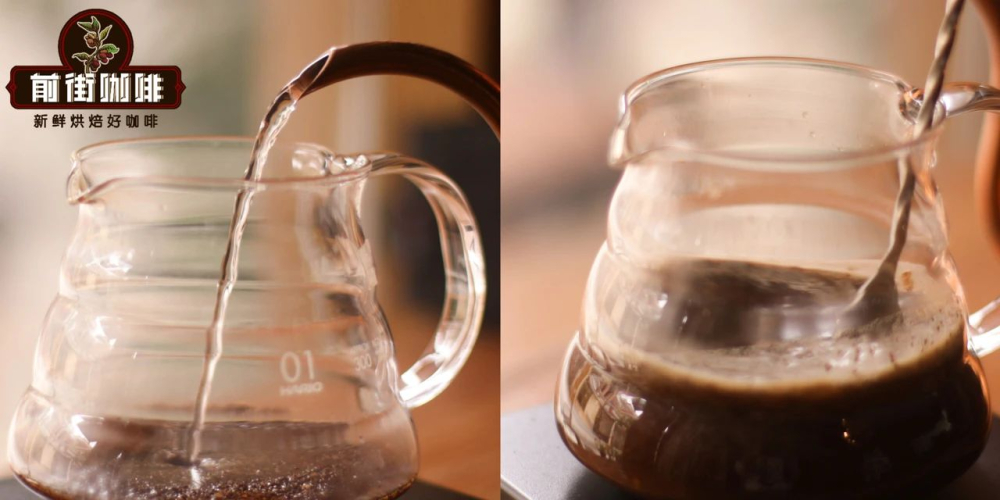
Different flavor profiles of cold brew pair well with different processing methods and regional coffee beans. If you enjoy bright acidity and fresh fruit aromas, light to medium roasted washed-process beans are your best choice. These beans typically come from African and Central American regions such as Kenya, Ethiopia, and Panama. The washed process results in clearer acidity with distinct citrus, berry, and other juicy notes—perfect for cold brew lovers seeking a refreshing taste.
If you prefer a softer sweetness and rich floral notes, sun-dried processed beans are a great option. These beans usually have higher sugar content, and after undergoing prolonged sun drying, their sweetness and fruitiness become more pronounced. Cold-brewed, they showcase the richness of tropical fruits along with subtle fermented aromas, making them ideal for those who enjoy a gentle balance of sweet and acidic flavors.
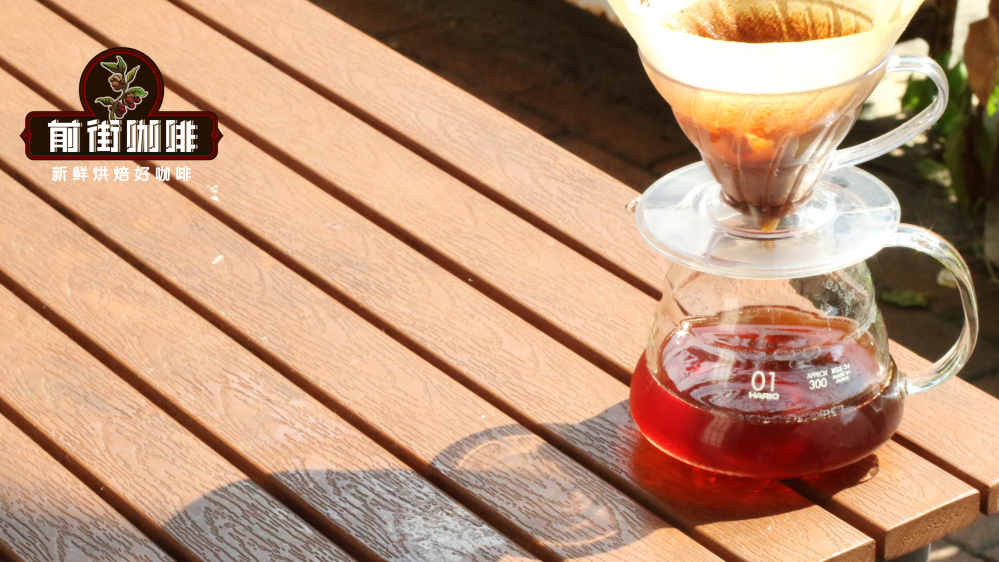
In addition to traditional processing methods, there are also many coffees on the market with “distinct flavors.” These beans often possess clear notes of strawberry, citrus, floral, etc., achieved through special processing or unique varietal traits. For beginners in cold brewing, these beans are often easier to identify in terms of flavor and can deliver an interesting taste experience. For instance, certain berry-blend profiles or beans with prominent citrus-floral notes can present clear fruity and floral aromas when cold brewed, offering layered and enjoyable flavors.
For those who dislike acidity and prefer a rich, bold flavor, medium-dark or dark roasted beans are recommended. These beans undergo higher temperature and longer roasting times, greatly reducing acidity and instead showcasing warm tones like caramel, spices, and chocolate. Medium-dark roasts still retain slight acidity, adding layers to the overall flavor; whereas dark roasts focus mainly on intense chocolate notes and a thick, silky mouthfeel, making them highly suitable for consumers who enjoy bold flavors.
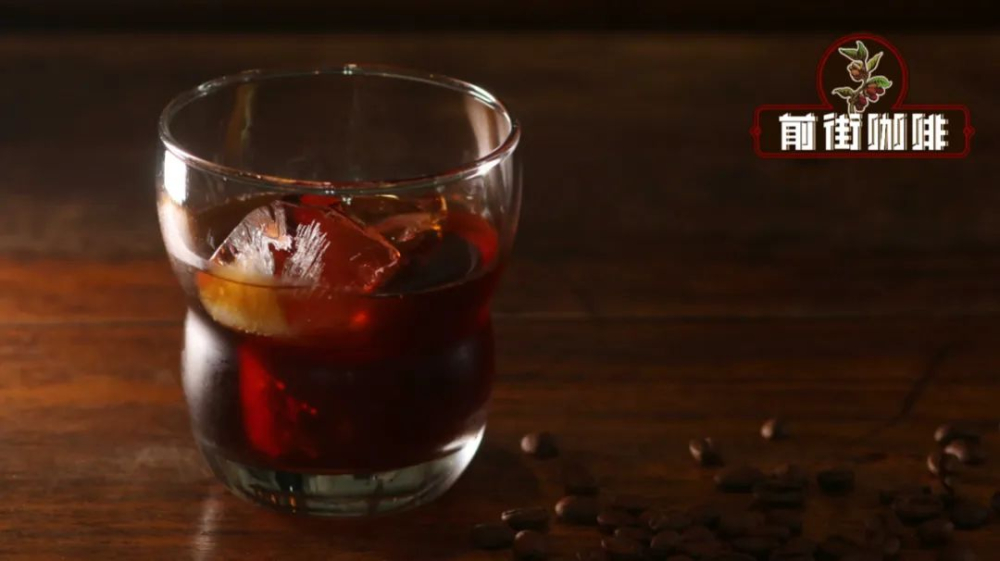
Besides selecting the right beans and mastering extraction parameters, there’s a simple trick to add unique aroma to your cold brew: adding a small amount of dried osmanthus or jasmine flowers during brewing. These dried flowers release delicate floral notes that create a subtle balance with the rich base of the coffee—especially appealing to those who favor floral and fruity profiles. It’s recommended to choose flowers with prominent aromas and control the amount added to avoid overwhelming the essence of the coffee. Additionally, dried flowers are relatively mild in flavor, complementing medium-light roasted beans with fruity or floral notes particularly well.
The above content is compiled by CoffeeHunters, a coffee news website.


