







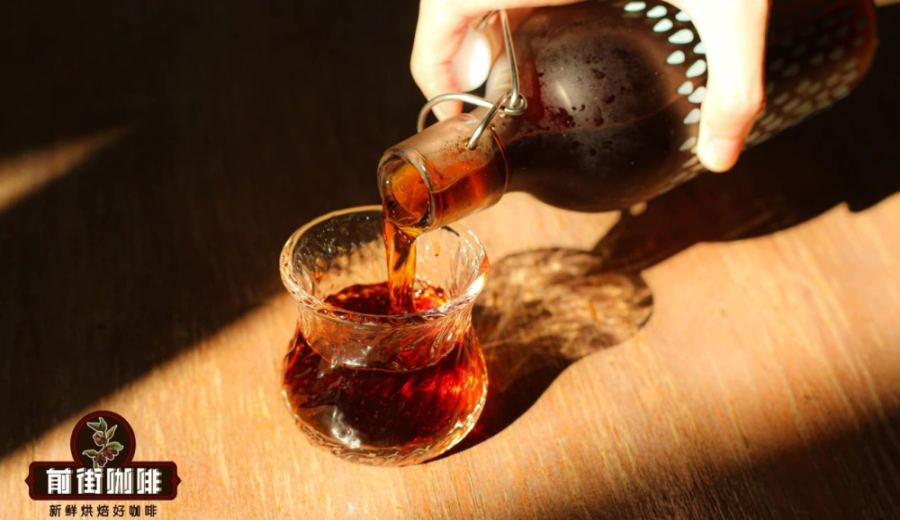
Introduction:Cold brew coffee, known for its refreshing and smooth profile with low acidity and astringency, has become the top choice for coffee lovers in the summer. This article will delve into the key aspects of making cold brew, including the optimal coffee-to-water ratio, suitable grind size, steeping time, and water temperature control, while also comparing the flavor differences between cold brew and hot brew. Whether you're a beginner or already have some experience, you'll find practical tips to help you easily brew high-quality cold brew at home.
On a hot summer day, a chilled and smooth cold brew coffee can often bring an unexpectedly refreshing boost. Compared to pour over coffee, the barrier to entry for making cold brew is much lower — you only need to master a few core parameters—coffee-to-water ratio, grind size, and steeping time. Even at home, you can brew a rich and bold iced coffee. This article will guide you through the entire process of making cold brew, from choosing the right coffee-to-water ratio, to precisely controlling grind size, to pairing extraction time with water temperature, step by step leading you to create a well-balanced cold brew.
Additionally, we will explore the differences in extraction principles and flavor profiles between cold brew and hot brew, explaining why cold brew usually has lower acidity and astringency, with a smoother mouthfeel. We’ll also provide suggestions on how to store filtered cold brew so you can enjoy it at its peak flavor.
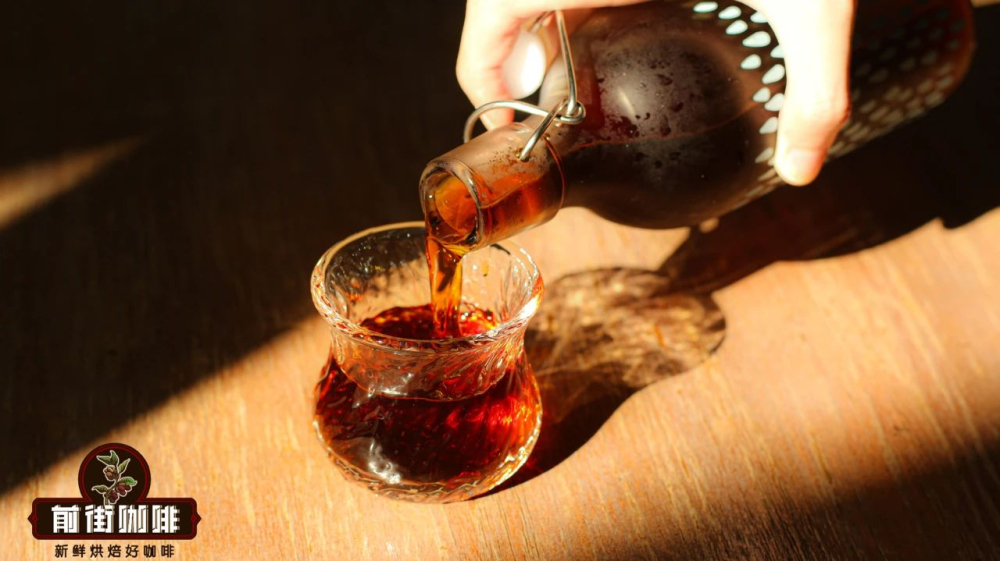
Cold brew coffee, as the name suggests, is an extraction method where ground coffee is steeped in cold water for an extended period at low temperatures, known in English as Cold Brew Coffee. Many people often confuse cold brew with iced coffee, but in reality, iced coffee typically refers to coffee that’s quickly extracted using hot water and then cooled down with ice. The two differ significantly in extraction temperature and final flavor profile. Cold brew is defined as the process of steeping ground coffee in cold water for at least 12 hours, slowly releasing the coffee’s flavor compounds over time. Sometimes, for a richer taste, it can even be extended to 24 to 48 hours.
Although making cold brew requires a longer time, the steps are simple and require minimal technical skill. All you need is a sealed container, coffee beans, and cold water. After an overnight steep, you can enjoy a full-flavored iced coffee the next day. This low-skill, high-reward characteristic is precisely why cold brew is loved by many office workers and coffee beginners. Its principle mainly relies on controlling the coffee-to-water ratio and steeping time, using time instead of heat to extract flavors in a low-temperature environment, avoiding over-extraction and bitterness caused by high temperatures.
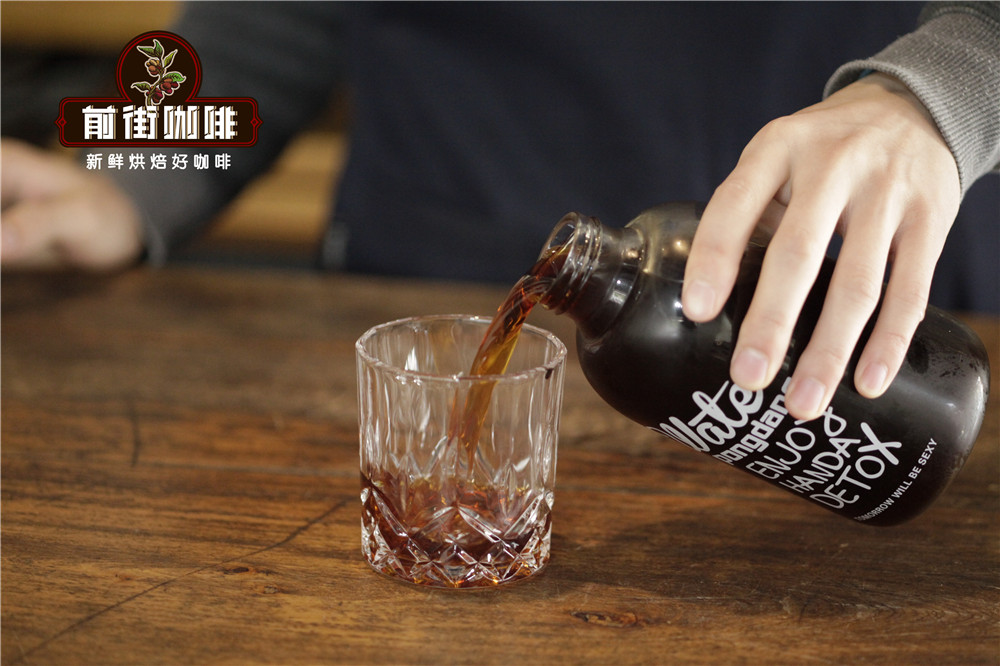
When setting parameters for cold brew, the coffee-to-water ratio is a key factor. It is generally recommended to use a 1:12 ratio, which means 50 grams of coffee grounds to 600 milliliters of water. This ratio produces a coffee with moderate strength that can be consumed directly without further dilution. If you plan to use the cold brew as a base for specialty drinks, such as adding milk or soda, you might consider adjusting the ratio to 1:10 to achieve a stronger base.
As for grind size, because cold brew uses cold water for steeping, the extraction efficiency is relatively low, so the grind can be slightly finer than pour over coffee, but not too fine. It's recommended to use a grind that passes about 85% through a standard #20 sieve, roughly between medium-coarse and medium-fine, and try to minimize the amount of fines. An overly fine grind may lead to over-extraction, especially during long steeping times, which can release woody or other unpleasant flavors, affecting the overall cleanliness of the cup.
Regarding water temperature and steeping time, the hallmark of cold brew is its low-temperature, long-duration extraction. It is generally recommended to combine coffee grounds with cold water (or a mix of cold and ice water) in a sealed container, place it in the refrigerator, and let it steep for 12 to 24 hours. If you choose to steep at room temperature, it’s advised to shorten the time to 8 to 12 hours. Some methods use ice to control water temperature—for example, using a ratio of coffee grounds:water:ice as 1:8:4, with the actual coffee-to-water ratio still around 1:12—to help maintain a stable low-temperature environment, preventing fluctuations in temperature that could impact extraction quality.
Once filtered, cold brew is best stored in a sealed container in the refrigerator. Theoretically, cold brew can last for several days, but to enjoy it at its best, it’s recommended to consume it within 2 to 3 days after filtering, and no more than 7 days. Longer storage times may lead to increased fermentation notes, which can affect the original layers and smoothness of the coffee.
The biggest difference between cold brew and hot brew lies not only in the extraction temperature, but also in the extraction time and the resulting flavor profile. Hot brew typically uses water heated to 88–91°C, with extraction taking just a few minutes, while cold brew uses low-temperature slow extraction, often taking over ten hours. This leads to distinctly different flavor characteristics between the two.
Research shows that cold brew contains about 67% less acidic substances than hot brew, making the acidity and astringency much less noticeable. For those who don’t enjoy sharp acidic tastes, this is a major advantage. Moreover, because the low-temperature environment can only extract small-molecule flavor compounds—such as floral and fruity notes—while larger-molecule smoky or roasted flavors are harder to release, cold brew tends to have a smoother mouthfeel with distinct layers, and a naturally sweet aftertaste, without any oily sensation.
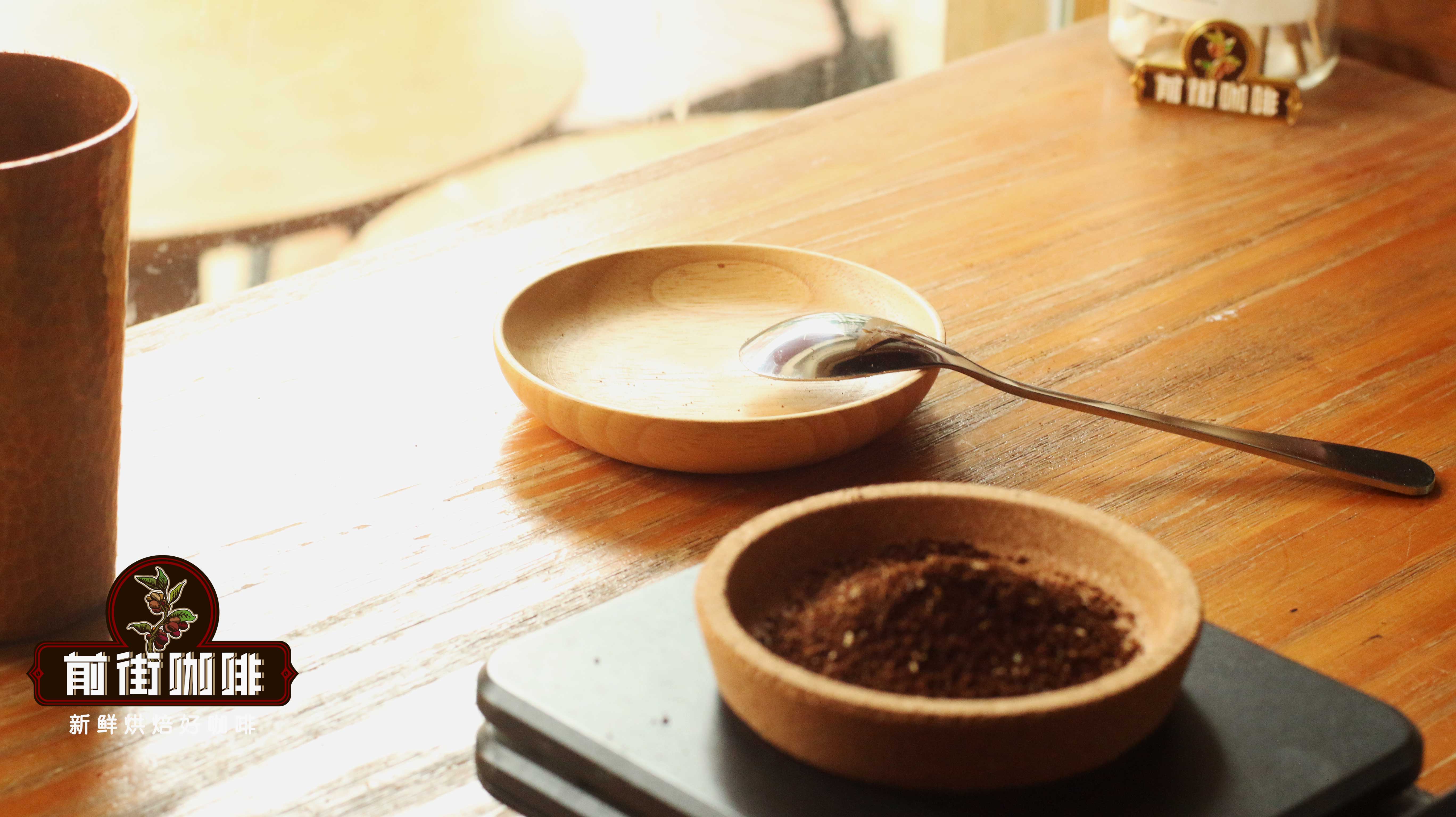
It’s worth noting that the flavor profile of cold brew is still closely related to the freshness of the coffee beans. Using freshly roasted coffee beans ensures a richer and more vibrant extraction of flavor compounds. It is recommended to select beans roasted within 5 days and to use them after the 4–7 day degassing period post-roast, when the flavors are at their peak.
In summary, the charm of cold brew lies in its simple yet meticulous brewing process. By controlling the coffee-to-water ratio, grind size, and steeping time, anyone can brew their own personalized iced coffee at home. Whether you’re a beginner just getting into cold brew or a coffee enthusiast looking to further refine your parameters, you’ll find practical references and inspiration in this article to explore the endless possibilities of cold brew.
The above content is compiled by CoffeeHunters, a coffee news website.


