







Introduction:Want to know how to enjoy Sumatra Mandheling coffee from Aceh Medan and Lake Toba just right? This article starts with the origin of the name “Mandheling” and takes you through Indonesia’s coffee-growing environment and the differences between two renowned regions—Gayo Highlands and Lintong—analyzes how the wet hulling process creates its unique rich, low-acid profile with spicy and herbal aromas, and provides practical pour-over recommendations along with reference flavor profiles. It's an essential beginner’s guide for readers who love dark roasts or are exploring Southeast Asian coffees.
In the realm of specialty coffee in Asia, Sumatra Mandheling has always been an iconic presence. However, many may not know that “Mandheling” is not a region name but a transliteration derived from the Mandailing tribe in northwestern Sumatra. Legend has it that during World War II, a Japanese soldier tasted a rich cup of coffee at an Indonesian café and asked the owner what kind of coffee it was. The owner, thinking he was being asked where he was from, answered “Mandailing.” After the war, the soldier referred to that unforgettable coffee as “Mandheling,” and eventually the name became synonymous with Sumatran Arabica beans.
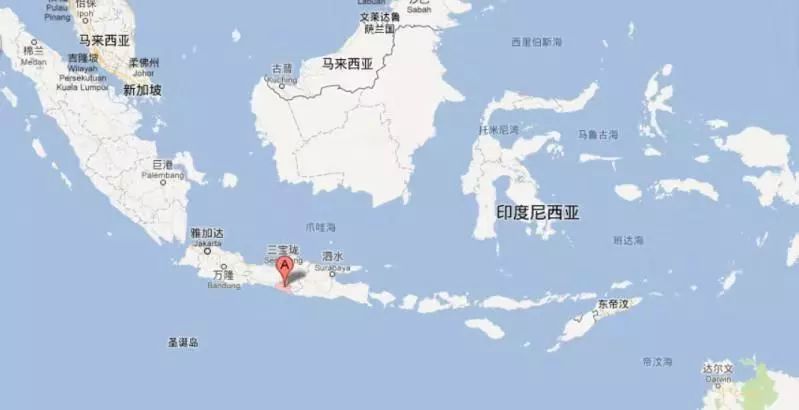
Indonesia is the world’s largest archipelagic country, with its capital Jakarta, neighboring Malaysia, East Timor, and others. It is also one of the earliest regions to cultivate coffee, aside from Yemen. In the late 17th century, the Dutch introduced Arabica Typica to Indonesia, first successfully planting it on Java Island before expanding to Sumatra and Sulawesi. However, the widespread rust disease in 1877 forced locals to abandon Arabica in favor of more disease-resistant Robusta. To this day, Robusta still accounts for 90% of Indonesia’s total coffee production, while Sumatra Mandheling remains one of the few regions still committed to producing Arabica.
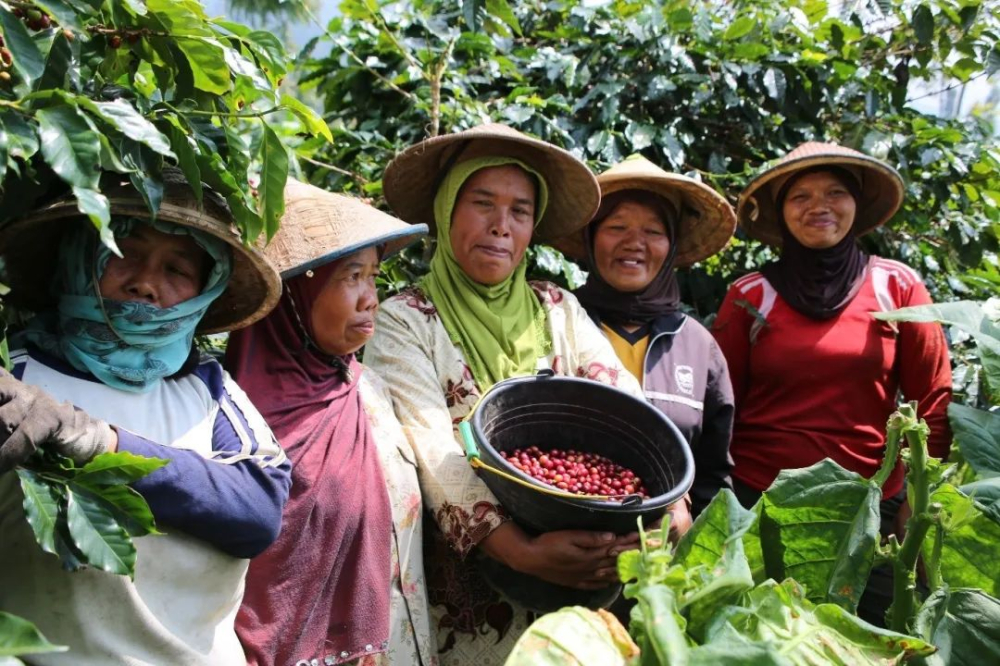
Indonesia’s coffee-growing environment is exceptionally favorable, featuring a tropical rainforest climate with an average annual temperature of about 25–27°C and abundant rainfall between 1600–2200 mm. Additionally, many areas lie within volcanic zones, offering mineral-rich, fertile soil ideal for coffee cultivation. The main growing elevations range from 900 to 2100 meters, with around 1200 meters considered optimal. Indonesia has two harvest seasons per year: the main season from September to October and the secondary season from May to June. Notably, export volumes have seen significant fluctuations in recent years due to changes in price and yield.
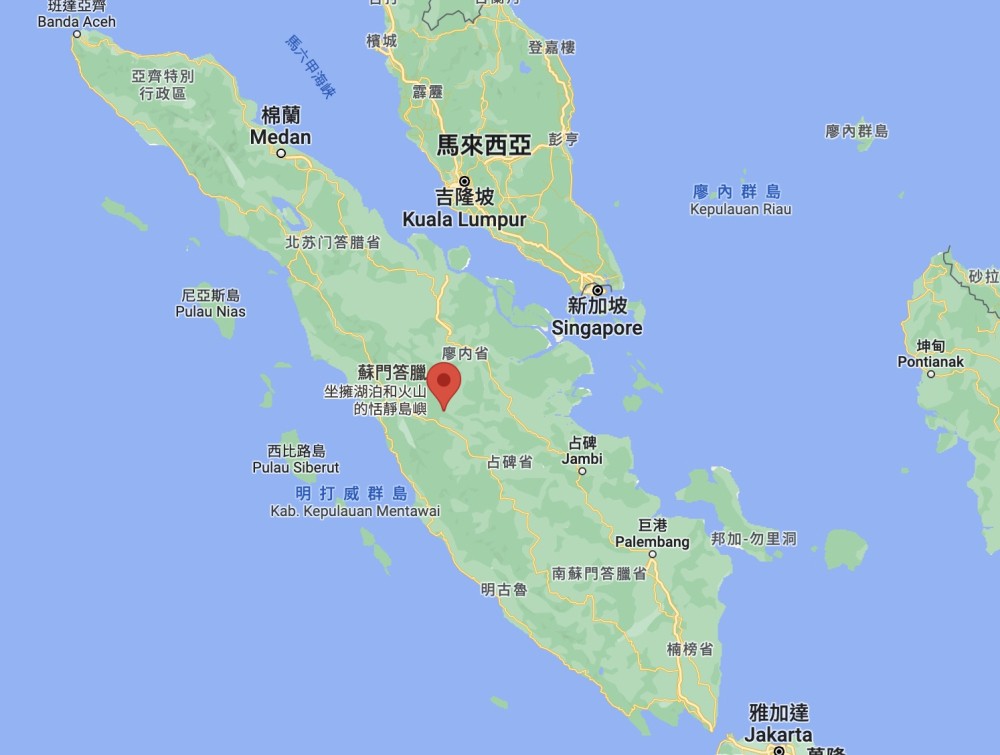
Sumatra is Indonesia’s most famous Mandheling-producing region, particularly concentrated around two major lakes—the Lake Tawar in the north and Lake Toba in central North Sumatra. Lake Tawar is located in Aceh Province, with surrounding producing areas referred to as Aceh coffee or Lake Tawar coffee; whereas Lake Toba is the core area of North Sumatra Province, with the Lintong region standing out as particularly excellent. Together, these two lake regions are collectively known as the “Two Lakes, Two Mandhelings.” Among them, Lake Toba sits at an elevation of about 900 meters and is the world’s largest volcanic lake, with surrounding mountainous areas ranging from approximately 1100 to 1600 meters. Lintong is the most renowned Mandheling-producing area in this region.
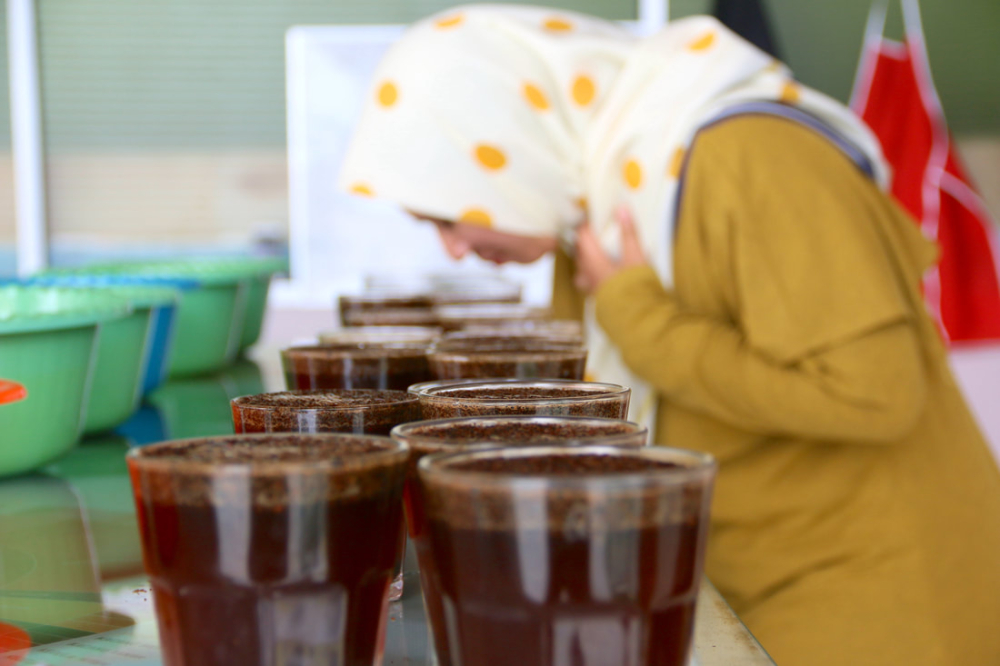
Lintong Mandheling uses local landrace or Typica varieties. Due to relatively lenient green bean selection, occasional inconsistencies in flavor can occur, but this also preserves the bold and rich characteristics typical of Sumatran coffee, along with its unique spicy and herbal notes. It is often the first choice for many coffee enthusiasts looking to experience Indonesian flavors. Many well-known roasters also frequently list it as a high-cost-performance everyday bean, allowing consumers to enjoy the distinctive personality of Sumatran coffee at a reasonable price.
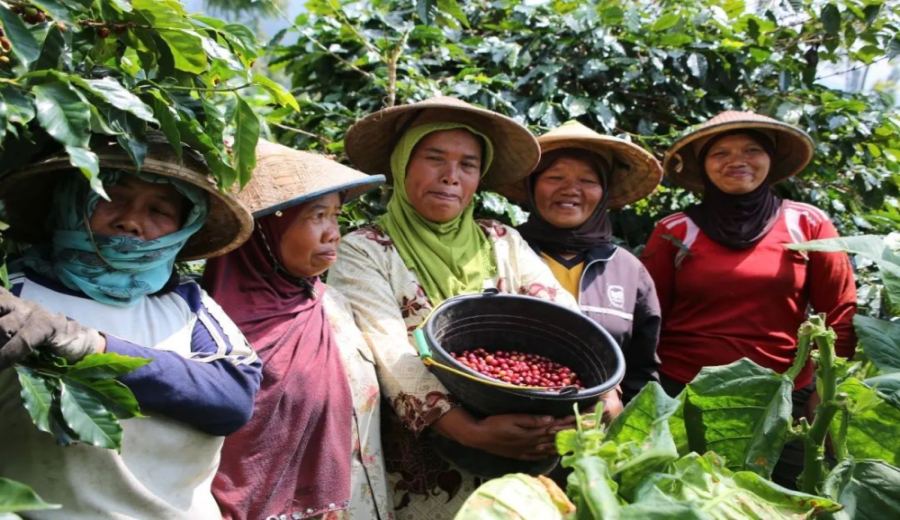
Traveling further north, we arrive at the Gayo Highlands region in Aceh Province, surrounded by Lake Tawar. The growing elevation here ranges from about 1110 to 1600 meters, with coffee primarily cultivated by local smallholder farmers under shade trees using the wet hulling process. The resulting coffee boasts a deep, mellow profile coupled with vibrant body, making it one of the representatives of “green coffee.” Coffee in the Gayo Highlands is mostly grown by the Gayo tribal farmers using traditional organic methods without chemical fertilizers, hence it is also called Gayo Organic Coffee, with flavors that are even purer and more natural.
The most representative processing method in Sumatra is undoubtedly “wet hulling” (known locally as Giling Basah). Unlike the common washed process, this method features shorter drying times and less water usage, making it highly suitable for Sumatra’s high-humidity environment. The general procedure involves first removing the coffee fruit’s skin and pulp, then subjecting the sticky, parchment-covered beans to brief fermentation (some processing facilities even skip this step), followed by direct sun drying. Due to the humid local climate, coffee beans dry slowly, and retaining the parchment layer too long can lead to mold growth. As a result, local farmers remove the parchment layer early, exposing the beans directly to the sun to accelerate the drying process.
However, this processing method also has side effects: during the removal of the parchment layer, the green beans develop unique textures due to machine friction and high temperatures, sometimes even forming what is known as the “elephant foot” appearance. This is not a defect but a typical characteristic of the wet hulling process. Moreover, this rapid dehydration and high-pressure friction contribute to the common woody, earthy, and deep spice tones found in Mandheling, giving the coffee a uniquely distinctive and easily recognizable flavor profile.
When it comes to premium Mandheling, one cannot overlook “Golden Mandheling.” Produced by Indonesia’s PWN company, this bean is made with extremely strict selection criteria: green beans must be size 18 or larger, with no more than 3 defects per 300-gram sample, and only G1 grade beans are chosen. They undergo three rounds of manual hand-picking to ensure defect-free, high-cleanliness beans, delivering enhanced sweetness and refined flavors. Compared to traditionally dark-roasted Mandheling, this roaster opts for a medium-dark roast to present a more layered and nuanced traditional Mandheling flavor profile.
To brew a high-quality Sumatra Mandheling at home, it’s recommended to use a KONO filter cone. Its specially designed short ribs allow the filter paper to fit tightly against the cup wall, slowing down the flow rate, which helps improve extraction efficiency and body. Recommended parameters are as follows: water temperature around 88°C, 15 grams of coffee, a 1:15 coffee-to-water ratio, and a medium-coarse grind (approximately 75% passing through a Chinese No. 20 sieve). Use a pulse pouring method: start with 30 grams of water for a 30-second bloom to release CO₂, then pour in a small circular motion up to 125 grams, pause, then continue pouring up to 225 grams before stopping. Keep the total brew time around 2 minutes, and enjoy once the dripping finishes.
[Lintong Mandheling Coffee Flavor Profile]: Herbal, chocolate, caramel, with an overall balanced profile, suitable for those who enjoy a full-bodied taste.
[Golden Mandheling Coffee Flavor Profile]: Nutty, spicy, herbal, licorice, chocolate, caramel, with rich layers and pronounced sweetness, representing high-quality Mandheling.
The above content is compiled by CoffeeHunters, a coffee news website.


