







Introduction:Is dark roast coffee higher in caffeine? In fact, the darker the roast, the caffeine content does not increase accordingly. This article will debunk common myths about dark roast coffee, take you through the flavor differences across eight roast levels from light to very dark, and recommend three representative dark roast beans — Golden Mandheling, Colombian Huila, and Brazilian Queen Estate. We’ll also analyze their regional characteristics, processing methods, and suitable brewing methods to help you find your own preferred dark roast flavor.
When it comes to coffee, many people immediately think of that strong bitterness and rich body, which often come from dark roasted beans. But many coffee enthusiasts have a question: is dark roast coffee really higher in caffeine? In reality, caffeine content is not closely related to roast level; it mainly depends on the bean variety and the weight of the beans before roasting. However, dark roast does indeed deliver more intense flavors of caramel, chocolate, and smokiness, making it a favorite among many hardcore coffee lovers.
To give everyone a more comprehensive understanding of the world of dark roasting, we’ve first organized eight roast levels from very light to very dark. Each level not only affects the color of the coffee but also directly influences aroma expression and flavor profile. Combining practical cupping experience with regional characteristics, we then selected three dark roast beans: Indonesia’s Golden Mandheling, Colombia’s Huila, and Brazil’s Queen Estate. These three beans each have unique traits, making them perfect for anyone looking to dive deeper into the world of dark roast coffee.
First, when talking about roast levels, one must mention the eight commonly used American classifications. From very light to very dark, each stage has its own unique flavor profile. Very Light Roast, also known as Light Roast, is usually dropped just as the first crack begins. The beans are light in color, close to cinnamon, with noticeable acidity but aromas and flavors that haven’t fully developed. This stage is mostly used for testing or experimental purposes, and is not suitable for everyday drinking.
Next is Cinnamon Roast, dropped between the start and the peak of the first crack. The beans show a distinct cinnamon color, with prominent acidity but relatively light aroma. It is commonly used to make bright, clean American-style coffee. Medium Roast is dropped during the peak to the end of the first crack. The beans are chestnut-colored, with balanced acidity and bitterness. It is one of the roast levels that best preserves the original flavors of the coffee, suitable for use as a base in blends or American-style coffee.
Moving into the medium-dark roast range, such as High Roast and City Roast, these are dropped right at the end of the first crack and between the first and second cracks, respectively. The beans at these two stages offer a rounder flavor, with balanced acidity and bitterness plus a touch of sweetness. They are favored by those who enjoy a brighter taste and are common in Japanese or Central/Northern European-style coffees.
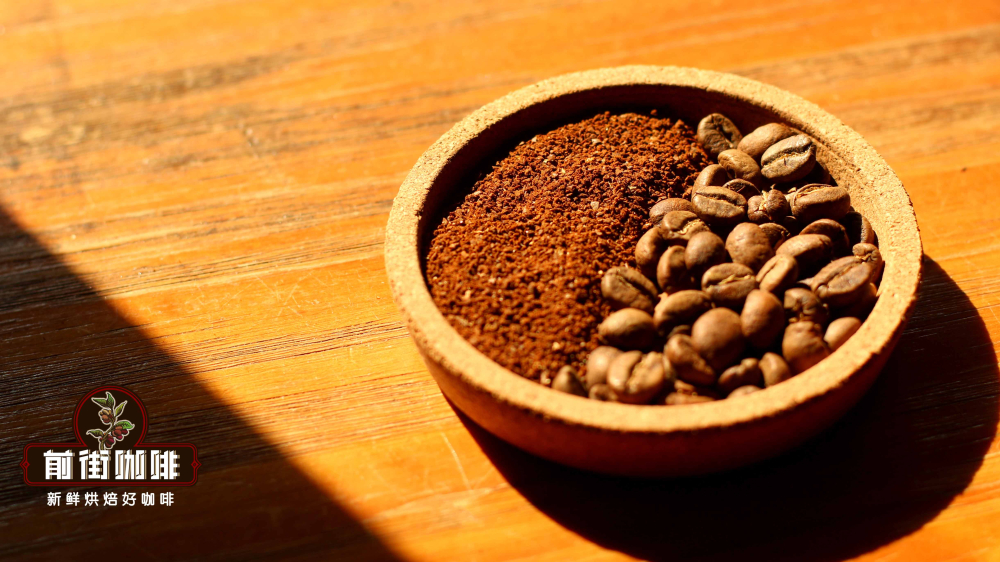
When entering the slightly darker range, known as Full City Roast, beans are typically dropped at the beginning of the second crack. The beans are brown in color, with bitterness slightly stronger than acidity, resulting in a richer overall mouthfeel. This roast is suitable for making black coffee or iced coffee and is a common choice for many Central and South American beans. Going a step further, we reach the well-known French Roast, dropped between the peak and the end of the second crack. The beans are dark brown or even blackish, with intense bitterness and almost no acidity, featuring strong chocolate and smoky flavors. This is a very popular roast style in Europe, especially France.
Finally, there’s the very dark roast, known as Italian Roast. This stage is usually reached after the second crack ends, when the bean surface has turned black and started to develop an oily sheen. By this point, the bean fibers are nearly carbonized, and the flavor is extremely intense, with heavy bitterness, strong roasted aromas, and a pronounced burnt note. It is primarily used for making espresso and is most common in Italy and Latin American countries.
After understanding the basics of roast levels, we can more accurately choose dark roast beans that suit our personal taste. Below are three distinctive and highly regarded representative dark roast beans:
1. Golden Mandheling (Indonesia · Sumatra): Grown on Gayo Mountain in Sumatra, at an altitude of approximately 1100–1600 meters, this bean is processed using the traditional wet-hulled method and is of the Ateng variety. The beans undergo multiple hand-sortings with an extremely low defect rate. Its flavors are dominated by spices, herbs, nuts, and caramel, offering a full-bodied texture and a long aftertaste. It suits drinkers who enjoy a rich and mellow profile. Recommended pour over parameters: medium-coarse grind, water temperature 90–92°C, brew ratio 1:15, extraction completed within two minutes.
2. Colombian Huila (Colombia · Southern Central Mountains): The Huila region is known for its fertile volcanic soil and high-altitude climate, providing an excellent growing environment for coffee trees with abundant annual rainfall. This Huila coffee is washed-processed and medium-dark roasted, emphasizing a clean and bright profile. Its flavors include cream, chocolate, caramel, and cookie notes, with a smooth mouthfeel and distinct layers — ideal for those who prefer balanced flavors. Brewing suggestion: medium-fine grind, water temperature 88–90°C, brew ratio 1:16, extraction time around 2 minutes 30 seconds.
3. Brazilian Queen Estate (Brazil · Mogiana Region): Located in Brazil’s high-altitude region, Queen Estate is known for its refined small-batch processing. This Yellow Bourbon variety coffee is sun-dried and medium-dark roasted, highlighting the natural sweetness and rich aroma inherent to the Bourbon bean. Its flavor profile includes nuts, chocolate, cream, peanuts, and sugarcane sweetness, with a mellow and layered mouthfeel. Recommended grind: medium-coarse, water temperature 90–91°C, brew ratio 1:15, extraction time about 2 minutes 15 seconds.
Overall, the caffeine content in dark roast coffee does not significantly increase with darker roasting. However, its rich mouthfeel and complex aromas undoubtedly provide coffee lovers with a deeper sensory experience. Whether you’re just starting out or already a dark roast enthusiast, understanding the interplay of different regions, processing methods, and roast levels can help you find the perfect dark roast coffee for you.
The above content is compiled by CoffeeHunters, a coffee news website.


