







Introduction:Want to explore the charm of single-origin coffee but get overwhelmed by various origins and flavor profiles? This guide takes you deep into eight classic producing regions including Ethiopia, Colombia, and Indonesia. It analyzes the unique flavor profiles, recommended roast levels, and optimal brewing methods for beans from each region, along with practical pairing suggestions, helping you transform from a beginner into a coffee connoisseur who can discern flavors.
Stepping into the world of specialty coffee is like opening a map full of surprising flavors. Each single-origin coffee bean carries the terroir and culture of its origin — from the fresh fruity aromas of high altitudes to the rich and bold flavors of lowlands, the variations are endless. This article will introduce you to the characteristics of globally renowned producing regions, including Ethiopia, Honduras, Peru, Guatemala, Colombia, Indonesia, Brazil, and Costa Rica. We’ll analyze their unique flavor traits, recommended roast depths, and how to bring out the most captivating coffee expressions through proper brewing techniques and food pairings.
Single-origin coffee is like a musician’s solo performance — each bean has its irreplaceable personality. The origin’s altitude, climate, soil, and processing method collectively shape the foundational flavor profile of the coffee, while the roaster acts as the conductor, using heat control to transform these potentials into the aromas, acidity, and body in your cup. From bright citrus notes to deep cocoa finishes, understanding these differences will help you find your ideal coffee match.
Ethiopia
As the birthplace of coffee, Ethiopia boasts the richest coffee genetic diversity in the world. Its coffees often have a tea-like light body, blending bright fruit acids such as citrus and lemon with complex floral notes like jasmine and blueberry, resembling a breeze from the mountain in the early morning. Recommended are beans from the Yirgacheffe region, which typically exhibit vibrant lemon acidity and a lingering tea-like finish. The optimal roast level is light roast, preserving the maximum amount of original flavor characteristics. They pair well with fruit-based desserts such as lemon tarts or fruit pies, enhancing the layered sweetness and acidity.
Honduras
Located in Central America, Honduras’ high-altitude coffee farms (elevations between 1,000–1,900 meters) produce beans with structure. These coffees often showcase intense cocoa aromas and gentle sweetness, with low and stable acidity — perfect for those who enjoy bold flavors. A medium roast is recommended to balance the beans’ inherent sweetness with woody undertones. The optimal drinking window is 7–14 days after roasting. Pair with brownies or dark chocolate desserts to create a marvelous synergy with the cocoa flavors.
Peru
Peruvian coffee is mostly grown in the highland areas around the Amazon Basin (altitudes of 1,000–2,000 meters), where the unique ecosystem creates an excellent foundation for quality. Such coffees usually feature soft fruit acids and delicate aromas, with a sweet molasses-like finish and earthy undertones. A certain brand’s Peruvian Geisha is a representative choice, with a flavor profile led by peach-like acidity in the front, mid-palate showcasing a smooth woody note akin to oak barrels, and a long, silky finish. A medium roast is suggested, suitable for pairing with crispy desserts like cream puffs, or simply enjoying its mild and balanced character.
Guatemala
Guatemala’s diverse microclimates give rise to a rich variety of coffee profiles, among which the Huehuetenango region is known for its intense flavor characteristics. Coffees from here often feature strong cocoa aromas and distinct woody notes, with moderate acidity but a clear structure, reflecting the typical traits of Central American coffee. A medium-dark roast is recommended to bring out rich caramelization reactions and a bold body. Light desserts like macarons make good pairings, balancing the coffee’s intensity.
Colombia
Colombian coffee is renowned for its consistent quality and diverse flavor profiles. Its beans typically blend layers of nuts, chocolate, and fruit, offering a smooth mouthfeel and a long-lasting finish. Recommended are the Caturra and Maragogype varieties, whose flavor characteristics include the bright acidity of passionfruit, the sweet juiciness of grape, and a stable nutty base. A medium roast best showcases their balanced nature, making them ideal for pairing with nutty desserts like chestnut cake, adding more depth to the flavor layers.
Indonesia Gayo Mandheling
Mandheling coffee from the Gayo Mountains of Sumatra is world-famous for its distinctive regional flavors. Grown in volcanic soil at elevations of 900–1,700 meters, it boasts a rich and full-bodied mouthfeel. These coffees often carry pronounced herbal aromas and earthy tones, with low acidity but a sweet and long-lasting finish.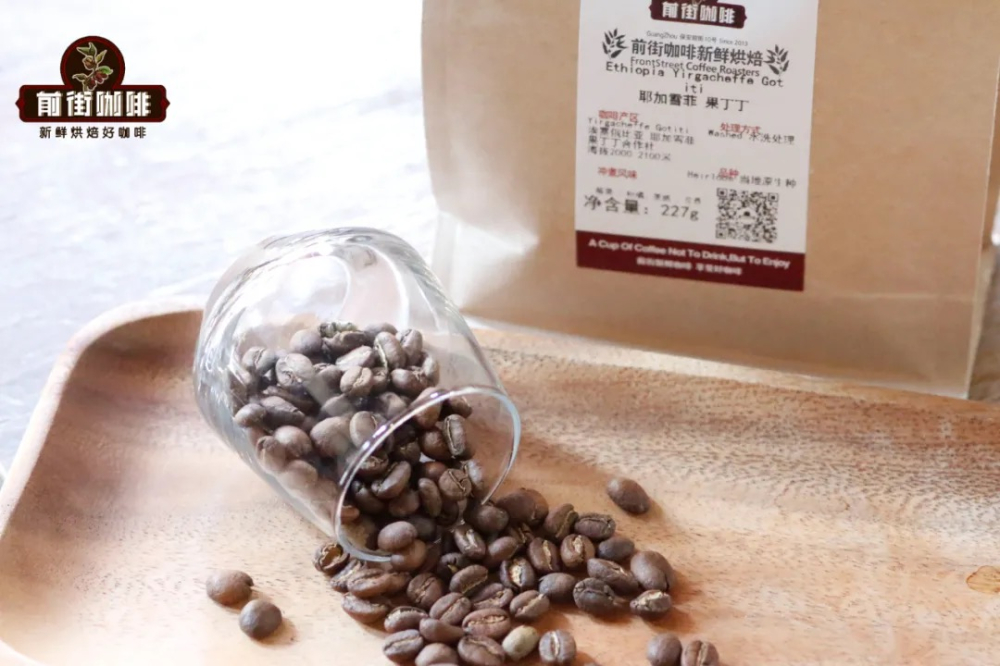 Golden Mandheling is a representative choice. A dark roast is recommended to enhance its bold character, making it suitable to pair with savory dishes like beef cheeseburgers, or as a breakfast coffee alongside cereal bread.
Brazil
Brazilian coffee is beloved for its mild and smooth character, serving as an important base for many coffee beverages. Its beans typically exhibit an excellent balance of low acidity, high sweetness, and a full body, making it ideal for espresso. Beans from the fair trade cooperative Coocafe are especially known for their clean taste and smooth aftertaste, suiting those who prefer less intense acidity. A medium-dark roast is advised. It can be enjoyed alone or blended with beans from other regions. Pairing with strawberry cake can highlight its natural sweetness.
Costa Rica
Costa Rica’s volcanic terrain and abundant rainfall nurture exceptionally high-quality coffee beans. Its Arabica coffee is known for bright acidity, rich aroma, and balanced mouthfeel, making it an excellent choice for single-origin coffee enthusiasts. The Mozart variety exhibits a wine-like structure, with lively fruit acidity upon entry, rich aroma in the mid-palate, and a sweet, smooth finish. A medium roast perfectly highlights its traits. It pairs well with light snacks like pancakes or serves as a great morning pick-me-up coffee.
Whether you’re a beginner just starting out or a coffee lover seeking fresh flavors, understanding the flavor characteristics of each producing region and the appropriate brewing parameters will help you unlock the endless possibilities of single-origin coffee. Remember, the best coffee experience often comes from continuous experimentation and exploring your personal taste preferences. Find your perfect cup of coffee today.
The above content is compiled by CoffeeHunters, a coffee news website.


