








Introduction:On hot summer days, iced coffee is a go-to pick-me-up for many, but cold drip and cold brew are actually two very different brewing methods. This article dives deep into the production principles, extraction parameter differences, and offers practical coffee-to-water ratio and grind size recommendations. It also suggests suitable coffee bean varieties based on different flavor preferences, helping you easily master the brewing secrets of summer iced coffee.
When the heat hits, iced coffee becomes an essential energizing drink for many. However, many often confuse “cold drip,” “cold brew,” and “iced coffee” as the same thing. In reality, these three methods differ greatly in preparation, extraction principles, and final flavor profiles. If you want to learn how to choose the best iced coffee brewing method based on your taste preferences, this article will break down the differences between cold drip and cold brew in detail, along with professional parameter suggestions and bean variety recommendations.
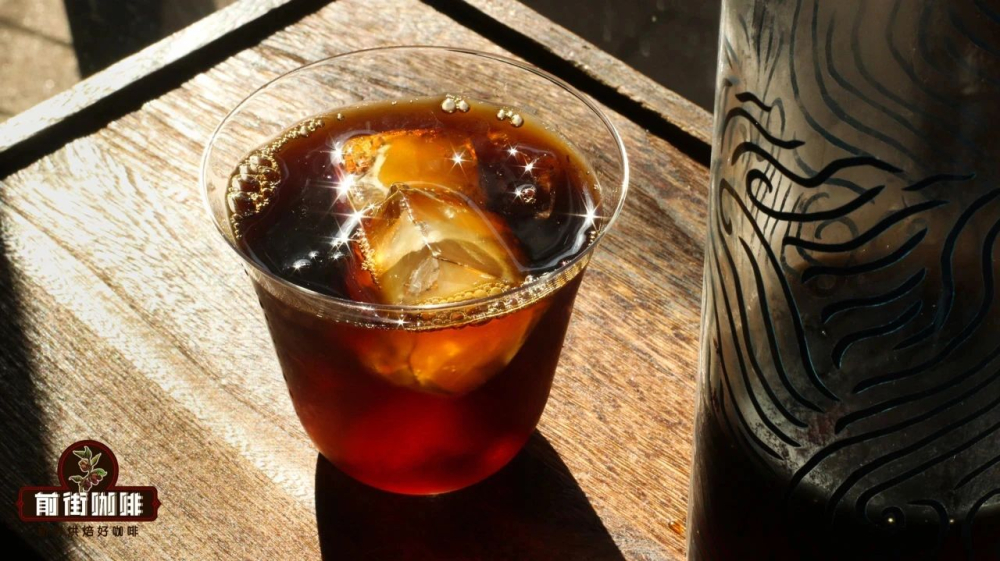
First, let’s talk about cold drip coffee, a traditional technique where ice water slowly drips through a bed of ground coffee to extract the coffee liquid. Compared to high-temperature, fast extraction, the cold drip process is gentler and more prolonged, which effectively reduces the release of acidic substances, resulting in a smooth, low-acid, and layered mouthfeel. Cold drip coffee is especially popular in Japan and Korea, where it’s even referred to as “Kyoto Coffee” or “Japanese slow drip.” Though its origin is sometimes attributed to the Netherlands, it truly flourished in East Asia.

The standard brewing parameters for cold drip typically include:60 grams of coffee grounds,a coffee-to-water ratio of 1:10, and using a Chinese Standard No. 20 sieve, with a grind size of approximately85%medium-coarse, passing through6 to 8 hoursof total extraction time. Additionally, to maintain a stable extraction rhythm, it’s generally recommended to control the dripping speed at about 7 drops per 10 seconds. This pace helps ensure the coffee grounds are evenly saturated and avoids over-extraction or under-extraction.
In practice, it’s recommended to place a round filter paper at the bottom of the coffee chamber first, wet it with water to make it adhere tightly to the walls, then add the ground coffee, gently shake it to level the coffee bed or apply slight pressure with a tamper to ensure an even surface. Then cover the coffee layer with another filter paper to prevent the water drips from concentrating and causing a depression in the coffee bed, which could affect extraction evenness. Before starting the extraction, you can perform an ice water pre-wetting step, similar to the bloom step in pour over, which helps improve overall extraction efficiency and flavor consistency. During the actual extraction, it’s advised to use a 1:1 mixture of ice water and control the flow rate via the dripping device. After completion, it’s recommended to pour the coffee liquid into a sealed container, refrigerate it overnight to allow the flavors to meld, resulting in a smoother and more rounded mouthfeel.
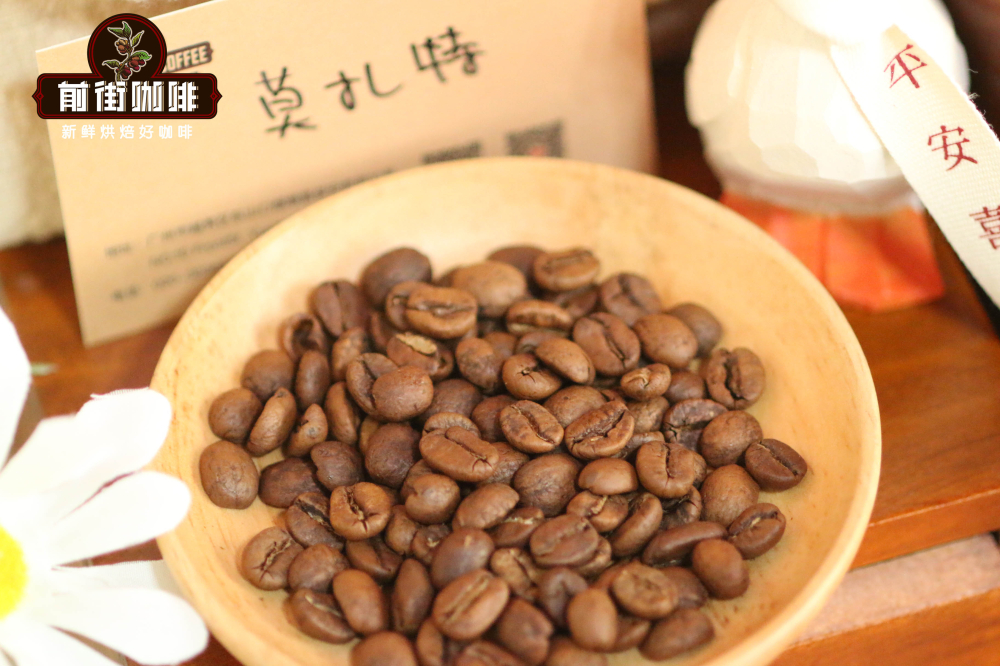
As for coffee beans suitable for cold drip, they can be divided into three main categories based on different flavor preferences: if you enjoy deep berry flavors, you can choose beans with anaerobic honey processing that offer blueberry and grape aromas—these beans often exhibit intense fermentation notes and a wine-like aftertaste; for those who prefer a bright acidity, options like beans with a refreshing taste reminiscent of cherry tomatoes, accompanied by grapefruit and cherry tomato flavors, are ideal for summer drinking; if you prefer a rich, chocolatey finish, try dark roast beans such as certain Indonesian Golden Mandheling—after cold drip processing, the bitterness is mild and reveals a deep, mellow aroma, becoming even more refined after refrigeration.
Another common form of iced coffee is iced Americano, also known as iced espresso. This method is extremely simple—just mix espresso with ice water. Espresso is made by forcing nearly boiling hot water through extremely finely ground coffee under high pressure (about 9–10 atmospheres), resulting in a concentrated and intense flavor. However, the biggest downside of iced Americano is that melting ice can easily dilute the flavor, and it requires a professional espresso machine to prepare.
As for cold brew coffee (also called cold water extraction coffee), it follows a completely different extraction logic. This method involves steeping a large amount of coffee grounds in cold water inside a glass bottle or container, then placing it in the refrigerator for a long period (usually 8–12 hours or even longer) of low-temperature extraction. The advantage of cold brew is that it effectively suppresses the release of acidic substances and impurities, resulting in a usually cleaner, sweeter taste, and it’s suitable for direct consumption over ice without much impact on flavor. However, due to the lengthy process, it’s not ideal for those seeking a quick drink.
The standard recommended coffee-to-water ratio for cold brew is also 1:10, but because the water temperature is lower, the grind size is usually slightly finer than pour over—approximately a medium-fine grind with a 20-number sieve passing rate of65%, to facilitate flavor release. To make it, mix the coffee grounds with room temperature water and ice cubes evenly, seal and refrigerate. After steeping for enough time, filter out the grounds with filter paper, then let it sit for a few hours to stabilize the flavors before enjoying. This method is suitable for coffee lovers who prefer a soft, low-acid flavor and don’t mind a longer wait time.
In summary, cold drip, cold brew, and iced coffee each have their unique flavor characteristics and suitable scenarios. If you’re after a refined, low-acid, and layered iced coffee experience, cold drip is a great choice; if you prefer something quick and convenient, iced Americano better suits your needs; and if you’re willing to spend time waiting to enjoy a smooth, clean coffee experience, then cold brew is definitely worth trying. By understanding the differences and key parameters of these methods, you’ll be able to find the best summer iced coffee solution tailored to your personal taste and lifestyle.
The above content is compiled by CoffeeHunters, a coffee news website.


