







Introduction:As one of Ethiopia’s most representative specialty coffee regions, Yirgacheffe is widely loved for its distinctive citrus acidity and floral-fruity aromas. However, coffee beans from the same region, when processed using either natural or washed methods, exhibit vastly different flavor profiles. This article delves into the historical background of the Yirgacheffe region, the differences between processing methods, the grading system, and offers detailed roasting and pour-over brewing recommendations to help you fully grasp the characteristics of this classic regional bean and the keys to extraction.
Ethiopia is the birthplace of Arabica coffee, and Yirgacheffe is one of the country’s most iconic specialty coffee regions. Originally part of Sidamo, it was later designated as an independent region due to its unique flavor profile. Yirgacheffe is renowned for its bright, refreshing citrus acidity and delicate floral-fruit notes, making it highly favored by coffee enthusiasts worldwide. Even beans from the same Yirgacheffe region can vary greatly in flavor depending on whether they are processed using the natural or washed method, contributing to the diversity of flavors in this region.
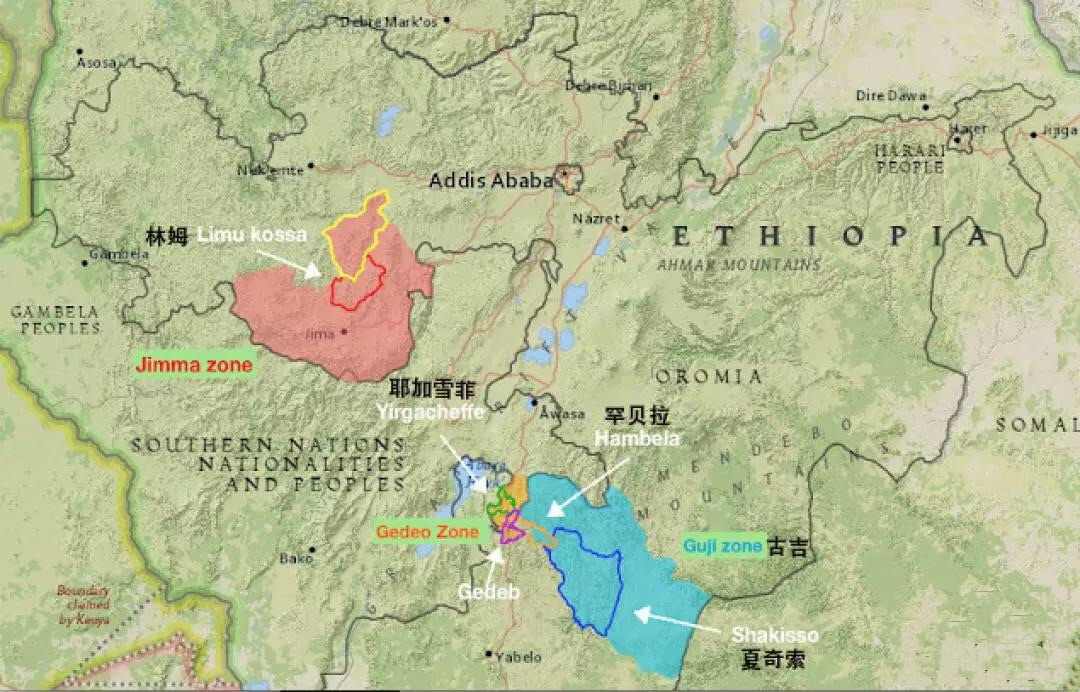
The Yirgacheffe region sits at elevations mostly between 1,800 and 2,100 meters. The high altitude helps coffee cherries ripen slowly, accumulating richer flavor compounds. The area includes several well-known micro-regions such as Yirgacheffe (Yirgacheffe), Kochere, and Gedeb, each with its own unique microclimate and traditional processing methods that further refine flavor expression. Coffee in Yirgacheffe is mostly grown on small family farms and managed collectively through cooperatives, ensuring consistent quality and traceability.
In Ethiopia, coffee varieties are predominantly heirloom, and Yirgacheffe is no exception. These heirloom beans are generally small, usually falling between screen sizes 14 and 15, and have a round, plump appearance. To ensure export quality, the local Ethiopian Commodity Exchange (ECX) has established a strict grading system, primarily based on defect rates and cupping flavor performance. Generally speaking,if there are 3 or fewer defects per 300 grams of green coffee, it is graded as G1, while 4 to 12 defects are graded as G2. Additionally, cupping is conducted using criteria similar to SCA standards, with scores above 85 classified as Q1, and scores between 80 and 84.75 as Q2, providing clear quality indicators for the market.
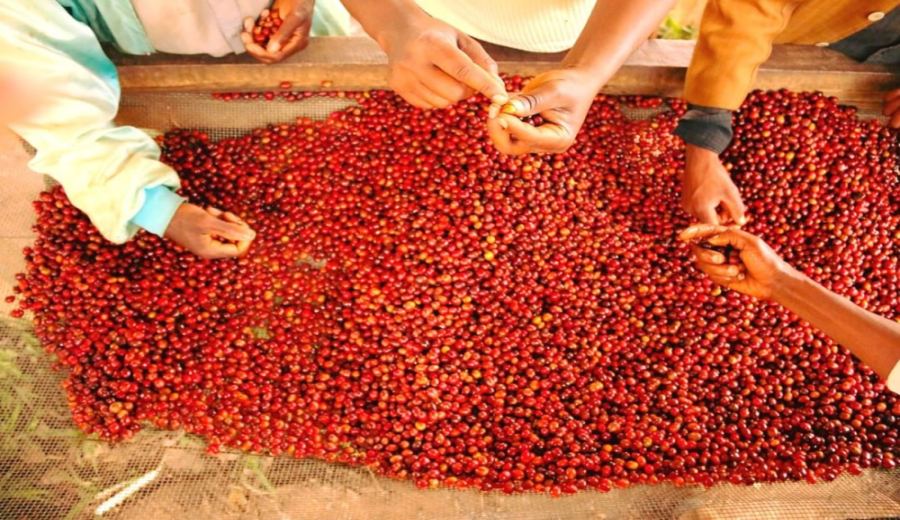
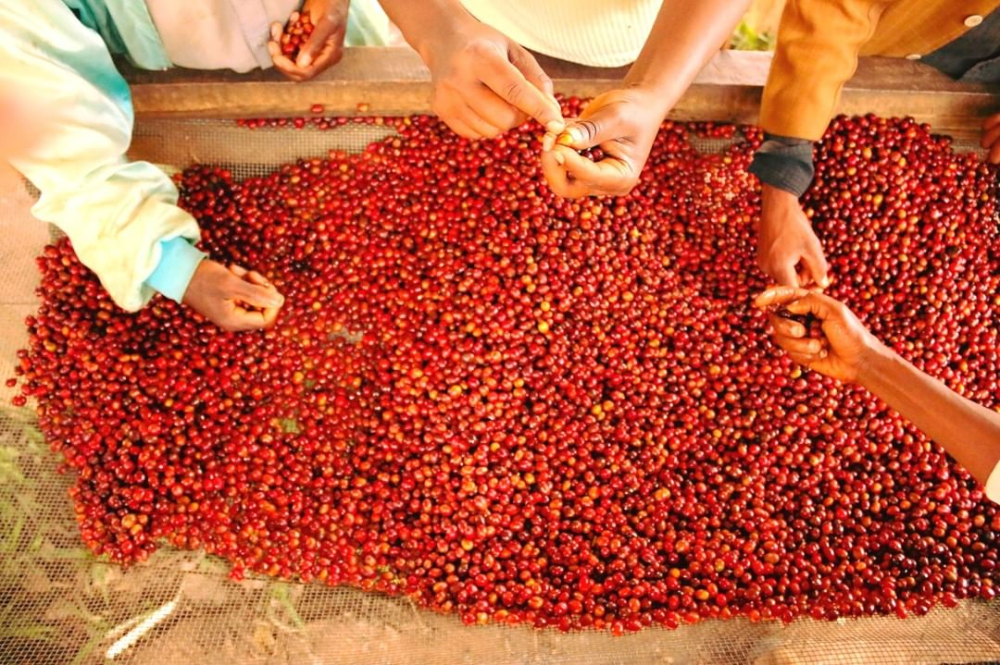
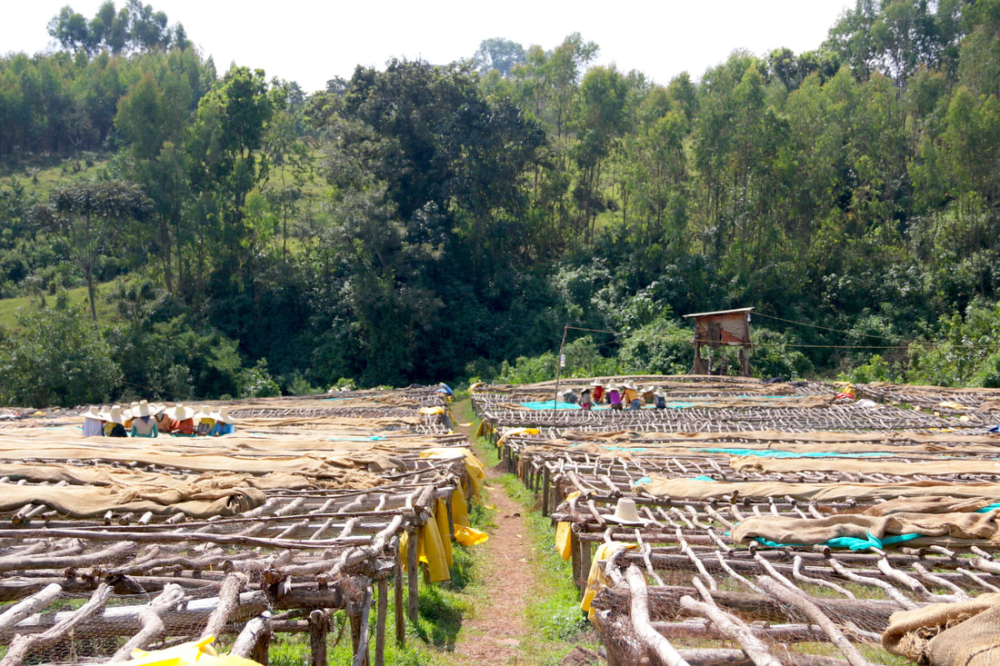
In terms of processing methods, Yirgacheffe coffee beans are mainly divided into two categories: natural and washed. Traditionally, Ethiopia has mostly used the natural method to process coffee, but since the introduction of washed processing technology in the 1970s, washed beans have gradually become the mainstream due to their cleaner, brighter flavors and lower defect rates. However, in recent years, improved natural processing methods have regained attention—especially in micro-regions like Yirgacheffe—where strict control over fermentation and drying processes not only reduces the risk of impurities and off-flavors, but also enhances sweetness and fruit aroma complexity.
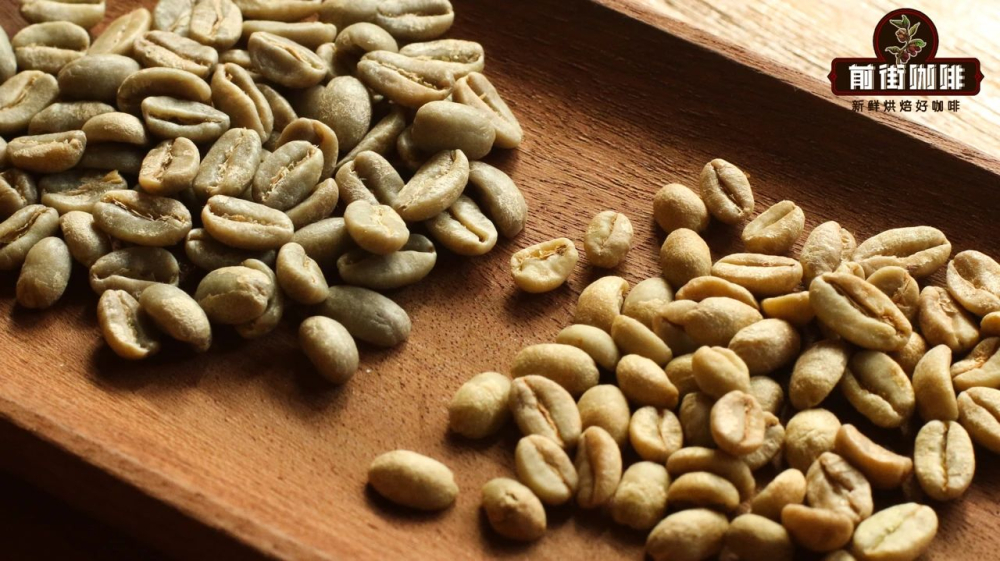
The biggest difference between natural and washed processing lies in how the fruit is handled. The washed method removes the pulp first, fermenting and washing only the seeds, resulting in a cleaner, more pronounced acidity, often characterized by notes of lemon, green tea, or white floral tones. In contrast, the natural method retains the pulp during extended fermentation, allowing the coffee to absorb more fruit sugars and aromas, resulting in a richer flavor profile often featuring tropical fruits, honey, and wine-like notes, with a more prominent sweetness. Observing the appearance of green beans, washed beans typically exhibit a bright green color, while natural beans lean toward yellowish-green. There are also notable differences in silver skin retention after roasting, with washed beans showing more pronounced silver skin and natural beans appearing smoother.
For roasting Yirgacheffe coffee, it is recommended to uselight roastingto best showcase its delicate acidity and floral-fruit aromas. Whether natural or washed, light roasting can enhance features such as citrus, berries, and floral notes while maintaining a bright finish. Although medium to dark roasts of Yirgacheffe are also available on the market—where acidity is relatively reduced and body is enhanced—the mainstream market and specialty coffee circles still favor light roasting to highlight its terroir character.
When designing the roasting curve, special attention should be paid to temperature stability before first crack and development time after first crack to preserve more acidity and aromatic compounds. Over-roasting can easily mask the delicate regional characteristics of Yirgacheffe. Roasters are advised to fine-tune parameters based on bean density and moisture content to achieve the optimal balance.
For pour-over brewing, light-roasted Yirgacheffe is recommended to be brewed using a fast-flow filter cone such as the V60, with water temperature controlled at around 90°C. The suggested water-to-coffee ratio is 1:15, using approximately 15 grams of coffee. Grind size can be referenced to about 80% passing through a Chinese No. 20 sieve (approximating BG#5F). It’s advisable to sift the coffee before grinding to ensure uniform particle size and avoid channeling or uneven extraction. If no sifting tool is available, the flow rate during pouring can also be observed: too fast indicates the grind is too coarse, while too slow may mean it’s too fine.
In practice, a step extraction method can be used: start by pouring double the coffee dose (about 30 grams) and let it bloom for 30 seconds to activate enzymes; then pour in a circular motion with a small stream of water up to 125 grams for the first pour. When the water level drops to just about to expose the coffee bed, pour again up to 225 grams to complete extraction, with a total brew time of around 2 minutes recommended. These parameters are suitable for most pour-over enthusiasts and can clearly highlight the layered profile and fruity acidity of Yirgacheffe.
In terms of flavor profile,natural Yirgacheffeoften features pronounced fermented wine-like aromas, with a rich and full-bodied mouthfeel. Its flavor profile includes citrus, honey-like sweetness, and a chocolatey finish, leaving a long and warm aftertaste.Washed Yirgacheffeexhibits a clean and bright acidity, centered around lemon and citrus aromas, with a refreshing taste. The latter part often carries a gentle black tea-like sensation, overall balanced and layered. Both processing methods have their own unique charm, and consumers can choose based on personal taste preferences.
The above content is compiled by CoffeeHunters, a coffee news website.


