







Introduction:Jamaica Blue Mountain coffee is hailed as one of the world’s top specialty coffees, with its rarity and high quality stemming from strict regional regulations and quality control. This article delves into Jamaica’s four major Blue Mountain coffee estates, focusing on the historic and Rainforest Alliance-certified Clifton Mount Estate. It explores the growing environment, meticulous processing procedures, and grading system of its Blue Mountain No. 1 beans, while also sharing expert roasting and pour-over techniques to help you fully grasp the essence of Blue Mountain flavor.
Jamaica Blue Mountain Coffee has long been considered the pinnacle among global specialty coffee enthusiasts—not only for its scarcity, but also due to the rigorous environmental conditions and production standards. However, only about 900 metric tons of beans qualify each year to be exported under the name “Jamaica Blue Mountain,” with every batch strictly monitored by the Jamaica Coffee Industry Board (CIB).
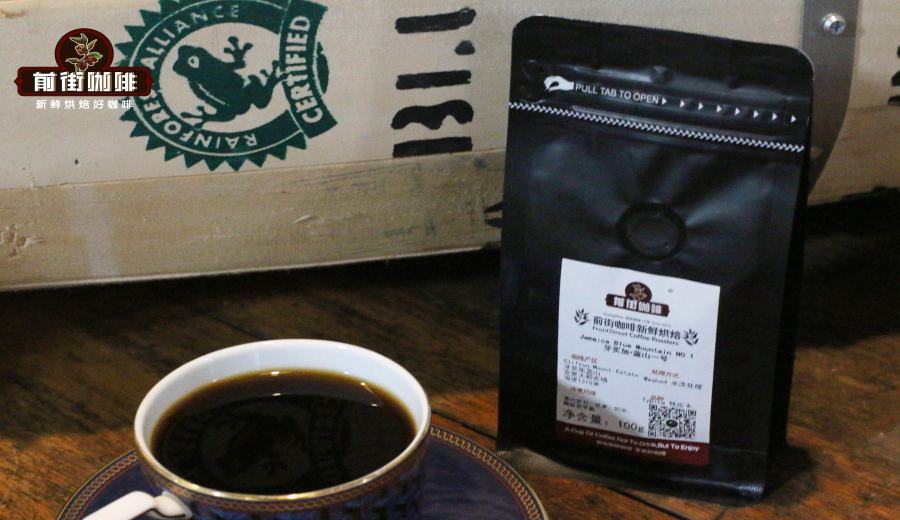
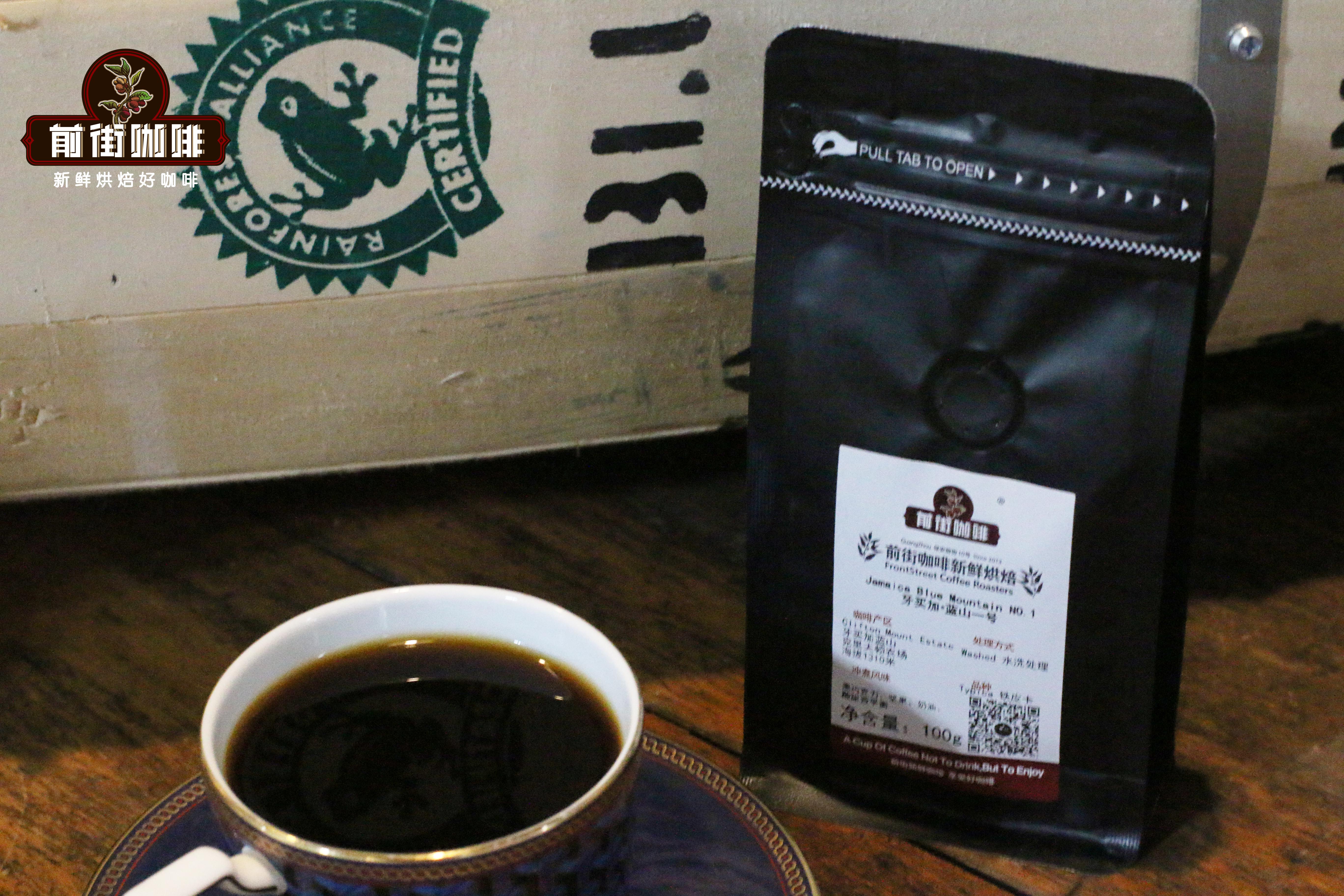
Among the many Blue Mountain coffee estates,Clifton Mount Estatestands out as the most prestigious. Not only does it boast over 270 years of cultivation history, but it is also theonly Blue Mountain coffee estate certified by the Rainforest Alliance. The coffee trading company associated with this estate accounts for half of all Jamaica Blue Mountain No. 1 green bean exports, making it a significant force in the Blue Mountain coffee market.
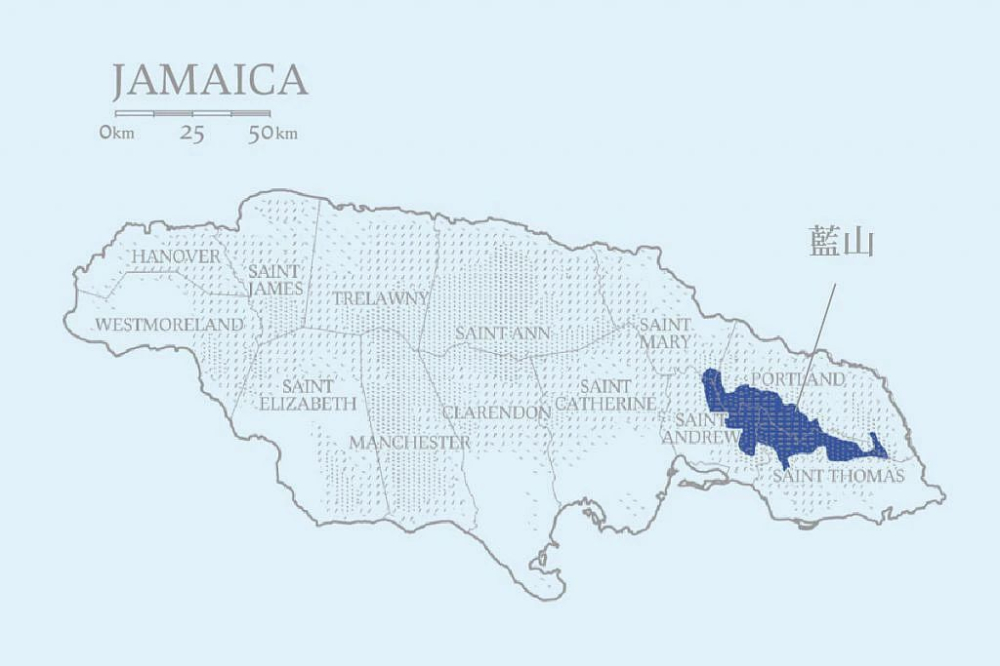
The Jamaican government has a very clear definition of what constitutes “Blue Mountain coffee.” Only coffee of theTypica varietygrown within a designated area of approximately 6,000 hectares—about one-third of the entire Blue Mountain range—as defined by the CIB in the Blue Mountain mountain range, qualifies as “Jamaica Blue Mountain Coffee.” This legal production area is primarily located in the parishes of St. Thomas, St. Mary, St. Andrew, and Portland, at elevations ranging from approximately 910 to 1,700 meters above sea level.
In addition to Clifton Mount Estate, the other three well-known Jamaica Blue Mountain coffee estates are: Stoneleigh Estate, Gold Cup Estate, and RWS Coffee Estate (formed by the integration of three historic estates: Resource, Sherwood Forest, and Whitfield Hall). Among them, Clifton Mount Estate, with its long historical background, stable production capacity, and high-quality control, is the preferred source for many top-tier coffee traders.
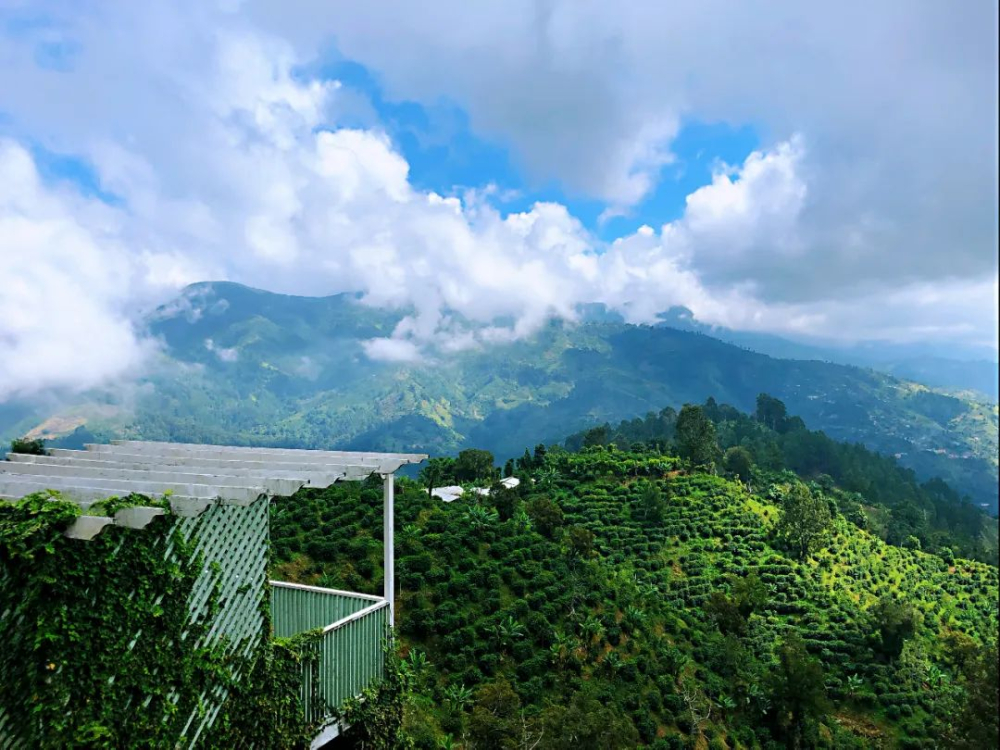
The history of coffee production at Clifton Mount Estate dates back to the mid-18th century, around 1750, and is currently managed by the Sharpe Family, who have been at the helm since 1978. The estate is situated on Clifton Mount, with coffee cultivation and initial processing occurring at an average elevation of 4,300 feet (1,310.64 meters). This altitude creates significant diurnal temperature variations, coupled with morning mist, ample sunlight, and frequent rainfall, along with mineral-rich volcanic soil—ideal conditions that slow down fruit ripening and aid in the accumulation of flavor compounds.
Due to the steep slopes where the coffee is grown, harvesting is extremely labor-intensive. During the annual spring harvest season, the Sharpe Family mobilizes skilled pickers to manually collect only perfectly ripe red cherries, ensuring a premium starting point for raw material quality.
In terms of processing, Clifton Mount Estate places great emphasis on sustainable and refined production. Since taking over, the estate has gradually transformed the original overgrown woodland, introduced modern processing equipment, and independently built a solar power generation system, a wastewater treatment facility, and a BMCP specialized processing plant. As theonly coffee estate in Jamaica with “Rainforest Alliance Certification,”it enforces strict environmental measures at every stage of production—for example, recycling processing water for farmland irrigation, and fermenting coffee cherry husks into organic fertilizer used for on-site flower cultivation.
In terms of green bean processing technology, harvested coffee cherries first go through afloating tank screening processto separate ripe and unripe beans using density differences. Next, the ripe cherries are transported via water flow to the pulping unit, where the outer skin and part of the pulp are removed. The beans, still coated with mucilage and silver skin, are then placed in tanks forfermentation to remove mucilage.Once the mucilage is broken down, the beans are rinsed with running water to remove residues, followed byparchment dryinguntil the moisture content is reduced to 11%–12%. Finally, these green beans undergo about a month of resting and maturation in the BMCP facility to stabilize and round out their internal flavors.
As for the grading of Blue Mountain coffee, the CIB enforces stringent oversight based on multiple criteria. Since its establishment in 1952, the CIB has set unified quality standards and a grading system for coffee produced in the Blue Mountains, ensuring that exported products consistently meet high benchmarks. The CIB’s evaluation factors include:green bean size (based on screen size), defect rate, color, uniformity, as well as cupping attributes such asdry fragrance, wet aroma, acidity, sweetness, body, and cleanlinessacross multidimensional metrics.
Bean size is classified using screens with different hole diameters, and only those passing through a 17-mesh screen (approximately 8.0 mm) or larger qualify for the Blue Mountain No. 1 specification. Color assessment combines visual judgment and chroma meter readings, with bluish-green being the highest grade. Based on a comprehensive evaluation, Blue Mountain coffee is divided into four grades: Blue Mountain No. 1, Blue Mountain No. 2, Blue Mountain No. 3, and Blue Mountain Peaberry. Among these, Blue Mountain No. 1 is the highest grade, requiringa screen size of 17 or higher, a defect rate below 3%, and a moisture content of around 13%, as well as outstanding performance in cupping evaluations in terms of aroma, smooth acidity, and aftertaste.
It is worth noting that CIB-certified Blue Mountain coffee is exported in different packaging materials according to grade: Blue Mountain No. 1, No. 2, and No. 3 arethe only coffees in the world exported in wooden barrels (70 kg, 30 kg, and 15 kg sizes), which help regulate moisture levels and preserve flavor. Other grades are shipped in standard 60 kg jute sacks. The wooden barrels not only help adjust humidity but also effectively prevent aroma loss, becoming one of the hallmarks of authentic Blue Mountain coffee.
In terms of roasting and extraction performance, one coffee brand (this article discusses technical aspects only, without commercial promotion) typically employsmedium-dark roastingfor Blue Mountain No. 1 green beans, aiming to highlight its classic notes of chocolate, nuts, and cream, while retaining moderate acidity and sweetness to create a balanced and full-bodied flavor profile.
According to professional cupping, freshly roasted Blue Mountain No. 1 exhibits nutty, melon, and chocolate aromas in the dry stage; once hot water is poured, it releases a complex aroma of oolong tea, caramel, honey, and dark chocolate. Upon tasting, one can perceive rich flavors of dark chocolate, roasted hazelnuts, cream, and brown sugar, with a full-bodied and layered mouthfeel and a long, clean aftertaste. It is recommended that consumers enjoy the beans within five days of roasting for optimal flavor.
For pour-over brewing of Blue Mountain No. 1, the KONO dripper is recommended. Its smooth upper curve design enhances filter paper adhesion, and its immersion-focused extraction characteristics help boost coffee concentration and body. If a KONO is unavailable, a Kalita wave dripper or a French press are also excellent alternatives.
Recommended pour-over parameters are as follows: water temperature 88°C, grind size similar to coarse sugar (approximately 75% passing through a 20-mesh sieve), 15 grams of coffee, a 1:15 coffee-to-water ratio. Use a three-stage pouring method: the first pour adds 30 grams of water for a 30-second bloom; the second pour brings the total to about 125 grams with steady circular pouring; when the water level drops halfway, continue pouring to 225 grams, with a total extraction time of about 2 minutes. These parameters fully showcase the delicate and layered qualities of Blue Mountain coffee, making it a professional-grade pour-over setup worth trying.
The above content is compiled by CoffeeHunters, a coffee news website.


