







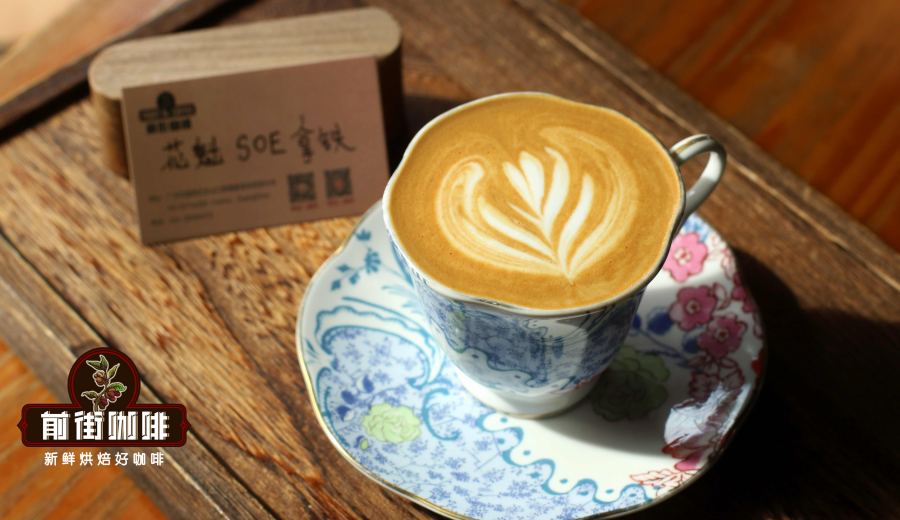
Introduction:SOE (Single Origin Espresso) refers to espresso made using single-origin coffee beans. Its most distinctive feature is the ability to authentically reflect the terroir of the origin, including varietal characteristics and processing method details. However, because the high temperature and pressure environment of an espresso machine amplifies flavor expression, lighter roasted beans can easily produce overly sharp acidity. Therefore, adjustments in bean selection, grind size, and extraction parameters all require greater precision. This article delves into the unique charm of SOE, helping you master the key elements of a high-quality espresso, and uses three classic single-origin beans as examples to provide practical extraction ratios and preparation suggestions for both hot and iced drinks.
The so-called SOE, or Single Origin Espresso, refers to espresso produced using only single-origin coffee beans. The highlight of this type of coffee lies in its ability to clearly showcase the unique terroir characteristics of the origin—be it the region, the variety, or the processing method—all of which can be savored in a single sip. However, due to the high-temperature, high-pressure environment of an espresso machine, the inherent flavor traits of the beans are amplified many times over. If lighter roasted beans are used, their acidity may become excessively sharp or even astringent. Therefore, extra care must be taken when selecting beans, setting extraction parameters, and choosing beverage pairings.
Compared to traditional blended beans, SOE does indeed have a higher extraction threshold. But precisely for this reason, selecting the right single-origin coffee bean can often lead to an outstanding overall flavor performance, achieving twice the result with half the effort. This article will begin by exploring the characteristics and backstory of SOE, then gradually break down the extraction standards for an ideal espresso, and use three classic single-origin beans—Brazilian Queen Estate, PWN Golden Mandheling, and Huakui—as examples to share practical extraction parameters and methods for preparing both hot and iced Americanos and lattes.
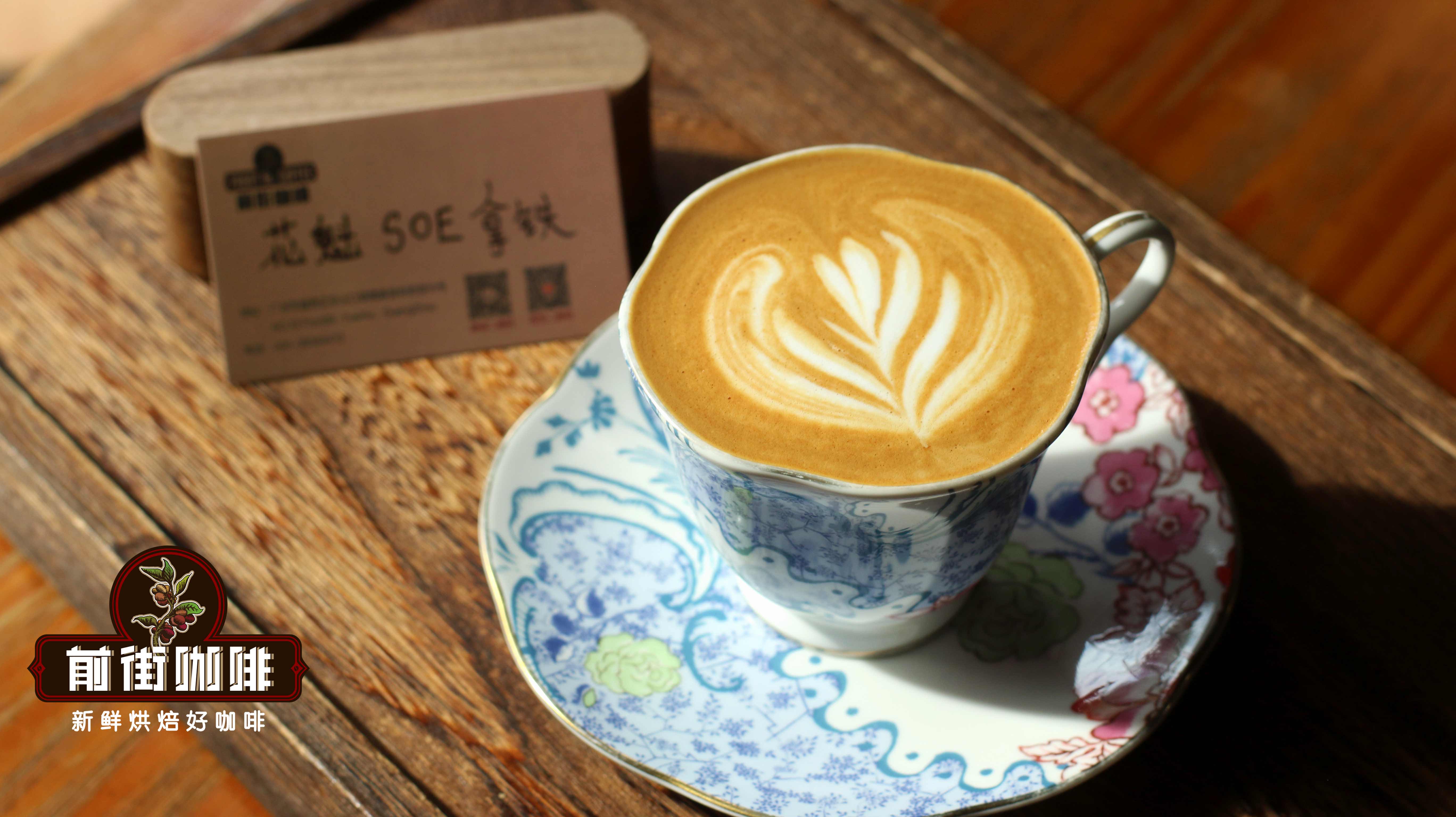
In simple terms, SOE is espresso extracted using coffee beans from a single origin. Its appeal to coffee enthusiasts primarily lies in its ability to fully retain the flavor imprint of the origin, allowing you to easily discern where the coffee comes from, what variety it is, and even what processing method was used, all through the act of tasting.
Since the espresso machine operates in a high-temperature, high-pressure environment, it significantly amplifies the inherent flavor characteristics of the coffee beans. Therefore, if lighter roasted beans are used to make SOE, their acidity can easily become too sharp and astringent. For this reason, to create an SOE that is flavorful yet smooth, every step—from bean selection and extraction parameter adjustment to beverage pairing—must not be overlooked.
Compared to commonly used blended beans, SOE does indeed pose a greater extraction challenge. But if you can find the right single-origin coffee bean, it often leads to a more outstanding overall performance, achieving twice the result with half the effort.
If you prefer coffee with nutty notes, consider trying the Queen Estate SOE coffee beans. This medium-dark roasted single-origin bean comes from Brazil, the world’s largest coffee-producing country. Its flavor profile is dominated by creamy peanut, nutty, and cookie-like aromas, with a distinct cane sugar sweetness. The overall mouthfeel is round and smooth, with low acidity, making it very suitable for making SOE Americano, SOE Latte, or even brewing with a moka pot.
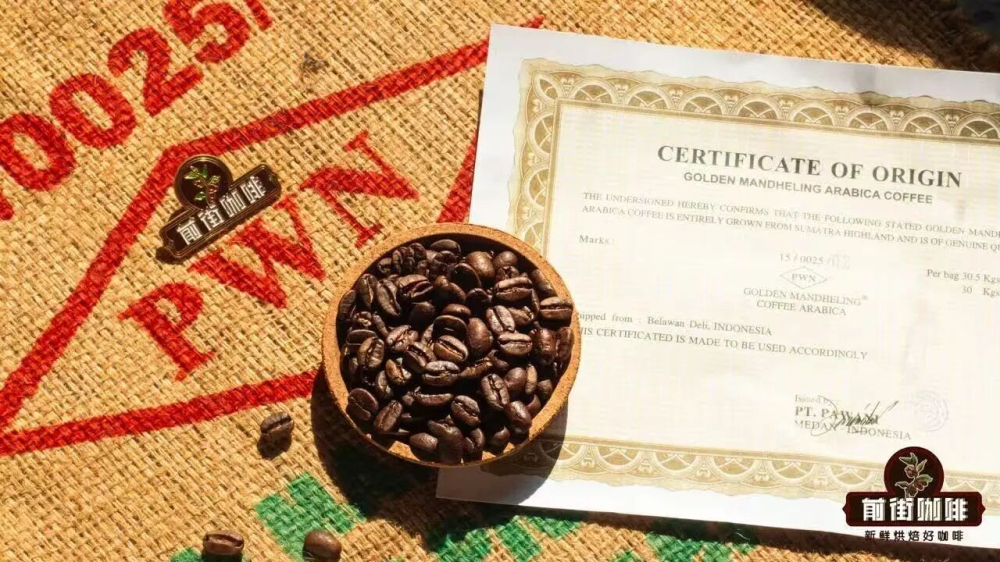
For those who cannot tolerate any acidity at all, the PWN Golden Mandheling SOE coffee beans would be a better choice. This specialty coffee from Sumatra is considered one of the region’s flagship offerings, excelling in both aroma and body. Its cup profile is dominated by roasty notes such as dark chocolate, maple syrup, spices, nuts, pine, and herbs. The taste is rich and syrupy, especially suitable for those who dislike acidic sensations, and can be used to make SOE Latte or SOE Americano.
For beginners just getting into SOE, it is recommended to start with the Huakui SOE coffee beans. This classic specialty coffee from Ethiopia, Africa, has long been known for its elegant and layered floral and fruity notes, making it particularly suitable for drinkers who dislike bitter or astringent tastes. Unlike the light and refined profile of pour-over coffee, Huakui SOE presents clear orange blossom, berry, and citrus flavors, with a well-balanced acidity-to-sweetness ratio. It is highly suitable for making small servings of SOE Americano or SOE Flat White.
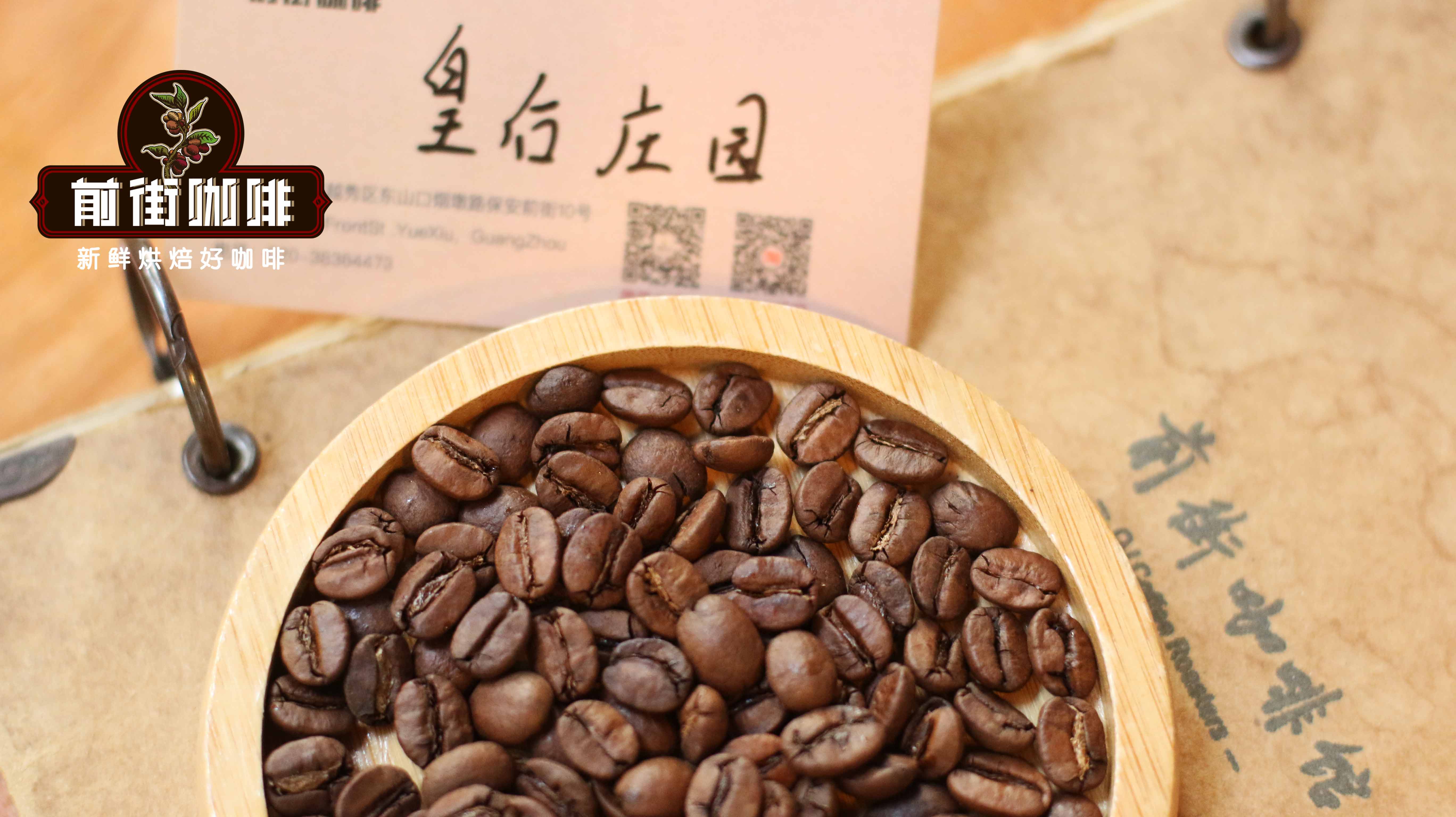
Although SOE offers strong flavor expressiveness, it can also amplify any off-flavors in the beans. Therefore, when making it, it is necessary to readjust the ratio of espresso to milk or water. It is recommended to reduce the amount of milk or water to concentrate the coffee flavor and avoid the entire drink tasting too thin. The following will use Brazilian Queen Estate coffee beans as an example to detail the parameters and process for making SOE coffee.
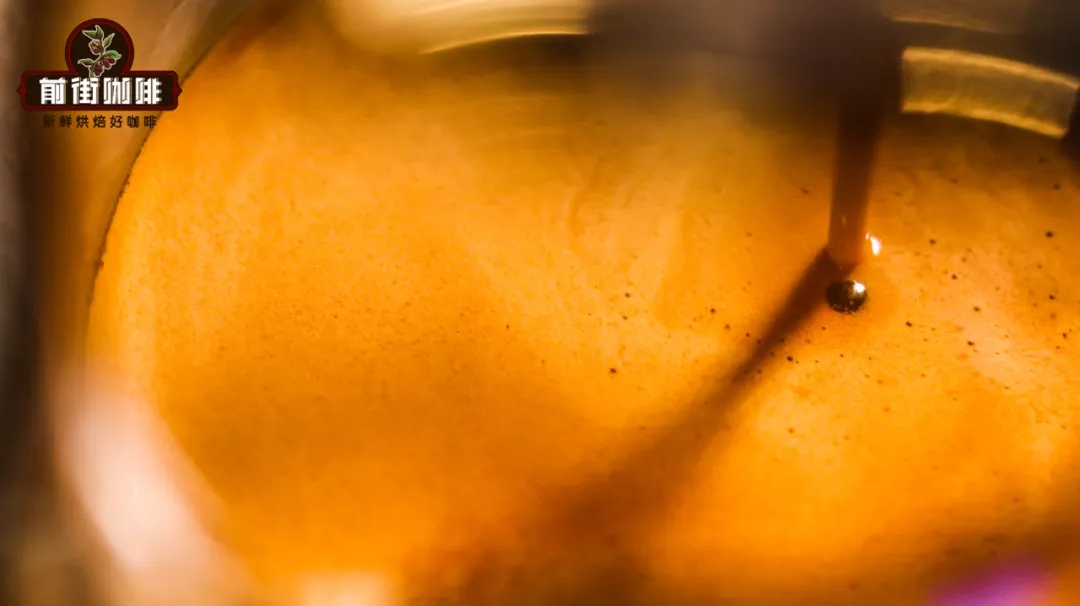
The recommended parameters for a certain brand’s Brazilian Queen Estate SOE are as follows: 20g of coffee grounds, 40ml of coffee liquid, with an extraction time advised to be between 25–30 seconds (actual test around 27 seconds), and a grind size recommended to be Galileo Q18-2.0.
The flavor characteristics of this bean include a blend of nutty, creamy peanut, sugarcane, chocolate, maple syrup, and toasted bread aromas, offering great richness. To make an iced Americano, prepare 120g of ice cubes and 120ml of room-temperature water, then pour in 40g of coffee liquid. For a hot Americano, prepare 180g of warm water and pour in the same 40g of espresso. Compared to traditional Americanos, this coffee lacks intense bitterness and instead offers a sugarcane-like aftertaste, with nutty, creamy peanut, and toasted bread aromas noticeable upon sipping.
To make an iced latte, prepare 100g of ice cubes and 150g of fresh milk, then pour in 40g of espresso. For a hot latte, use 40g of coffee liquid as the base, steam 200ml of fresh milk into a smooth microfoam, mix well, and finish with latte art.
The resulting latte has a sweet, smooth flavor with a taste reminiscent of Ovaltine, and might even give you a whole new perspective on coffee.
The above content is compiled by CoffeeHunters, a coffee news website.


