







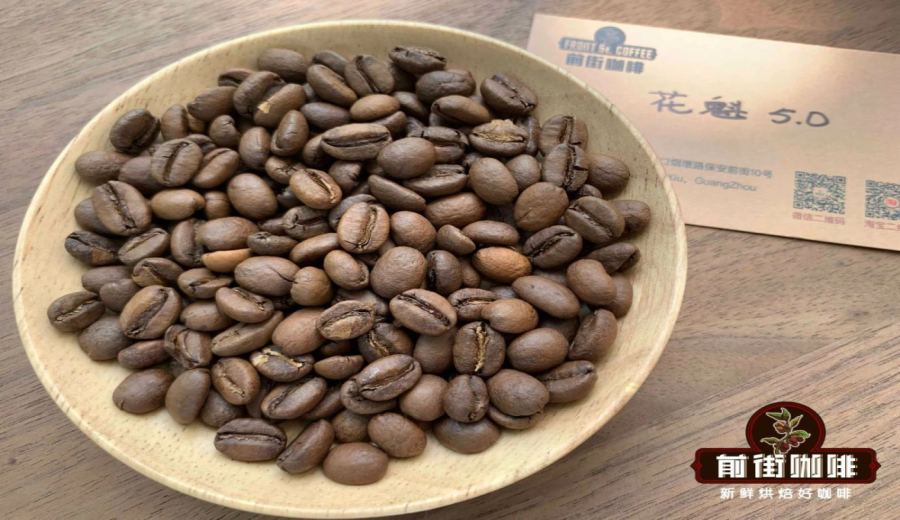
Introduction:Want to understand how to roast Ethiopian Hua Kui coffee beans to bring out the best berry cream and tropical fruit flavors? This article delves into the origin background of Hua Kui, the characteristics of its sun-dried processing, and reveals the process of adjusting professional roast curves along with V60 pour over parameters. From charge temperature, first crack timing to development time, it guides you on how to highlight Hua Kui’s complexity and sweetness through roasting and extraction—suitable for both coffee beginners and advanced enthusiasts.
Hua Kui coffee beans come from the Guji sub-region of Gedeb in Ethiopia’s Sidamo area. This sub-region, adjacent to the renowned Yirgacheffe Kochere, is known for producing premium coffee beans with bright acidity, floral and fruity aromas, and rich complexity. What makes Hua Kui special is its sun-dried processing method, which allows the sugars from the fruit pulp and mucilage to fully penetrate the beans, giving them a natural sweetness and flavor profile reminiscent of berries and cream. However, whether these flavors can be fully expressed depends on the control of the roasting process.
The choice of roast level often determines the final flavor direction of Hua Kui. A light to medium roast preserves its inherent bright acidity and vibrant fruity character, making tropical fruit notes such as berries, citrus, and honey more distinct. If roasted to a medium-dark level, while it can bring out the richness of caramel and chocolate, it may mask the bean’s delicate regional traits, losing the lively charm that makes Ethiopian coffee so captivating. Therefore, many professional roasters compare cupping results across different roast curves to find the roast style that best expresses Hua Kui’s potential.
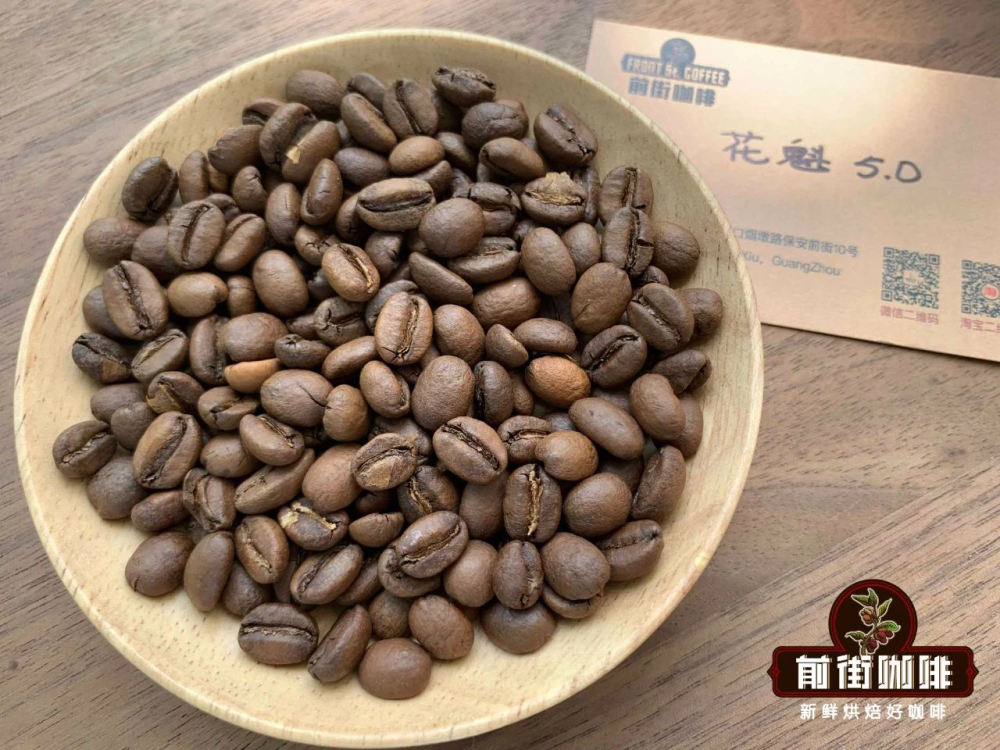
During the actual roasting process, roasters develop three roast profiles—lighter, medium, and darker—based on the characteristics of each green bean lot, such as origin altitude, processing method, moisture content, and storage condition, and then conduct cupping the next day to make selections. Key roasting stages include stable temperature rise during the drying phase, control of the yellowing point (usually around 150–153°C), the timing of first crack and the development rhythm. These details greatly influence the final flavor, especially for a bean like Hua Kui that excels in fruitiness and sweetness.
Taking actual cupping results as an example, the first batch was charged at 190°C, with a yellowing point of about 150.3°C and a first crack development time of 1 minute 40 seconds. The overall flavor was refreshing, with notes of green tea, lime, and cane sugar. The acidity was soft but the finish slightly short—ideal for those who prefer a tea-like profile. The second batch adjusted the development time to 1 minute 30 seconds, with the yellowing point slightly raised to 151°C and first crack occurring at 9 minutes 50 seconds. The flavors became richer, interweaving black tea, yellow lemon, caramel, and creamy notes, with more pronounced sweetness. The overall balance and complexity were improved.
After repeated cupping and adjustments, the final roast curve involved charging at 190°C, reaching the yellowing point around 150–153°C over nearly 6 minutes, with first crack starting at about 9 minutes 50 seconds. The development time was kept within 1 minute 30 seconds. It is recommended to moderately open the air vent and reduce the heat at this stage to stabilize the heating rate. When the fragrance hints at strawberry jam (around 193°C), it’s the ideal time to drop the beans. The total roast time is advised to stay under 11 minutes to preserve the maximum amount of fruity, floral, and sweet qualities.
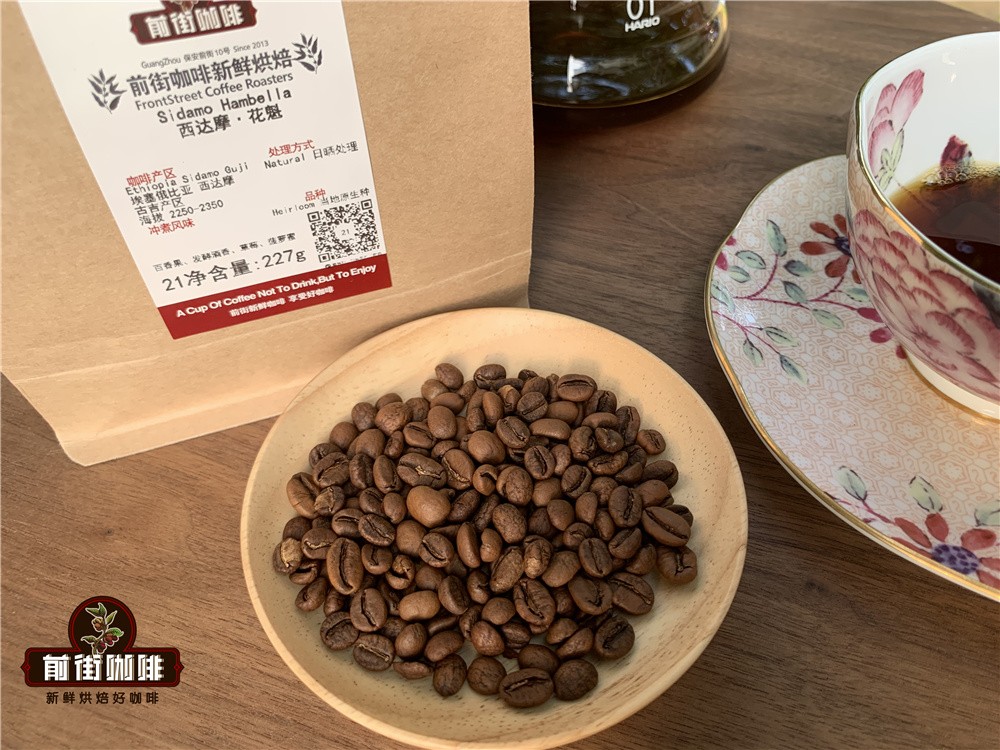
As for extraction, to fully showcase Hua Kui’s complex flavors and full body, it is recommended to use a V60 dripper for pour over, with a higher water temperature of 90°C and a 1:15 coffee-to-water ratio (15g coffee to 225g water), using a medium-fine grind size (approximately 80% passing through a #20 sieve). Specifically, a staged extraction method can be employed: start with a 30g bloom for 30 seconds to allow the coffee grounds to fully expand. Then, pour up to 125g by 1 minute, and when the water level drops to two-thirds of the coffee bed, pour up to 225g by 1 minute 40 seconds. Total brew time is controlled at 1 minute 59 seconds, with the whole process taking about 2 minutes. These parameters balance acidity, sweetness, and body, avoiding over-extraction or under-extraction.
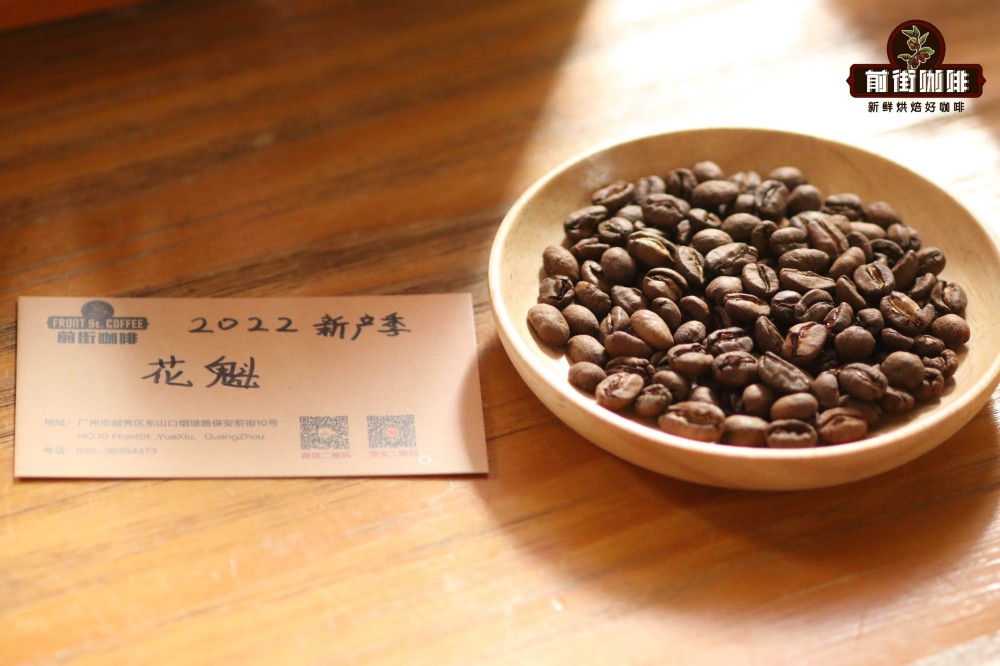
Hua Kui’s sun-dried processing gives it naturally rich fruit and sweet flavors, with common tasting notes including citrus, berries, tropical fruits (such as jackfruit and melon), honey, and mild fermented wine-like aromas. With proper roasting and extraction, caramel, cocoa, and spice notes can also emerge, complemented by a smooth and thick body and a long-lasting, captivating aftertaste. However, due to yearly variations in climate and processing conditions, different vintages of Hua Kui (such as Hua Kui 5.0 and 6.0) may show slight differences in flavor, though the core traits of bright acidity and rich fruitiness remain consistent.
Additionally, the resting period after roasting is another crucial factor affecting flavor. It is recommended to let freshly roasted Hua Kui rest for 4–7 days to allow internal CO₂ to dissipate fully—this is when the flavors are at their best. If purchasing coffee powder, it is advisable to use it immediately to prevent rapid oxidation and aroma loss due to air exposure. For whole beans, it’s also recommended to store them in aluminum foil bags with one-way valves, which prevent oxygen ingress while allowing natural CO₂ release, thus maintaining bean freshness.
In summary, brewing a cup of Hua Kui coffee with full flavor and clear layers hinges on mastering the roast’s yellowing point, first crack timing, and development time, along with using suitable pour over parameters. With careful adjustments, you too can enjoy this classic Ethiopian single-origin sun-dried coffee at home and experience its unique charm of berry cream and tropical fruits.
The above content is compiled by CoffeeHunters, a coffee news website.


