







Introduction:Geisha coffee beans are renowned for their floral and fruity aromas, but different roast levels can impart vastly different flavor profiles. This article presents practical cupping and pour-over experiments using both light-medium and medium-dark roast profiles to analyze their differences in aroma, acidity, sweetness, and mouthfeel. It also explores which roast level best showcases the unique character of Geisha, helping coffee enthusiasts choose the right flavor direction.
Geisha coffee beans have long been favored by coffee lovers for their delicate floral and fruity notes and bright acidity, characteristics that are often most pronounced with a light roast. But what if Geisha is roasted slightly darker—say, into the medium-dark range? Does it still perform well? To answer this question, we used the Green Label Geisha from Panama’s Finca Emerald as our sample, conducting cupping and pour-over experiments with two different roast profiles: light-medium and medium-dark, comparing them across multiple sensory dimensions.
Most Geisha coffee beans on the market are sold as light roasts, and this is no accident. Light roasting preserves the beans’ original flavor characteristics to the greatest extent, especially those from high-altitude regions. The subtle floral, fruity, and citrus notes of high-altitude Geisha are particularly vibrant with a light roast. However, many baristas and consumers wonder whether roasting Geisha to a medium-dark level might bring out different levels of sweetness and body. To test this hypothesis, we specifically selected the Green Label Geisha from Panama’s Boquete region, grown at an altitude of approximately 1,600 to 1,800 meters. We processed it using both light-medium and medium-dark roast methods, and compared their actual performance in pour-over brewing and cupping.
In this experiment, we designed two distinctly different roast profiles: the first being a standard light-medium roast curve, and the second a slightly darker medium-dark roast curve. The goal was to observe the actual impact of development time and roasting temperature on the flavor of Geisha.
For the light-medium roast profile, the coffee beans turned yellow at the 5-minute mark, first crack began at 8 minutes 30 seconds with an internal drum temperature of 184.2°C, followed by a 1 minute 30 second development phase after first crack, and the final roast exit temperature was 193.5°C. According to the SCAA roast color value assessment, this batch scored 66.2, placing it firmly within the typical light-medium roast range. In comparison, the medium-dark roast profile also turned yellow at the 5-minute mark, but first crack started slightly earlier at 8 minutes 20 seconds with a drum temperature of 182.5°C. The development time after first crack was extended to 3 minutes 20 seconds, and the exit temperature reached 196.8°C, with a color value of 52.4, clearly leaning toward the medium-dark roast category.
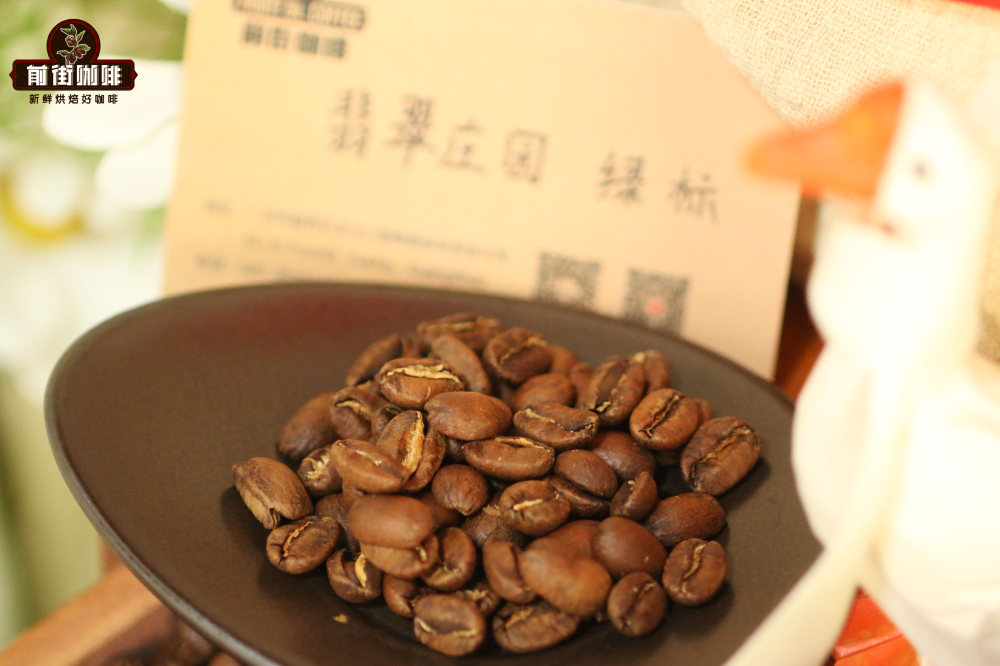
Observing the appearance of the roasted beans, the light-medium roast showed more surface wrinkles and clearly visible silver skin remnants. In contrast, the medium-dark roast beans appeared rounder and smoother, with the silver skin almost completely gone, and the color leaning toward dark brown.
In terms of cupping results, the light-medium roasted Geisha exhibited bright citrus and lime acidity, accompanied by intense jasmine and chamomile floral aromas, with a finish that included soft cream, cane sugar sweetness, and a green tea-like fresh aftertaste. The medium-dark roast version, while still retaining some of the floral and fruity foundation, featured more pronounced sweetness, with warm notes such as caramel, chocolate, and bergamot, giving an overall balance that leaned toward a richer body.
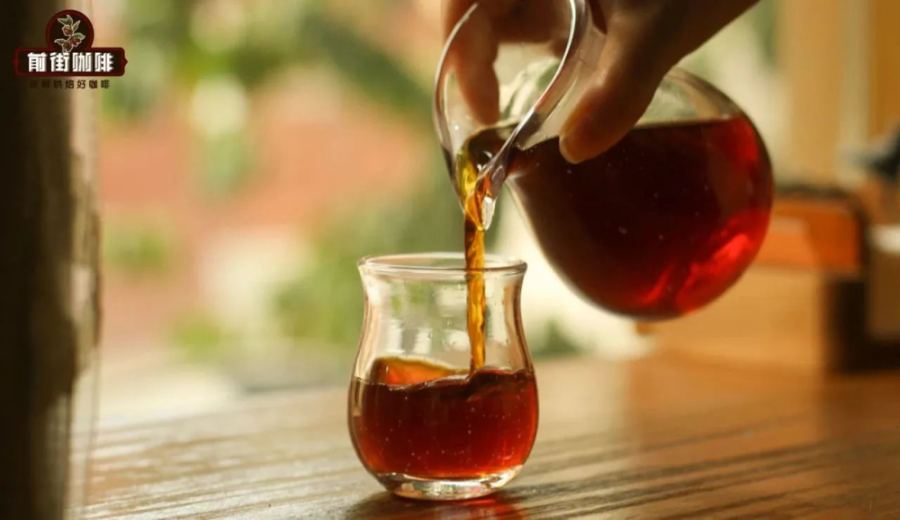
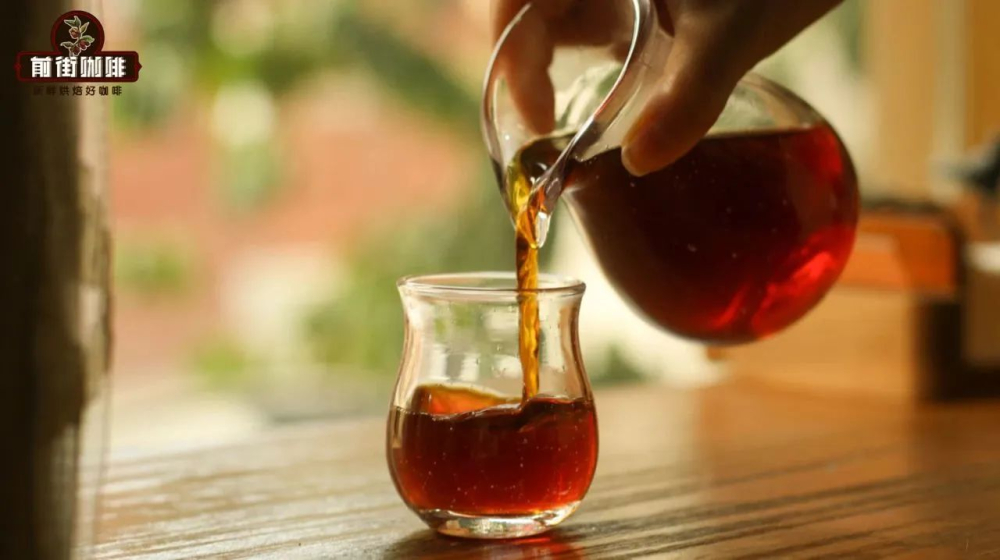
For actual pour-over performance, we used similar brew ratios (1:15) and grind sizes (approximately 58% passing through a Chinese Standard No. 20 sieve, equivalent to BG 5R), but adjusted water temperature and extraction time according to roast level. For the light-medium roast pour-over, the water temperature was set to 90°C, with a 30-second bloom followed by pouring with a small stream of water up to 124 grams for the first pour, and a total brew water volume of 225 grams. The total extraction time was about 1 minute 55 seconds. Under these conditions, the flavor profile was dominated by chamomile and jasmine floral notes, with prominent lemon, citrus, and bergamot acidity upon entry. The mid-palate transitioned into honey and maple sweetness, and the finish carried green tea aromas along with a lasting cane sugar aftertaste, resulting in an overall bright and refreshing mouthfeel.
The medium-dark roast pour-over settings were adjusted to a water temperature of 88°C, with a 30-second bloom followed by pouring with a small stream of water up to 120 grams for the first pour, and a total brew water volume of 227 grams. The extraction time was about 1 minute 50 seconds. This group’s flavor profile was dominated by caramel and chocolate, with a soft oolong tea note. When the temperature dropped, slight orange and bergamot acidity could be detected, resulting in a smoother and more rounded mouthfeel with a clear sweetness, though the acidity was relatively more restrained.
Overall, considering the performance of both roast levels, the light-medium roasted Geisha demonstrated richer aroma layers and more intricate flavor details, making it especially suitable for drinkers who enjoy bright acidity and floral-fruit notes. The medium-dark roast, on the other hand, highlighted a more intense sweetness and fuller body, catering to consumers who prefer bold flavors and warm, sweet notes. However, because Geisha itself possesses highly distinctive floral and fruit aromas, an overly dark roast can easily cause these unique characteristics to diminish, resulting in a more generic overall profile. Therefore, to fully showcase the strengths of Geisha, it is recommended to opt for a shorter development time and a moderate roast depth, thereby preserving its most captivating aromatic qualities.
The above content is compiled by CoffeeHunters, a coffee news website.


