







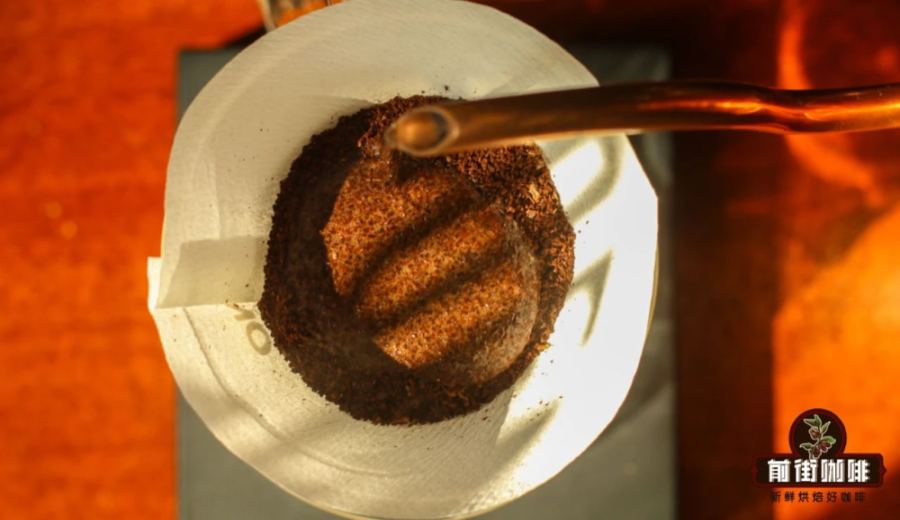
Introduction:Want to explore the charm of pour over coffee but don’t know where to start? This article delves into four classic Japanese pour over techniques — the Matsuya method, the Kono method, the volcano pour, and the zigzag pour — helping you master their operational essentials and flavor profiles. It also features high-value everyday beans from three major producing regions: Africa, Asia, and the Americas, detailing practical extraction parameters such as grind size, water temperature, and coffee-to-water ratio, along with the flavor profile of each bean to help you quickly find your ideal pour over flavor combination.
Many pour over enthusiasts wonder how to bring out the full potential of coffee beans through brewing. In fact, pour over is not just about technique — it’s an experience. Every step, from selecting beans and grinding to pouring water, affects the final flavor. This article will introduce you to four classic Japanese pour over methods and recommend several beginner-friendly beans suited to different regional characteristics, along with detailed extraction suggestions to help you get started with ease.
Japanese coffee culture emphasizes subtlety and precision, and pour over techniques have evolved into various schools of thought, all aiming to highlight the most captivating flavor layers of coffee beans. Below are four of the most representative Japanese pour over methods:
1. Matsuya Method Pour Over
Created by Kazuyoshi Matsushita in 1962, this method’s standout feature is the use of coarse grind and long blooming time. The process involves digging a well in the center of the coffee grounds, pouring a thin stream of water from a height, then switching to a circular motion outward once the coffee begins to drip, ensuring even saturation of the coffee bed. After covering with a lid for a three-minute bloom, continue pouring water evenly until the server is half full, then top up with hot water to adjust concentration. Coffee brewed this way has stable flavors that remain consistent even after sitting for a while, without easily becoming stale or cloudy.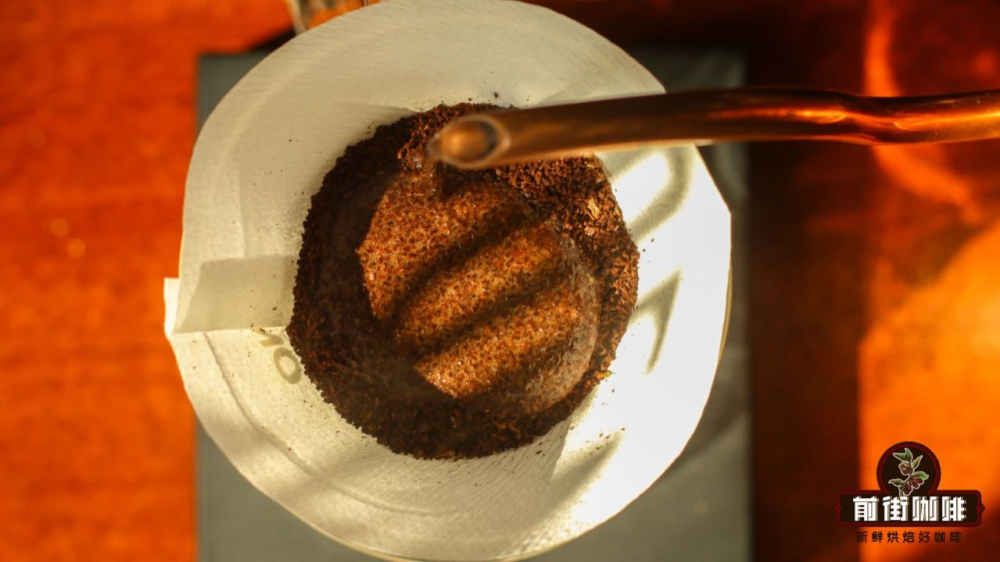
2. Kono Method Pour Over (Drip-by-Drip Method)
Also known as the drip method, it achieves full saturation of the coffee grounds by dripping water drop by drop. This method demands exceptional stability and patience: begin by wetting the coffee bed with a small amount of water, wait until about one-third has dripped through, then gradually increase the water volume. Pause pouring when the water level reaches the top of the filter cone, and resume only after the water level has dropped by half. This technique enhances sweetness while reducing acidity and bitterness.
3. Volcano Pour Over
This method makes use of the abundant CO₂ in dark roasted beans, causing the coffee bed to expand like a volcano through multiple blooming stages. It is typically paired with a cloth filter, with water poured in a focused area about the size of a one-yuan coin at the center. The early stage requires careful control to avoid over-extraction, while the later stage uses even pouring to balance concentration. Volcano pour coffee has a rich, full-bodied mouthfeel, ideal for those who enjoy a heavier body.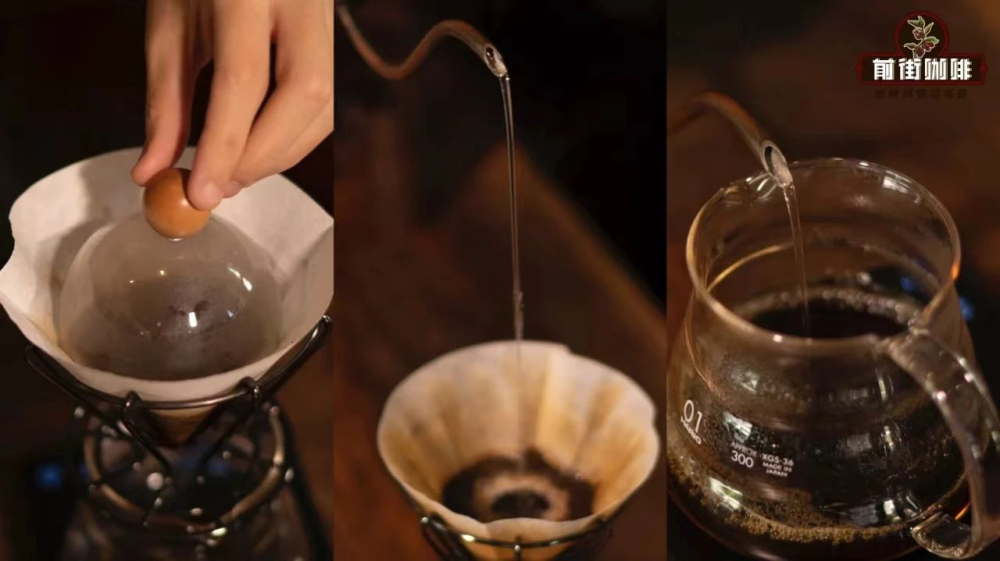
4. Zigzag Pour Method
Developed by Japanese barista champion Teruharu Tanahara, this method uses a cloth filter and skips the blooming step, completing the entire brew in just 40 seconds. Its hallmark is a zigzag pouring path to ensure water passes through the entire coffee bed. As the extraction becomes richer, increase the water volume, then further boost flow rate when the flavor starts to fade, ultimately yielding a bold, structured cup with pronounced aftertaste.
While each technique has its unique strengths, there are no rigid rules in pour over. Water quality, filter design, grind size, coffee-to-water ratio, water flow speed and height, and even the pouring path all subtly influence the final flavor. Beginners are advised to grasp the basic principles first, then adjust based on personal preference.
Next, we recommend high-value everyday beans from three major regions, complete with practical brewing parameters:
African Region Recommendation: Ethiopian Washed Yirgacheffe
Grown at altitudes of 1,800–2,000 meters, Yirgacheffe is renowned for its bright fruity acidity. The washed process highlights cleanliness and citrus notes, making it a quintessential light roast. Recommended using a V60 filter, with a water temperature of 90°C, a coffee-to-water ratio of 1:15 (15g coffee), and a grind size passing 80% through a #20 Chinese sieve. Begin with a 30g bloom for 30 seconds, then pour in a small circular motion up to 125g, followed by a second pour to 225g just before the coffee bed is exposed. Total brew time is approximately 2 minutes and 5 seconds. Flavor notes include jasmine, berries, lemon, and citrus layered complexity.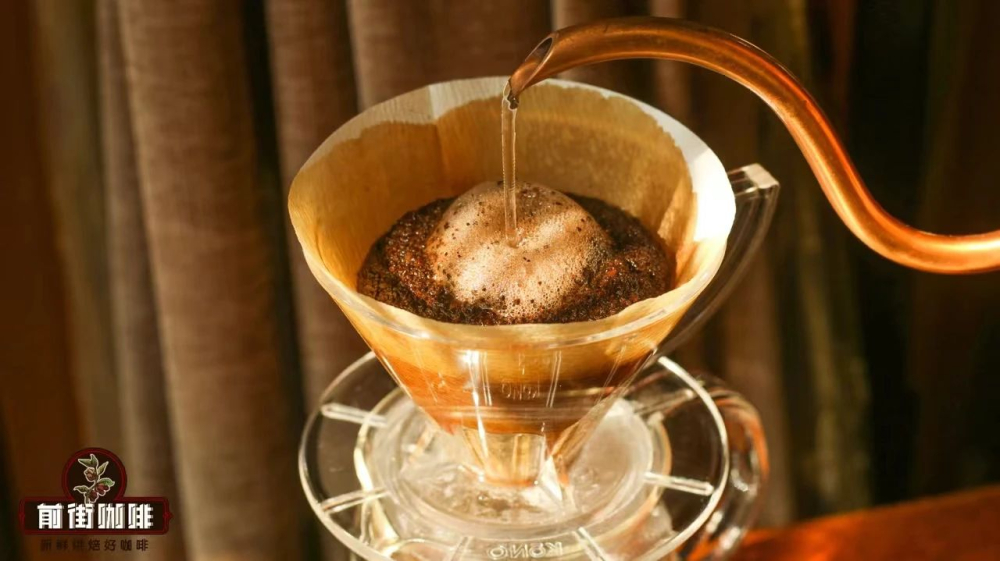
Asian Region Recommendation: Indonesian Sumatra Mandheling
The medium-dark roasted Mandheling from the Lidong region, processed via the wet-hulled method, offers tobacco and earthy aromas alongside nutty and caramel notes. Light to medium roasts can opt for the Lidong everyday bean, while medium-dark roasts are recommended to go for PWN Golden Mandheling (Grade G1). Use a V60 for light roasts (90°C, 80% grind), or a Kono for medium-dark roasts (88°C, 70–75% grind), both at a 1:15 ratio with 15g coffee. Pouring sequence: 30g bloom for 30 seconds → 125g pour → then top up to 225g. V60 takes around 2 minutes, Kono about 2 minutes and 10 seconds. Flavor profile includes toasted bread, herbs, pine, and chocolate finish.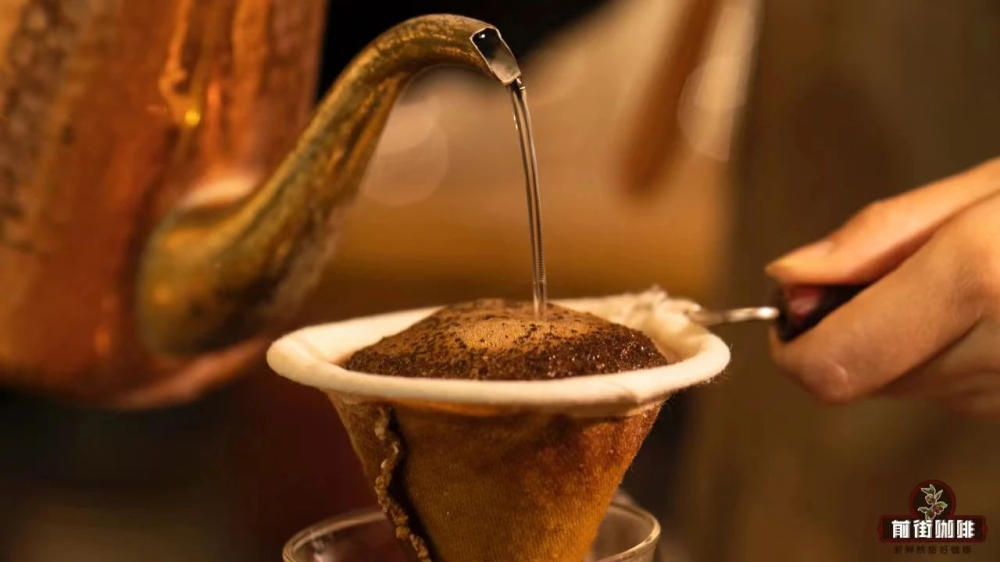
Americas Region Recommendation: Guatemalan Huehuetenango
This medium-roast washed bean balances nutty, lemon peel, and berry notes, making it ideal for beginners seeking a well-rounded flavor. Use a V60 filter with parameters similar to Yirgacheffe (90°C, 1:15, 15g coffee, 80% grind). Brewing steps: 30g bloom for 30 seconds → circular pour to 125g → top up to 225g once the water level drops halfway, with total brew time kept under 2 minutes. Flavor highlights include a nutty base paired with a refreshing citrus finish.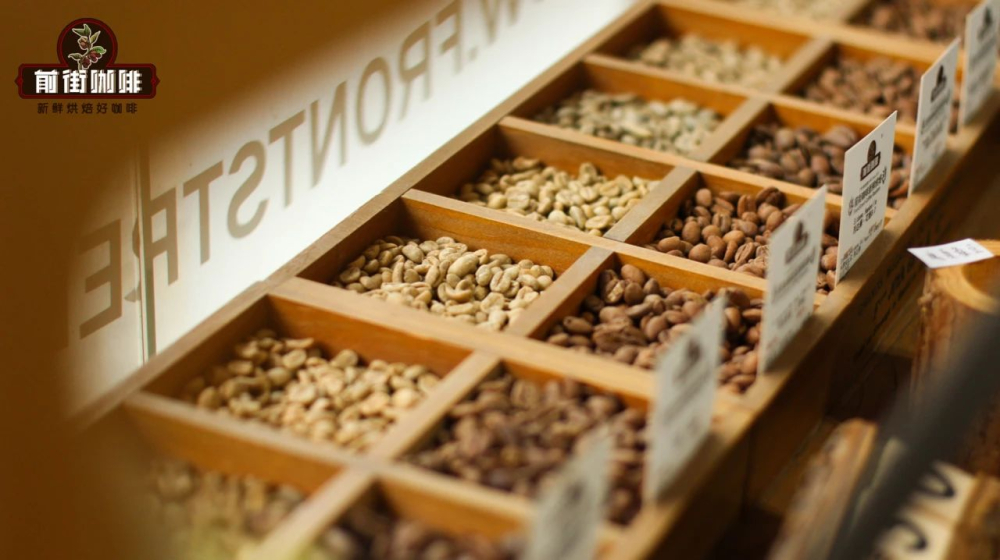
No matter which technique or bean you choose, remember to observe the coffee bed expansion, water distribution, and extraction sounds during brewing, adjusting gradually to find your ideal setup. These classic recipes will give you a solid foundation for your pour over journey.

The above content is compiled by CoffeeHunters, a coffee news website.


