







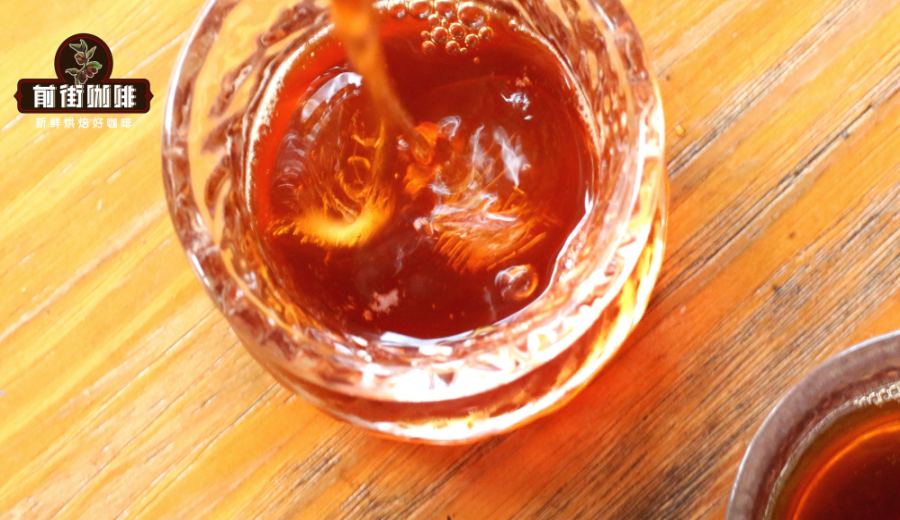
Introduction:Cold brew coffee, with its low-temperature slow extraction process, delivers a smooth, rich flavor and lingering taste notes, while containing relatively low caffeine levels, making it suitable for extended refrigerated storage. This article delves into the unique extraction principles of cold brew coffee, recommends coffee bean varieties ideal for cold brewing, and provides detailed home-brewing steps and parameter suggestions to help you easily recreate a Starbucks-level cold brew flavor—along with practical tips to avoid common mistakes.
Cold brew coffee has gained global popularity in recent years, especially during hot summer months, thanks to its refreshing and smooth characteristics. This low-temperature, long-duration brewing method not only produces a bold yet mellow flavor, but also, due to its lower caffeine content and the potential mild fruity-alcoholic notes from fermentation, has become a favorite among many coffee enthusiasts. What is the allure of cold brew coffee? And how can you make it at home to rival the flavor of Starbucks? Below, we’ll explore everything from principles and bean selection to specific steps in detail.
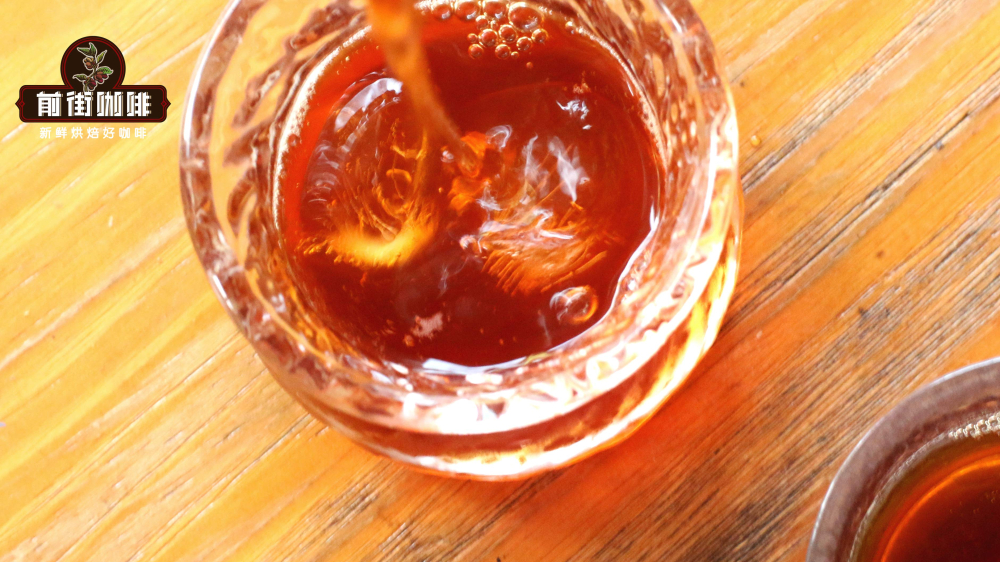
The production principle of cold brew coffee involves mixing coarsely ground coffee powder with cold water at a certain ratio, and allowing it to steep in a low-temperature environment for an extended period—typically ranging from 8 to 16 hours. During this process, the low extraction temperature effectively suppresses the release of acidic substances and bitter impurities, resulting in a sweeter, smoother coffee liquid with noticeably reduced acidity. In addition, the low-temperature environment also limits the release of large-molecule flavor compounds such as smokiness, while better highlighting the delicate nuances of small-molecule flavors like floral and fruity notes.
Compared to traditional high-temperature extraction (which usually uses 82 to 95°C hot water and takes only a few seconds to 3 minutes), cold brew coffee requires a longer brewing time, but the overall process is gentler, showcasing the unique terroir characteristics of the coffee bean origin—especially appealing to those who prefer low-acidity and full-bodied flavors. Moreover, cold brew coffee can typically be refrigerated for up to two weeks, making it convenient for on-the-go consumption and an ideal choice for busy lifestyles.

To make a flavorful cup of cold brew coffee, choosing the right beans is crucial. Generally speaking, high-quality, freshly roasted coffee beans are the basic requirement. Based on different flavor preferences, you can select from the following types of beans:
• Prefer fruit acidity and sweetness: It’s recommended to choose fruity single-origin coffee beans, which are typically grown at high altitudes and often feature bright citrus and berry notes. Under low-temperature extraction, they can showcase a gentle balance of sweet and sour.
• Desire a balanced flavor: You can opt for medium-roast beans that offer a well-rounded mix of acidity, sweetness, bitterness, and richness. These beans are usually sourced from diverse regions and deliver stable flavor profiles and layers.
• Love rich and full-bodied flavors: Dark roast beans such as Mandheling or Golden Mandheling can provide intense chocolate and nutty aromas, suitable for those seeking a bold mouthfeel.
The standard ratio for making cold brew coffee is recommended to be 20 grams of coffee powder to 240 milliliters of cold water, with a water-to-coffee ratio of about 1:12. The grind size should be adjusted to be slightly coarser than that used for typical pour over, to avoid over-extraction caused by prolonged contact time. Place the ground coffee into a sealed container, add cold water, and stir evenly to ensure all coffee grounds are fully saturated. Then place it in the refrigerator to steep for 8 to 10 hours, with 13 hours being the recommended duration for optimal extraction.
After extraction, use a filter cloth or paper filter to remove the coffee grounds, and you’ll get a clear cold brew coffee liquid. For enhanced flavor, you can let it sit in the refrigerator for a few more hours after filtration, which helps further integrate and develop the flavors.
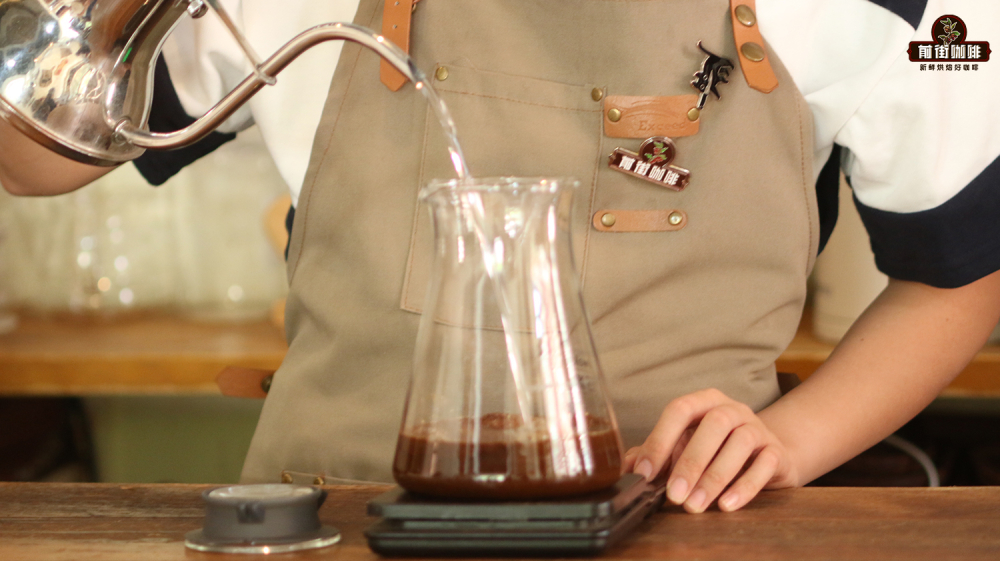
The flavor profile of cold brew coffee is generally low in acidity, sweet, and layered, dominated by fruity, floral, and berry notes. Some bean varieties may even develop intense berry aromas after prolonged refrigeration. It tastes refreshing upon entry, with a clean and smooth aftertaste, making it perfect for serving over ice or as a base for custom cold brew cocktails.
However, cold brew coffee also has its limitations. Due to prolonged contact with water, caffeine is released quite thoroughly. A single 200-milliliter cup of cold brew coffee (using 20 grams of beans) contains approximately 200 milligrams of caffeine, which falls on the higher side and is not suitable for caffeine-sensitive individuals or for evening consumption. Additionally, although the cold brew process is less likely to produce noticeable acidity or bitterness, in some cases—such as improper bean selection or excessive brewing time—it may still result in slight sourness or flavor imbalance. It’s recommended to fine-tune grind size and brewing time based on personal taste.
In summary, cold brew coffee is not only simple to make and uniquely flavorful, but also a brewing method that fully highlights the intrinsic qualities of the coffee beans. As long as you master the selection of bean varieties, grind coarseness, water-to-coffee ratio, and brewing time, you can easily replicate a café-quality cold brew at home and enjoy a cool, full-bodied coffee experience.
The above content is compiled by CoffeeHunters, a coffee news website.


