








Introduction:Dive into how Colombia’s Finca San Jose Estate crafts distinctive specialty coffee through rum barrel cold fermentation. This article explores the estate’s background, the evolution of its processing method, highlights the Castillo variety, and provides a detailed analysis of flavor profiles under three different pour over water temperatures—along with practical brewing parameters and tips to help you master the art of brewing this rum-barrel-fermented coffee.
In the world of specialty coffee, rum barrel fermentation has recently become a focal point for many coffee enthusiasts. But did you know? The pioneer of this innovative technique isn’t from Honduras, but from Finca San Jose in Colombia’s Caldas region. The estate’s third-generation female owner, inspired by witnessing the rum-making process firsthand, conceived the idea of fermenting green coffee beans in rum oak barrels. After years of repeated testing and adjustments, she successfully developed coffee beans with rich rum aromas and layered complexity.
Located in Colombia’s Caldas region, Finca San Jose Estate boasts over a century of coffee-growing history. Covering 18 hectares, with 16.5 hectares dedicated to coffee cultivation, the estate enjoys a warm climate with an average annual temperature of about 21°C to 25°C and abundant sunshine—ideal conditions for coffee trees. With the rise of the specialty coffee trend, Finca San Jose has actively embraced innovative processing methods, and rum barrel fermentation coffee is one of its most iconic offerings.
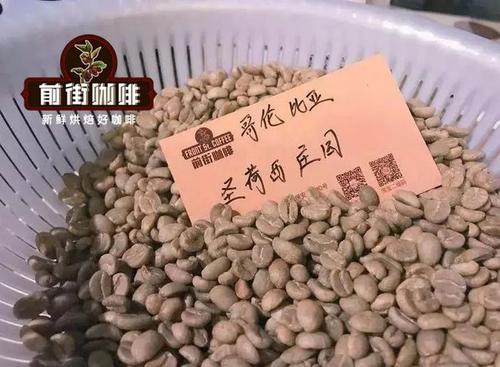
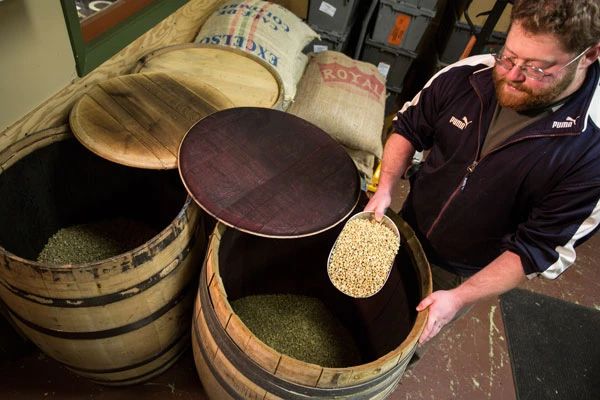
The birth of these coffee beans was inspired by an accidental moment for owner Monsalve Botero. While accompanying her husband, who works in rum production and oak barrel crafting, she observed the fermentation process of rum in oak barrels and was struck with the idea of fermenting coffee beans similarly. Starting in 2013, she conducted low-temperature fermentation experiments using rum barrels of varying ages, meticulously documenting flavor variations under different conditions. Eventually, she settled on using rum oak barrels with an age of 8 years or more, precisely controlling the maturation period within the optimal three-month window. Throughout, she gently stirred the beans daily to ensure even flavor absorption and performed sample tests every 30 days to avoid under- or over-fermentation. This rigorous process gave rise to this uniquely flavored rum barrel-fermented coffee.
In the processing workflow, Finca San Jose selects the widely grown Castillo variety locally, using only fully ripe red cherries. After undergoing a meticulous washed process, the beans are fermented for 20 hours before the parchment beans are placed in rum oak barrels to rest for three months. This fermentation not only imparts a rich rum aroma but also delivers a creamy body along with nutty and cocoa aftertastes.Compared to traditional washed processing, rum barrel fermentation significantly enhances flavor complexity and layering, but it also demands stricter control over temperature and timing.
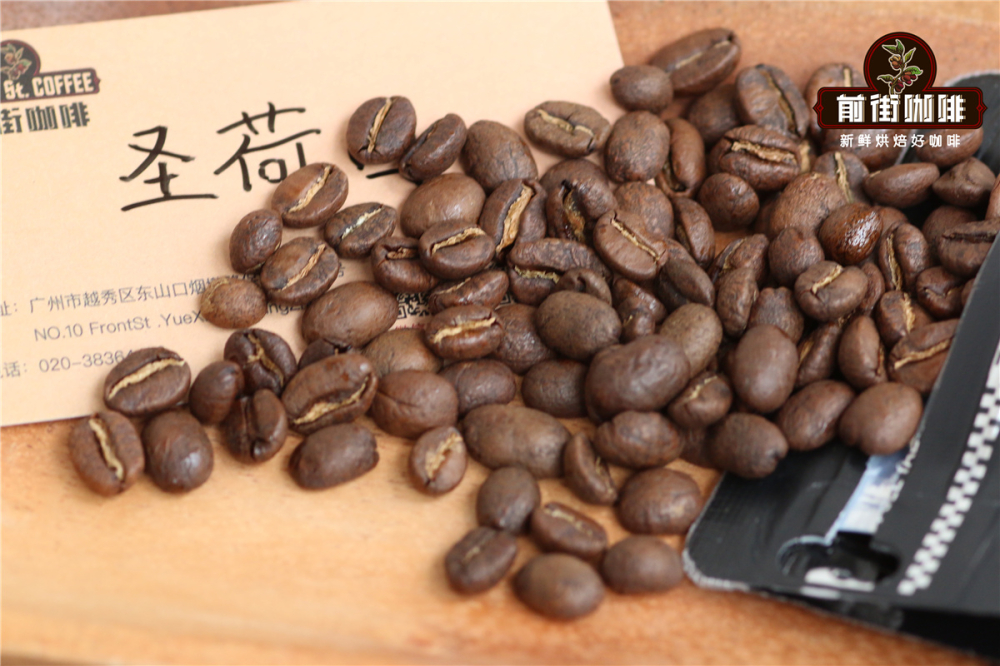
Many coffee enthusiasts often compare the rum barrel-fermented beans from Finca San Jose in Colombia with those from Honduras. Cupping tests reveal that Honduran rum barrel coffees typically release prominent rum aromas first, followed by soft fruit acidity, and finish with a creamy body and notes of nuts and cocoa. In contrast, the Finca San Jose version presents a distinctly different flavor profile: starting with a robust foundation of nuts and cocoa, followed by gradually emerging rum aromas, then layered tropical fruit acidity and maple-like sweetness. The overall flavor is more three-dimensional and dynamic.
The Castillo variety used in this coffee is a disease-resistant new cultivar developed by Colombia’s coffee research institute CENICAFE in 2005, with its origins tracing back to research on the Timor variety—which carries Robusta lineage—beginning in 1961. After launching the Tabi variety in 2002, the Castillo variety, named after researcher Jaime Castillo Zapata, was officially released in 2005. This variety not only exhibits strong resistance to leaf rust but also thrives in high-altitude environments. It has since become one of Colombia’s mainstream cultivated varieties. Its green beans feature a bluish-green appearance, with intense fermentation aromas and ripe fruit scents, providing an excellent base for subsequent rum barrel fermentation.
Within Colombia’s coffee grading system, Supremo is one of the highest grades, typically indicating large bean size, few defects, and superior quality. These Finca San Jose coffee beans belong to this grade, with every step—from planting and harvesting to processing and roasting—subjected to strict quality control to ensure the purity and consistency of the final flavor.
To allow coffee enthusiasts to fully experience the charm of this rum barrel-fermented coffee at home, a coffee team conducted pour over tests across different water temperatures, recording detailed brewing parameters and flavor profiles. The experiment used a Hario V60 filter, 15 grams of coffee, medium-fine grind (approximately BG 6M, 58% passing rate through a Chinese standard 20-mesh sieve), a 1:15 coffee-to-water ratio, and a pulse pouring method, adjusting only the water temperature variable.
【Water Temperature: 92°C】: Use 25 grams of water for the bloom phase, blooming for 30 seconds, then pour in a small, circular motion centered on the grounds until reaching 126 grams for the first pour. When the water level drops close to exposing the coffee bed, switch to a slightly larger stream and continue pouring to 226 grams. Total brew time is approximately 1 minute and 40 seconds. Flavorwise, the profile is dominated by intense fermentation aromas, with prominent notes of chocolate and caramel on the palate, accompanied by soft fruit acidity and a mild smoky finish.
【Water Temperature: 90°C】: Bloom with 27 grams of water for 30 seconds, then pour with a small stream until 125 grams for the first pour. In the latter stage, increase the water flow and pour to 226 grams. Total brew time is about 1 minute and 43 seconds. At this temperature, the rum aroma is particularly pronounced, showcasing layers of rum, nuts, tropical fruits, and dark berries, with a creamy finish and an oolong tea-like aftertaste. Sweetness is prominent, and overall balance is excellent.
【Water Temperature: 88°C】: Bloom with 28 grams of water, pour with a small stream to 125 grams after 30 seconds, then continue pouring to 226 grams. Total brew time is around 1 minute and 42 seconds. This set offers a brighter, more refreshing profile, based on chocolate and nut tones, with bright acidity and sweet-tart notes of citrus, jackfruit, and tropical fruits. The overall character leans more toward fruity flavors.
After comparing all three,we recommend usinga water temperature between 88°C and 90°C
for pour over brewing. This range best highlights the coffee’s sweetness, layered complexity, and full body. As this bean is medium roasted and undergoes deep fermentation, its structure is relatively loose. Brewing at higher temperatures (such as above 92°C) can lead to over-extraction, resulting in sharp or unpleasantly bitter and burnt notes.
The above content is compiled by CoffeeHunters, a coffee news website.


