








Introduction:Explore the unique flavor profiles of renowned specialty coffee regions around the world — from the floral and citrus notes of Ethiopia to the balanced body of Costa Rica. Learn how climate, altitude, and processing methods influence flavor, along with recommended roast levels and pairing suggestions. This guide offers practical tasting references and a beginner’s roadmap for pour over enthusiasts and coffee bean buyers alike.
The world of specialty coffee is like a concert hall, where each region is a unique performer, composing distinct coffee symphonies through terroir, altitude, and climate. From the bright citrus and tea-like notes of Ethiopia to the round, balanced profile of Costa Rica, every coffee bean carries the soul of its origin. This article delves into the flavor profiles, ideal roast levels, and how to discover your personal coffee preferences through tasting — whether you're a pour over novice or an experienced enthusiast, you’ll find useful guidance here.
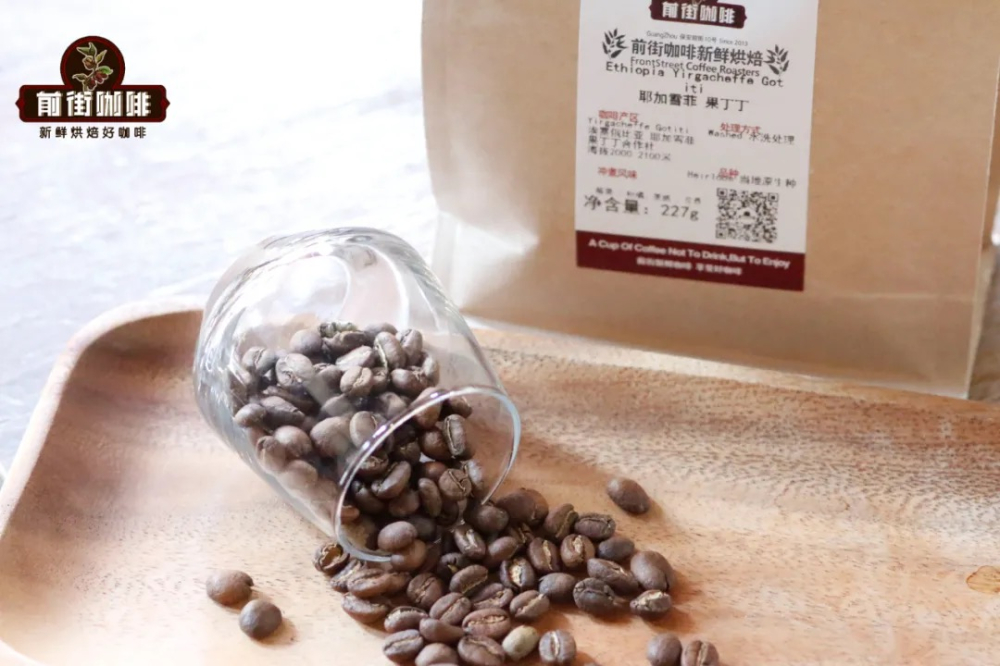
EthiopiaAs the birthplace of coffee, Ethiopia boasts rich genetic diversity. Its coffees often exhibit bright citrus tones, lemony acidity, paired with soft tea-like body and floral aromas — like a ray of winter sunshine. Try lightly roasted washed process beans, such as those from the Yirgacheffe region, to preserve the most original fruit acidity and aromatic layers. Pair them with fruit tarts or desserts decorated with citrus for a resonant flavor experience.
HondurasCoffee in Honduras is mostly grown in high-altitude mountainous areas between 1,000 and 1,900 meters. Influenced by rugged terrain and significant day-night temperature variations, the resulting coffees often present rich cocoa and dark chocolate notes, with a stable, slightly sweet profile. A medium roast is recommended to highlight their full-bodied character. They pair well with brownies or chocolate desserts, allowing the cocoa flavors to integrate more harmoniously.
LocatedPeruCoffee farms in Peru are mostly located near the Amazon River basin, at altitudes of about 1,000 to 2,000 meters. Thanks to the region’s excellent natural conditions, Peruvian coffees frequently stand out in international competitions. The beans often carry gentle peach-like acidity, delicate oak-like aromas, and a sugary molasses-like sweetness in the aftertaste. A medium roast balances these multi-layered flavors. Recommended pairings include cream puffs or crispy biscuits, offering a mild yet profound taste journey.
GuatemalaWith its mountainous terrain and complex microclimates, Guatemala produces a diverse array of coffee profiles. Among them, the Huehuetenango region is known for its bold cocoa notes, woody undertones, and caramel sweetness — ideal for medium-dark roasts that bring out its rich flavors. Macarons, with their sweet profile, complement the complexity of these coffees, making for an excellent pairing.
ColombiaColombian coffee is famed for its balanced acidity and sweetness, with a base of nuts and chocolate. Its flavor layers are clear, often starting with bright notes like passionfruit or grapes, followed by mid-palate peach sweetness, and ending with a nutty warmth. A medium roast is recommended, suiting drinkers who enjoy varied flavors but prefer less pronounced acidity. Paired with chestnut cake, its richness and aroma can be fully appreciated.
Indonesia Gayo MandhelingProduced in the Gayo Mountains of Sumatra, at elevations between 900 and 1,700 meters, this region features fertile soil ideal for Arabica cultivation. These coffees are known for their full body, herbal aromatics, and long-lasting aftertaste. A dark roast is suggested to bring out their deep spice and earthy notes. Pairing with savory items like beef cheeseburgers helps balance their intensity and highlights their layered profile.
FromBrazilBrazilian coffee beans are renowned for their smooth mouthfeel, low acidity, and rich body, serving as the foundation for many blends. Their flavors typically showcase creamy notes, nuts, and subtle sweetness, offering a silky texture without harshness — suitable for both single-origin enjoyment and as a base in espresso blends. A medium-dark roast is recommended to enhance their rounded body and sweetness. Sweet treats like strawberry cake complement their gentle, mellow character, making them a great everyday choice.
Finally,Costa Ricabenefits from volcanic soil and stable climatic conditions, producing balanced coffees with harmonious acidity and sweetness. Most beans are of the Arabica variety, featuring bright acidity reminiscent of red wine, yet with a smooth texture and a sweet, lingering finish. A medium roast accentuates their fruity notes and body. Lighter desserts like pancakes help enhance their refreshing quality, resulting in a more vibrant overall flavor.
Each specialty coffee bean represents the terroir and the care of its growers. Whether you prefer hot drinks, cold brews, or milk-based beverages, understanding regional characteristics and roast styles can help you find the cup that best suits your palate. Exploring the flavor differences among regions is also an indispensable joy in the coffee journey.
The above content is compiled by CoffeeHunters, a coffee news website.


