







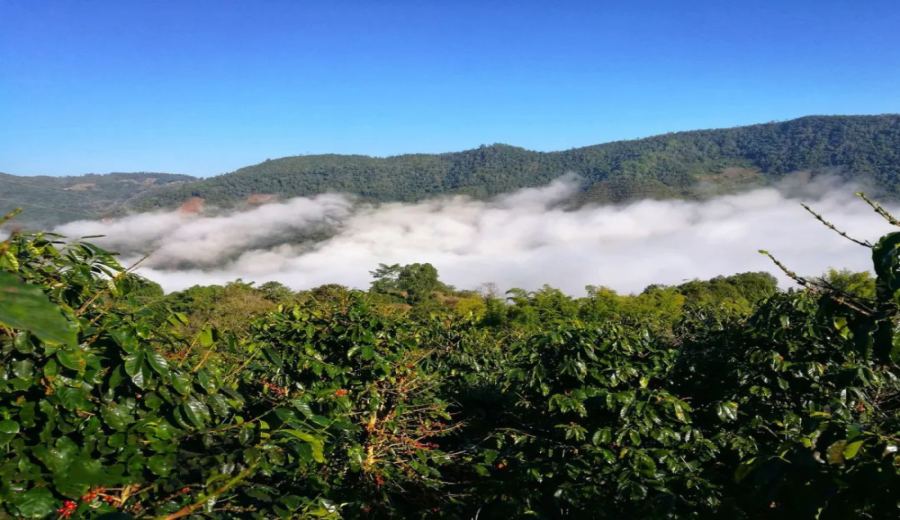
Introduction:As an important origin of specialty coffee in China, Yunnan has gradually emerged on the international stage in recent years. This article delves into the cultivation background and flavor differences of Yunnan’s mainstream coffee varieties — Catimor and Typica — while also exploring regional growing environments, processing techniques, and recommended brewing methods. It offers comprehensive insight from cultivation to cup, helping you better understand these promising beans.
Yunnan coffee is gaining increasing visibility in the specialty market. Despite its relatively short industry development history, it has shown remarkable potential. One coffee brand operates a dedicated plantation in the region bordering Yunnan and Myanmar. This article provides a full analysis of the unique qualities of Yunnan’s smallholder coffee, covering everything from geographic conditions and major producing areas to variety characteristics, processing methods, and brewing suggestions.
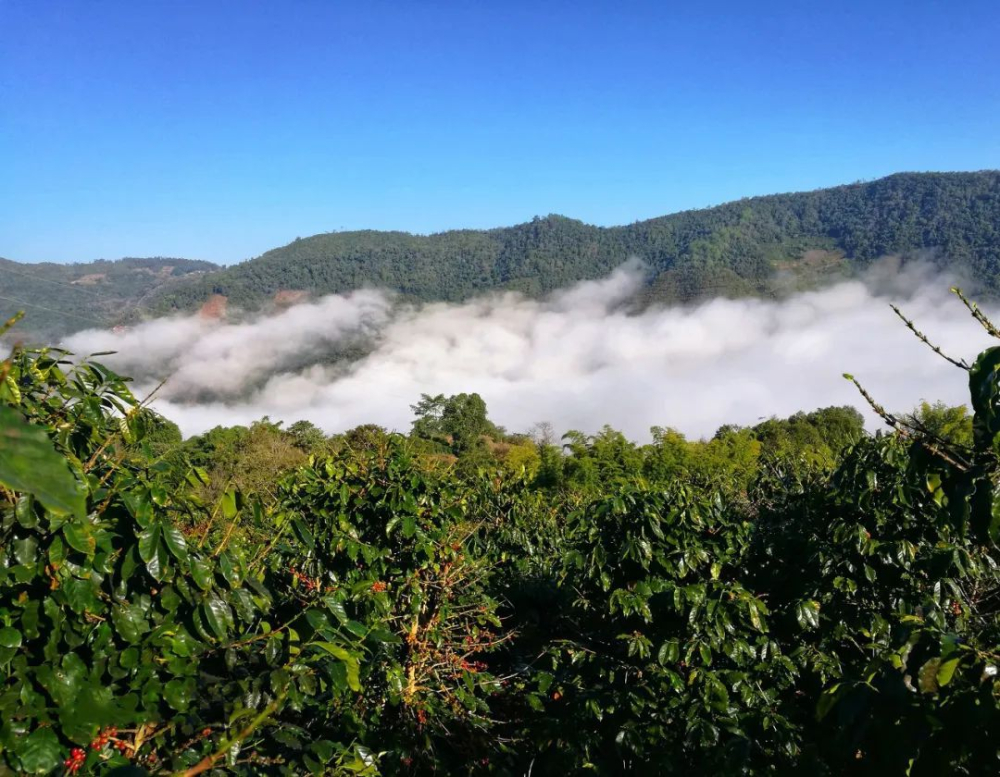
Located in southwestern China, Yunnan is crossed by the Tropic of Cancer in the south and is dominated by plateau and mountainous terrain. About 90% of the province lies within mid-altitude zones ranging from 1,000 to 3,500 meters above sea level. The region enjoys a subtropical highland monsoon climate with large diurnal temperature variations and abundant rainfall — conditions highly favorable for the growth of Arabica coffee trees, especially at mid-to-high altitudes where coffee cherries can accumulate more complex flavor compounds.
Currently, over 98% of coffee beans on the Chinese market come from Yunnan, making it the best window into the development of China’s coffee industry. This article focuses on Yunnan’s most representative smallholder coffee, particularly the widely planted Catimor, as well as the smaller quantities of Typica and Bourbon varieties still found in places like Baoshan.
Coffee cultivation in Yunnan dates back to the late 19th century, and its development can be roughly divided into four key stages. The earliest phase began in 1889 with the opening of the port of Mengzi, when foreign traders started entering the southwest. In 1902, French missionary Father Timothée Besson introduced coffee seeds from Vietnam and planted the first coffee trees in Zhukula Village, Binchuan County, Dali — some of which still have descendants today. By 1952, experts from the Yunnan Academy of Agricultural Sciences distributed coffee seeds to farmers in the Ludian Basin of Baoshan and provided planting guidance. At that time, the coffee was mainly supplied to the Soviet market, leading to rapid expansion of cultivation. Then, in 1988, with the establishment of a joint venture by Nestlé in Yunnan and the launch of a coffee planting project, the foundation of modern Yunnan’s coffee industry was laid.
Currently, the main coffee variety planted in Yunnan is Catimor, but small amounts of Typica and Bourbon are still preserved in places like Baoshan. Although all three belong to the Arabica species, they differ in flavor, plant characteristics, and environmental adaptability.
Typica is one of the oldest Arabica coffee varieties and is considered the “ancestor” of many modern varieties. It delivers elegant flavors and a clean cup profile, but the plant is weak in disease resistance — especially susceptible to leaf rust — and has relatively low yields. As a result, it has gradually been replaced by other more resistant varieties. However, one coffee brand continues to cultivate Typica in the Baoshan area, where it exhibits clear, balanced, and layered flavors such as citrus, nuts, and a hint of black tea, making it ideal for coffee lovers seeking delicate taste profiles.
Bourbon is a natural mutation of Typica, with green fruits turning bright red upon ripening. Compared to Typica, Bourbon has broader leaves and slightly higher yields, but it is also a low-yield variety. Its flavor profile often features pronounced wine-like acidity and a sweet aftertaste, making it a favorite among many specialty coffee enthusiasts.
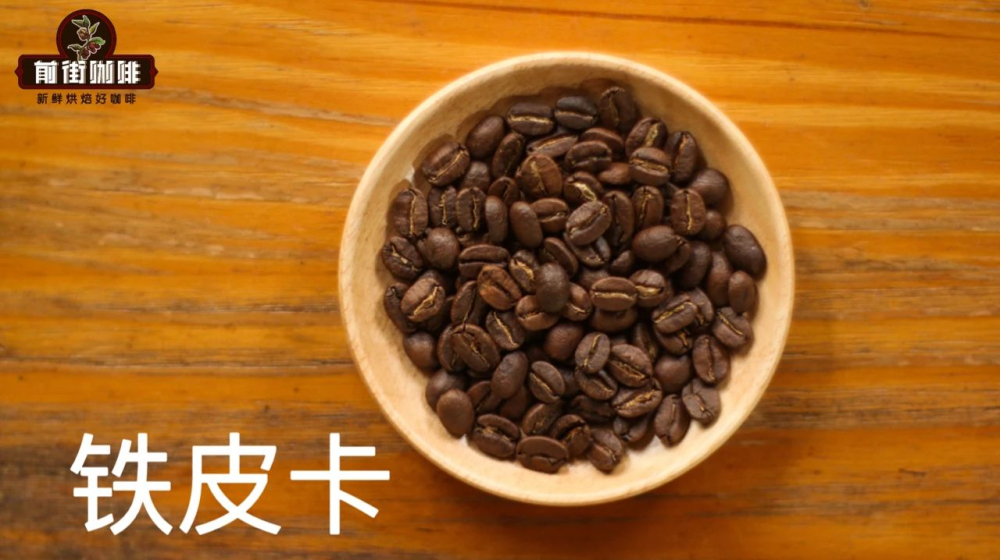
Catimor is a hybrid of Arabica and Robusta, combining Robusta’s disease resistance and high oil content with some flavor traits of Typica. With 25% Robusta genetics, Catimor has strong resistance to leaf rust, is adaptable to various environments, and offers high per-unit yields. It is currently the dominant cultivated variety in Yunnan. Its flavor commonly includes herbal, nutty, chocolatey, and caramel notes, with a rich and layered mouthfeel.
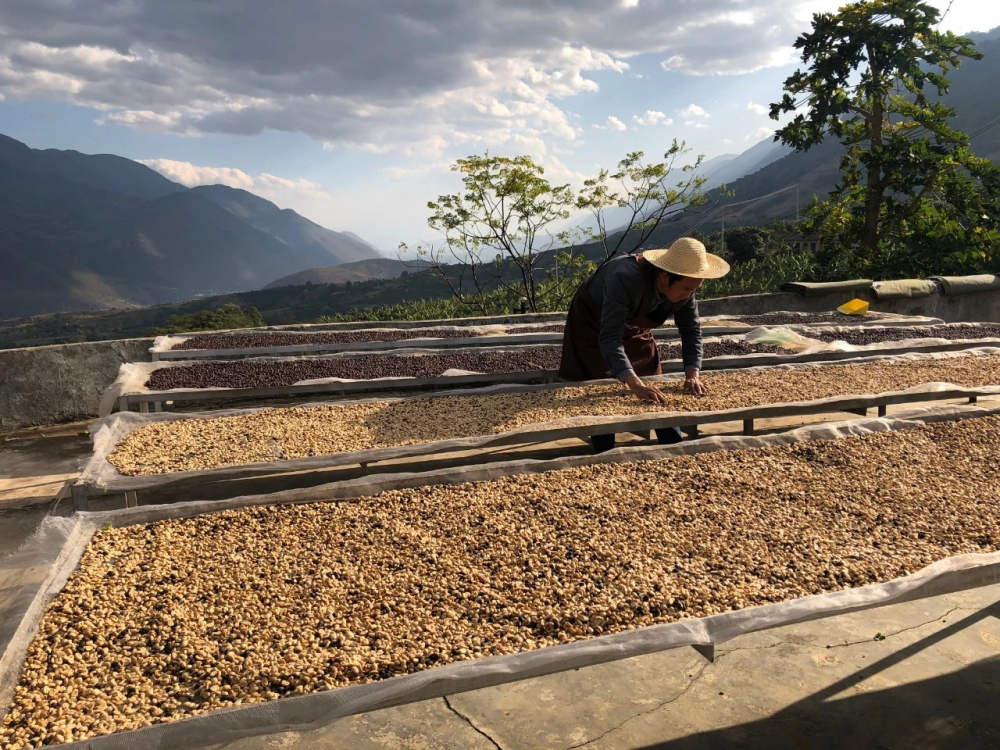
In terms of processing methods, Yunnan coffee has experimented with various techniques, but washed processing remains the mainstream. Washed processing effectively highlights the beans’ inherent flavors, enhances overall cleanliness and brightness, reduces unwanted off-flavors, and makes the acidity and sweetness of the coffee clearer. The process includes: selection and washing, removal of pulp and skin, fermentation to remove mucilage, multiple water washes, drying, and final storage and packaging.
The key to washed processing lies in precise control of fermentation and washing. It typically takes about 18 hours of fermentation and uses a large amount of clean water to rinse off mucilage residues — approximately 40–50 kilograms of water per kilogram of coffee beans — which is one reason why this method is harder to implement in arid regions.

One coffee brand currently offers two representative Yunnan coffee beans: one is the 2013 Typica from Baoshan, grown at an altitude of about 1,450–1,550 meters. After washed processing, it shows flavors of citrus, nuts, plums, melon, brown sugar-like sweetness, and a mellow black tea finish. The other is Yunnan’s smallholder coffee, also from Baoshan, using the Catimor variety grown at around 1,200 meters. Its flavors are dominated by herbal, nutty, chocolate, and caramel notes, with an overall rich and balanced cup.
In terms of roasting recommendations, Typica is advised to be roasted with a 200°C charge temperature, emphasizing stable moisture removal before entering the Maillard reaction. Development should continue for about 3 minutes after first crack to preserve its delicate acidity and aroma. For Catimor, a slightly lower charge temperature is recommended to enhance caramelization in the mid-to-late stages. Development should continue for about 3 minutes after first crack to create its rich layered profile.
For brewing, it is recommended to use a V60 dripper with medium-fine grind (similar to granulated sugar), a 1:15 coffee-to-water ratio, and water temperature controlled at 90–92°C. Using a step brewing method — starting with a 30-second bloom, followed by pouring to 124 grams, then finishing at 227 grams — the total brew time should be around 2 minutes, fully showcasing the unique flavor characteristics of these two coffees.
In summary, although Yunnan coffee has a relatively late start, it has gradually secured a place in the global specialty coffee market thanks to its geographical advantages and continuously improving cultivation and processing techniques. Whether you prefer the fresh and delicate flavors of Typica or the rich and bold profile of Catimor, you can find a surprisingly delightful cupping experience in Yunnan’s smallholder coffee.
The above content is compiled by CoffeeHunters, a coffee news website.


