







Introduction:Jamaican Blue Mountain coffee is renowned for its rich body and low acidity, yet many people still wonder upon their first try: is it really not acidic? Is it suitable to add sugar or milk? This article explores the unique flavor profile of Blue Mountain No. 1 by delving into its terroir, the official CIB grade classifications, and the cultivation and processing details at the Clydesdale Estate. It also provides a comprehensive guide to the best pour over parameters and flavor characteristics, along with practical advice on whether to add milk or sugar.
When it comes to Blue Mountain coffee, many people’s first impression is “rich body and low acidity.” However, when they actually taste it, many still wonder: is Jamaican Blue Mountain coffee really not acidic? Is it best enjoyed as a pure black coffee, or can it be enhanced with sugar and milk? This article will start with the actual flavor profile of Blue Mountain No. 1, offering an in-depth introduction to the history of Jamaican Blue Mountain, the official regional definitions by the CIB (Jamaica Coffee Industry Board), the growing environment at the Clydesdale Estate, the strict grading standards of Blue Mountain No. 1, and detailed pour over brewing recommendations. This will help you fully grasp how to brew and enjoy this world-class coffee, while also addressing common questions about adding milk or sugar.

When brewed using the pour over method, Blue Mountain No. 1 often presents prominent notes of dark chocolate, nuts, and caramel, with very mild fruit acidity. The overall mouthfeel is rich and full-bodied, with a lingering sweet almond-like finish. As the coffee cools slightly, the hazelnut aroma and creamy, smooth sweetness become more pronounced, accompanied by subtle bitterness and caramel aftertaste. The aroma lingers in the mouth for a long time, with almost no astringency or dryness to interfere.
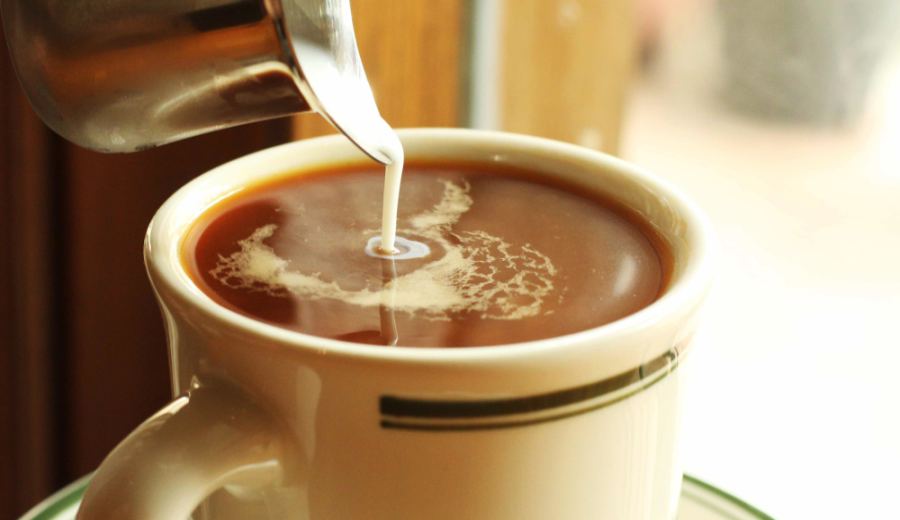
If you prefer milk-based coffee, you can also add about 50 to 100 grams of milk to Black Blue Mountain coffee. This helps soften the originally dense mouthfeel and makes the overall flavor profile more layered and complex.
Blue Mountain No. 1 coffee beans are grown at the Clydesdale Farm in the Blue Mountains of Jamaica, at an altitude of approximately 1300 meters. The variety is Typica, and the processing method is washed. Jamaica’s coffee cultivation history dates back to the early 18th century. In 1717, King Louis XV of France ordered coffee to be planted locally, and by the 1720s, then-Governor Sir Nicholas Lawes introduced Arabica seeds from Martinique and promoted them in the Saint Andrew area, laying the foundation for coffee cultivation. Over time, the planting areas gradually expanded to the Blue Mountain range. Based on differences in altitude and microclimate, they are categorized into three main types: Blue Mountain, High Mountain, and Common Jamaican coffee. Among these, Blue Mountain is the most esteemed due to its altitude and quality, and accordingly commands the highest prices.
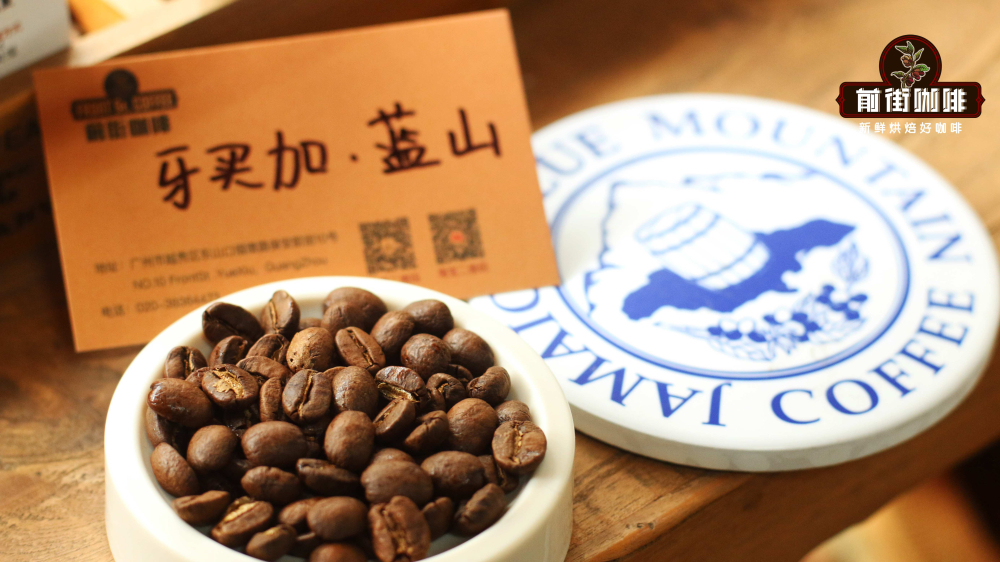
The Blue Mountain range is located in eastern Jamaica and is surrounded by the Caribbean Sea. When sunlight filters through the clear air and shines between the mountain peaks and the sea, it often reflects a bluish halo, hence the name “Blue Mountain.” The highest elevation in the region reaches 2256 meters, but only areas below 1700 meters are suitable for coffee cultivation, with higher elevations designated as natural forest reserves. This area lies within the coffee belt and benefits from fertile volcanic soil, fresh air, year-round fog, and abundant rainfall, with an average annual precipitation of about 1980 millimeters and an average temperature of around 27°C. These unique microclimatic conditions provide ideal growing environments for the exceptional quality of Blue Mountain coffee.
According to the official definition by the Jamaica Coffee Industry Board (CIB), only coffee grown at altitudes between 910 and 1700 meters, cultivated from the Typica variety, and produced within strictly regulated forest areas can be certified as authentic “Jamaican Blue Mountain coffee.” The Blue Mountain No. 1 sold under this brand is grown at an altitude of 1310 meters, sourced from the Clydesdale Estate, and processed using the traditional washed method, making it the highest-grade Blue Mountain No. 1.
Currently, all Blue Mountain coffee available on the market is processed using the washed method. After being hand-picked, coffee cherries are first sorted to remove unripe or overripe fruits, followed by rapid depulping, all of which must be completed within 12 hours of harvesting. This is then followed by traditional washed fermentation, after which the beans are moved to cement platforms for prolonged sun drying. The slow sun-drying process aids in flavor accumulation and stabilization. Only when the moisture content is reduced to 11% to 13% are the beans bagged and placed in temperature- and humidity-controlled warehouses for 2 to 3 months of aging, ensuring optimal flavor development before export.
Once an order is placed, the green beans undergo small-batch low-temperature hulling, polishing, and removal of silver skin dust. Skilled workers then individually remove defective beans such as broken, discolored, or moldy ones. It is reported that a skilled worker can sort only about 75 pounds of green beans per day. Various processing steps are transferred using wooden basins to minimize the risk of bean damage. Finally, the coffee beans are packaged in the uniquely Jamaican Blue Mountain wooden barrels and undergo batch-by-batch flavor inspections by the CIB’s Regulatory Section before air export, ensuring they meet export quality standards.
The Clydesdale Estate (Clifton Mount Estate) has been cultivating Blue Mountain coffee since 1790. It is one of the highest-altitude and oldest coffee estates in the Blue Mountain region, and one of the few local producers that grow single-estate Blue Mountain coffee exclusively. It is also Rainforest Alliance certified. The estate enjoys a uniquely favorable geographical environment, including moderate altitude, afternoon cloud cover, ample sunlight, and mineral-rich soil—all of which contribute to the healthy growth of coffee trees and the production of uniquely flavored coffee beans.
Rainforest Alliance certification indicates that the farm meets a series of sustainability and environmentally friendly standards, including reducing water pollution, lowering soil acidification, minimizing negative impacts on the environment and human health, protecting wildlife habitats, reducing resource waste, conserving water, efficient farm management, safeguarding farmers’ rights and income, and promoting cooperation between farmers and environmental organizations.
Jamaica is one of the earliest coffee-growing regions in the world to emphasize “terroir.” The grading of Blue Mountain coffee involves multiple key factors, including the size and specifications of green beans, defect rate, color, uniformity, as well as cupping performance after roasting (such as dry fragrance, wet aroma, acidity, flavor, body, cleanliness, etc.).
Green bean specifications are determined by screening through sieves of different mesh sizes—only beans that pass specific mesh sizes can be classified into corresponding grades. Color evaluation combines visual judgment with colorimeter readings, where a blue-green hue is considered the highest grade. Based on these criteria, Blue Mountain coffee is divided into four main grades, from highest to lowest: NO.1 (Blue Mountain No. 1), NO.2, NO.3, PB (Peaberry), and blends. Among these, NO.1 is the highest grade, also known as “Blue Mountain No. 1.” It must meet specifications of 17 mesh or larger, a defect rate below 3%, a moisture content of around 13%, and demonstrate rich aroma, gentle acidity, full body, and long-lasting aftertaste in cupping.
In terms of roasting recommendations, the CIB also provides guidance to highlight the classic flavors of Blue Mountain coffee. Roasters typically use medium roasting to preserve the distinctive rich chocolate notes of Blue Mountain No. 1 while maintaining a moderate level of fruit acidity.
Is Blue Mountain No. 1 suitable for brewing as a black coffee? The answer is yes. To highlight its rich and rounded characteristics, many professional brewers opt for the KONO filter. The KONO filter’s ribs extend less than halfway up the filter cup. This structure allows the filter paper to adhere tightly to the cup wall after wetting, effectively reducing airflow exchange and extending the water absorption time of the coffee grounds, resulting in a more even and stable extraction overall.
Recommended brewing parameters are as follows: use 15 grams of coffee grounds, with a coffee-to-water ratio of 1:15, and a grind size of approximately EK43s scale 10.5 (equivalent to 75% extraction rate through a Chinese No. 20 sieve). Water temperature should be controlled at 87–88°C. The brewing technique recommended is a multi-pour method, with the following steps: first, place the filter paper in the filter cup and rinse it with hot water to make it adhere to the cup wall; then add the coffee grounds and gently level the coffee bed. The first pour is 30 grams of water for blooming, lasting about 30 seconds; the second pour continues until about 125 grams, using a steady circular motion; when the water level drops halfway, proceed to the final pour, bringing the total water volume to 225 grams. Wait until the coffee liquid has completely dripped through, with the total brewing time being about 2 minutes.
The above content is compiled by CoffeeHunters, a coffee news website.


