







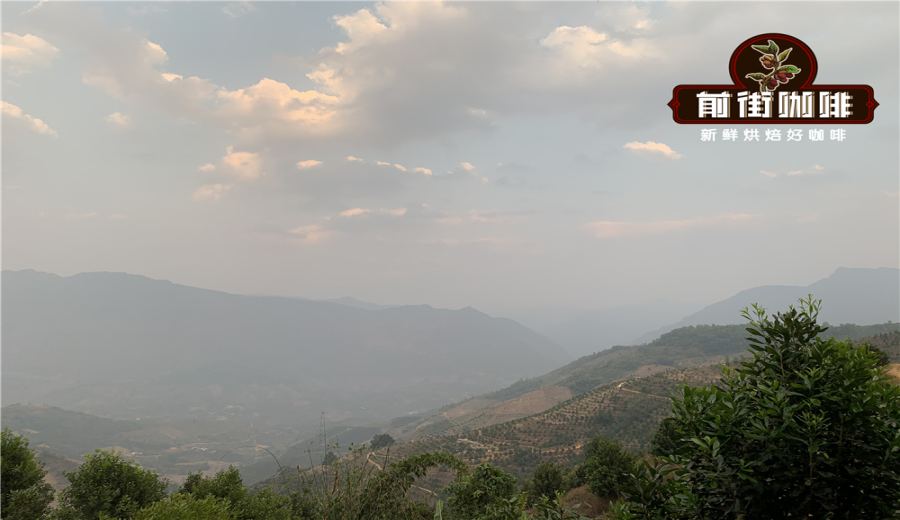
Introduction:Yunnan is a key region for specialty coffee in China, renowned for its small-bean coffee, with plantations spread across high-altitude areas such as Baoshan, Pu’er, and Lincang. This article delves into the three major varieties primarily cultivated in Yunnan—Typica, Bourbon, and Catimor—analyzing their flavor profiles and suitable processing methods, while exploring the characteristics of each producing area. Paired with practical suggestions on water temperature, grind size, and brewing techniques, it offers a comprehensive guide to discovering the charm of Yunnan coffee from bean to cup.
Located in southwestern China, Yunnan benefits from the golden latitude between 15°N and the Tropic of Cancer, along with superior geographical conditions at elevations of 1,000 to 2,000 meters, giving rise to uniquely flavored small-bean coffee. The region’s climate features significant day-night temperature variations and abundant sunlight, combined with sloping terrain and fertile soil, resulting in coffee that is rich, balanced, and slightly fruity. This article systematically introduces Yunnan’s main coffee varieties and regional overviews, sharing recommended brewing methods and flavor characteristics through real product examples to help coffee enthusiasts better understand the potential of this land’s coffee.

The Yunnan coffee commonly found in the market is often referred to as “small-bean coffee.” Currently, the dominant variety is Catimor, although small amounts of Typica and Bourbon are also grown. Many consumers are beginning to seek out specialty-grade Yunnan beans, and understanding the origin, variety, and processing method of the coffee is key to finding one that suits your taste. By understanding these three elements, you can not only select flavors you enjoy but also better appreciate the story behind each bean.
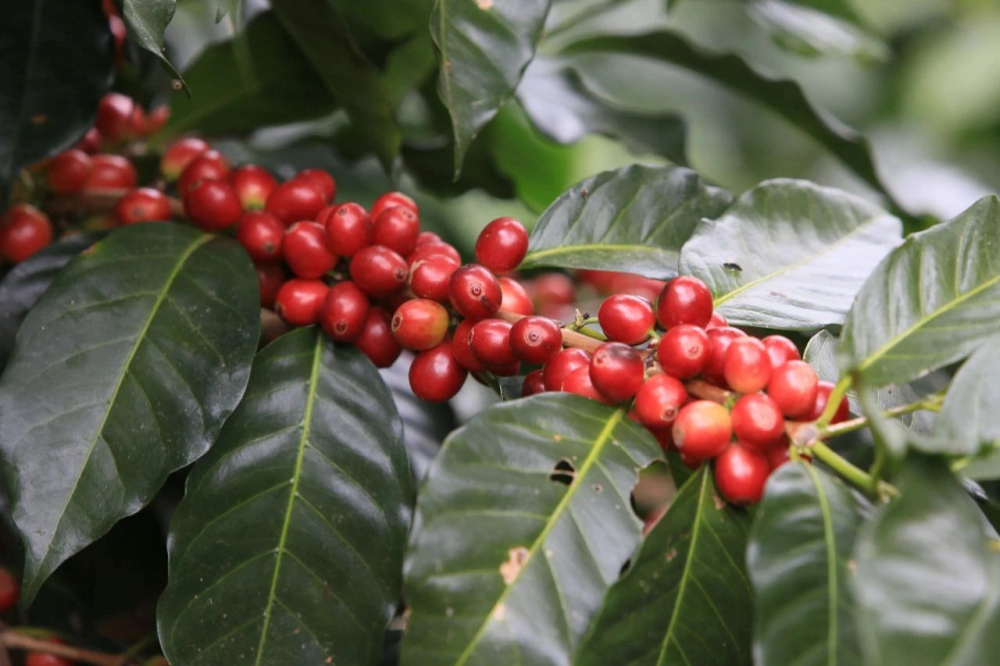
Yunnan has ideal conditions for growing Arabica coffee, which is commonly referred to as small-bean coffee due to its smaller bean size. The main varieties cultivated locally include Typica, Bourbon, and Catimor. Among them, Typica and Bourbon are traditional high-quality varieties, while Catimor was introduced from Kenya in 1991 and is characterized by strong disease resistance and high yield, making it the most widely planted coffee variety in Yunnan today. Although all three belong to the Arabica family, they each have distinct characteristics in appearance, flavor, and adaptability.
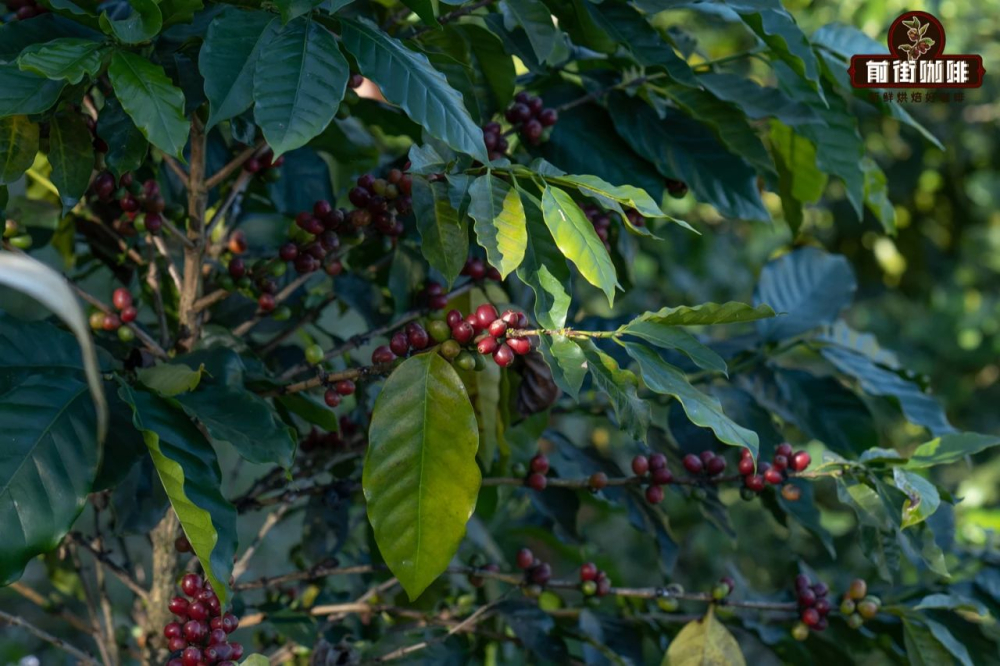
Typica is recognized as one of the most classic and premium Arabica varieties, originating from Ethiopia and Sudan and serving as the ancestor of many modern coffee varieties. Its flavor profile is delicate and layered, making it one of the representative varieties of specialty coffee. However, Typica has relatively low yields and weak resistance to diseases, particularly rust, requiring more meticulous management. Its top leaves are reddish-copper in color, hence it is also known as “red-leaf coffee,” and it thrives in high-altitude environments with moderate sunlight.
In contrast, the most widely planted variety in Yunnan today is Catimor. This variety was developed in 1959 by Portugal’s CIFC research center through the hybridization of Timor and Caturra, offering advantages such as resistance to leaf rust, suitability for dense planting, and high yield. However, because Catimor contains about 25% Robusta genes, its flavor is typically bolder, sometimes with noticeable grassy or bitter notes, and it lacks the cleanliness and fruity aroma of pure Arabica. Nevertheless, its stable yield and disease resistance make it the primary variety chosen by most Yunnan estates.
The Bourbon variety also has a long history, originating in Africa, and is considered a premium traditional variety like Typica. Its flavor is generally sweeter, with pronounced caramel and fruit notes. According to early surveys, traces of Bourbon were found in some ancient coffee forests in Yunnan, but its current cultivation area is sparse and its yield even lower than that of Typica, making it a relatively rare variety. Although seldom seen in the market, there are still enthusiasts specifically seeking out these traditional varieties in hopes of uncovering their unique flavor potential.
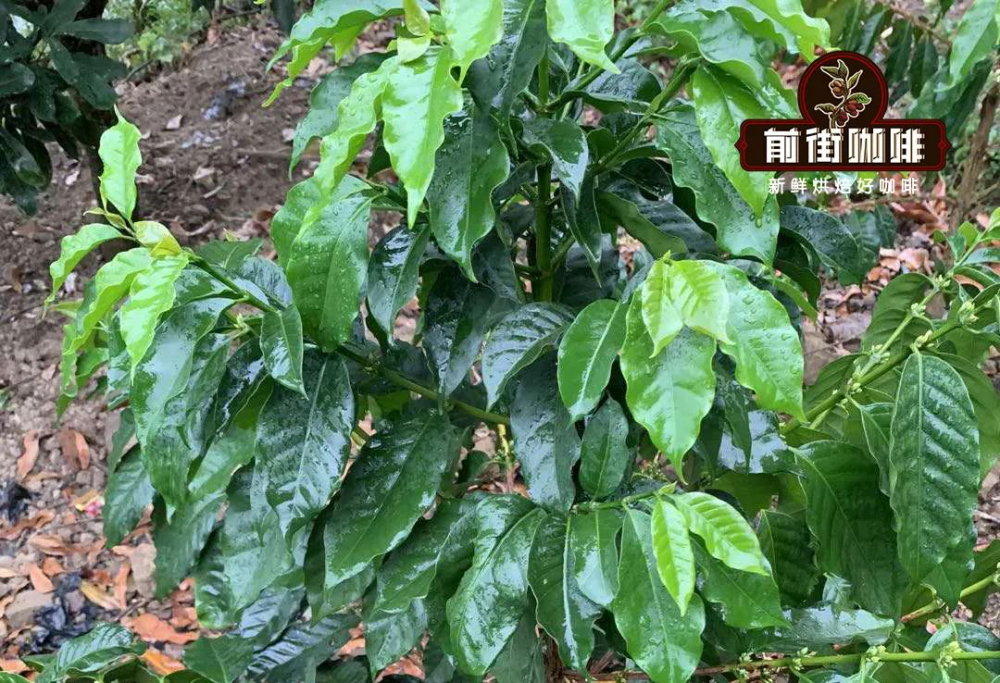
In addition to the above three main varieties, Yunnan has also introduced internationally renowned varieties such as Geisha for trial planting over the past decade. However, due to differences in climate, altitude, and management techniques, Geisha’s performance in Yunnan has not yet reached international standards and currently remains within the realm of niche exploration. That said, with advancements in cultivation techniques, we may see more specially selected varieties suited to Yunnan’s environment in the future.
Yunnan’s coffee-growing regions are mainly distributed in the southern and western parts of the province, including Pu’er, Xishuangbanna, Wenshan, Baoshan, Dehong, and Lincang. Among them, Baoshan is hailed as the “best small-bean coffee producing area,” boasting a long cultivation history and stable quality, with Catimor as the main variety, serving as an important raw material source for many specialty coffee brands. The Pu’er region plants almost entirely Catimor, and its coffee genetics are similar to world-renowned varieties such as Blue Mountain and Canephora, demonstrating excellent Arabica potential.
This region has gradually garnered attention due to its unique geographical location and climatic conditions. With an average annual temperature ranging between 16.8°C and 17.2°C, distinct wet and dry seasons, abundant sunshine, and a unique borderland environment, it has become a preferred location for certain coffee brands to establish their own estates. For example, one coffee brand has set up an exclusive estate in this region and launched a naturally processed coffee made from ancient Typica beans, showcasing the unique charm of traditional varieties.
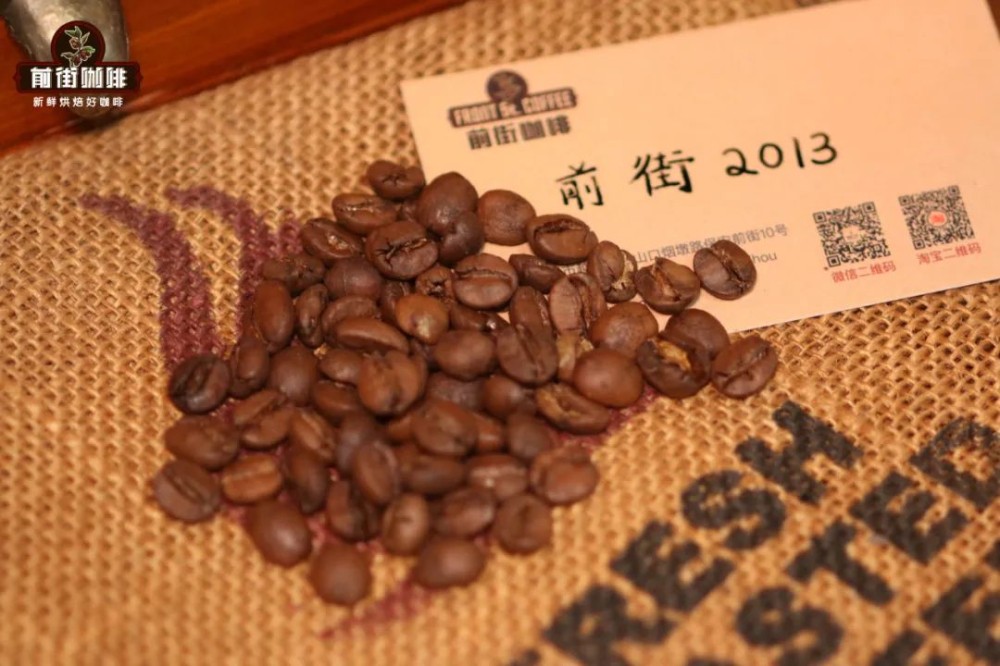
In terms of processing methods, due to Yunnan’s long rainy season and unstable climate, most coffee beans are processed using the washed method to ensure a stable fermentation process and reduce defect rates. However, some producers have also experimented with natural processing to highlight sweetness and fruity notes, especially in regions where drying conditions are suitable. Natural processing can bring out richer tropical fruit and caramel tones. For instance, a brand’s naturally processed Catimor and 2013 naturally processed Typica are representative works that showcase different flavor profiles through natural processing.
For brewing recommendations, it is advised to choose a medium roast to balance acidity, sweetness, and bitterness while highlighting chocolate and nutty notes. It is recommended to use a medium water temperature of 88°C during brewing; temperatures that are too high may result in burnt bitterness, while those that are too low may lead to under-extraction. A V60 filter cone is recommended due to its wide opening and spiral rib design, which helps enhance flavor layers and clarity. A resting period of 4 to 7 days is suggested to allow the coffee flavors to reach their optimal state. Additionally, it is advisable to opt for freshly ground and brewed coffee whenever possible to avoid oxidation of the coffee grounds, which can affect aroma and taste.
Below are the flavor profiles of three recommended Yunnan coffees:
【A certain brand’s 2013 naturally processed Typica coffee】The taste is rich and balanced in acidity and sweetness, with citrus and berry aromas, a subtle wine-like finish with caramel sweetness, and a velvety aftertaste reminiscent of cream, accompanied by the soft tea-like sensation of black tea.
【A certain brand’s washed Yunnan small-bean coffee】It showcases herbal and nutty aromas, paired with chocolate and caramel flavors, with gentle acidity and a smooth, well-balanced mouthfeel.
【A certain brand’s naturally processed Catimor coffee from Yunnan】With a base of nuts and chocolate, accompanied by spices and the tartness of plums, the overall profile is bold and layered, with a clean aftertaste and sweet caramel notes.
The above content is compiled by CoffeeHunters, a coffee news website.


