








Introduction:Cold brew coffee, with its refreshing sweet-tart flavor and delicate layers, has become a popular choice for iced coffee in summer and year-round. Compared to hot brewing methods, it extracts coffee through prolonged immersion in cold water, significantly reducing bitterness while highlighting floral and fruity aromas. This article delves into the brewing principles of cold brew, compares its extraction differences with hot coffee, and provides key parameters such as grind size, coffee-to-water ratio, and steeping time. It also recommends four high-flavor single-origin beans suitable for cold brew, helping you easily make balanced, layered cold brew coffee at home.
In recent years, cold brew coffee has gradually risen to prominence among iced coffee options. Even in cooler seasons, many consumers remain drawn to its cool, refreshing qualities. Unlike traditional hot brewing, which emphasizes rapid high-temperature extraction, cold brew slowly releases aromatic compounds from coffee through extended immersion in cold water, resulting in a distinctly different flavor profile. This article will fully introduce the background, brewing principles, and taste characteristics of cold brew, along with practical advice on selecting coffee beans, precise grind and coffee-to-water ratios, and recommended bean varieties for cold brew—helping you master this technique and enjoy a coffee experience akin to chilled fruit tea.

The concept behind cold brew coffee is to allow coffee grounds to remain in prolonged contact with cold water in a low-temperature environment, enabling the gradual release of flavor compounds. Compared to the rapid extraction of hot water, the reaction rate in a cold environment is significantly slower, thus requiring much more time to accumulate sufficient aroma and taste. Common cold drip coffee and cold steeping (also known as cold fermentation) coffee both fall under the category of cold brew brewing methods. Although their techniques differ slightly, they are often collectively referred to as cold brew coffee by general consumers.
Tracing the history of cold brew, its origins are linked to early European maritime voyages. It is said that in the 16th century, Dutch sailors, unable to brew coffee with hot water on ships, tried soaking coffee grounds in cold water. They unexpectedly discovered that this method produced a softer, smoother taste with less of the intense stimulation associated with hot brewing. This technique spread along trade routes and was gradually adopted in various regions. Ice drip coffee, meanwhile, gained popularity due to a dripping device invented in Japan, which completes extraction over 7 to 8 hours at a slow flow rate of 7 to 8 drops per 10 seconds, resulting in a uniquely clear flavor.
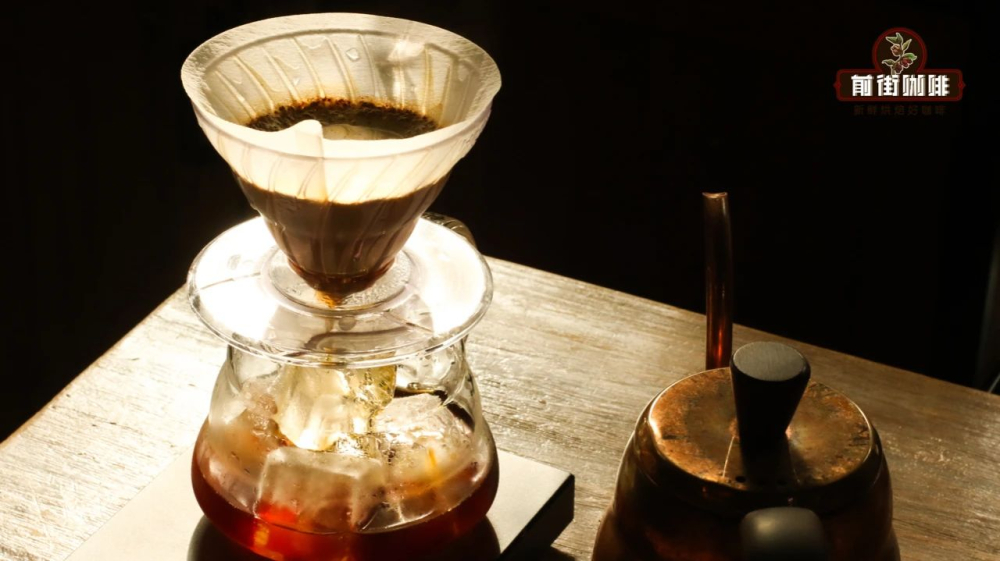
During the cold brew process, the low temperature limits the efficiency of compound release—especially the large, bitter molecules that tend to dissolve at high temperatures—resulting in an overall flavor profile that is refreshing, sweet-tart, and relatively light in body. Typically, hot brewed coffee extracts small-molecule fruit acids first, followed by compounds that bring sweetness, and finally the bitter components. Cold brew, due to the lower temperature, significantly reduces the extraction of bitter substances, making the aftertaste less pronounced while also lowering the risk of over-extraction. In practice, a 12-hour steeping time is used as the standard process, while ice drip depends on the equipment’s drip rate, typically requiring around 7 to 8 hours.
The tools needed to make cold brew are extremely simple: just fresh coffee beans, a grinder, and a sealed container are enough to get started. However, if you want to achieve the best flavor, there are still some details that shouldn’t be overlooked. First,it is recommended to use freshly roasted coffee beans within 5 days of roastingto ensure the flavor is at its peak. In terms of flavor preference, cold brew is better suited to highlighting coffee with floral-fruit notes and bright acidity, rather than the intense, bitter richness of dark roasts.
For users who enjoy fruity and sweet-tart flavors, here are four recommended single-origin coffee beans: The first is a sun-dried bean with high-sugar pulp undergoing anaerobic fermentation, which, after cold brew, exhibits vibrant berry and passion fruit notes, with an aftertaste of black tea fragrance; another stands out with distinct small tomato and dark plum aromas, offering a sweet-tart balance like fresh-squeezed juice, with a lingering finish; from Colombia, a double anaerobic sun-dried processed bean presents notes of passion fruit, grape, and dried fruit sweetness, paired with citrusy acidity and almond aftertaste; the last is a washed-process bean variety that highlights citrus and floral notes, yielding a clean sweet layer akin to pomelo tea after cold brew.
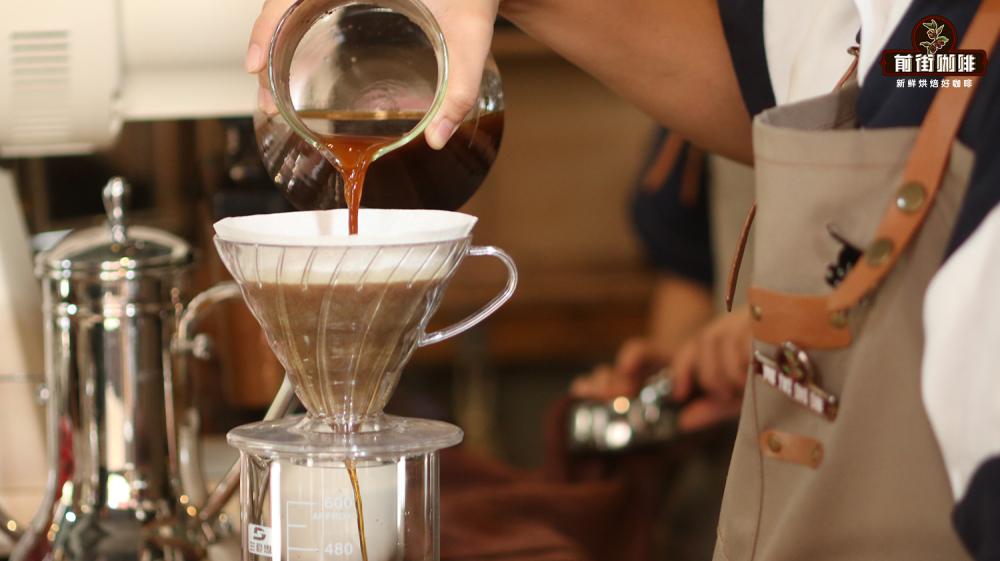
Regarding grind size, it is recommended to go slightly finer than pour over, with a reference of about 85% passing through a #20 standard sieve, to facilitate flavor release while avoiding over-extraction. For the coffee-to-water ratio,the recommended range is set between 1:10 and 1:12, adjustable according to personal taste. The finished cold brew coffee can be consumed directly or diluted with ice cubes to adjust strength. The steeping time is recommended to be controlled between 12 to 14 hours; too long may lead to increased bitterness, and if forgotten beyond 24 hours, the flavor may deteriorate noticeably. For storage, use a sealed container to prevent other refrigerator odors from affecting the original flavor of the coffee.
The above content is compiled by CoffeeHunters, a coffee news website.


