








Introduction:A memorable latte hides a delicate balance between milk and coffee beans. From fat content, sterilization methods, to roast level and blend composition, each step influences the final flavor. This article delves into how different types of milk and espresso beans shape the taste of a latte, and through practical examples, debunks common misconceptions to help you find your perfect match.
The combination of milk and coffee dates back to a creative experiment by the 17th-century Dutch governor. Inspired by British aristocrats adding milk to their tea, he was the first to apply this technique to coffee, inadvertently kickstarting the culture of milk-based coffee drinks. Today, from classic lattes to creative variations, milk coffee has become a staple on café menus, but its charm goes far beyond simply "espresso with milk."
Milk Fat Content,Sterilization Technology, and the coffee bean’sRoast Level,Blend Composition, all determine the flavor direction. Want to understand how these elements come together to craft the ideal taste? The following will take the latte as an example and guide you through its secrets.

Going back about 360 years, legend has it that the Dutch governor of Batavia (now Jakarta), Nyehof, observed British nobles adding milk to their expensive tea to soften the bitterness—and was struck with inspiration to try the same with coffee. This accidental experiment is regarded as the earliest record of combining coffee and milk, and planted the seed for what would become milk coffee culture.
This blending method quickly gained popularity after being introduced to France by the Dutch. The French preferred medium-dark to dark roasted coffee with bold intensity, and pure black coffee often carried intense burnt bitterness. They developed the 1:1 ratio French-style milk coffee, pouring coffee and milk simultaneously by hand to let them collide and merge in the cup, creating a richly layered taste.
Entering the 20th century, the invention of Italy’s semi-automatic steam espresso machine brought milk coffee into a new era. The earliest “caffe latte” (coffee with milk) had no fixed form, and gradually evolved into the familiar latte we know today. The key lies in the use of steam to froth the milk—gentle heating and stirring produce fine microfoam, which achieves a perfect balance with the espresso.
Taking a classic latte recipe as an example, one café uses 40g of espresso liquid paired with 260g of steamed milk, specifying fresh whole milk.Fresh whole milk is typically processed using pasteurization, which helps retain more natural fat and aromatic compounds, resulting in a smoother and richer taste.The recommended fat content of milk falls between 3.2% and 3.8%; too low may lead to a thin texture, while too high could overpower the subtleties of the coffee.
Making an iced latte may seem simple, but it actually involves many variables. The varying flavors of iced lattes across different cafés mostly stem from differences in milk and coffee bean selection. Most Italian-style blends use medium-dark roasts, such as classic commercial-grade recipes, which highlight bold flavors like nuts and chocolate; however, certain blends can also complement the inherent sweetness and creaminess of the milk.
Milk selection is equally crucial. There are many varieties of fresh whole milk on the market—some are rich and milky, while others taste almost like water.When choosing, avoid focusing solely on intensity, and instead look for options that complement the flavor profile of your chosen coffee beans. Overly strong milk flavors may suppress the regional characteristics of the coffee, while overly mild milk can leave the overall drink feeling hollow and bland.
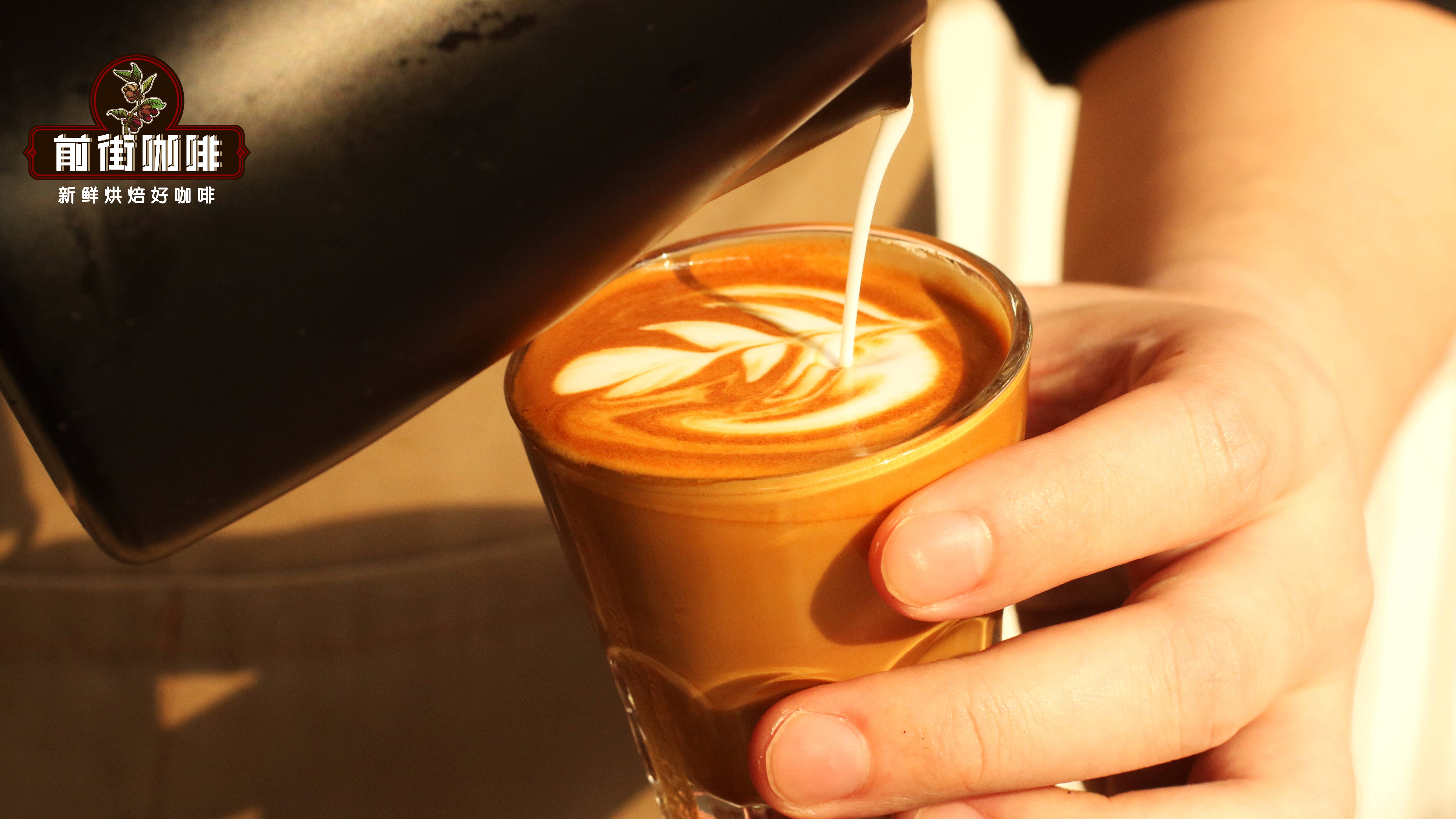
For example, one café once launched a Sunflower Sunshine Blend coffee bean, particularly highlighting notes of caramel, chocolate, and vanilla cream. When paired with whole milk, this blend creates a synergistic effect, yielding a latte with a more complex and lingering finish. This shows that every element—from coffee beans to milk—must be carefully considered to craft an unforgettable latte.
The above content is compiled by CoffeeHunters, a coffee news website.


