








Introduction:Walking into a coffee shop, faced with choices like lattes, cappuccinos, and Americanos, can often leave you hesitating. These classic espresso-based drinks actually all originate from espresso, with variations in flavor created by adjusting the proportions of milk, water, or other ingredients. This article will take an in-depth look at the recipes and distinguishing features of various common espresso drinks. Starting with the extraction principles of espresso, it will gradually break down the differences in composition among Americano, latte, cappuccino, and mocha, while providing practical ratio references and extraction parameters to help you more accurately grasp the characteristics of each coffee and your criteria for choosing them.
Stepping into a coffee shop and seeing the wide array of options on the menu — lattes, cappuccinos, mochas, Americanos — do you often find it hard to tell them apart? These popular espresso drinks are all based on espresso, with their diverse flavors simply resulting from varying the ratios of milk, water, or other additives. Understanding their compositions and proportions can give you more direction when ordering and allow you to better appreciate the uniqueness of each coffee.
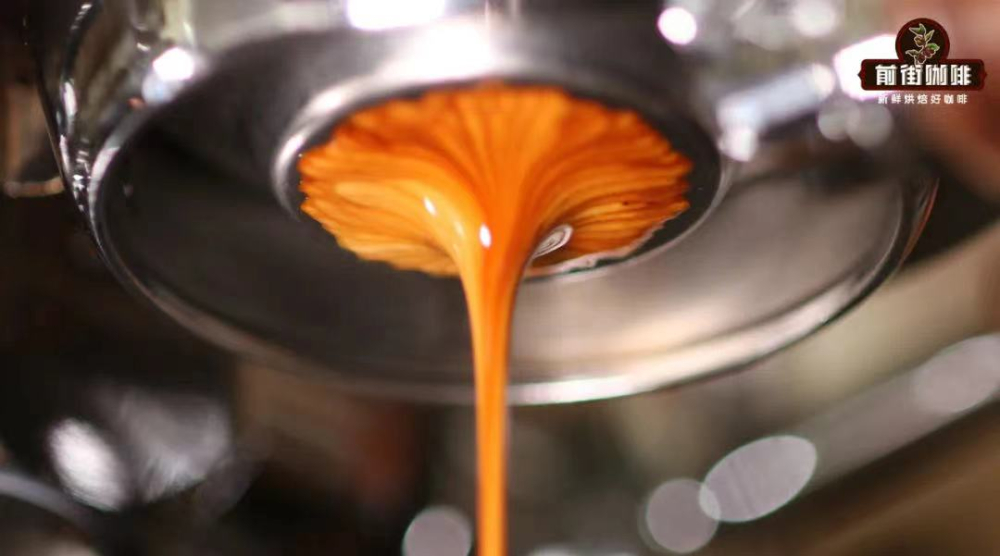
The foundation of espresso lies in its high concentration. To make a shot of espresso, you need an espresso machine with pressurized functionality. Coffee shops typically use freshly roasted espresso blends or single-origin beans, grinding them extremely fine and loading them into the portafilter basket. After evenly distributing and tamping the grounds, the portafilter is tightly inserted into the machine’s group head. When the extraction process begins, hot water at around 94°C quickly passes through the coffee puck under pressure, extracting a rich, highly concentrated coffee liquid at a 1:2 coffee-to-water ratio. This extraction method not only fully releases the aroma and flavors of the coffee but also leaves ample room for the later addition of various ingredients to shine.

Espresso extraction parameters can vary from shop to shop, but generally, a single shot (1 shot) uses 10 to 11 grams of coffee grounds to produce 20 to 25 grams of coffee liquid, taking about 22 seconds; a double shot (2 shots) uses 19 to 20 grams of coffee grounds to yield 35 to 40 grams of coffee liquid, taking about 29 seconds. This extraction ratio ensures sufficient coffee strength, so even when milk or water is added later, the clear layers and flavor profile of the coffee are still preserved.
Many people opt for Americano when trying coffee for the first time. This drink actually originated during World War II when American soldiers visiting Italy weren’t accustomed to the intense flavor of local espresso, so they diluted it with a lot of hot water. The Italians jokingly called this drink “Americano,” meaning “American,” which eventually evolved into the common preparation method we know today. There is no fixed water standard for an Americano; the strength can be adjusted to personal taste. A common practice is to use a double shot of espresso (about 40 grams of extracted liquid) as the base and add 200 milliliters of hot or mixed temperature water.
If you’re looking for a drink with a strong coffee aroma and creamy foam, a latte is a great choice. Caffe Latte in Italian literally means “coffee and milk,” where latte means milk. Interestingly, if you just order a “latte” in Italy, the server might simply give you a glass of milk. Traditionally in Italy, lattes didn’t include foam until the 1950s–1960s when foamers became widespread in the United States, gradually leading to the modern latte with foam. A standard latte usually consists of one-fifth espresso, two-fifths hot milk, and two-fifths foam. It’s recommended to use a double shot of espresso (about 40 grams), paired with 250 milliliters of smoothly steamed hot or iced milk, to achieve a distinct yet harmonious blend of coffee and milk layers.
Compared to a latte, a cappuccino has a higher proportion of espresso, with its overall structure made up of one-third espresso, one-third hot milk, and one-third thick foam. This ratio highlights the coffee flavor even more, while the milk plays a supporting role, adding smoothness and a velvety texture. Some people also sprinkle a bit of cocoa powder or cinnamon on top to enhance the aromatic layers. For preparation, it’s also recommended to use a double shot of espresso (about 40 grams) along with 180 milliliters of steamed, thick and velvety hot milk, delivering a richer and smoother drinking experience.
If you’re a fan of coffee with chocolate notes, a mocha is a great option. The term “mocha” originally comes from a port in Yemen, which was once a major exporter of coffee beans, often producing beans with rich, chocolate-like aromas. Later, Europeans sought to recreate this characteristic by adding chocolate syrup or cocoa powder to milk coffee, gradually evolving into the mocha coffee we know today. A typical mocha uses a double shot of espresso (about 40 grams) as the base, with an appropriate amount of chocolate syrup or cocoa powder, paired with 250 milliliters of smoothly steamed hot or iced milk, resulting in a flavor that is sweet but not cloying, with a perfect harmony between coffee and chocolate.
In summary, whether you prefer the pure, intense flavor of coffee or the mellow taste combined with milk and chocolate, understanding the composition and proportions of these common espresso drinks can help you confidently navigate the menu and find the cup that best suits your palate. From the foundation of espresso to the use of varying milk ratios and additional ingredients, each coffee has its own unique charm waiting for you to explore.
The above content is compiled by CoffeeHunters, a coffee news website.


