







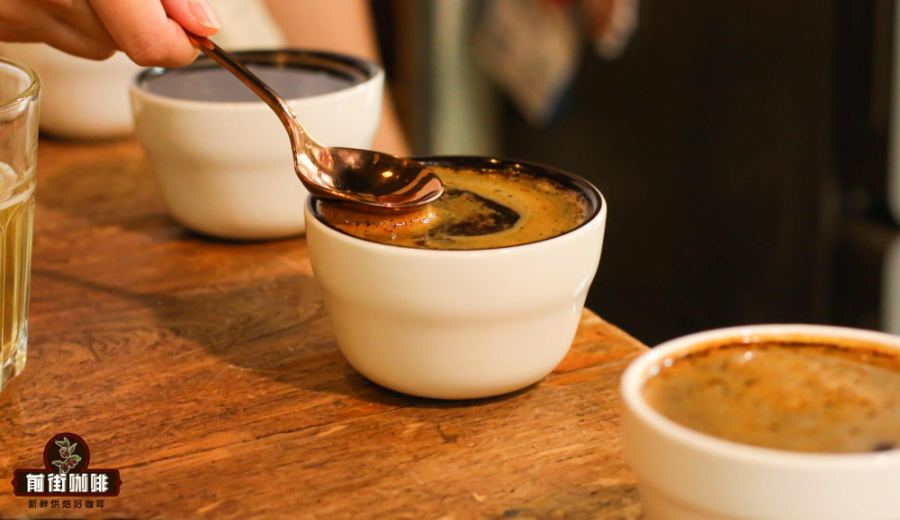
Introduction:Both Ethiopia’s Yirgacheffe and Sidama Hua Kui are popular choices among fans of medium-to-light roasts, yet each boasts a distinctive and captivating flavor profile. This article delves into the regional backgrounds and processing differences of these two classic coffee beans, and explores how sun-drying and washed processing shape their varying fruit aromas and sweet-acidic structures. It also provides practical pour over parameters and brewing adjustments to help you fully showcase Hua Kui’s juicy character and Yirgacheffe’s refreshing citrus notes at home.
As the cradle of specialty coffee, Ethiopia has nurtured numerous unforgettable coffee regions and varieties. Among them, both Yirgacheffe and Sidama’s Hua Kui are top picks for fans of medium-to-light roasts, but their flavor directions are distinctly different—one presents a bright, lively citrus note, while the other showcases a sweet, rich fruity aroma and juiciness. Understanding the regional characteristics, processing methods, and brewing essentials of these two coffee beans will help you more accurately appreciate their unique personalities.
Overview of the Sidama Region and the Sun-Dried Charm of Hua Kui
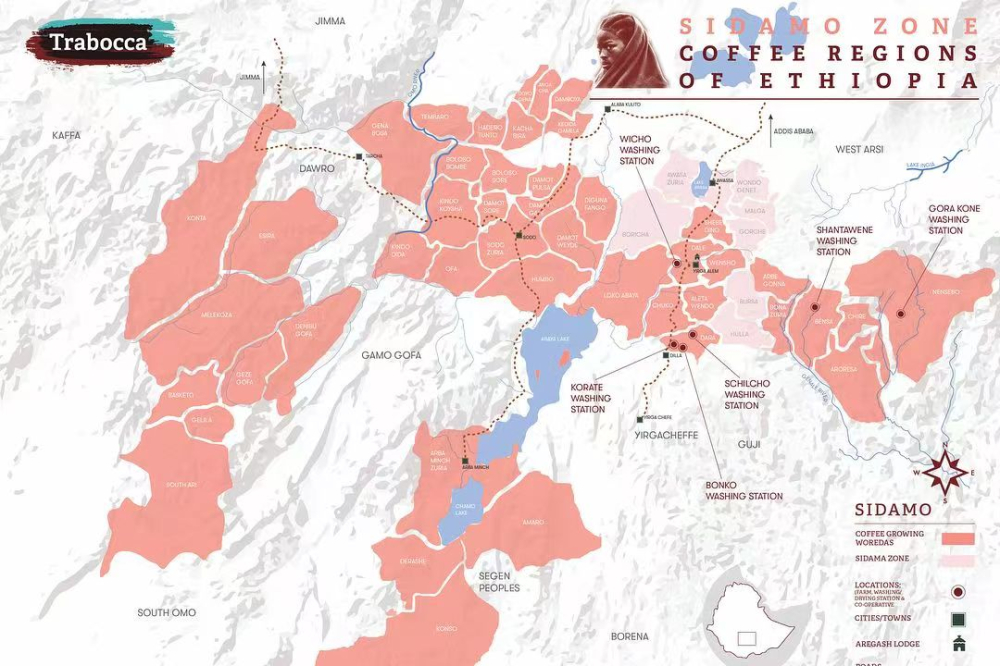
Located in southern Ethiopia, Sidama is one of the country’s most representative coffee-growing regions. The area features diverse terrain, with altitudes ranging between 1400–2000 meters, and is influenced by the climate of the East African Rift Valley, resulting in varied microclimates that contribute to a rich spectrum of coffee flavors. In recent years, Sidama has not only been an important coffee-producing area but has also gradually become an export hub—especially known for its sun-dried coffee beans, which excel at highlighting intense floral-fruit aromas and rich juice-like body.
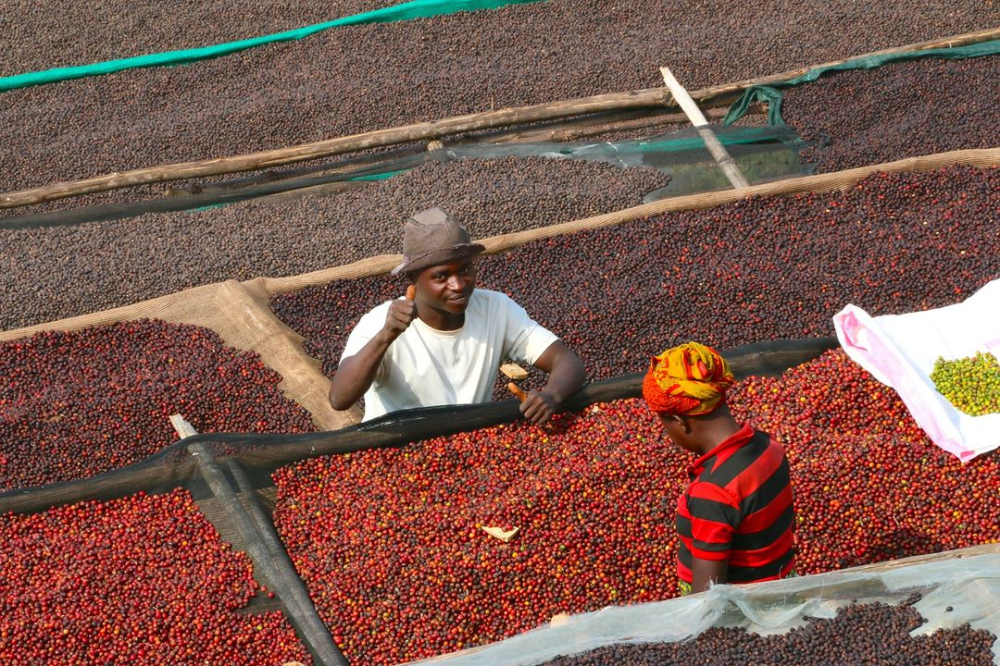
The so-called sun-dried process (Dry Process / Natural) involves directly exposing the whole coffee cherry, including its husk, to sunlight. Over a drying period of more than three weeks, the sugars from the pulp and mucilage gradually seep into the coffee bean. This method not only extends the drying time but also promotes mild fermentation, giving the coffee a rounder mouthfeel and a rich, layered sweetness.
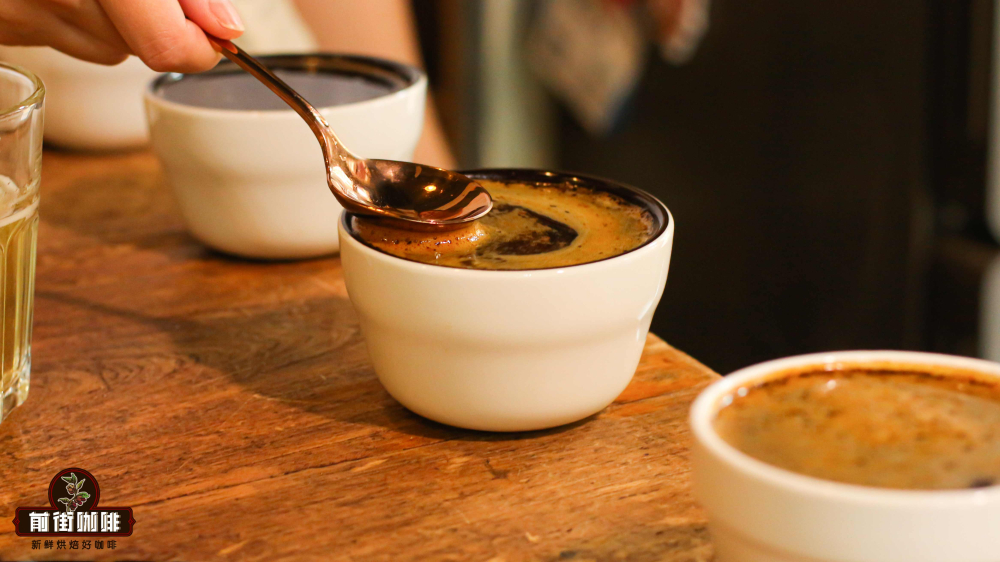
Hua Kui coffee beans are a sun-dried masterpiece from the Buku Processing Station in the Guji zone’s Hambela area of Sidama. It’s important to note that only sun-dried coffee produced at specific processing stations in the region can bear the name “Hua Kui.” Since winning an award in 2017, the Hua Kui series has been named annually with a version number based on climatic and processing variations—for example, “Hua Kui 5.0” in 2021, with the latest batch as of 2024 being “Hua Kui 8.0.”
A certain coffee brand’s Sidama · Hua Kui 8.0, sourced from highlands at 2250–2350 meters above sea level, is made from local native varieties using traditional sun-dried processing. Its flavor profile includes intense floral notes, jackfruit, dried fruits, apricot, and a distinct juicy sensation, with a tea-like smooth aftertaste. The dry aroma is layered with guava, jackfruit, apricot, and citrus notes, while brewing releases sweet sensations akin to honey, berries, and chocolate.
When sipping, one can taste an interplay of sweet-and-sour notes from dried mango, jackfruit, orange, and passion fruit, with a round and full mouthfeel. As the temperature drops, the refreshing acidity of peach and berries gradually emerges, leaving a long-lasting, well-layered aftertaste—making it an excellent choice for experiencing the charm of sun-dried coffee.
Yirgacheffe Region and the Refreshing Style of Washed Processing
Yirgacheffe was originally a sub-region under Sidama, but due to its unique coffee flavors and high recognizability, it eventually became an independent and one of Ethiopia’s most representative specialty coffee regions. This area has higher altitudes, mostly within the Gedeo zone, featuring a cool and humid climate along with abundant water resources, which have allowed washed processing to thrive and shaped Yirgacheffe coffee beans’ classic traits of brightness, clarity, and a clean, delicate profile.
The washed process (Washed Process) involves first removing unripe cherries via floatation after harvest, then using machines to remove the skin and pulp. The beans are then placed in water tanks for fermentation to break down the mucilage layer, followed by rinsing with clean water and sun-drying. This meticulous series of steps not only effectively reduces defect rates but also ensures more consistent flavors in the beans—with brighter acidity and elegant floral and citrus notes.
Washed Yirgacheffe coffee beans typically feature citrus acidity such as lemon, orange, mandarin, and grapefruit, blended with white floral and nutty tones. The aftertaste is refreshing like green tea, with an overall clean yet vibrant profile—perfect for drinkers who enjoy bright acidity and refined flavors.
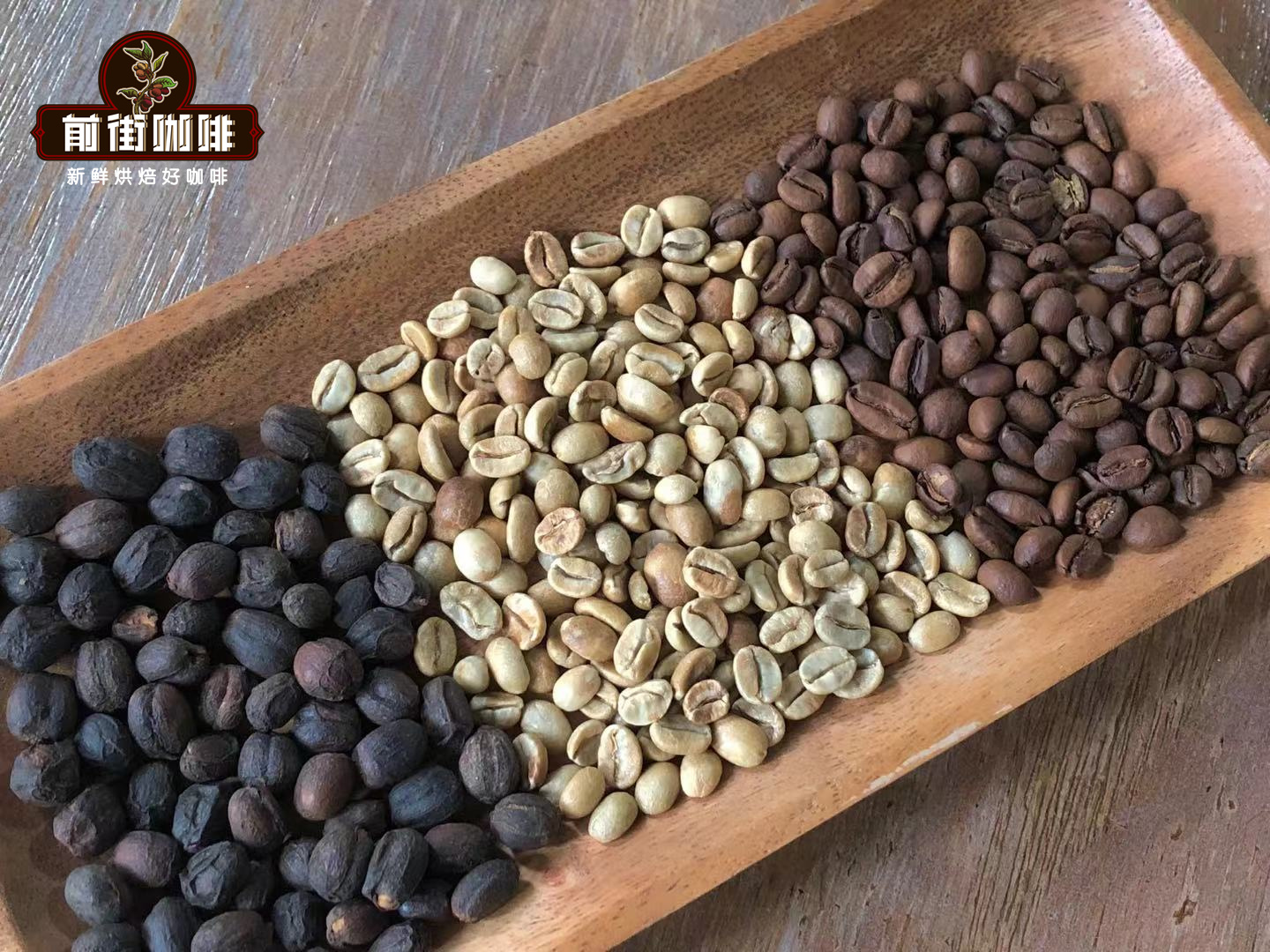
A certain coffee brand’s Yirgacheffe Gu Ding Ding washed batch is a classic representation of this region. These beans also come from high-altitude areas and are washed processed, offering clear flavors of lemon, orange, white flowers, and nuts, with a mild green-tea-like aftertaste. They’re suitable for various brewing methods, including pour over, cold brew, and French press.
Brewing Parameter and Technique Adjustment Suggestions
Whether it’s Hua Kui or Yirgacheffe, this coffee brand uses a medium-to-light roast during roasting to preserve rich acidity and aroma. However, due to the differences in processing methods, the acidity and fruity aroma profiles of the two coffees also vary—so it’s recommended to fine-tune water temperature and pouring techniques when brewing to fully bring out their individual characteristics.
The general recommendation is to usea 1:15 coffee-to-water ratio, and employa medium-fine grind size (with about 78% passing through a Chinese standard No. 20 sieve). A grind that’s too coarse may lead to under-extraction and a thin flavor, while one that’s too fine can easily over-extract at high temperatures, resulting in bitterness. Additionally, using freshly roasted coffee beans (ideally within 5 days post-roast, with a resting period of about 4–7 days) is key to optimal flavor expression.
For the washed Yirgacheffe (such as Gu Ding Ding), if you wish to highlight its bright acidity and tea-like aftertaste, you may choose90℃-91℃a lower water temperature; if you prefer a fuller acidity and richer mouthfeel, you can increase it to92℃-93℃. It is recommended to use a three-stage pouring method, which helps release the delicate flavors of white flowers, citrus, and green tea at different stages.
As for the sun-dried Sidama Hua Kui 8.0, it’s recommended to use91℃-92℃water temperature to enhance its sweetness and juice-like qualities. Given Hua Kui’s full-bodied mouthfeel and richly layered flavors, it’s advisable to use a center-pouring technique to maintain stable water temperature and contact with the coffee bed, thereby fully extracting its acidic and sweet compounds.
In practical terms, you can adopt a three-stage pouring method: first, perform a 30-second bloom with twice the coffee’s weight in water; then pour slowly in small circles from the inside out until reaching 125 grams for the first pour. When the coffee bed drops to about half the filter, pour again with the same fine stream up to 225 grams. Keep the total brew time around 2 minutes (with a ±10 second allowance). This approach will fully present Hua Kui’s captivating combination of honey, creamed strawberry, berry, and dried fruit flavors.
The above content is compiled by CoffeeHunters, a coffee news website.


