







Introduction:Kenyan coffee is renowned worldwide, but many coffee enthusiasts remain puzzled by common grades such as AA and PB. This article delves into the complete grading system of Kenyan coffee, exploring the definitions, selection criteria, and practical differences across grades from E to T. Through a comparative cupping and brewing analysis of PB peaberry and AA-grade beans from Ichamama Factory in the Nyeri region, it helps readers understand their distinctions in flavor profiles, processing traits, and ideal brewing methods—enhancing both bean selection and extraction quality.
Kenyan coffee holds a prominent place in the global specialty coffee market due to its bright acidity and complex fruity notes. However, many consumers often encounter labels such as AA and PB without being certain of their actual meanings or differences. Starting with Kenya’s official grading system, this article details the selection criteria and characteristics of grades including E (Elephant Bean), PB (Peaberry), AA, AB, C, TT, T, and MH/ML, guiding you through the entire logic of Kenyan coffee grading—from green bean classification to cupping flavors.
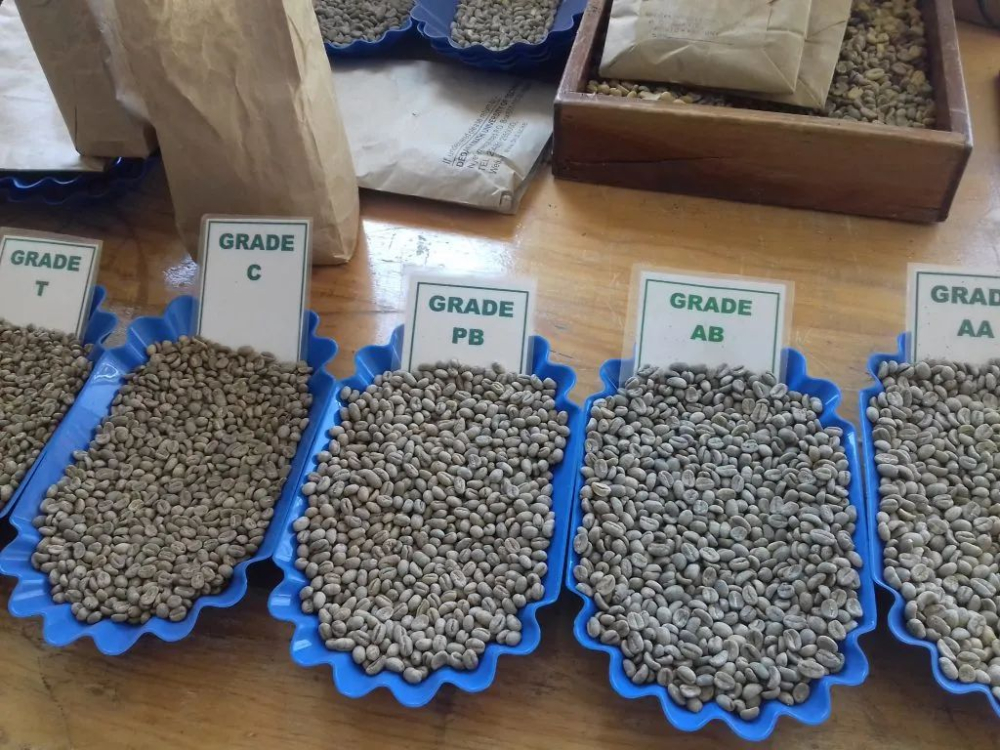
First, the grading of Kenyan coffee is primarily based on the size and density of the green beans, aiming to ensure even heat distribution during roasting and to enhance consistency in final flavor expression. Among these,Grade E is also known as Elephant Bean, and is the largest in size;PB refers to Peaberry—normally a coffee cherry contains two half-beans, but PB forms a single round bean, occurring in only about 5% of cases and believed to potentially have more concentrated flavors.
AndGrade AA is the highest-rated grade in Kenyan coffee, representing a screen size of 18 (approximately 6.8mm or larger), usually grown at altitudes above 1700 meters, characterized by pronounced acidity and rich berry notes.Grade AB is 16 mesh (approximately 6.2mm), a blend of Grade A (6.8mm mesh) and Grade B (6.2mm mesh), and is a commonly seen mid-to-high-grade bean in the market. Grade C is slightly smaller at around 15 mesh, while TT consists of low-density beans sorted from Grades AA, AB, and E via air classification; Grade T includes small-sized beans with obvious defects, and MH/ML refers to underripe coffee beans.
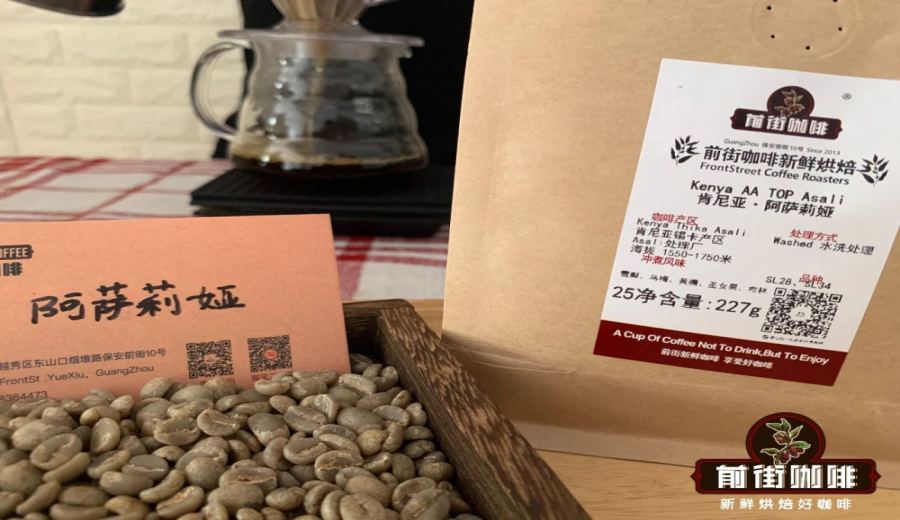
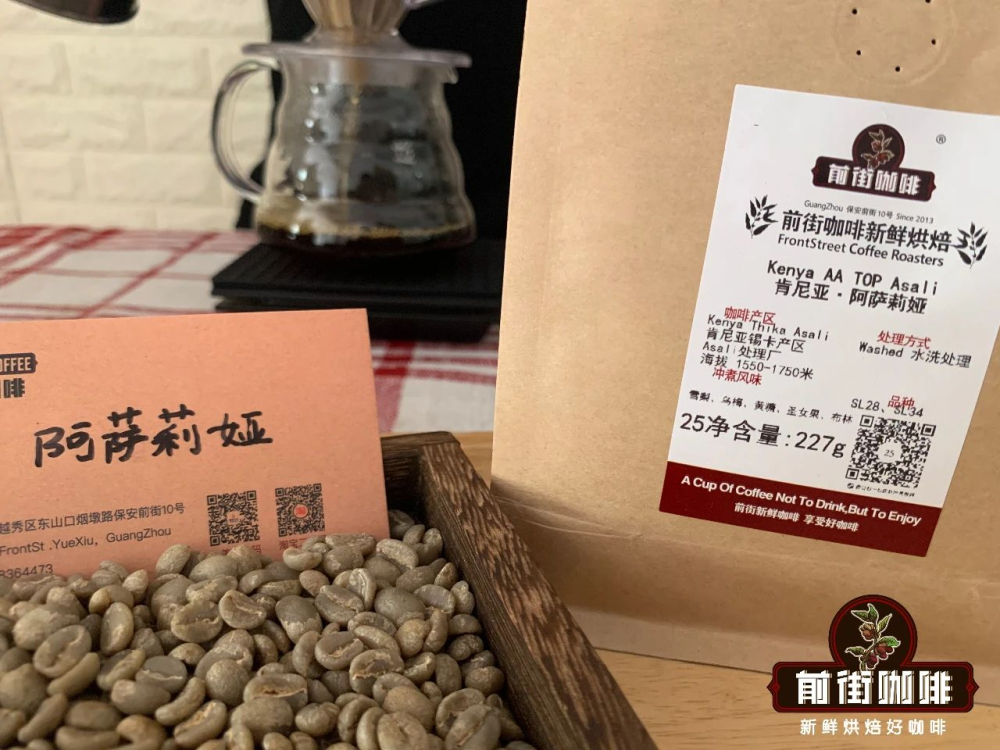
To clearly illustrate the actual differences between PB peaberry and AA-grade beans, we take as an example a pearl peaberry produced by Ichamama Factory in Karima Village, Nyeri Region, Kenya, analyzing in depth its full journey from origin background, processing method, roasting, to cupping flavors. These beans are grown at an altitude between 1700–1750 meters, with the classic Kenyan SL28 and SL34 varieties, processed using the washed method, and dried on African raised beds, resulting in an overall flavor profile dominated by berries and rich sweetness.
This PB peaberry comes from the Othaya Farmers’ Cooperative Society, established in 1956 and comprising 19 processing factories, including the well-known Ichamama Factory. It is one of the important coffee-growing regions in Kenya’s central highlands. The area experiences cool nights, slowing the ripening of coffee cherries, and the combined influence of volcanic soil and high altitude contributes to its unique fruity acidity and sweet aroma. The cooperative has also obtained Fair Trade certification, committed to improving smallholder farmers' income and coffee quality.
In terms of roasting strategy, due to the higher moisture content and greater bean density of this PB peaberry, special attention was given to ensuring uniform heat transfer. We conducted four different roasting curve tests, including FSSF (fast-in slow-out), enhancing Maillard reaction by increasing heat at the yellowing point, boosting caramelization by adding heat at the browning point, and gradually increasing heat with the SSFF (slow-in fast-out) method. Through cupping comparisons, it was found that extending the drying phase and moderately increasing heat at the browning point and just before first crack effectively enhanced berry flavor expression, while also making the mouthfeel smoother and reducing astringency.
Cupping results showed that this PB peaberry carries a wine-like acidic base note, with aromatic red berries, apple acidity, and a sweet sugarcane flavor accompanied by a mild cocoa finish. The overall flavor is layered and rich yet relatively soft, differing from the bright, vibrant acidity typical of Kenyan AA.
For further comparison, we also brewed a Kenyan Dimani Girl’s AA-grade coffee bean from Ndima-ini Factory in Nyeri, grown at 1700–1900 meters, also using the SL28 and SL34 varieties, processed with the K72 washed method, with an actual fermentation time of 80 hours, resulting in more pronounced acidity. Recommended brewing parameters are: V60 filter, water temperature 90°C, 15g coffee, 1:15 coffee-to-water ratio, 20-mesh grind size with 77% extraction, using 30g water for a 30-second bloom, then pouring in stages to 125g and 225g, with a total extraction time of about 2 minutes.
This AA-grade coffee displays distinct dark berry flavors, with bright and sweet acidity upon entry, transitioning into grape and plum-like acidity as it cools, offering a delicate layering and long aftertaste. In contrast, the PB peaberry has a more restrained acidity and a rounder, sweeter flavor profile, making it suitable for those who prefer lower acidity and fuller body.
In summary, the Kenyan coffee grading system not only influences bean size and appearance, but is also closely related to final flavor performance. AA-grade is distinguished by its bright acidity and clear fruit characteristics, ideal for coffee lovers seeking complexity and vibrant taste; whereas PB peaberry, due to its density and concentrated flavor, often presents a softer, rounder profile of berries and sweetness, suiting those who prefer milder acidity and fuller-bodied extractions. Understanding these differences can help you choose the Kenyan coffee bean that best matches your personal taste preferences.
The above content is compiled by CoffeeHunters, a coffee news website.


