







Introduction:To brew a cup of single-origin black coffee with clear flavors and distinct layers at home, in addition to selecting the right coffee beans, factors such as equipment pairing, grind size, water temperature control, and pouring technique all play key roles. This article provides a detailed breakdown of the fundamental principles of pour over coffee, introduces the functions and selection tips for commonly used tools, and walks through the operational process using a practical example with 15 grams of coffee grounds, a 1:15 coffee-to-water ratio, and a three-stage pouring method—helping you master the essentials of stable extraction.
Brewing a clean and layered cup of single-origin black coffee at home not only requires choosing the right coffee beans but also pays close attention to equipment pairing, grind size, water temperature, and pouring method. These variables directly influence the final extraction performance and flavor presentation of the coffee. Starting from basic concepts, this article guides you through the diverse cultural terminologies and differences in pour over coffee, and deeply analyzes the purpose and impact of each tool—such as an electronic scale, pour over kettle, filter cone, filter paper, thermometer, and grinder. It then demonstrates the full operational process using 15 grams of coffee grounds with a 1:15 coffee-to-water ratio via a three-stage pouring method. The article also uses an actual coffee bean as an example to illustrate specific parameter settings such as the KONO filter cone, 88°C water temperature, and 75% passing rate on a #20 sieve, helping you better understand how each variable shapes different flavor profiles.
Pour over coffee has now become part of the daily routine for many coffee enthusiasts. Whether enjoyed in a café or brewed at home, it’s easy to make a pure cup of black coffee. But to truly brew a satisfying cup of pour over coffee, one still needs a basic understanding of the core extraction principles. The following will introduce relevant knowledge and techniques in an easy-to-understand way, helping you go from beginner to mastering consistent results.
So-called pour over coffee is a brewing method that manually pours water through filtering media such as a filter cone and filter paper to steep and gradually extract flavors from coffee grounds. The highlight of this brewing method is that the entire extraction process can be clearly observed, and various parameters can be adjusted according to personal taste preferences to achieve the desired flavor profile. It’s worth noting that although it is commonly referred to as “pour over coffee” in Chinese, in English it goes by different names, including pour over coffee, hand drip coffee, and filter coffee. These terms reflect the differences in brewing culture and emphasis across regions.
For example, the term hand drip coffee is more commonly used in Japan and Korea, emphasizing the action of “dripping (drip),” and is closely associated with the delicate pouring techniques popular in Japan. Pour over, on the other hand, is mostly used in Europe and America, focusing on the flow state of water as it passes through the coffee grounds. As for filter coffee, in some regions like Melbourne, it may generally refer to coffee made by drip filter machines, rather than specifically manual pour over. Understanding the differences behind these terms can help you more accurately grasp the characteristics and cultural backgrounds of various brewing styles.
Preparing the right tools is the first step to brewing a delicious cup of pour over coffee. Based on practical experience, the following tools are essential: an electronic scale, pour over kettle, filter cone, filter paper, server, thermometer, and grinder—and, of course, selecting the right coffee beans is paramount. Among them, the primary functions of the filter cone and filter paper are to filter out coffee grounds and to absorb some of the coffee oils, resulting in a cleaner mouthfeel. Taking commonly used V60 and KONO filter cones as examples, they each have unique designs and suitable scenarios.
The V60 filter cone, due to its faster flow rate, carries a risk of under-extraction if used with lower water temperatures. In contrast, the KONO filter cone, with fewer ribs concentrated at the bottom, allows the filter paper to adhere tightly to the walls, effectively restricting airflow and extending the contact time between coffee grounds and water—thus enhancing body and extraction efficiency. Therefore, when selecting a filter cone, it should be paired according to the roast level of the beans and the desired flavor direction. For example, light roast beans can use a design with a slightly faster flow rate, while dark roast beans are better suited to a filter cone that extends extraction time.
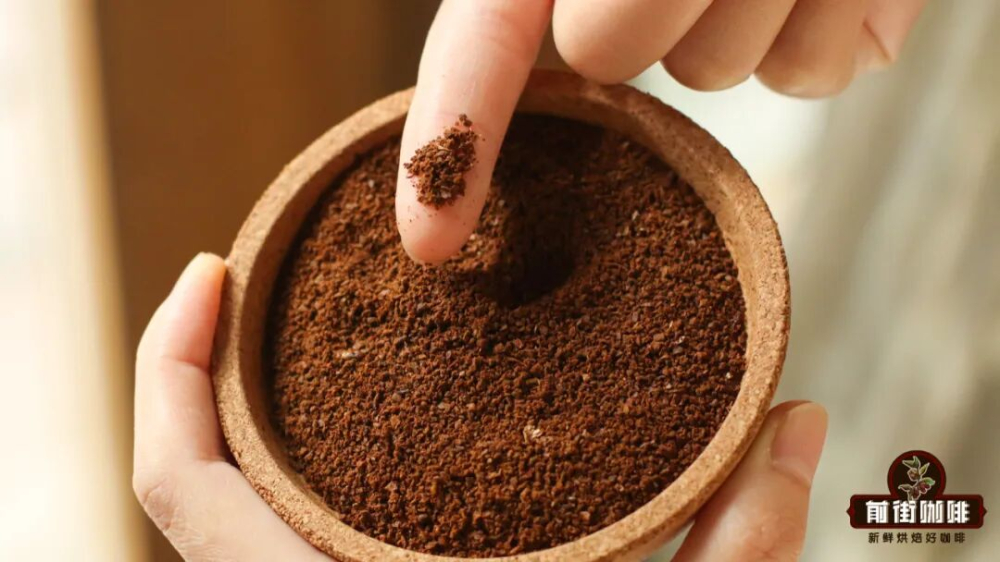
In addition, the electronic scale is not only used to precisely measure the weight of coffee grounds and water, but also helps track brewing time—an important tool for ensuring consistent results each time. The thermometer is used to confirm whether the water temperature is within the ideal range before pouring. The grinder is also one of the keys: the grind size of coffee grounds directly affects extraction efficiency and flavor expression. Too coarse a grind may result in overly light flavors, while too fine a grind can easily bring out excessive bitterness and astringency. Generally, it is recommended to use a medium-fine grind for pour over coffee. Specifically, for light roast beans, a 0.85mm sieve with about 80% passing rate is suitable, while for dark roast beans, a range of 70% to 75% is advised.
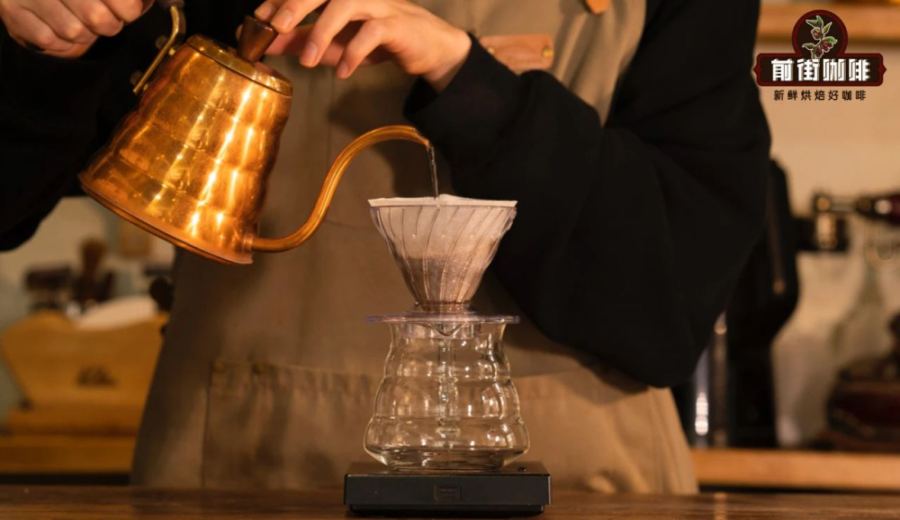
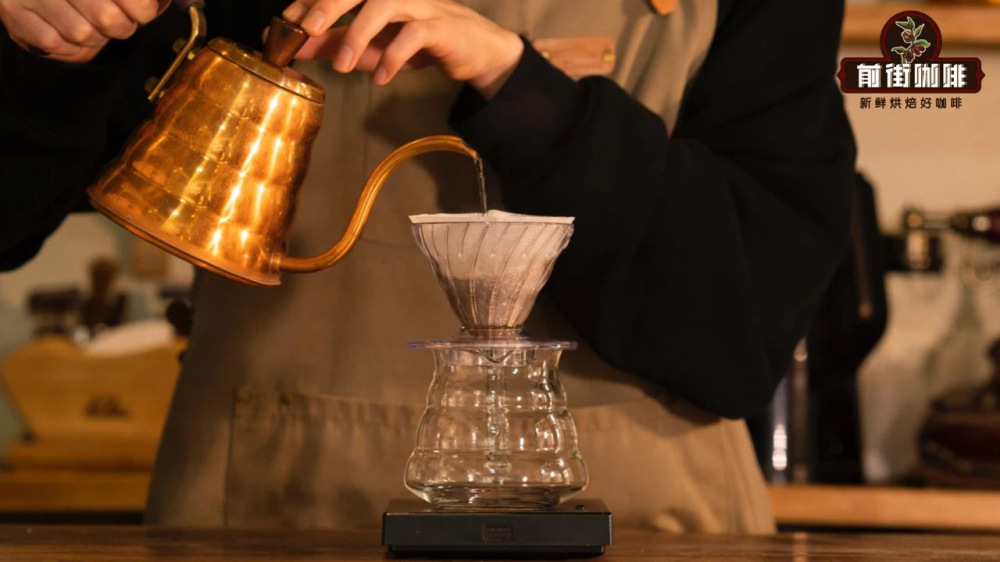
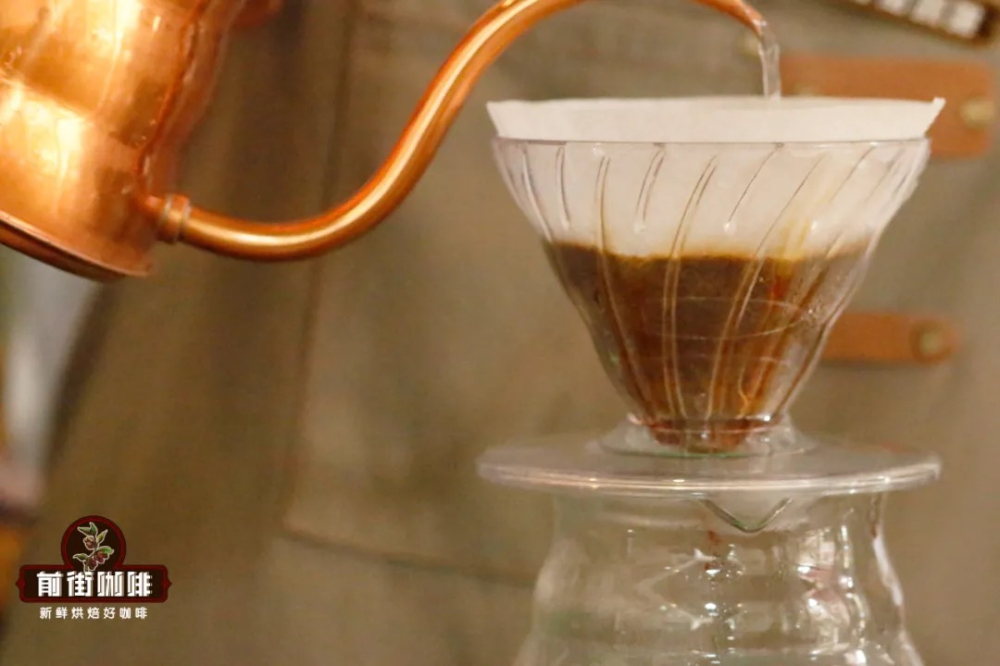
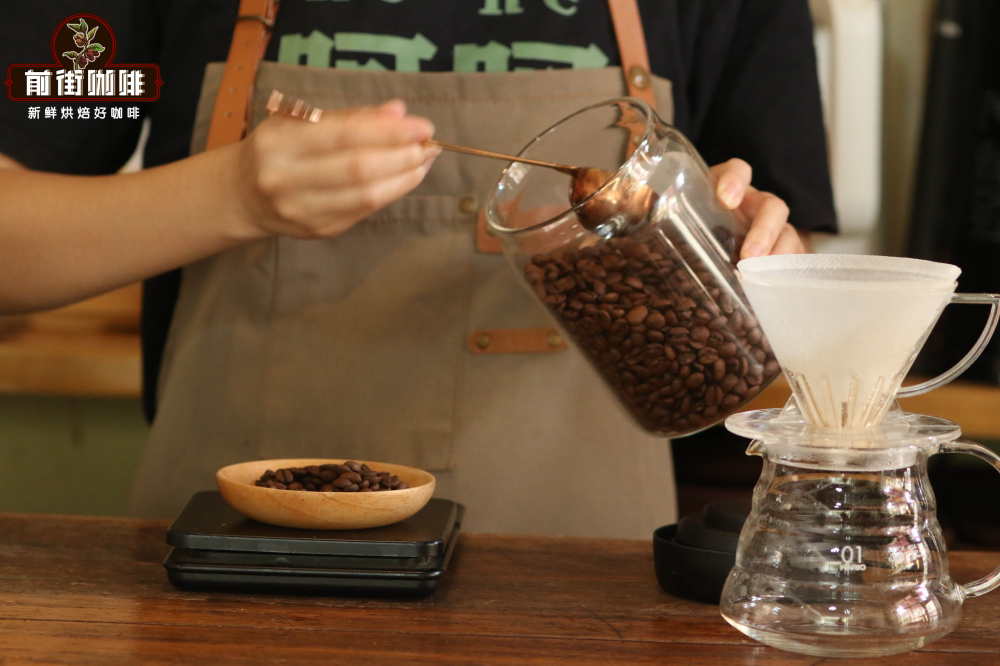
In practice, it is recommended to use 15 grams of coffee grounds with a 1:15 coffee-to-water ratio, meaning 225 grams of hot water. First, pre-wet the filter paper with hot water to ensure the filter cone and filter paper adhere tightly, while also preheating the equipment and raising the initial temperature of the coffee liquid. Next, place the coffee grounds into the filter cone. Once the water temperature reaches the target range, you can begin pouring. It is generally recommended to use a three-stage pouring method: the first stage involves pouring 30 grams of water for the bloom, lasting about 30 seconds. This step helps release carbon dioxide from the coffee grounds and prepares for subsequent extraction. The second stage is pouring up to 125 grams, and when the coffee liquid level drops to about half, proceed to the third stage, pouring up to 225 grams. The total extraction time is ideally controlled to around 2 minutes.
Taking a sun-dried Typica from Lincang, Yunnan, China as an example—grown at an altitude of about 1300 meters, of the Typica variety, processed via sun-drying—it exhibits nutty tones and brown sugar aromas, with relatively soft acidity and prominent sweetness. This bean is recommended to use the KONO filter cone, with a water temperature set to 88°C, and a grind size of 75% passing rate on a #20 sieve is ideal. In practice, first pour 30 grams of water for the 30-second bloom, then pour with a small stream in circles up to 124 grams. After the water level drops, continue pouring up to 227 grams, with a total extraction time of about 2 minutes. Such parameter settings can fully showcase its balanced flavor profile of berry-like acidity, brown sugar sweetness, and a hint of tea-like notes.
In summary, the charm of pour over coffee lies in the ability to fine-tune each variable based on personal preference—from equipment and parameters to technique—gradually exploring the brewing style that suits you best. By understanding how each variable influences flavor, you too can consistently brew at home a single-origin black coffee with layers and your own personal touch.
The above content is compiled by CoffeeHunters, a coffee news website.


