







Introduction:Yirgacheffe is Ethiopia’s most iconic high-altitude specialty coffee region, renowned for its distinctive floral and citrus notes. This article delves into its geographical environment, grading system, and provides a detailed analysis of the processing techniques and flavor profiles of washed and natural methods. Through a practical comparison of pour over parameters, it guides you to discern the nuanced differences between Kochere washed and Red Cherry natural beans, along with a cold brew recipe—perfect for coffee enthusiasts eager to explore Yirgacheffe in depth.
When it comes to specialty coffee, Ethiopia has always held a prominent place—not only as the birthplace of coffee but also as home to the world’s oldest coffee culture. Among its many regions, Yirgacheffe stands out with its delicate floral aroma, bright lemon acidity, and tea-like body, making it a dream origin for many coffee lovers. This small town on the eastern edge of the East African Rift Valley is now regarded as a symbol of Ethiopia’s specialty coffee.
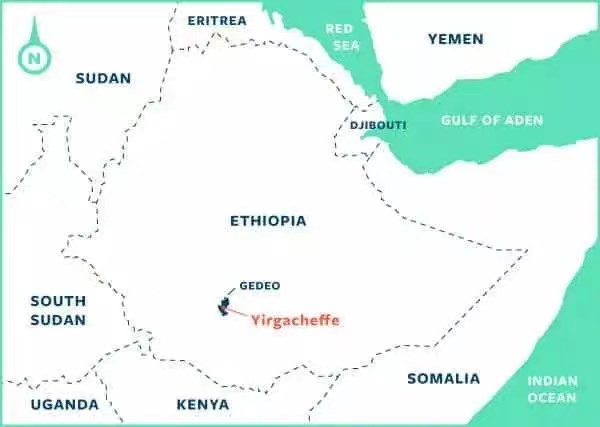
Originally just a small town within the Sidamo region, Yirgacheffe was gradually designated as a separate coffee-growing area due to its uniquely identifiable flavor profile. In addition to the core Yirgacheffe zone, neighboring areas like Wenago, Kochere, and Gelena Abaya are often included under the same regional umbrella due to their similar altitudes and processing styles. The region’s elevation generally ranges from 1,700 to 2,100 meters, making it one of the highest-altitude coffee-growing areas in the world and contributing to its vibrant acidity and complex aromatic expression.
Coffee in Yirgacheffe is mostly grown by smallholders in their backyard plots, often intercropped with other plants, with each household producing modest yields—a classic example of highland garden-style cultivation. This environment results in slowly ripening coffee cherries, and with the mountain morning mist and stable climate, the final coffee often boasts unique citrus, floral, and honey-like sweetness, leaving a lasting impression.
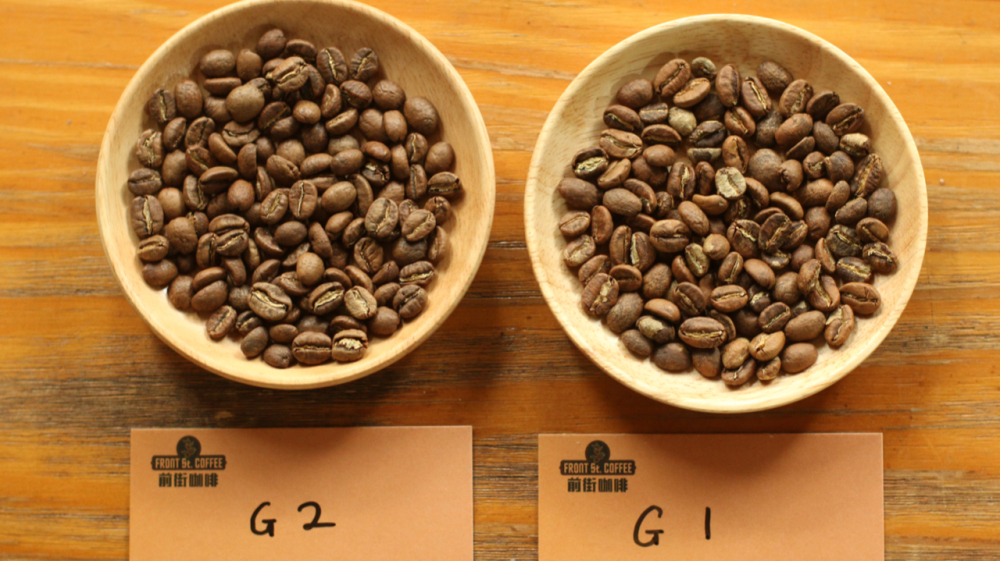
In terms of coffee grading, Yirgacheffe is divided into two main categories based on processing method: washed (Washed) and natural (Natural). Washed beans are classified under SCAA (Specialty Coffee Association of America) standards as Grade 1 and Grade 2, with Grade 1 having an extremely low defect rate (no more than 3 defects per 300 grams), typically showcasing clearer fruity and floral notes. Natural beans, on the other hand, are graded as Grade 1, Grade 3, Grade 4, and Grade 5, with the highest-grade G1 naturals often exhibiting intense tropical fruit and berry aromas.

Traditionally, Yirgacheffe predominantly used the natural processing method, but due to early technical limitations, natural beans were prone to absorbing off-flavors, resulting in inconsistent quality. It wasn’t until 1972, when Ethiopia introduced washed processing techniques from Central and South America, that the cleanliness and flavor profile of its coffee were significantly elevated—making Yirgacheffe washed beans world-renowned for their crisp floral and citrus characteristics ever since.
The key to washed processing lies in removing the mucilage layer through fermentation and washing, with precise control over fermentation time and water quality to preserve the coffee’s fundamental flavor traits. Although water-intensive, this method produces coffee with bright acidity, clean taste, and layered complexity, serving as an important benchmark for evaluating regional flavor profiles. In contrast, natural processing retains the entire coffee cherry, allowing natural sugars to slowly transform under sunlight and imparting a richer sweetness and complex fruitiness to the coffee.
The typical washed processing flow for Yirgacheffe is as follows: unripe cherries are first removed via floatation, then the skin and pulp are mechanically stripped, leaving mucilage-covered beans. These beans then enter fermentation tanks where microbial action breaks down the mucilage over approximately 18 to 36 hours. Afterward, they are rinsed multiple times with clean water to remove residual mucilage, then evenly spread on African beds or concrete surfaces to sun-dry until moisture content is reduced to 11%–12%. Once dried, the beans are stored to stabilize before hulling and grading, and are eventually exported to global markets.
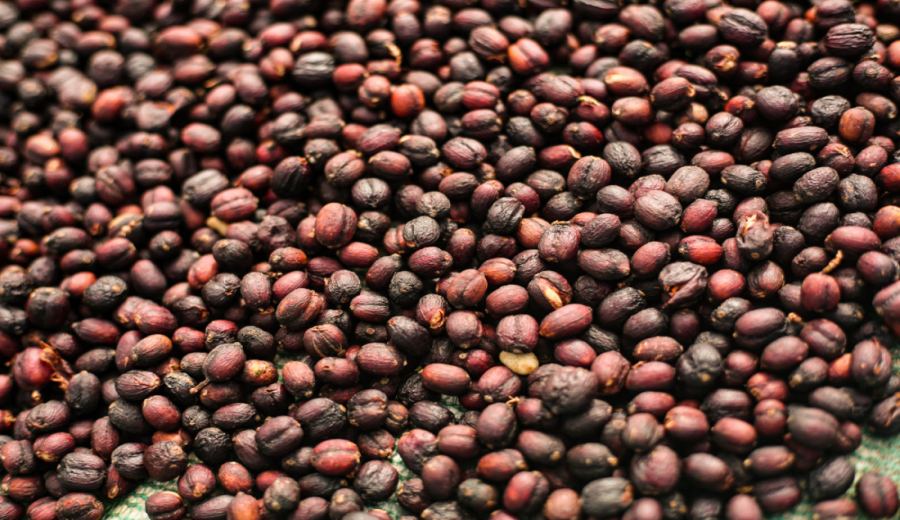
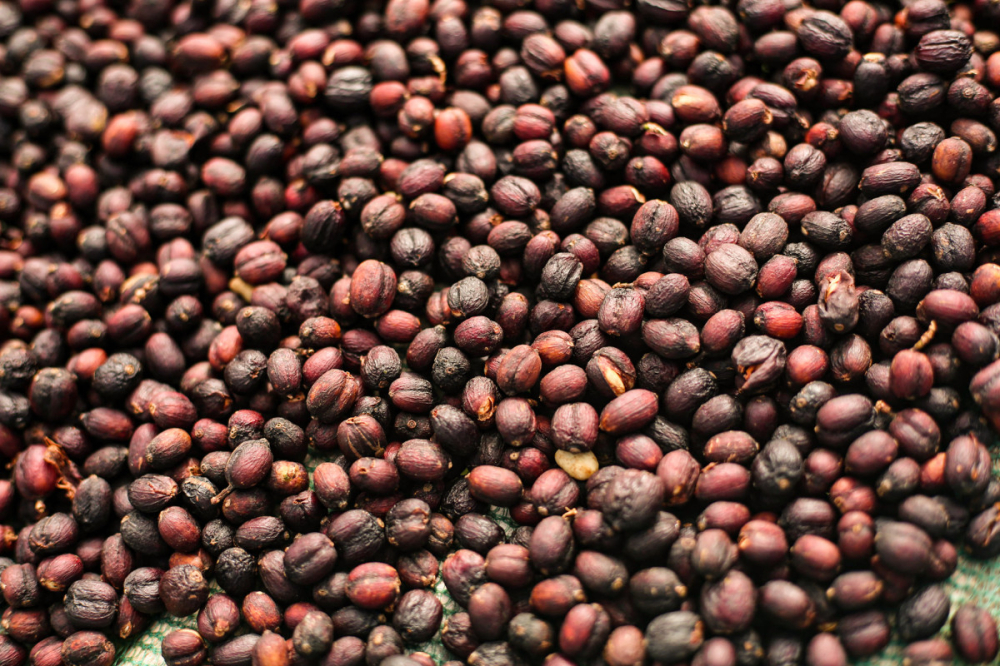
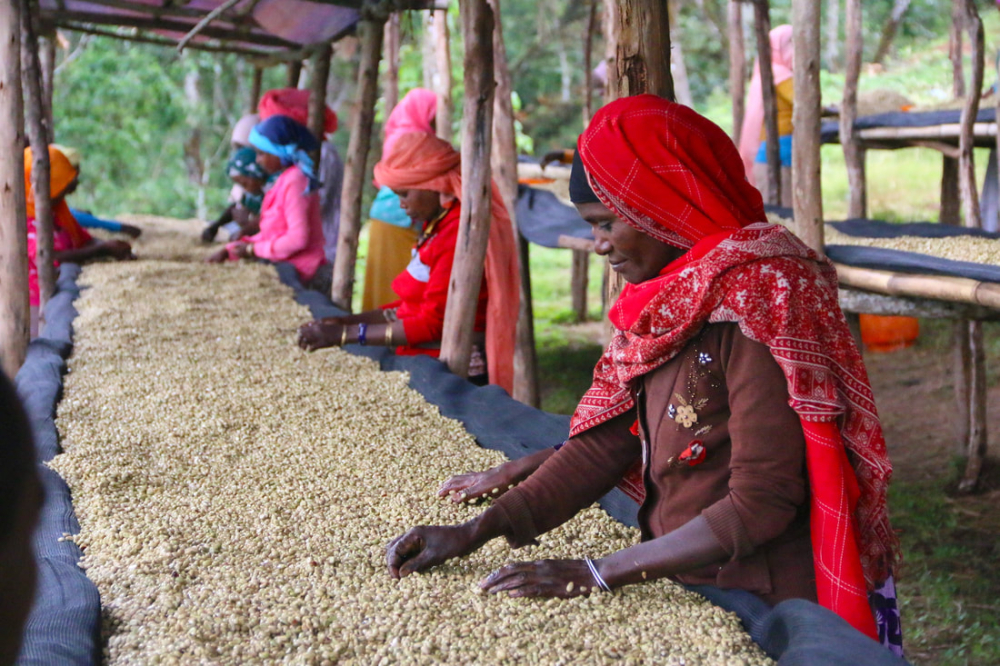
Natural processing, meanwhile, involves placing the entire harvested coffee cherry directly on raised drying beds to dry naturally under the sun. The cherries must be regularly turned to prevent mold, and the entire process usually takes over two weeks. This method, by preserving the fruit flesh and sugars, imparts a rounder mouthfeel, richer sweetness, and intense berry and citrus aromas. High-quality natural Yirgacheffe often showcases bold tropical fruit notes, with lingering flavors reminiscent of wine or black tea.
Yirgacheffe coffee roasted to a light degree typically exhibits refreshing lemon, orange blossom, and honey-like sweetness, with soft yet bright acidity and a pronounced tea-like body, delivering a silky-smooth texture across the palate. Washed beans are characterized by their clear layering, cleanliness, and prominence of citrus and floral notes; natural beans, on the other hand, showcase more intense fruit sweetness, a fuller body, and a blend of sweet orange and berry flavors, with a gentler, more rounded aftertaste.
Below are pour over recommendations for two representative Yirgacheffe beans: the washed Kochere and the natural Red Cherry, both widely available and highly rated options.
[Yirgacheffe Kochere]
Region: Yirgacheffe Kochere
Variety: Local landrace
Elevation: 1,800–2,200 meters
Processing Method: Washed
[Yirgacheffe Red Cherry]
Region: Yirgacheffe
Variety: Local landrace
Elevation: 1,700–2,200 meters
Processing Method: Natural
Pour Over Recommended Parameters (for V60 #01 filter):
Brew Water Temperature: 90–91°C
Coffee Dose: 15 grams
Coffee-to-Water Ratio: 1:15
Grind Size: Medium-fine (approximately 80% through a #20 sieve)
Brewing Steps: Pre-wet the filter and preheat equipment with hot water. First, pour 30 grams of water for a 30-second bloom. Then add 95 grams of water (total ~125 grams) at around 1 minute. When the water level drops to 2/3 of the coffee bed, pour another 100 grams (total ~225 grams) at around 1 minute 35 seconds. Total brew time is approximately 2 minutes 5 seconds.
Flavor Profile Comparison:
• Washed Kochere: Presents lemon, orange blossom, and honey sweetness, with a clean and refreshing taste, distinct tea-like body, and a lingering finish of honey and oolong tea.
• Natural Red Cherry: High sweetness with notes of lemon, licorice, berries, and sweet orange, a creamier and black-tea-like aftertaste, and a fuller body.
If you’d like to try a different brewing method, Yirgacheffe also makes an excellent cold brew. It’s recommended to use medium-light roasted beans with a fine grind (approximately 85% through a #20 sieve). Combine 40 grams of coffee grounds with 480 milliliters of cold water, stir well, seal, and refrigerate for 12 hours. After straining out the grounds, you’ll enjoy a refreshing, sweet-tart cold brew with lemon and mandarin orange notes. For optimal flavor and food safety, consume within 5 days of preparation.
The above content is compiled by CoffeeHunters, a coffee news website.


