








Introduction:Pour-over coffee may seem simple, but it involves many details that affect flavor. This article will break down the fundamentals of pour-over from a professional perspective, including key steps such as filter paper wetting, blooming time, and pulsed pouring. It also delves into the principles behind setting four core parameters: grind size, water temperature, coffee-to-water ratio, and brewing duration. Through multiple sets of coffee bed state illustrations, it helps you quickly determine whether extraction is even, and provides troubleshooting directions for common issues such as failed blooming or excessive bitterness, helping you easily master professional-level pour-over techniques.
Many coffee enthusiasts feel confused about pour-over operations after purchasing coffee beans. This article will systematically introduce the basics of pour-over coffee, starting with professional operational details. It covers core aspects such as filter paper handling, blooming control, and pulsed pouring techniques, and explains in detail the logic behind setting grind size, water temperature, coffee-to-water ratio, and brewing time. The article uses diagrams of different coffee bed forms to help assess the uniformity of coffee extraction, and also provides solutions for common extraction problems.
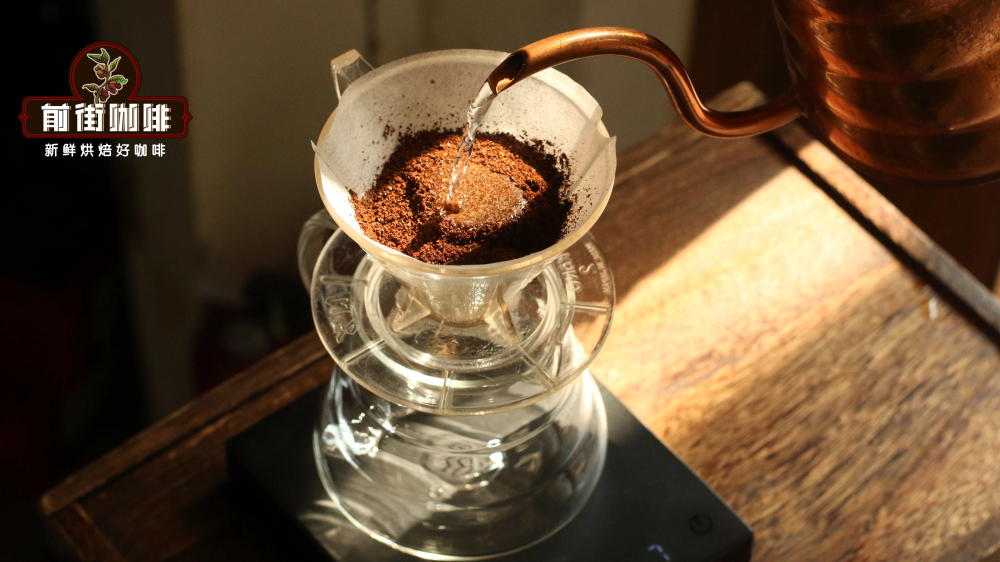
 When you purchase freshly roasted coffee beans and try brewing them yourself, mastering the correct technique is crucial. First, observe the key details in a professional brewing process: when using natural brown filter paper, it is recommended to wet it with hot water to remove the papery taste and preheat the equipment, remembering to discard the remaining hot water. During the blooming stage, the coffee grounds should be evenly saturated with water, using approximately twice the amount of coffee (about 30ml). The duration depends on the roast freshness—usually 20 to 30 seconds, with the endpoint being when bubble activity stops. During pulsed pouring, keep the coffee bed moist and avoid letting the water flow directly through, creating a “tunnel effect” that leads to under-extraction of some coffee grounds. Ensure the water flows vertically and moves in small circles, especially in conical brewers where the middle coffee bed is thicker—special care is needed in controlling the pouring path. Shaking the server at the end of brewing can help balance the flavors.
Another competition video shows the brewing rhythm of a professional competitor: in a total process lasting two minutes, blooming continues for nearly 29 seconds before the first pour begins, and in the final stage, the brewer waits for all the coffee liquid to drip through before removing the filter. These kinds of subtle differences can affect the final coffee-to-water ratio, reminding us that water flow control and time management are equally important. There is no absolute standard for pour-over coffee—the core lies in balancing grind coarseness, water temperature, and brewing duration, fine-tuning parameters according to the characteristics of the bean variety, to avoid under-extraction or over-extraction.
Grind size directly affects coffee performance. It is recommended to use a #20 sieve for testing, maintaining a 70%-80% passing rate (a sieve can be purchased separately if not available). Lightly roasted beans suit a finer grind (75%-80% passing rate), while medium to dark roasts should use a slightly coarser grind (70%-75%). You can judge roast level by referring to the flavor descriptions on the packaging: citrus, berry, and other fruity acidity notes usually indicate a light roast; caramel and nutty flavors with slight acidity suggest a medium roast; chocolate and creamy notes point to a dark roast. The water temperature range is 86°C to 93°C. For light roasts, it can be increased to 90-93°C to enhance extraction, while dark roasts should be lowered to 86-89°C to avoid over-releasing bitter substances.
The coffee-to-water ratio directly affects concentration, with common ranges from 1:14 to 1:18. The standard recipe uses 15 grams of coffee with 225 grams of water (1:15), offering the best balance. Shortening the ratio increases intensity, while widening it results in a lighter flavor. Brewing duration is recommended to be controlled around 2 minutes, with an error margin of no more than 10 seconds—if the time deviates significantly, it usually indicates that the pouring technique or grind size needs adjustment.
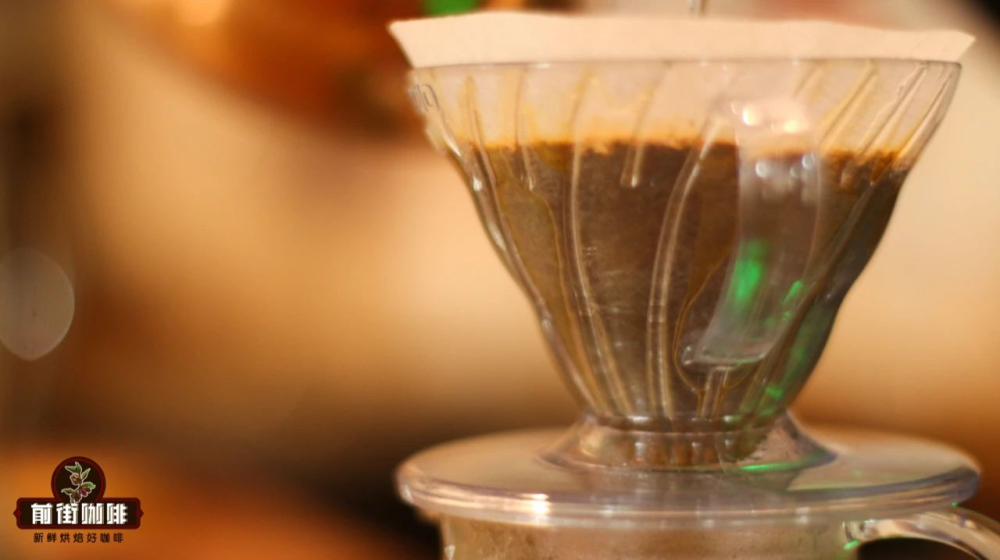
 Observing the coffee bed state after brewing can diagnose problems: the ideal scenario should show a uniformly bowl-shaped bed, with even coffee walls around and a consistent indentation at the bottom. If the left coffee wall is lower and has been penetrated (as shown in the diagram), it may be due to uneven pouring pressure causing a “channel effect,” where water bypasses the coffee grounds and flows directly into the server. Scattered residual particles and oils on the coffee bed surface often occur when subsequent pours disrupt the original coffee wall structure. Murky fine grounds at the bottom indicate over-fineness in grind, producing too many ultra-fine particles, which can lead to a bitter taste. If coffee grounds are found sticking to the edge of the filter rather than sinking evenly, it may be because the pouring circle was too wide and touched the filter paper. A layered or stepped coffee bed suggests either overly strong central pouring or insufficient initial coffee bed distribution.
Answers to common questions: failure of the coffee bed to expand during blooming is usually due to insufficient bean freshness, improper grind size, or the inherent characteristics of light roasts. Bitterness and astringency are often related to overly fine grind, excessive ultra-fine particles, or too high water temperature. When flavors are flat, check whether the water temperature meets the standard (86-93°C), whether the coffee-to-water ratio is reasonable (1:15 as a baseline), and observe the brewing time—if extraction completes within 1 minute and 30 seconds, it may be due to overly coarse grind leading to fast water flow. Most problems still stem closely from grind quality, and precise control of this parameter can effectively prevent most extraction flaws.
Once you’ve mastered these foundational elements, you’ll be able to adjust your pour-over process with more confidence. During actual operation, maintain a stable and vertical water flow, using circular pouring to evenly saturate the coffee bed, avoiding direct impact on the edges of the filter. By continuously observing changes in the coffee bed and flavor feedback, gradually optimize a brewing method that suits you personally.
The above content is compiled by CoffeeHunters, a coffee news website.


