








Introduction:Panamanian Geisha coffee is renowned for its distinctive floral and citrus notes, but its origins and varietal evolution remain relatively unknown. This article will take you on a journey from the forests of Ethiopia to Panama's Hacienda Esmeralda, exploring the history of Geisha, analyzing the differences among its Red Label, Green Label, and Blue Label grades, and offering practical pour over brewing tips and extraction techniques to help you better appreciate the charm of this specialty coffee.
What makes Geisha coffee so captivating is not only its enchanting floral and citrus aromas, but also the story behind it and its refined grading system. Many coffee enthusiasts, upon their first taste, are often amazed by the blend of fruity-floral notes and tea-like body, yet they may not fully understand the origins of Geisha or the three grades from Hacienda Esmeralda. This article will delve into the origins of Geisha and provide a detailed comparison of the differences between the estate’s Red Label, Green Label, and Blue Label, along with practical pour over recommendations to help you fully grasp the essence of this top-tier coffee.
The cultivation history of Panamanian Geisha dates back to 1931, when a British botanist collected disease-resistant coffee variety samples in the Geisha Mountain region of southwestern Ethiopia. These coffee seeds were initially referred to as Geisha and Abyssinian, and were later sent to Kikuyu, Kenya, for trial planting. In 1936, some seedlings were introduced to Uganda and Tanzania for further research. After more than a decade of cross-border cultivation, Costa Rica began importing these varieties in 1953 and continued to refine them locally. It wasn’t until 1963 that Don Pachi Serracin brought Geisha seedlings to Panama, but at the time, due to poor yields, most farmers showed little interest. However, some farmers noticed that the variety performed unexpectedly well in windbreak plantings, maintaining stable growth even under harsh conditions, eventually becoming the flagship offering of today’s Hacienda Esmeralda.
In 2004, a well-known estate submitted carefully harvested and processed Geisha coffee beans to a Panamanian cupping competition, unexpectedly winning the championship, which subsequently sparked a global specialty coffee craze for Geisha. This coffee not only boasts unique floral notes, but also features pronounced citrus and tea-like characteristics, with a rich and memorable flavor profile. Cupping experiences at certain coffee shops have also confirmed that this estate’s Geisha truly stands out in both aroma and taste.
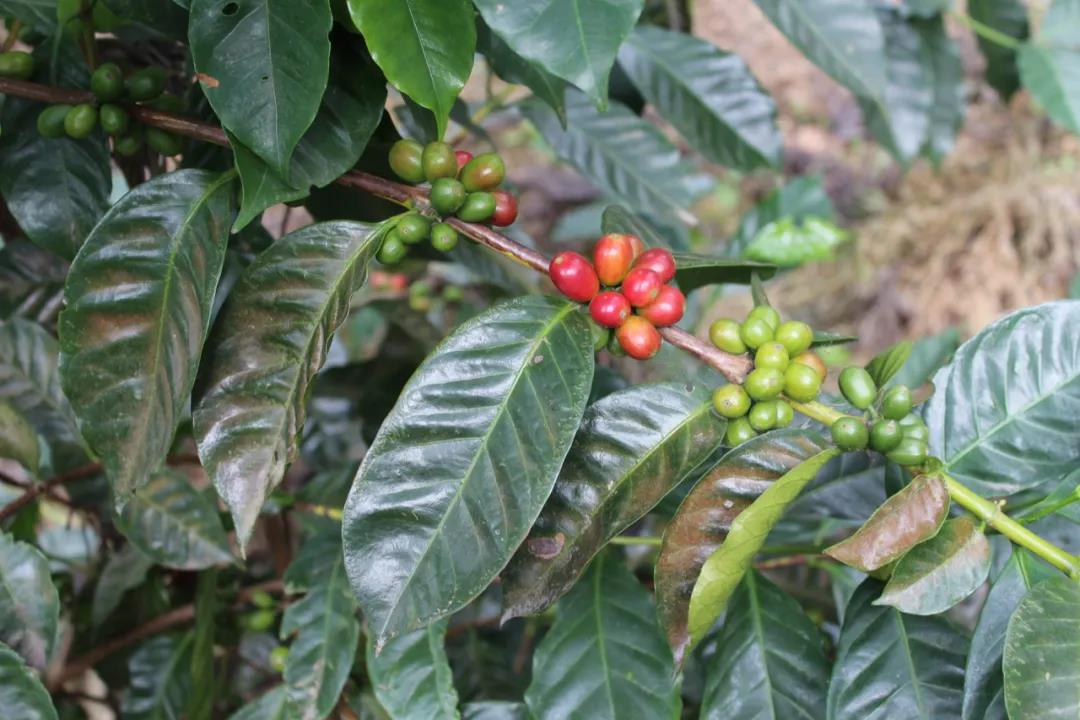
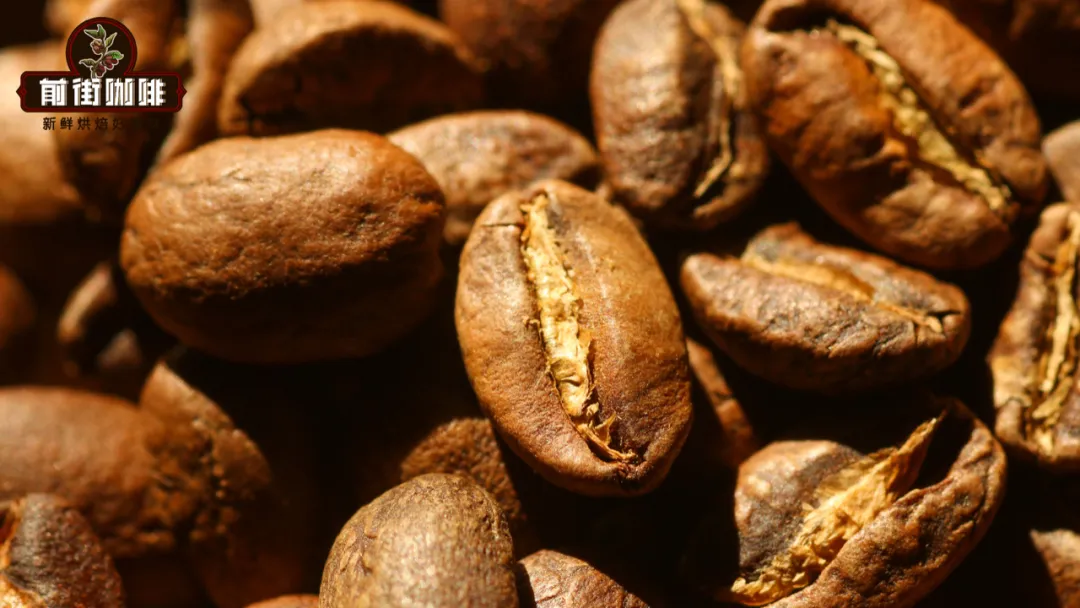
Geisha coffee beans are also highly recognizable in appearance, with an elongated, pointed shape—sharp at both ends and plump in the middle. High-quality Geisha beans can even reach 18–19 mesh size. However, growing high-quality Geisha requires specific climatic conditions: sufficient altitude, significant day-night temperature variation, and not-too-low temperatures are necessary to accumulate enough flavor compounds, resulting in its distinctive fruity-floral notes.
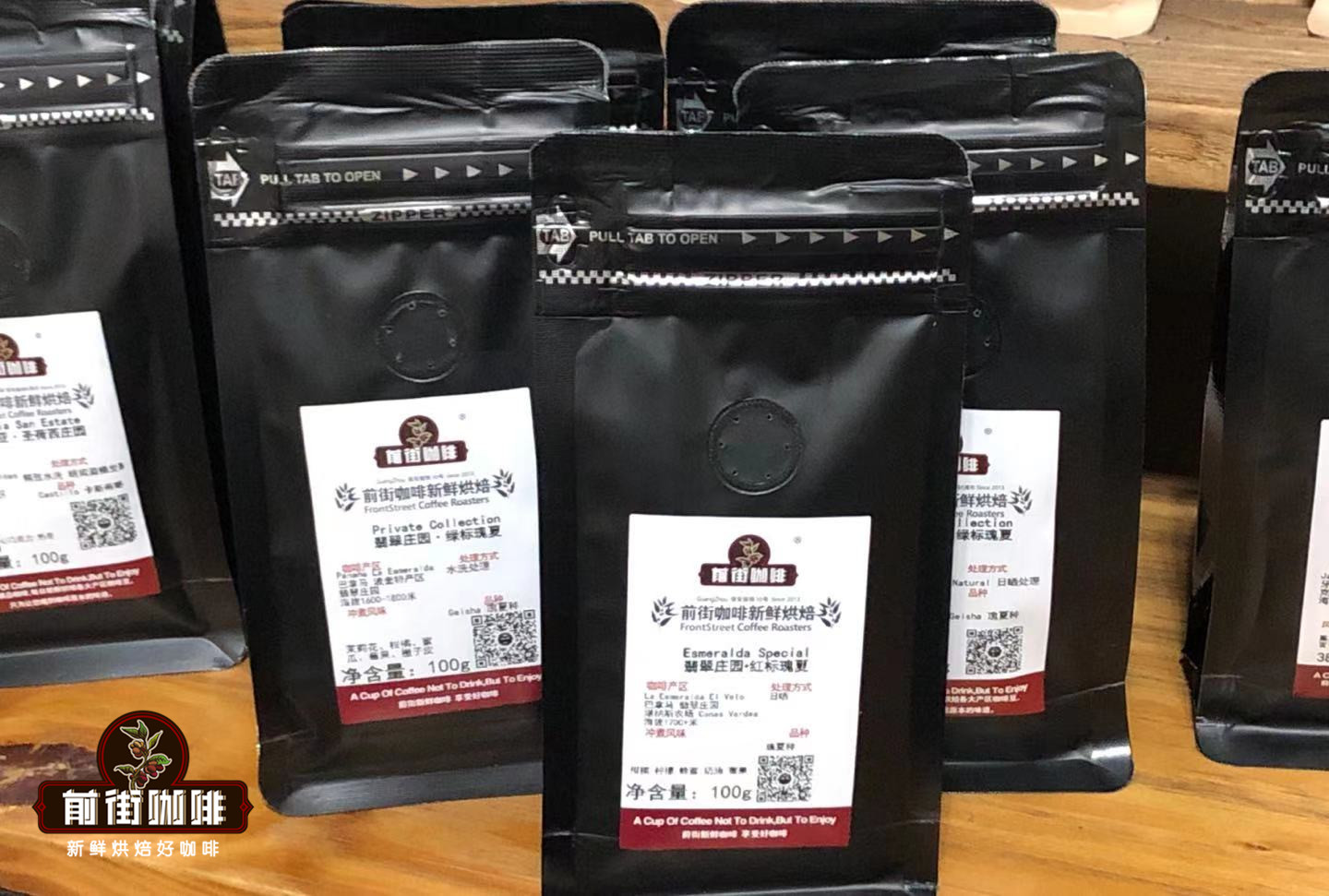
Hacienda Esmeralda classifies Geisha into three grades—Red Label, Green Label, and Blue Label—based on planting plots and altitude. The Red Label comes from the Canas Verdes plot at around 1,700 meters above sea level, featuring plump and uniformly sized beans with extremely strict quality control, typically exhibiting prominent rose and strawberry aromas. The Green Label is a blend from plots such as Jaramillo and Canas Verdes, grown at altitudes between 1,600 and 1,800 meters, with flavors dominated by lemon and white floral notes, sometimes resembling those of the Red Label. The Blue Label is a mixed batch from plots below 1,500 meters in altitude, with relatively milder aromas but still retaining the fundamental characteristics of Geisha.
In actual tasting, the Red Label emits intense rose floral aromas and sweet-sour strawberry notes after grinding, while the washed Green Label presents a fresh lemon and white floral profile. The Blue Label, on the other hand, is known for its soft citrus and subtle floral qualities. These differences are not only evident in aroma, but also directly influence the flavor performance after brewing.
For coffee enthusiasts who enjoy pour over brewing, it’s important to note Geisha’s resistance to over-extraction. It’s recommended to use a slightly coarser grind, such as 71% passing through a standard 20-mesh sieve, paired with a water temperature of 90°C and a 1:15 coffee-to-water ratio. Specifically, you can use a V60 #01 filter cone, starting with a 30-gram bloom for 30 seconds, followed by pouring 100 grams of water while slowly circling, then adding another 95 grams when the water level drops halfway, for a total brew water volume of about 225 grams. The total extraction time should be controlled between 2 minutes 10 seconds and 2 minutes 20 seconds.
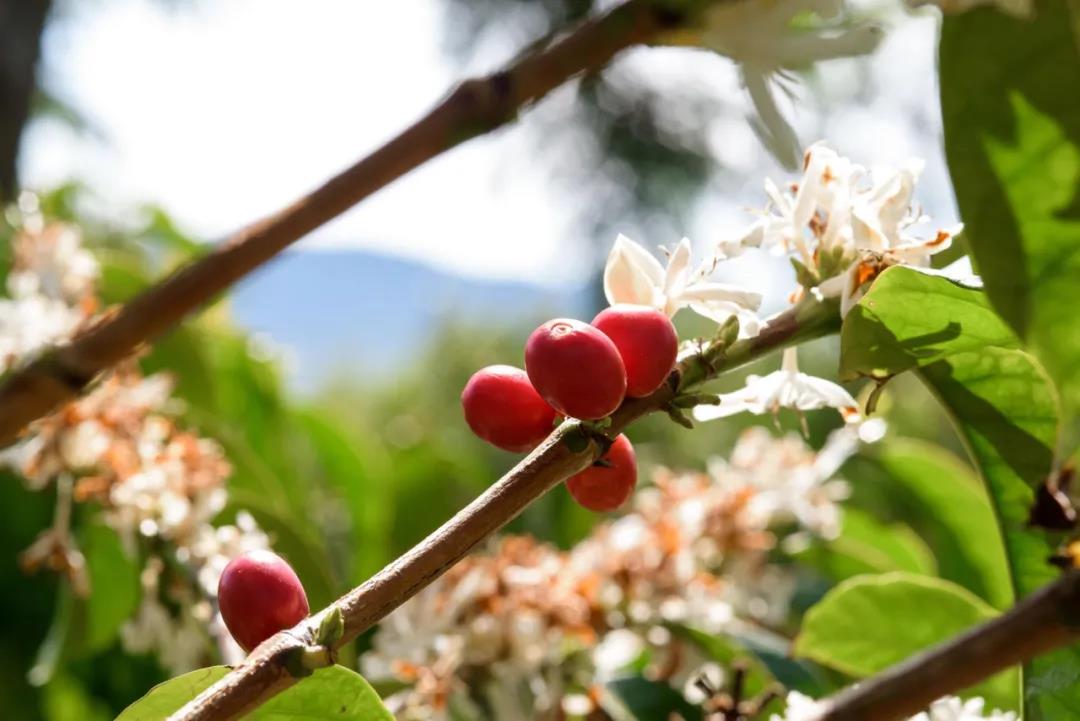
Different grades of Geisha perform uniquely after pour over brewing: sun-dried Red Label offers bright rose and citrus aromas, accompanied by the sweetness of berries and honey; washed Green Label is dominated by jasmine floral notes and high sweetness, with distinct layers of citrus and creamy textures; sun-dried Green Label has a bright acidity, with passion fruit and strawberry fruitiness, and a smooth aftertaste; washed Blue Label has a gentle acidity and clear sweetness; sun-dried Blue Label showcases the sweetness of tropical fruits, with an overall juice-like, refreshing mouthfeel. By understanding these nuances, you’ll be able to more precisely select and brew your own preferred Geisha flavor profile.
The above content is compiled by CoffeeHunters, a coffee news website.


