







Introduction:In recent years, SOE coffee has become a focal point of interest among specialty coffee enthusiasts. What exactly sets it apart from single-origin beans and blends? This article delves into the core concept of SOE (Single Origin Espresso), helping you understand why it is gradually replacing traditional blends to become the new favorite in espresso-based drinks. Taking Yirgacheffe single-origin beans as an example, we will also break down the brewing parameters and procedures suitable for both home use and cafés, as well as how to create a distinctive Dirty and Americano using the same beans—allowing you to master everything from bean selection to brewing.
In recent years, SOE coffee has become increasingly common in specialty cafés, with many shops even equipping two espresso grinders—one for traditional blends and the other exclusively for SOE. The term SOE stands for "Single Origin Espresso," referring to espresso made solely from beans of a single origin. While it shares some conceptual overlap with single-origin beans, they are not entirely the same. Single-origin beans generally refer to coffee beans sourced from the same region or farm, emphasizing regional flavor and traceability. SOE, on the other hand, focuses specifically on using beans from a single origin for espresso extraction, highlighting its unique aroma and taste profile. In contrast, blends are intentionally mixed from beans of two or more origins—even different countries—to achieve cost control, flavor balance, and extraction stability, and are widely used in both commercial and everyday coffee preparation.
The reason SOE has gained popularity is its ability to showcase the unique characteristics of a specific region, such as bright acidity, rich floral notes, or even an excellent balance of sweetness and body. In recent years, many community-based cafés have introduced SOE options, often charging customers an additional premium of around 3 to 10 yuan to experience espresso flavors distinct from traditional blends. However, many consumers attempting to replicate café-quality flavors at home often encounter issues like uneven extraction or imbalanced flavors, which are often directly related to bean variety and roast level.
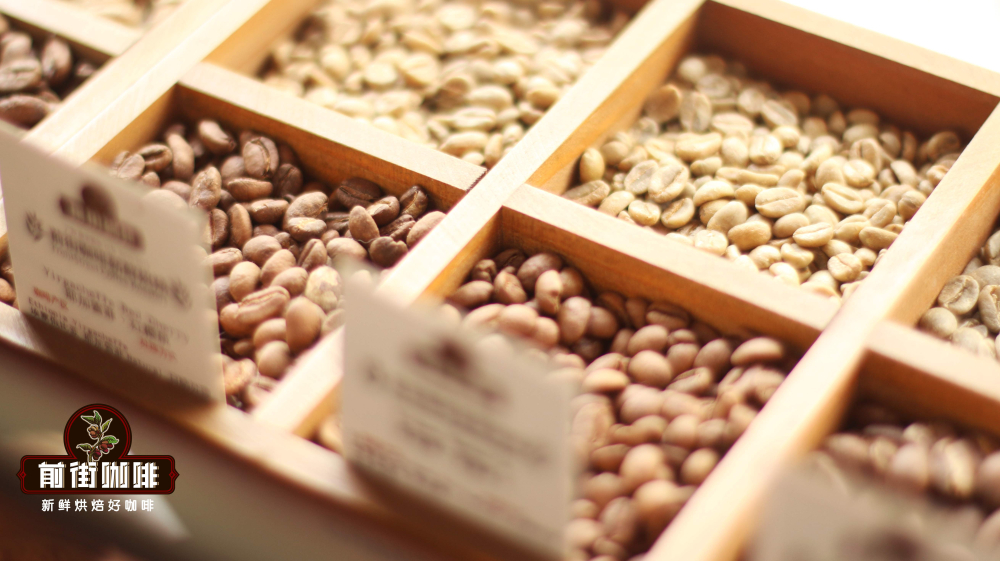
To properly understand SOE, it's essential first to clarify several common terms. SOE, or Single Origin Espresso, means espresso made from a single-origin bean, emphasizing regional characteristics and a single bean source. Single-origin coffee beans (Single Origin Coffee Bean) refer broadly to green beans from the same origin, whether ultimately used for pour over, siphon, or espresso—all fall under this category. Nowadays, single-origin beans on the market increasingly emphasize detailed information about region and processing methods. Blended coffee beans, by contrast, are intentionally blended from beans of different origins or even different countries in specific proportions, aiming to achieve stable flavors, reduce costs, or create a particular taste profile, and are widely used in various brewing methods, including espresso and pour over.
Many beginners mistakenly believe that simply using any single-origin coffee bean they have on hand for espresso extraction will yield an elegant-tasting SOE shot—only to be sorely disappointed if the roast level is unsuitable. Some coffee enthusiasts have reported that using a floral bean for espresso resulted in spraying, excessive acidity, or even astringency, even suspecting grinder or machine malfunctions. In reality, the issue often lies in “roast suitability”—not all single-origin beans are suitable for espresso. Some baristas recommend selecting single-origin beans specifically roasted for SOE or espresso to effectively avoid extraction failures and showcase the most captivating flavor characteristics of that origin.
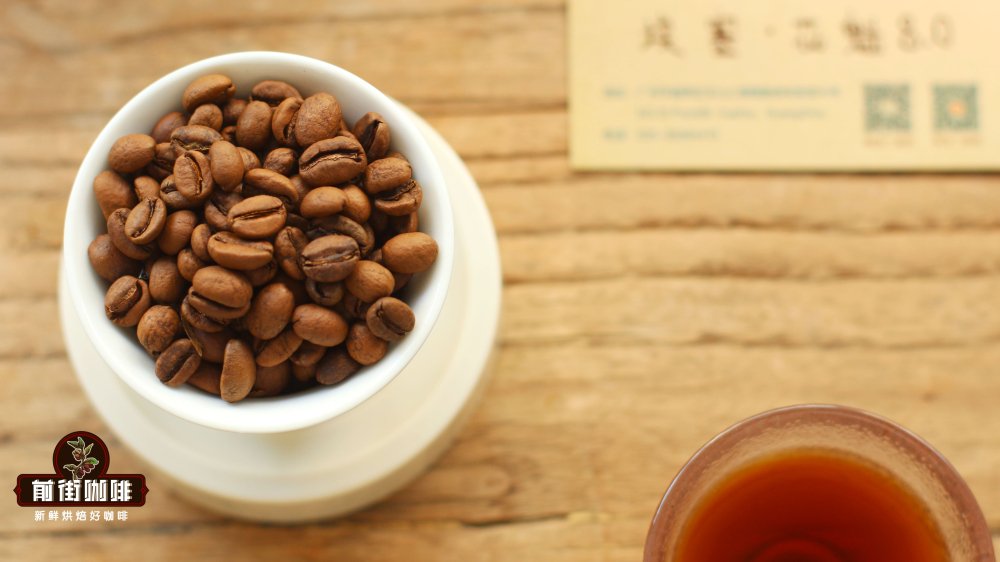
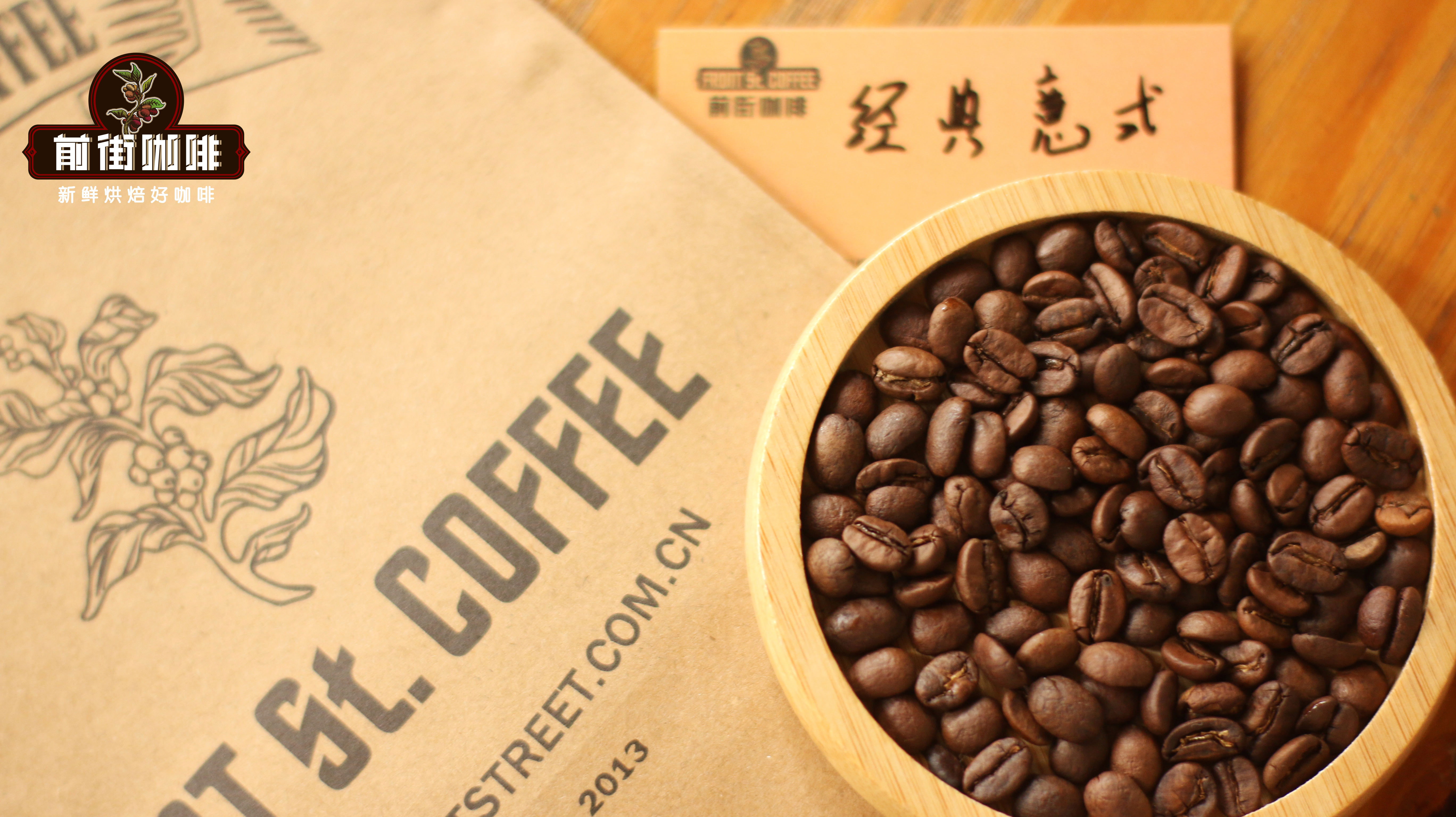
Taking popular SOE choices on the market as examples, some brands offer single-origin beans designed specifically for espresso, such as "Huakui" with its distinct berry notes, or classic Yirgacheffe-flavored beans like "Konga." These beans are specially roasted for espresso, enhancing sweetness and body while retaining clear fruity or floral finishes, making them ideal for drinkers who enjoy layered, bright acidity. If you want to try making SOE at home, it’s recommended to prioritize beans labeled “suitable for espresso” or “SOE-specific” in terms of roast level to ensure smooth extraction and balanced flavor.
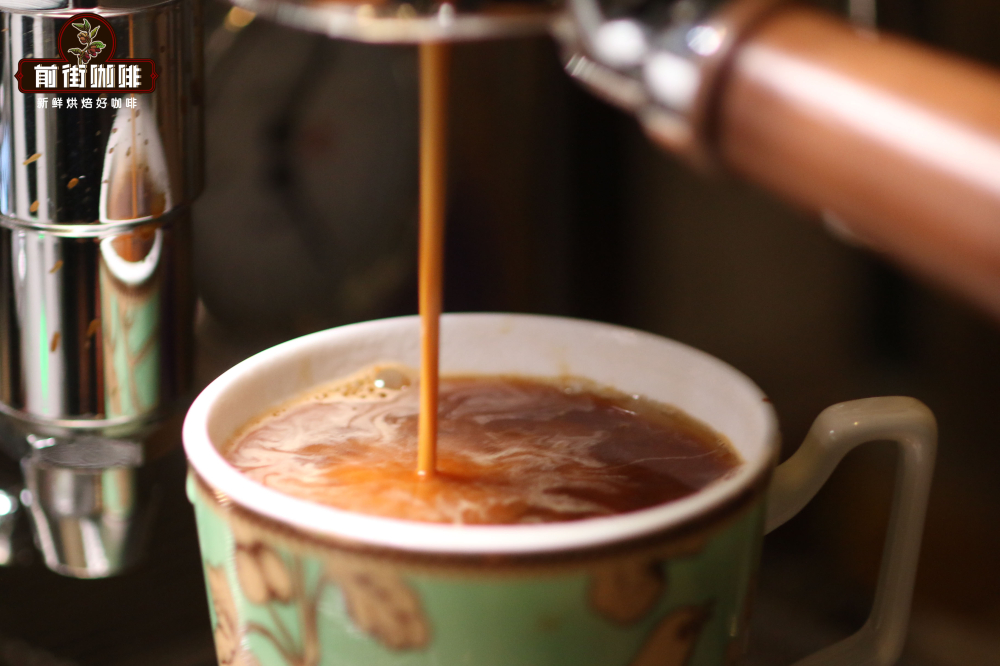
Below, we share how to use Yirgacheffe single-origin beans (such as Konga) to make a flavorful SOE espresso, and further extend the process to make Dirty and Americano. The actual tested brewing parameters are as follows: using Ethiopian natural Konga coffee beans, with a coffee dose of 20 grams, yielding 40 grams of espresso, for a 1:2 brew ratio, with total extraction time controlled between 26 to 33 seconds. It is recommended to use a grind setting of about Galileo 2.0 and a double basket with a capacity of around 18–20 grams. This set of parameters is suitable for most home or small commercial espresso machines—as long as the pressure is steadily maintained above 9 bar, operation should proceed smoothly.
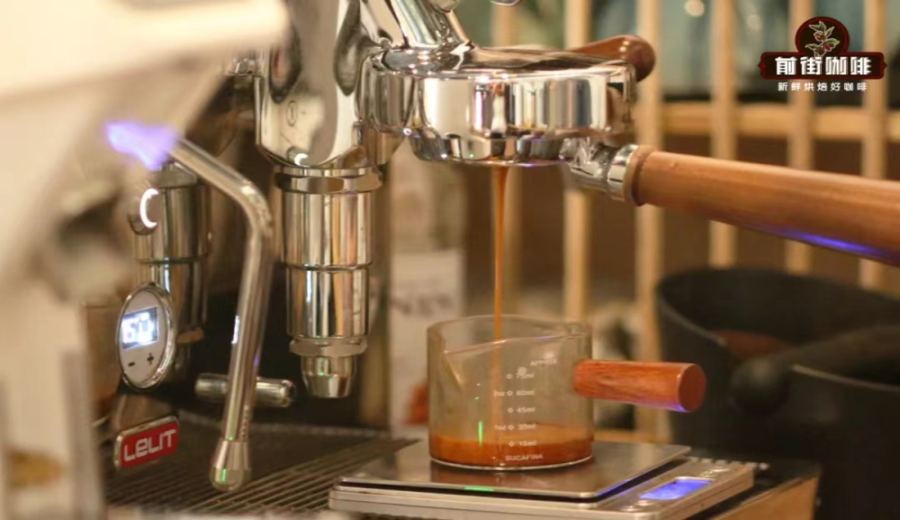
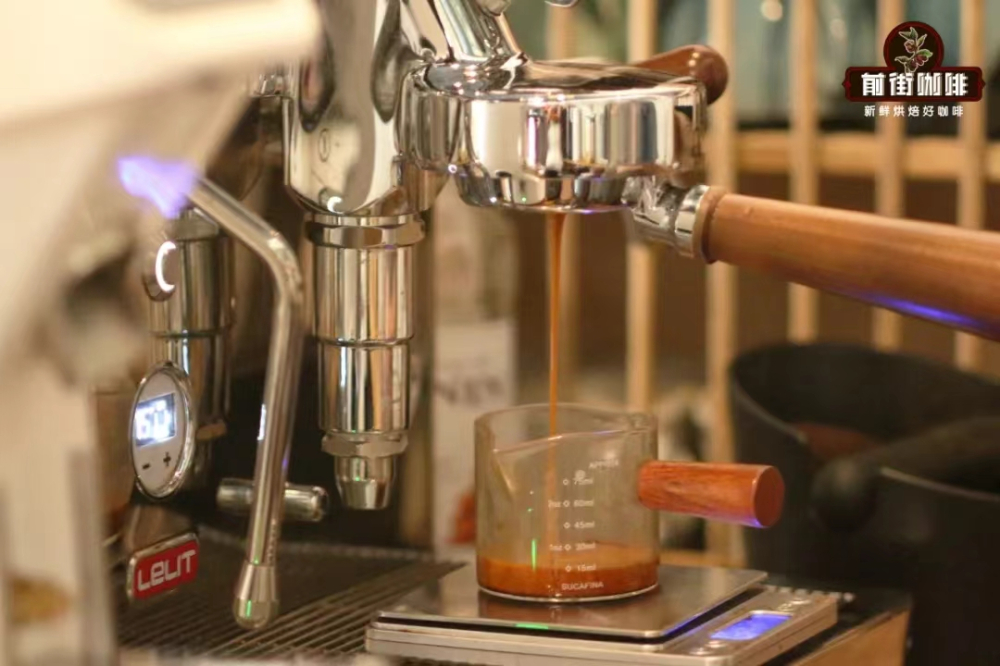
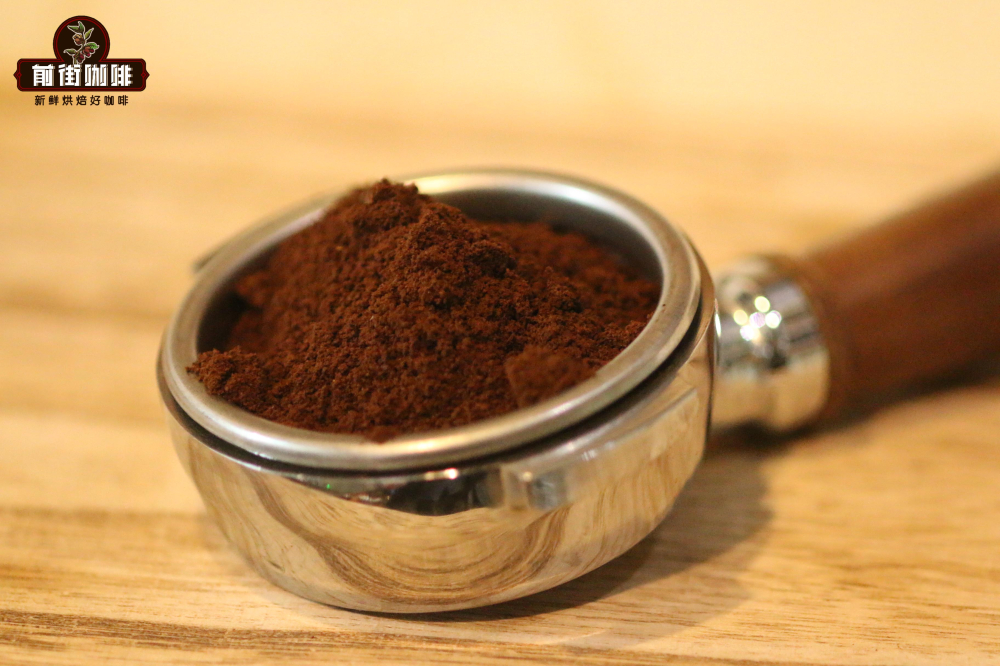
For practical operation, first ensure the portafilter basket is dry. Place the 20 grams of ground coffee into the basket, then use a distribution tool or the flat back of a spoon to evenly distribute the grounds. Next, tamp the coffee with appropriate pressure to ensure consistent density and a flat surface, which helps stabilize the flow rate during extraction. After tamping, start the extraction to release a small amount of hot water to pre-wet the group head and clean away residual oils, then gently place the portafilter back into the machine and begin the full extraction. Observe the scale readings: when the coffee reaches 40 grams and the time falls within the 28–33 second range, stop the water flow. You’ll then have a bright, clean, and well-balanced SOE espresso with sweet and acidic harmony. For a crisper taste, add cold water to make an SOE Americano; diluting with hot water will bring out more sweetness and body.
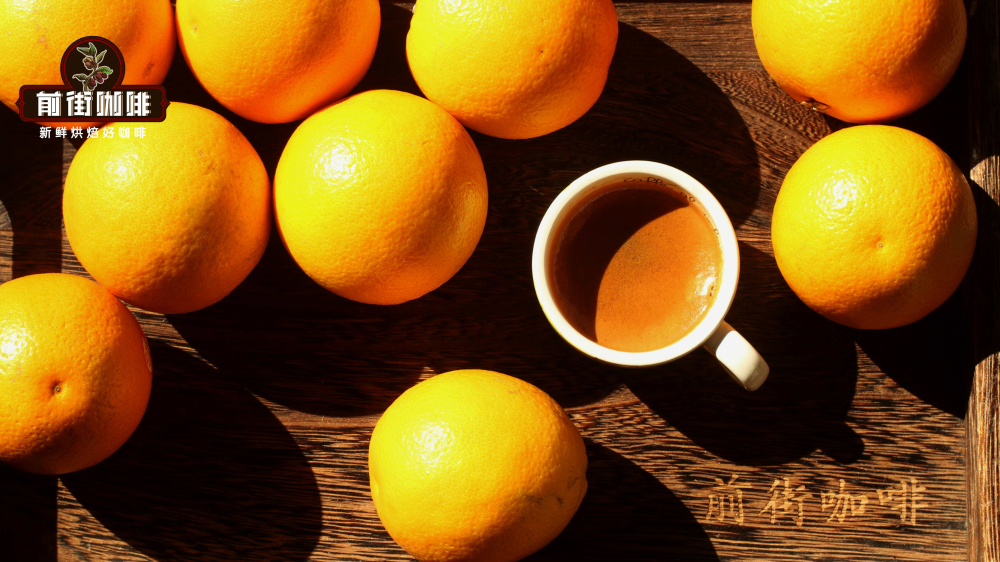
If you want to challenge yourself with a more complex SOE Dirty, it is recommended to present it in the style of a hot latte. The suggested espresso-to-milk ratio is 1:6. First, pour 40 grams of SOE espresso into a preheated cup, then steam 240 grams of milk using an espresso machine steam wand to a temperature between 50–65°C, achieving fine microfoam with moderate thickness. Quickly pour the steamed milk over the espresso to form a distinct and visually striking layered effect. This Yirgacheffe SOE Dirty offers a pronounced lemony acidity paired with cookie-like sweetness, with a refreshing and lingering aftertaste—perfect for those who enjoy a balance of fruitiness and creamy milk notes.
In summary, the charm of SOE coffee lies in its ability to showcase unique regional flavors and processing characteristics through beans from a single origin. Whether it’s espresso, Americano, or Dirty, each presents a distinctly different taste experience. By selecting the right roast level and bean variety and mastering precise brewing parameters, even at home, you can easily recreate café-quality SOE flavor profiles.
The above content is compiled by CoffeeHunters, a coffee news website.


