







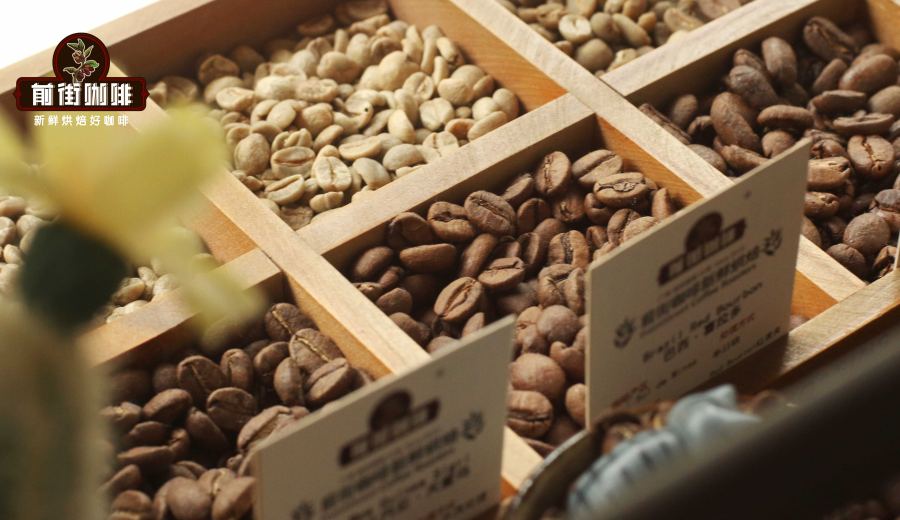
Introduction:Want to explore the classic flavors of Brazilian specialty coffee? Red Bourbon, a common Arabica variety in Brazil, is beloved by beginners for its rich and balanced profile. This article delves into the variety characteristics and processing method differences of Red Bourbon from the South Minas region, and through hands-on pour over experience, shares how to use a Kono filter to extract prominent sweetness and nutty notes with medium-dark roasting. From regional environment to specific pouring techniques, it provides a complete reference to help you easily brew a well-balanced single-origin Brazilian coffee.
Brazilian Red Bourbon is one of the go-to choices for many coffee beginners entering the world of specialty coffee, and its performance from the South Minas region is particularly stable. Can this bean showcase the classic traits of Brazilian coffee? What are the unique aspects of its flavor profile, processing methods, and roasting strategy? This article will comprehensively break down the flavor expression of Brazilian Red Bourbon — from regional background and variety characteristics to actual pour over operation — and provide specific brewing recommendations using a Kono filter to help you brew a sweet, nutty-aroma-forward single-origin coffee at home.
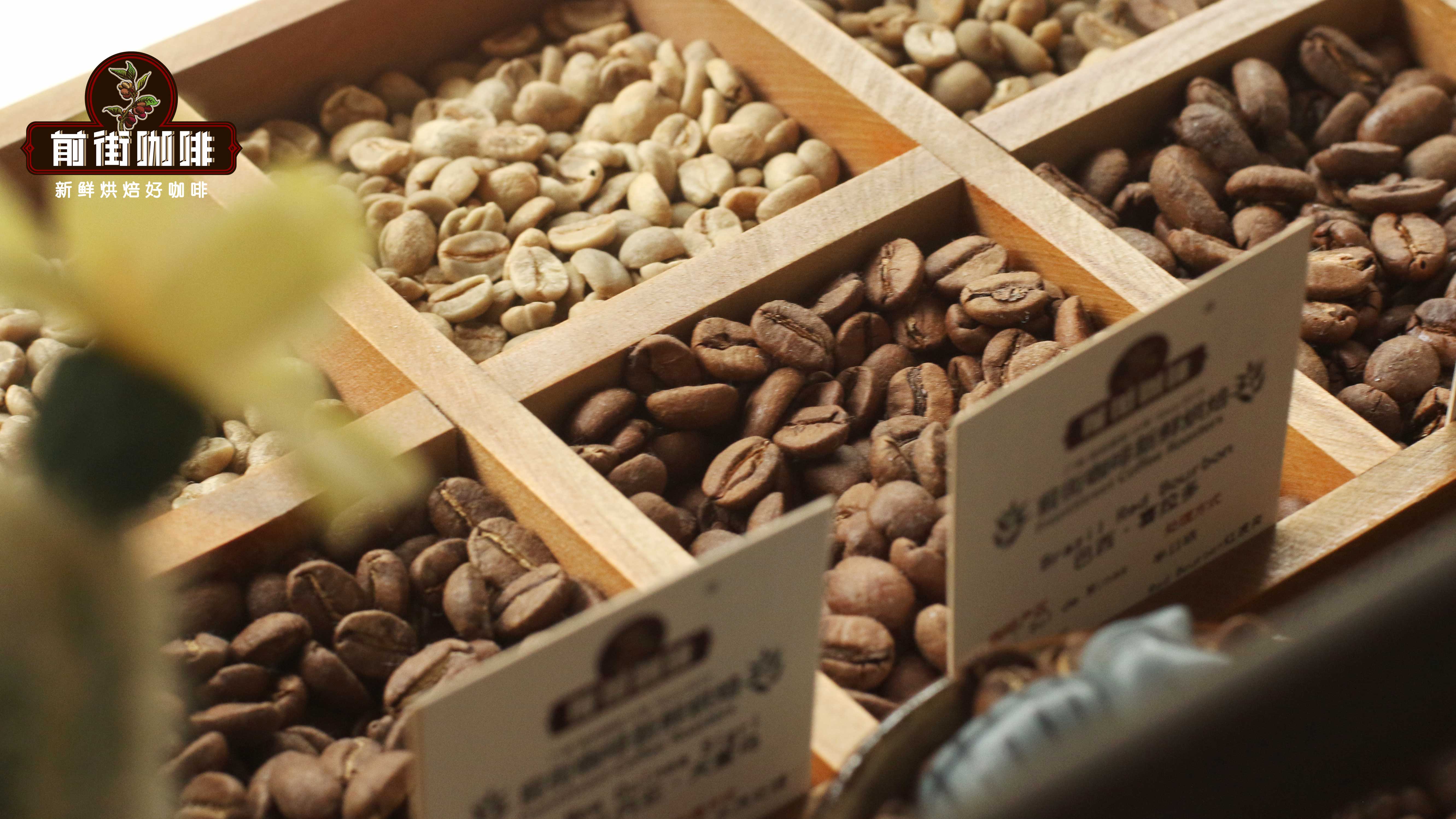
In the world of specialty coffee, Brazil is often seen as a stable and high-yield country. Its coffee plantations are mainly located in highland areas above 500 meters above sea level, and to a lesser extent in plains below 200 meters. Brazil grows not only Robusta but also a wide variety of Arabica cultivars, among which the Bourbon family (such as Yellow Bourbon, Red Bourbon, and Santos) is the most renowned. Compared to other regions, Brazilian coffee typically exhibits low acidity, rich nutty tones, good balance, and moderate body. While it may not stand out in competition-level specialty coffee, it serves as an ideal base for many espresso blends.
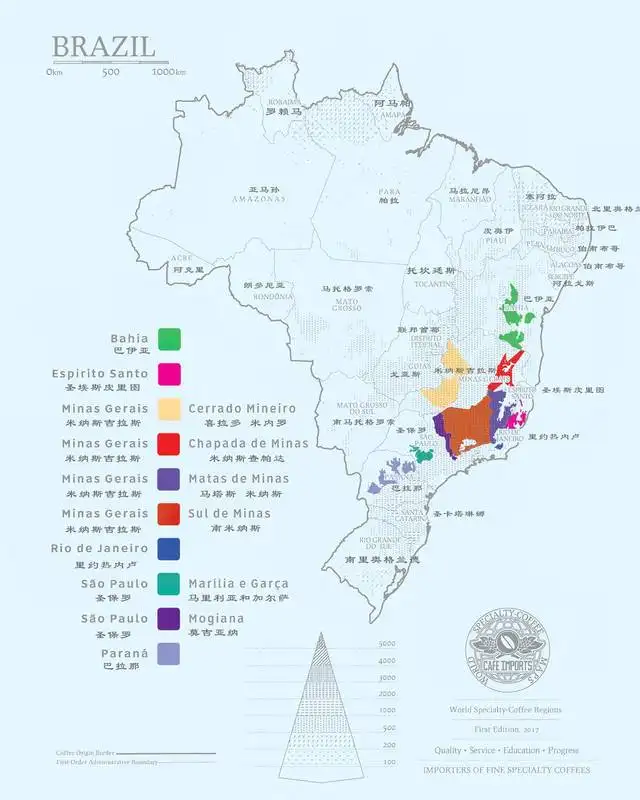
Brazil has 21 states, 17 of which produce coffee, with the four most productive states accounting for 98% of the nation’s total output. The coffee from these regions tends to have soft acidity, with a subtle balance of sweetness and bitterness, a smooth mouthfeel, and often a delicate grassy aroma, leaving a light and relaxing aftertaste. Especially in the Cerrado region and South Minas area of Minas Gerais state, where elevations mostly exceed 1100 meters and there are distinct wet and dry seasons with notable day-night temperature variations and diverse microclimates, varieties like Red Bourbon and Yellow Bourbon exhibit excellent flavor potential, making them key regions for Brazilian specialty coffee.
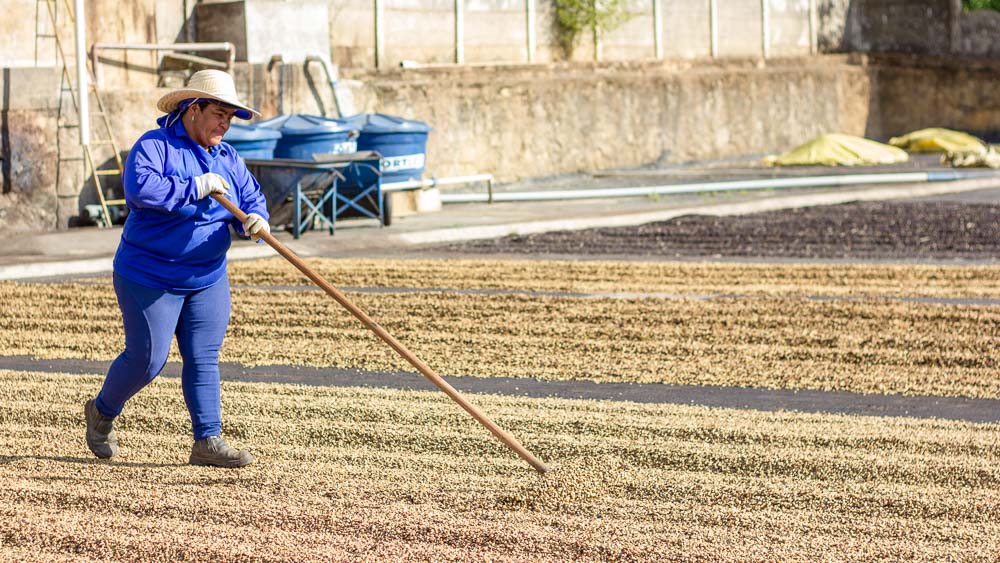
Common processing methods for Brazilian coffee include natural (sun-dried), pulped natural (semi-washed), honey (semi-washed), and washed. Among these, the washed method was introduced later and is relatively less common. The natural method involves drying fully ripe coffee cherries directly under the sun with continuous turning to ensure even drying until the moisture content drops to 12%, after which the pulp and skin are removed. The pulped natural method removes the pulp and skin first, then retains some mucilage during drying, also aiming for 12% moisture. The honey process differs by completely removing the mucilage before proceeding with drying. The washed method removes the pulp and skin first, then ferments the beans in water to break down the mucilage — a process that imparts certain acidity to the beans — before drying to the target moisture level. It's worth noting that both pulped natural and honey processes often use mechanical means to remove mucilage, which is fundamentally different from the washed method.
Take this Red Bourbon from southern Minas Gerais as an example: the growing region is at about 1000 meters altitude, the variety is Red Bourbon, and the processing method is pulped natural. In terms of roasting, this bean is medium-roasted using a Yangjia 600g semi-direct-fire roaster, fully showcasing the flavor layers of medium-dark roasting. Since Brazilian green coffee beans generally grow between 1000 and 1300 meters, they have lower density, moderate moisture content, softer bean texture, and thinner parchment, making them unsuitable for overly high-temperature roasting to avoid burnt or bitter flavors. During actual roasting, medium heat is applied when dropping the beans, maintaining stable firepower during the drying phase. After first crack begins, the temperature is fine-tuned as needed to promote sufficient caramelization. This pulped natural bean heats up slowly after first crack, and is usually dropped near second crack to preserve an appropriate level of sweetness and body.
In terms of roasting parameters: the drum is preheated to 200°C before loading, the air vent is opened to 3. After 30 seconds, ignition occurs and the heat is adjusted to 160, keeping the air vent unchanged. The turn-around point is around 1 minute 30 seconds; at this point, maintain the heat. After 5 minutes, the beans turn yellow and the grassy aroma gradually fades, entering the drying phase. The heat is then reduced to 130 and the air vent is opened to 4. At around 168°C, the heat is further reduced to 100. At 8 minutes, drying is complete, with wrinkles and black speckles appearing on the bean surface. At this stage, the aroma transitions from baked bread to coffee, signaling the approach of first crack — it's important to listen carefully for the first crack sounds. First crack begins at 8 minutes 50 seconds; the air vent is fully opened to 5, and the first crack development time is maintained for about 3 minutes 10 seconds. At 190°C, the heat is reduced to 50, then to 30 at 194°C, with the final drop occurring around 200°C.
For pour over, the Kono filter is recommended, with a water temperature set to 88°C, 15 grams of coffee, a 1:15 coffee-to-water ratio, and a medium-fine grind (approximately 80% extraction through a Chinese standard No. 20 sieve). The Kono filter has fewer and more centralized ribs, allowing the filter paper to adhere closely to the cup wall, effectively restricting airflow and extending contact time between water and coffee grounds. This helps enhance body and is especially suitable for medium-dark roasted beans, accentuating their full and rounded texture.
For pour over technique, it is recommended to use a pulse pouring method: start with a 30-second bloom using 30 grams of water, then pour in small circles until reaching 125 grams, pause until the water level nearly exposes the coffee bed, then continue pouring until reaching 225 grams to finish extraction. The total extraction time is approximately 2 minutes. Maintaining consistency in technique between different beans aids fair comparison of flavor profiles.
The pour over flavor profile of this Brazilian Red Bourbon typically features: a bright sweetness upon entry, accompanied by a hint of lemon aroma, strong nutty notes, and a finish with the rich sweetness of dark chocolate. The overall mouthfeel is smooth and rounded, making it an excellent everyday single-origin bean. If you're looking to explore the classic style of Brazilian coffee, this Red Bourbon is definitely worth a try.
The above content is compiled by CoffeeHunters, a coffee news website.


